

Erreichen Sie Tausende Whisky & Spirituosen Liebhaber täglich


What Are the Best Mezcal and Cocktail Bars in Monterrey for the World Cup 2026?
 von Janis WilczuraI'm one of Germany's leading whisky experts, featured in Handelsblatt and BILD. To me, whisky is craftsmanship and art.
Folge Spiritory bei Google News und erhalte unsere neuesten Guides und Releases direkt in deinem Feed.
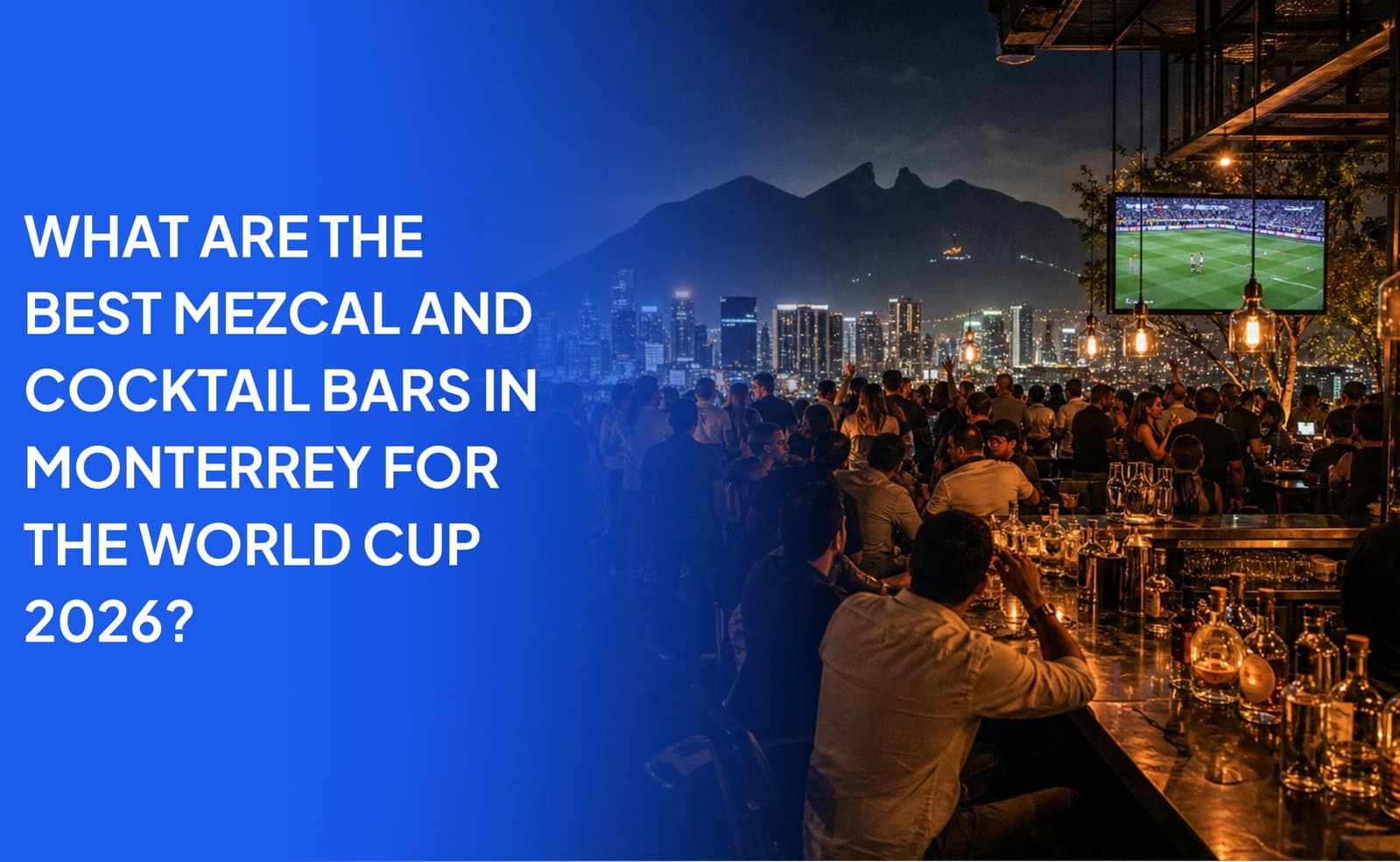
What Are the Best Mezcal and Cocktail Bars in Monterrey for the World Cup 2026?
The best mezcal and cocktail bars in Monterrey for the World Cup 2026 are in San Pedro Garza García, where Maverick MTY, Cuerno, and Changó anchor the city's polished cocktail scene, and in Barrio Antiguo, the historic quarter where the cantina and mezcalería tradition runs deepest. Monterrey's bar culture operates primarily in the evenings — June temperatures regularly reach 38°C — making the rooftop bars at Habita MTY and Deck11 the most practical starting points for a first night in the city.
Monterrey is not the first city that comes to mind when serious spirits travellers plan a Mexican itinerary. That distinction belongs to Oaxaca, with its concentration of mezcal palenques and agave bars, or to Guadalajara, the spiritual and geographical home of tequila. But Monterrey is the third-largest city in Mexico, a city of substantial industrial wealth and a bar scene that has grown rapidly over the past decade — and in summer 2026 it becomes one of six North American cities hosting FIFA World Cup matches. Visitors arriving for the football will find a spirits scene that rewards those who know where to look.
Key Takeaways
Estadio BBVA in Guadalupe municipality hosts four World Cup 2026 matches, including the 1,000th match in World Cup history on June 20. The stadium is accessible via Metro Line 1, Exposición station, a ten-minute walk from the ground.
Monterrey's bar scene is concentrated in two distinct areas: San Pedro Garza García, the safest and most walkable municipality, home to polished cocktail bars like Maverick MTY, Cuerno, and Changó; and Barrio Antiguo, the historic quarter where the cantina and mezcalería tradition runs deepest.
Lamata distillery in Santiago, Nuevo León — one hour south of the city — is producing genuinely distinctive artisanal mezcal from Agave americana using pulque in fermentation, a technique that sets it apart from most producers in the category.
June in Monterrey is hot and dry, typically reaching 38°C by afternoon. Evening bar culture is not optional — it is the structural response to the climate. Rooftop bars at Habita MTY and Deck11 are the correct starting points for a first evening in the city.
For tequila, Don Julio 1942 has released a limited FIFA World Cup 2026 edition available on Spiritory. The standard 1942 and Clase Azul Reposado are both worth packing in the luggage allowance for return.
Uber operates reliably between all neighbourhoods mentioned in this guide. San Pedro Garza García is the most practical base for visitors unfamiliar with the city.
Tip: San Pedro Garza García and Barrio Antiguo are very different in character and best treated as separate evenings rather than combined into one night. San Pedro is polished cocktail culture; Barrio Antiguo is cantina and mezcal tradition at its most direct. The atmosphere in each area shifts significantly after midnight.
Monterrey and the World Cup 2026
Estadio BBVA — officially designated Estadio Monterrey by FIFA for the tournament — sits in the municipality of Guadalupe, southeast of the city centre. The stadium holds 53,500 and is known to Monterrey residents as El Gigante de Acero, the Steel Giant. Its most distinctive architectural feature is an open end that frames Cerro de la Silla, the saddleback mountain that has become Monterrey's unofficial civic symbol. From the upper tiers on the correct end, the mountain sits directly behind the goal, a sight with no equivalent in the other eleven host venues.
The Metro serves the stadium from the city centre. Line 1, Exposición station, is a ten-minute walk from the ground. For visitors staying in San Pedro Garza García or Valle, Uber to the stadium is the more practical option and reliably available on matchdays.
The four matches scheduled at Estadio BBVA are as follows. Sweden face Tunisia on June 14 at 8pm Central Time, opening the group stage at the venue. On June 20 at 10pm Central Time, Tunisia meet Japan — a match that carries a footnote in football history as the 1,000th game ever played at a FIFA World Cup. South Africa face South Korea on June 24 at 7pm Central Time. The Round of 32 returns to the stadium on June 29 at 7pm Central Time.
Match nights present a straightforward logistics question: the city will fill with supporters, most of them unfamiliar with Monterrey's geography. The bars covered in this guide are not located near the stadium. They are in the neighbourhoods where the city's own bar culture lives — San Pedro, Valle, Barrio Antiguo, and Centro. On non-match evenings, these are the correct places to spend time.
Monterrey's Agave Scene
Monterrey's drinking identity has historically been defined by beer. The city is home to Carta Blanca, one of the oldest commercial breweries in Mexico, and the norteño relationship with cerveza runs deep. Mezcal arrived as a meaningful presence in the bar scene later than in Oaxaca or Mexico City, carried in part by the growth of craft cocktail culture in San Pedro Garza García during the 2010s and by the national and international visibility that mezcal acquired in the same period.
Mezcal Fest MTY at Parque Fundidora has become one of the annual landmarks of that scene. The festival typically brings together more than fifty distillery houses, drawing both serious agave collectors and a broader audience who may be encountering small-production mezcal for the first time. Parque Fundidora itself — built on the site of a former steel foundry — is one of the better urban parks in Latin America, and the festival setting gives it an industrial atmosphere that suits the category.
There are no tequila distilleries near Monterrey. Tequila production is a geographically protected designation tied to Jalisco and four adjacent states, none of which are Nuevo León. The agave story specific to Monterrey is mezcal, and one producer in particular is worth understanding before visiting.
Lamata Distillery
Lamata is an artisanal agave distillery located in Santiago, approximately one hour south of Monterrey in the Sierra Madre foothills. Maestro distiller Jorge Torres works with Agave americana — known locally as maguey De Castilla — a variety associated with the central Mexican highlands rather than the Oaxacan varieties that dominate the category's international image. What distinguishes Lamata's production method is the use of pulque, the fermented agave sap consumed in central Mexico for centuries, introduced into the fermentation process alongside the roasted agave. This addition changes the fermentation character in ways that are apparent in the final spirit — adding a certain vegetal complexity alongside the roasted and mineral notes typical of the variety.
The spirit is double-distilled in copper alembic stills. Lamata is distributed internationally via Skurnik Wines and Spirits in the United States and is available in a number of specialist agave retail accounts in Europe. It is one of the few genuinely artisanal agave producers operating in Nuevo León, and visiting the distillery from Monterrey is viable as a day excursion if the schedule allows.
The Best Bars in Monterrey
Maverick MTY
Maverick MTY is at Río Mississippi 103D, Colonia del Valle, San Pedro Garza García, and is arguably the most complete cocktail bar in the city. The bar's programme is built around the idea that a drink should be an experience rather than a transaction — a philosophy that in practice means ingredient-led cocktail work, thoughtful service, and a weekly programme that changes the atmosphere across the week. Live jazz on Wednesdays, funk vinyl on Thursdays, 1980s music on Saturdays, and blues on Sundays give each evening a distinct character rather than a generic bar atmosphere. Happy hour runs from 7pm to 9pm. Reservations are recommended, particularly on weekends when it fills quickly.
Cuerno
Cuerno is the bar in San Pedro Garza García that serious cocktail drinkers visit first. Established in 2018 and operating in the upscale end of the neighbourhood's cocktail scene, it has built a reputation for ingredient-driven work and refined execution. The bar does not impose a theme or a programme — it is a place where the quality of the drink is the point. For visitors whose primary interest is in the technical quality of what is in the glass, Cuerno is the correct destination.
Habita MTY Sky Bar
Hotel Habita Monterrey is a member of Design Hotels, the curatorial collection that groups independently owned design properties globally. The Sky Bar occupies the eighth floor of the hotel in San Pedro, with rooftop pools on either side and views across the Sierra Madre range that include Cerro de la Silla on the horizon. The bar's mixologist, José Augusto David, is Argentine, and his programme reflects both the technical standards of South American cocktail culture and an understanding of local ingredients. TripAdvisor has placed it among the best rooftop pool bars in the world, a designation that reflects the combination of setting, quality, and visual impact rather than any single factor. For a first evening drink in Monterrey, the Sky Bar is the most efficient use of time: the view establishes the geography of the city, and the quality of the drinks is consistent with the hotel's curation standards.
TOPAZdeluxe
TOPAZdeluxe is at Padre Mier 1248-Pte., in Centro, and occupies a category that does not map cleanly onto bar or club. It functions as a hybrid of upscale nightclub, cocktail bar, and restaurant, with a programme and clientele that skew toward premium nightlife rather than contemplative drinking. It is the correct destination for visitors who want to understand the most elevated version of Centro's nightlife, in a neighbourhood that otherwise offers more traditional cantina and mezcalería options. The energy and scale of the space are different from anything in San Pedro, and the location in Centro proper puts it within reach of Barrio Antiguo on foot.
El Jonás
El Jonás is in Barrio Antiguo and occupies a position that most of the newer cocktail bars in the neighbourhood cannot replicate: it has been there long enough to have shaped the culture rather than joined it. One of the longest-standing mezcalerías in the historic quarter, it represents the pre-craft-wave approach to mezcal in Monterrey — a cantina atmosphere, a serious selection, and none of the design language of the new generation of agave bars. For visitors who want to understand what mezcal drinking looked like in Monterrey before the category acquired international visibility, El Jonás is the correct reference point. For visitors who want only the most polished experience, it may not be the right choice. Both positions are defensible.
Botanero Moritas
Botanero Moritas is approaching its eightieth year of operation, which makes it one of Monterrey's oldest functioning taverns. The bar's signature drink is El Pepizano: mezcal, cucumber, fresh lemon, dark beer, and chile powder, served in a format that is distinctly norteño rather than oaxaqueño — the dark beer and chile powder locating it firmly in the regional drinking culture of northeast Mexico rather than in the southern agave tradition. The drink is an education in how mezcal has been absorbed into local culture on its own terms, without the aesthetic framework that dominates mezcal marketing internationally. El Pepizano is worth ordering for the insight it provides as much as for the drink itself.
Changó
Changó is in San Pedro Garza García and operates as a bridge between Monterrey's mezcal tradition and the polished cocktail bar scene that has developed in the municipality over the past decade. The bar's mezcal selection is more serious than most of the cocktail-forward venues in San Pedro, while its execution is more considered than the traditional mezcalerías of Barrio Antiguo. The signature Mezcal Sour is the drink to order on a first visit — it is the clearest statement of what the bar is trying to do, balancing agave character against acid and sweetness in a format that is approachable without being reductive. For visitors who want mezcal but in a San Pedro setting rather than a Barrio Antiguo cantina, Changó is the correct choice.
Deck11 Rooftop at The Westin Monterrey Valle
Deck11 occupies the rooftop of The Westin Monterrey Valle, with elevated views over the San Pedro area and a cocktail programme that covers the broad spectrum of premium spirits rather than specialising in agave. It is a more conventionally hotel bar in character than Habita's Sky Bar, with a broader and less opinionated selection. For visitors staying in Valle who want a reliable rooftop option with quality cocktails and a view, Deck11 delivers without demanding familiarity with Monterrey's bar scene. It is also a practical choice for groups with varied tastes, since the breadth of the spirits selection accommodates different preferences without the curatorial focus of a mezcal specialist venue.
Neighbourhood Guide
San Pedro Garza García
San Pedro Garza García is a separate municipality that borders Monterrey to the southwest and functions as the city's most affluent and most visitor-friendly area. It is consistently ranked among the safest municipalities in Mexico by crime statistics and is walkable in a way that the broader city is not, with a concentrated commercial and bar district along and around Avenida Vasconcelos. Maverick MTY, Cuerno, Changó, and Habita MTY Sky Bar are all here. For visitors unfamiliar with Monterrey who want to base themselves in one area, San Pedro is the correct choice.
Barrio Antiguo
Barrio Antiguo is the historic quarter of Monterrey proper, centred on Calle Morelos and the streets around it, a short distance from the Macroplaza in the city centre. It is the oldest surviving urban fabric in the city and the original location of Monterrey's bar culture. The neighbourhood has been through several cycles of decline and revival, and it currently operates in a layered way — cantinas that have been operating for decades alongside newer mezcalerías and bars oriented toward a younger crowd. El Jonás and Botanero Moritas are both here. TOPAZdeluxe is in adjacent Centro. The neighbourhood is best visited in the evening when it is at its most active, and it is different in character from San Pedro in a way that rewards the contrast.
Valle
Valle is a residential and commercial neighbourhood northeast of San Pedro, home to a concentration of restaurants and bars that cater to Monterrey's professional class. It is less dense with serious cocktail destinations than San Pedro but contains Deck11 at The Westin and several solid options for visitors staying in that part of the city. Uber between Valle and San Pedro or Barrio Antiguo is a straightforward ten-to-fifteen minute journey.
Centro and Getting Around
The Metro is the most efficient connection between the city centre and the stadium, but within the bar neighbourhoods covered in this guide, Uber is the more practical mode. The app operates reliably in Monterrey, surge pricing is manageable outside match nights, and the distances between San Pedro, Valle, Barrio Antiguo, and Centro are all under twenty minutes by car in normal evening traffic. On the four match nights, additional journey time should be factored in near the stadium and the immediate city centre.
What to Buy Before You Leave
For spirits to bring home or to drink during the tournament, the Don Julio 1942 FIFA World Cup 2026 limited edition is available on Spiritory: Don Julio 1942 FIFA World Cup 2026 Limited Edition. The standard Don Julio 1942 is also listed, as is the Clase Azul Reposado, a tequila that has become one of the most recognisable collector and gifting expressions in the Mexican spirits category internationally.
Tip: Lamata distillery in Santiago, one hour south of the city, produces artisanal mezcal from Agave americana using pulque in the fermentation — a technique that is rare even within the broader mezcal category. The distillery accepts visitors by appointment and is worth the trip if you have an afternoon free between matches.
FAQ
What is the best mezcal bar in Monterrey?
For the most serious mezcal selection in a traditional setting, El Jonás in Barrio Antiguo is the longstanding answer. For mezcal in a polished cocktail bar environment with a San Pedro address, Changó is the current recommendation. Botanero Moritas offers the deepest local tradition — nearly eighty years of operation — and its signature Pepizano cocktail is a genuine expression of how norteño drinking culture has absorbed mezcal on its own terms. The answer depends on whether the priority is the spirit, the setting, or the cultural context.
Where should World Cup visitors drink in Monterrey?
The practical answer for visitors with limited time is to spend a first evening at Habita MTY Sky Bar for orientation — the rooftop views establish the city's geography and the drinks are consistently good. From there, Maverick MTY in San Pedro is the recommendation for a complete cocktail bar experience. For a more local flavour, an evening in Barrio Antiguo moving between El Jonás and Botanero Moritas provides the contrast that San Pedro does not offer. Cuerno and Changó fill in the gaps for visitors who want more time in San Pedro's cocktail scene.
What is El Pepizano at Botanero Moritas?
El Pepizano is Botanero Moritas's signature drink: mezcal combined with cucumber, fresh lemon, dark beer, and chile powder. The combination is distinctly norteño in character, placing mezcal within the regional drinking culture of northeast Mexico rather than in the visual and aesthetic framework of Oaxacan mezcal bars. The dark beer and chile powder are the elements that locate it geographically — they are not ingredients that appear in the international mezcal cocktail canon, but they make sense within the context of Monterrey's food and drink identity. The drink is approximately eighty years old, which gives it a claim to authenticity that no craft mezcalería in the city can match.
What is Lamata mezcal?
Lamata is an artisanal mezcal produced in Santiago, Nuevo León, approximately one hour south of Monterrey. Maestro distiller Jorge Torres works with Agave americana (maguey De Castilla), a variety associated with the central Mexican highlands. The defining characteristic of Lamata's production is the use of pulque — fermented agave sap — introduced into the fermentation alongside the roasted agave, a technique that adds a layer of complexity to the final spirit not found in most mezcals. The spirit is double-distilled in copper alembic stills and is distributed internationally in the United States via Skurnik Wines and Spirits. It is one of the few genuinely artisanal agave producers in Nuevo León, and one of the clearest arguments that serious mezcal is being made in the north of Mexico, not only in Oaxaca.
Über den Autor

Janis Wilczura
I'm one of Germany's leading whisky experts, featured in Handelsblatt and BILD. To me, whisky is craftsmanship and art.
Zum Autor