

Reach thousands of whisky and spirits lovers every day.


02.03.2026

Flavored vs Traditional Whiskey: Choose What Fits Your Taste
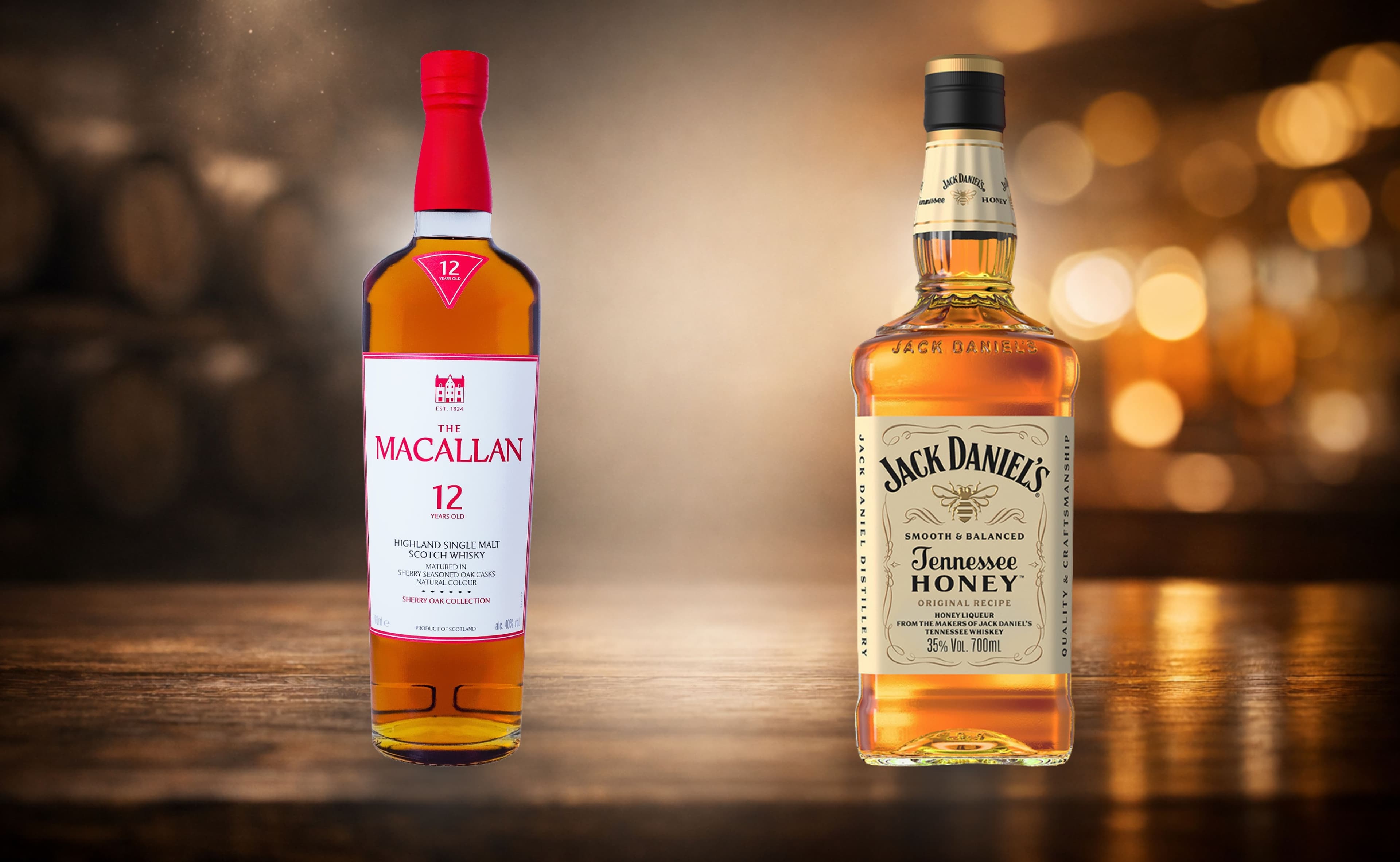
Flavored vs Traditional Whiskey: Choose What Fits Your Taste
Introduction: The Rise of Flavored Whiskey
The whiskey world is witnessing a remarkable shift as flavored whiskey expressions rapidly gain market share and consumer attention. This surge reflects evolving tastes, especially among younger drinkers seeking innovative and approachable profiles. Flavored whiskeys, which captured around 24 percent of total whiskey volume in 2023, are reshaping how enthusiasts and casual drinkers alike perceive and enjoy this classic spirit.
Understanding the distinctions between flavored and traditional whiskies is essential for making informed choices—whether you’re selecting a bottle for neat sipping, cocktail mixing, or expanding your collection. This article explores these differences across production methods, flavour sources, maturation impact, regulatory frameworks, and evaluation criteria to help you navigate the expanding whiskey landscape with confidence.
The global flavored whiskey market’s anticipated growth to nearly $56 billion by 2033 highlights the significance of this trend. It signals a broader shift in consumer preferences and industry strategies that merits close attention from buyers and connoisseurs alike.
Production Techniques: Flavored vs Traditional
The fundamental difference between flavored and traditional whiskeys lies in how their flavour compounds are introduced. This distinction shapes everything from the production process to the sensory experience.
Traditional Whiskey Production
Traditional whiskey is crafted through a meticulous process involving a carefully selected grain bill—typically malted barley, corn, rye, or wheat—combined with fermentation using specific yeast strains. The resulting distillate then undergoes extended maturation in oak casks, which is the cornerstone of its character development.
Oak barrel ageing imparts between 50 and 80 percent of the final flavour profile. Compounds such as vanillin (vanilla notes), cyclotene (caramel and maple nuances), and eugenol (clove spice) gradually leach into the spirit over years—often four to twelve years for bourbons or six to ten for rye. This slow maturation also facilitates oxidative reactions and chemical recombinations that yield complex layers of flavour evolving uniquely in each cask.
This traditional approach emphasises craftsmanship, patience, and natural transformation within the barrel environment.
Flavored Whiskey Production
Flavored whiskeys diverge by introducing additional flavour compounds either during or after distillation through two main methods:
-
Blending with Flavouring Agents: The most common method involves adding pre-made artificial or natural flavourings directly into a finished whiskey base. These engineered additives often include carriers like propylene glycol and stabilisers such as maltodextrin to ensure consistency and smooth integration with the spirit.
-
Infusion or Steeping: Increasingly popular among craft producers, this technique involves steeping natural ingredients—fruits, spices, botanicals—in the whiskey over days or weeks. Essential oils, sugars, and other compounds extract gradually before filtration removes solids. This method offers a more artisanal approach but still results in a distinct flavour profile that differs from traditional maturation.
Examples include Jack Daniel’s Tennessee Honey, which blends Tennessee whiskey with honey liqueur at 35% ABV; Crown Royal’s Regal Apple combining Canadian whisky with apple flavouring; and Fireball’s cinnamon-flavoured Canadian whisky base with added cinnamon liqueur at 33% ABV.
Flavor Sources and Impact on Maturation
The source of flavours and their interaction with maturation processes create one of the most striking contrasts between traditional and flavored whiskeys.
Complexity in Traditional Whiskeys
Traditional whiskeys build their rich complexity primarily through years spent ageing in oak barrels. The wood imparts a spectrum of flavours—vanilla sweetness from lignin breakdown, caramelised notes from toasted sugars, spicy clove hints from oak tannins—that evolve over time.
The maturation process also softens harsh ethanol edges as tannins integrate with water content, while slow oxidation fosters new molecules that interconnect flavours into layered profiles. For example, a well-aged bourbon at 50% ABV will present a velvety mouthfeel balancing sweetness with warmth and subtle bitterness derived from charred wood congeners.
This gradual evolution rewards contemplative tasting where aromas and flavours unfold over time on the palate.
Flavor Profiles in Flavored Whiskeys
Flavored whiskeys typically offer more immediate, linear flavour experiences dominated by their added ingredients rather than barrel-derived complexity. The base whiskey often serves as a neutral vehicle for pronounced front- and mid-palate notes like cinnamon spice or crisp apple.
Their finish tends to be shorter because they lack the extended chemical interplay that develops lingering depth in traditional spirits. For instance, an apple-flavoured whiskey at 35% ABV delivers bright fruitiness upfront but usually misses subtle evolution or length on the finish found in an aged single barrel expression.
This straightforward profile appeals especially to those seeking approachable flavours without the intricacies of long maturation.
Regulatory and Labeling Differences
Regulatory frameworks significantly influence how flavored and traditional whiskies are classified, labelled, and perceived by consumers—a vital consideration often overlooked when purchasing.
In the United States, the Alcohol and Tobacco Tax and Trade Bureau (TTB) mandates strict standards for products labelled as “whiskey” or “whisky.” Traditional whiskies must meet specific production methods and aging requirements without added artificial flavourings or sweeteners to be designated simply as “whiskey.”
When flavourings or sweeteners are introduced—as is common in flavored whiskeys—the product typically requires formula approval by regulators. Labels must disclose additives clearly; for example: “bourbon with apple flavor and caramel colour.” Products labelled merely “whiskey with natural flavors” are permissible but must accurately reflect their composition.
Many mainstream flavored expressions thus occupy a regulatory grey zone: technically classified as blended spirits rather than pure whiskey under classical definitions.
By contrast, Scotch whisky regulations prohibit non-traditional ingredients entirely. Scotch must be aged at least three years in used oak barrels within Scotland; any flavoured variants are marketed as flavoured spirits rather than whisky proper.
This distinction affects not only legal labelling but also consumer expectations regarding authenticity, complexity, and quality.
Evaluation Criteria: Choosing Between Flavored and Traditional Whiskeys
Selecting between flavored and traditional whiskies depends largely on your intended use, palate preferences, and appreciation for complexity versus approachability.
Flavored Whiskey Evaluation
Flavored whiskeys excel for casual enjoyment, social occasions, or cocktails where their lower proof (typically 30–40% ABV) and bold flavours simplify mixing without requiring additional ingredients to balance intensity.
Considerations include:
- Flavor Novelty: Choose based on preferred flavour profiles—cinnamon spice, honey sweetness, apple crispness.
- Consistency: Flavoured products aim to deliver predictable taste across batches.
- Brand Recognition: Popular brands often provide reliable quality assurance.
- Price Point: Generally affordable (USD 20–40 per bottle), making them accessible entry points into whiskey enjoyment.
For example, Fireball’s ubiquitous cinnamon character works perfectly neat as shots or mixed drinks without dilution concerns due to its moderate strength at 33% ABV.
Traditional Whiskey Evaluation
Traditional whiskeys reward deeper exploration where age statements (e.g., 6 Years Bourbon), cask types (new charred oak vs sherry casks), barrel entry proof (often ~62.5% ABV), and provenance play crucial roles in quality assessment.
Key evaluation factors include:
- Complexity & Depth: Look for layered aromas evolving over time.
- Maturation Details: Age statements signal development of subtle flavours.
- Proof & Mouthfeel: Higher proofs (~40–55% ABV) allow water addition to open aromas.
- Collectibility & Investment: Limited editions or rare single barrels offer value beyond drinking pleasure.
- Price Range: From accessible blends (~USD 25–35) to collectible releases exceeding hundreds of dollars per bottle.
Traditional whiskies invite contemplation—sip slowly to appreciate evolving notes from vanilla sweetness to smoky peat or rich caramel finishes.
Market Trends And Future Outlook
The global flavored whiskey market’s projection to reach $55.76 billion by 2033 at a 7.5% CAGR underscores its growing influence on consumer preferences—particularly among millennials drawn to innovative tastes that expand whiskey’s accessibility beyond classic drinkers.
This surge pressures producers to innovate while balancing tradition with novelty. Meanwhile, traditional whiskies maintain their status among enthusiasts valuing heritage craftsmanship, complexity, age statements, and premium collectibility.
The coexistence of these categories suggests a bifurcated market where consumers select based on occasion: casual socialising versus contemplative sipping. Buyers can confidently navigate this landscape by understanding each category’s unique characteristics rather than viewing them as competitors.
Future developments may see further refinement in infusion techniques alongside continued reverence for classic maturation methods—a dynamic that enriches whisky’s broad appeal.
FAQs
What defines a whiskey as "flavored" compared to traditional?
Flavored whiskeys have additional natural or artificial flavor compounds introduced during or after production—either by blending flavourings or infusion—whereas traditional whiskeys derive all character naturally through grain selection, fermentation, distillation, and extended oak barrel maturation without added flavours.
Can I enjoy flavored whiskey neat like traditional whiskey?
Yes! Many flavoured whiskeys are designed for casual neat drinking thanks to their approachable profiles at lower proofs (typically around 30–40% ABV). However, they usually offer more immediate flavours without the complex evolution found in traditionally aged whiskies. For cocktail mixing or shots, they are especially popular choices.
How do regulatory rules impact what I see on whiskey labels?
Regulations require clear disclosure when flavourings or sweeteners are added. In the US market especially, products labelled simply "whiskey" must meet strict aging and production standards without additives; otherwise labels specify "whiskey with natural flavors" or similar wording. Scotch whisky regulations are even stricter—flavoured variants aren’t considered true whisky under official rules.
Where can I find verified listings of both flavored and traditional whiskies?
Spiritory offers a curated marketplace featuring verified listings across both categories—from innovative flavoured bottles perfect for cocktails to premium aged single malts prized by collectors. Explore Spiritory’s collection to discover authentic options tailored to your taste preferences.
What should I consider when building a whisky collection including both types?
Balance your collection by including flavoured whiskies for social occasions or casual enjoyment alongside traditionally aged expressions that showcase craftsmanship and complexity for contemplative tasting or investment purposes. Spiritory provides expert guidance helping you select bottles matching your goals.
Enjoy responsibly. Please drink in moderation. Legal drinking age applies. Not for sale to minors.
About the author

Spiritory Team
Spiritory is a team of dedicated Whisky, Rum and Spirits Enthusiast. Our passion for the product, craftmanship and art of producing the finest spirits in the world will be represented in every article we write on our blog-page. Our goal is to produce content which is interesting to read and for a broad base of consumers, enthusiasts, investors and collectors.