

Reach thousands of whisky and spirits lovers every day.


What Are the Best Whisky Clubs in Germany in 2026?
 by Christopher Deutsch I drink and collect with intention, drawn to the sherried depth of Dalmore and the balance of Yamazaki.
Follow Spiritory on Google News to get our latest guides and releases delivered straight to your feed.
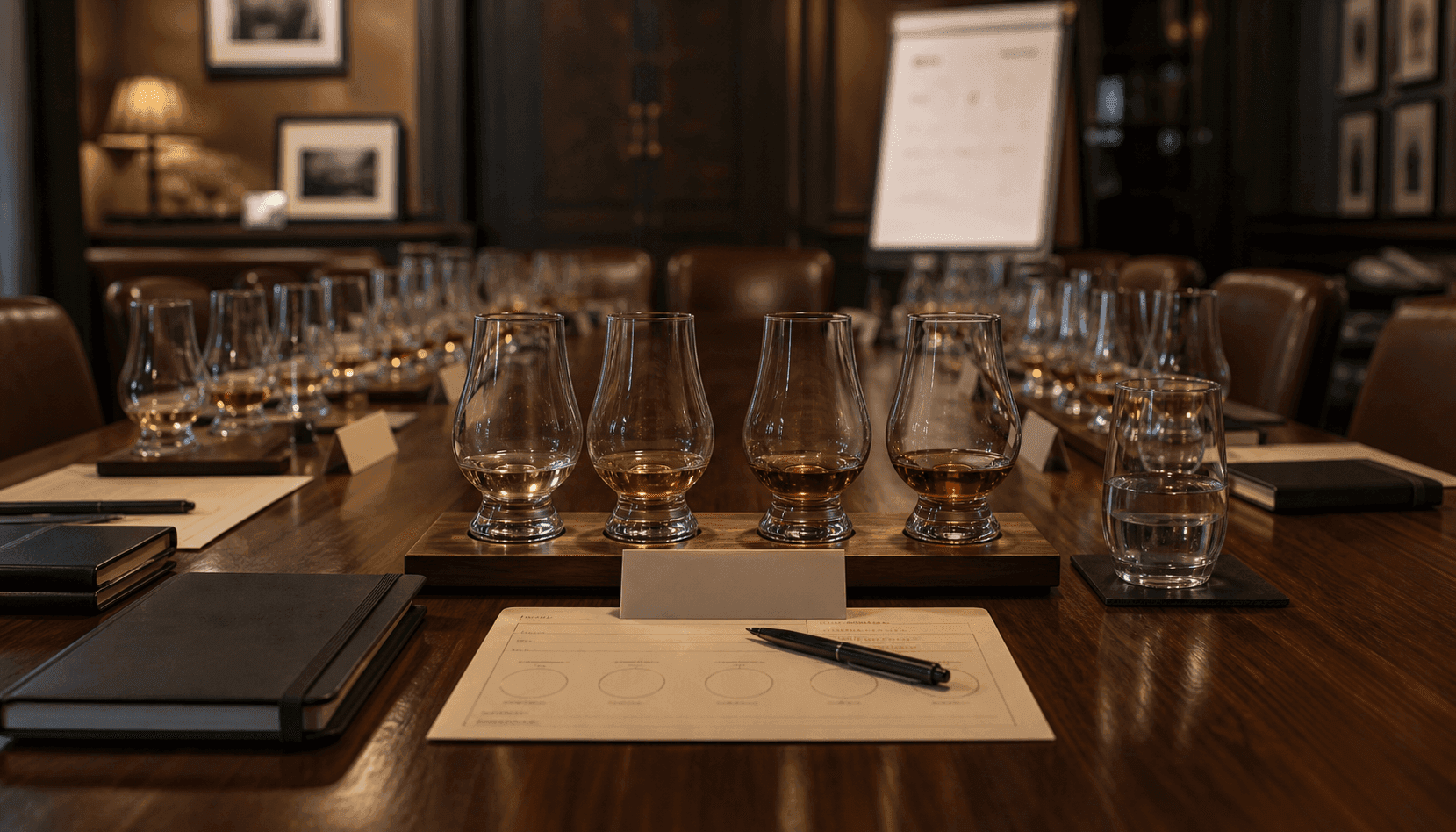
What Are the Best Whisky Clubs in Germany in 2026?
Key Takeaways
Germany's major cities each support active whisky club communities, with Munich and Hamburg historically the strongest hubs for collector-focused membership organisations.
The best clubs offer more than tastings : look for groups with distillery partnerships, allocation access and an active secondary discussion culture around valuation and provenance.
Online communities complement physical clubs and provide access to national conversation regardless of your location within Germany.
Club events focused on German distilleries : SLYRS, Blaue Maus, Spreewood : offer a particular advantage for collectors building a domestic portfolio.
For bottles sourced outside club channels, Spiritory operates as Germany's premier online spirits marketplace and serves as the digital equivalent of a well-curated club selection.
Approach clubs critically : the quality of member expertise and event curation varies significantly, and the investment of time and fees should be weighed against actual access benefits.
What a Good Whisky Club Offers in 2026
The value proposition of a whisky club has evolved. Early German clubs formed primarily as tasting societies : a way to sample a wider range of bottles than any individual could afford alone. In 2026, the best clubs offer a layered membership proposition that includes market intelligence, distillery relationships and peer education as core benefits alongside the tasting events themselves.
Access and allocation
The most practical benefit a serious club offers is access. Clubs with established relationships with German distilleries : and with international importers : can secure allocation of limited releases before they reach public sale. This matters most for expressions produced in small quantities, where individual buyers arriving at retail after announcement frequently find stock already exhausted. Membership in a well-connected club effectively functions as an advance purchase reservation for the releases that attract the most collector interest.
Education and peer learning
Formal tasting events led by distillery representatives or experienced independent presenters remain central to club programming. The best events go beyond standard show-and-tell format : they encourage structured comparative tasting, discussion of production variables and honest debate about quality and value. Members who engage actively with this educational dimension develop the palate calibration and market knowledge that distinguishes informed collectors from casual buyers.
Community and secondary discussion
Much of the real value in club membership flows through the informal channels : the member conversations before and after official events, the private messaging threads discussing emerging bottles, the word-of-mouth alerts when a member's contact at a specialist retailer has incoming allocation. These informal networks are harder to quantify but consistently cited by experienced collectors as the aspect of club membership they value most.
Club Types and Formats
German whisky clubs operate across a spectrum of formality and focus. Understanding the different formats helps you identify which type suits your collecting style and goals.
Formal membership organisations
At the structured end of the spectrum are clubs with paid membership, regular programming calendars and formal governance. These organisations typically offer the most consistent event quality and the most reliable distillery connections, but membership fees can be significant and the social character of events tends toward the more formal. They suit collectors who want predictability and institutional credibility in their club affiliation.
Informal tasting groups
Loosely organised groups of enthusiasts meeting regularly for themed tastings represent the more accessible entry point. These groups often form organically around a shared interest in a specific style : German single malt, Japanese whisky, cask-strength Scotch : and operate with minimal overhead. The trade-off is lower reliability and less distillery access, but the intimacy and flexibility can suit collectors at earlier stages of their journey.
Retail-affiliated programmes
Specialist whisky retailers in Germany's major cities frequently operate customer loyalty or tasting club programmes that offer event access and preferential allocation to regular buyers. These programmes blur the line between retail relationship and genuine club membership, but for collectors whose primary interest is acquisition rather than community, the practical benefits can be substantial.
Tip: Before committing to a paid club membership, attend at least one guest event or open evening. The quality of member expertise and presentation standard varies enormously between clubs, and a single visit will tell you more about whether the community fits your collecting approach than any written programme description.
German Distillery Focus Clubs
A subset of Germany's whisky clubs has developed a particular focus on the domestic category : organising visits to German distilleries, hosting comparative tastings of German expressions against Scottish or Japanese equivalents, and actively supporting the development of the local industry through purchasing and advocacy.
The case for domestic focus
For collectors interested in building a German whisky portfolio, a club with strong domestic focus offers practical advantages. Distillery relationships developed through club programming translate into early notice of new releases, access to distillery-exclusive expressions and the opportunity to purchase direct at recommended retail price before secondary market premiums apply. Clubs that have hosted events at SLYRS, Blaue Maus or Spreewood have developed exactly this kind of embedded relationship.
Cross-border comparison events
The most intellectually stimulating club events in Germany are often those that position domestic expressions alongside established international benchmarks. A tasting that places SLYRS against a comparable Speyside single malt, or Spreewood's rye against an American reference, gives members a calibrated understanding of where German whisky stands in the global conversation : and where it has genuine competitive distinction.
Online Communities and Digital Clubs
Germany's whisky online community has expanded significantly, particularly in the years following the pandemic, when digital tasting events demonstrated that meaningful whisky education and community could survive without physical gatherings. In 2026, online communities complement rather than replace physical clubs, but for collectors in cities without strong local whisky infrastructure, they can function as a primary community resource.
Forums and social groups
Established whisky forums with active German-language communities offer ongoing discussion of new releases, distillery news and market valuations. The quality of information available through these channels depends heavily on the expertise of active contributors, which in the best communities includes collectors with decades of experience and direct industry connections.
Virtual tasting events
A number of clubs now offer hybrid membership with access to both physical events and digitally delivered tasting packs shipped to member addresses ahead of scheduled online sessions. This format works well for members in smaller cities or those whose schedules prevent reliable attendance at fixed venue events. The social dimension is reduced but the educational value of a well-run virtual tasting can rival its physical equivalent.
Tip: Online communities are particularly useful for price discovery and bottle valuation. Before buying or selling at secondary prices, checking recent transaction discussions in active forums gives a reliable sense of current market consensus that official auction results can lag by weeks or months.
How to Evaluate a Club Before Joining
Not all whisky clubs offer equivalent value, and the investment of membership fees and time commitment justifies a careful evaluation before joining.
Programme transparency
A credible club should be able to share a history of past events, including the bottles tasted and presenters involved. This track record tells you whether the programming has genuine depth or leans toward accessible introductory content that will not challenge an experienced palate.
Distillery relationships
Ask prospective clubs directly about their distillery access and allocation arrangements. Clubs that can demonstrate actual examples of member allocation : specific releases, specific quantities : are providing evidence of a genuine relationship rather than a marketing claim.
Membership composition
The expertise level of fellow members shapes your experience significantly. A club populated primarily by enthusiastic beginners offers a different experience from one whose membership includes buyers with substantial collections and direct producer relationships. Attend a guest event to make your own assessment before committing annual fees.
FAQ
Do I need to be an expert to join a German whisky club?
No. Most German whisky clubs welcome members at all experience levels, and the best ones are specifically designed to develop collector knowledge over time. Being honest about your experience level when enquiring about membership helps the club place you in the right events and introductory sessions.
How much do German whisky club memberships typically cost?
Fees vary significantly by format. Informal tasting groups may charge only event-by-event contributions, while formal organisations with distillery programmes and annual events can charge several hundred euros per year. Weigh the fee against the realistic value of events attended and any allocation access the club provides.
Can I find club-level whisky access through online platforms?
For bottle acquisition, yes. Spiritory offers a curated selection of German and international whisky with collector-focused curation, functioning as an always-open marketplace alternative to waiting for club allocation events.
Which German cities have the most active whisky club scenes?
Munich and Hamburg have historically supported the most mature club communities, reflecting high concentrations of collectors with disposable income and access to specialist retail. Berlin's scene has grown rapidly in recent years, and Frankfurt's financial community has sustained a long-running interest in premium spirits that translates into active club membership.
About the author

Christopher Deutsch
I drink and collect with intention, drawn to the sherried depth of Dalmore and the balance of Yamazaki.
To the author