

Reach thousands of whisky and spirits lovers every day.


12.01.2026

The Whisky Glossary: What Are the Whisky Terms Every Beginner Must Know?

The Whisky Glossary: What Are the Whisky Terms Every Beginner Must Know?
Are you ready to dive into the world of whisky? You can boost your confidence and enjoy every sip when you know the key terms from the whisky glossary. Understanding these words helps you make smart choices and join conversations with ease. You will find that learning about whisky is simple and fun. Curiosity leads you to new flavors and experiences.
Tip: Start with the basics. You will discover that every term brings you closer to enjoying whisky like a pro.
Key Takeaways
Learn important whisky words to help you enjoy whisky more and feel sure when tasting. Try single malt and blended whisky to find new tastes and styles. Know why aging and cask types matter for whisky’s flavor. Taste whisky and notice smells and flavors to like it more. Keep learning and ask questions to grow your whisky knowledge and experience.
Whisky Glossary Basics
Single Malt
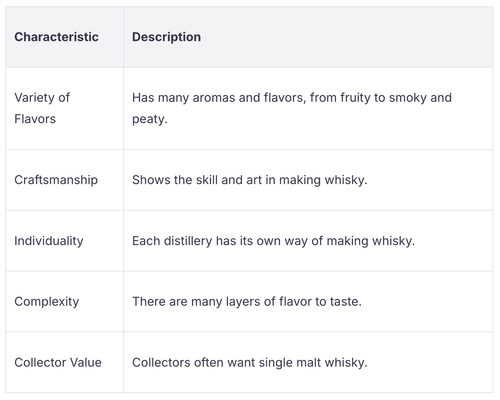
Single malt whisky is a common term in the whisky glossary. It comes from one distillery. Only malted barley is used to make it. Distillers use copper pot stills for this whisky. They age it for at least three years in oak barrels. Single malt whisky has many flavors. Some taste fruity, while others taste smoky. Every distillery makes its own style. Each bottle gives you a new experience. Beginners think single malt whisky is important. It shows how skilled whisky makers are. You can try whisky from different regions. This helps you find new tastes.
Tip: Try bottles like Glenfiddich 12 Years Old, Ardbeg 10 Years Old, Macallan 18 Years Old Sherry Oak, or Lagavulin 16 Years Old to start your journey.
Here is a table to help you see why single malt whisky matters:
Blended Whisky
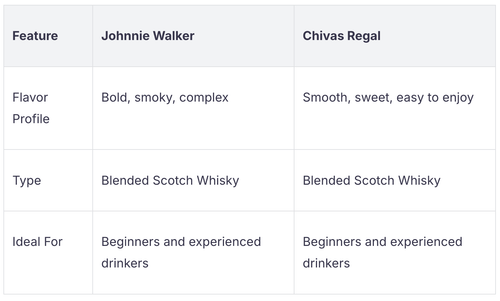
Blended whisky mixes different kinds of whisky. It often combines single malt whisky and grain whisky. Makers blend whiskies from many distilleries. This creates a smooth and balanced drink. Blended whisky is easy to enjoy. It is the most popular style in the whisky glossary. Beginners like blended whisky. It gives a gentle start to whisky flavors.
Here is a table with two famous blended whisky brands:
Grain Whisky
Grain whisky uses grains like corn, wheat, or rye. It does not use only malted barley. Distillers use grain whisky in blended whisky. It adds lightness and smoothness. Grain whisky helps balance flavors in many bottles. Some brands make grain whisky by itself. You can try it for a different taste.
Grain whisky is a main part of blended whisky. You will see it in many shops and bars.
Vatted Malts
Vatted malts are also called blended malts. They mix single malt whiskies from different distilleries. Makers do not add grain whisky to vatted malts. You may see this term in old whisky books. Today, people say "blended malt" more often. Vatted malts let you taste the best parts of many single malt whiskies in one bottle.
Scotch
Scotch is a well-known word in the whisky glossary. Scotch whisky must be made and aged in Scotland. Makers use oak casks no bigger than 700 liters. They age the spirit for at least three years. The alcohol content must be at least 40% ABV. Scotch can use malted barley or other grains. It must follow strict rules.
Note: If you see "Scotch" on a bottle, it meets these standards and comes from Scotland.
Peated
Peated whisky is known for its smoky flavor. Makers use peat, a kind of earth, when making the whisky. Burning peat gives peated whisky its smoky taste. You might taste campfire, earth, spice, or char. Different whisky regions use different peat. You can taste sweet smoke or spicy, sea flavors.
Scotland, especially Islay, is famous for peated whisky. Brands like Laphroaig, Ardbeg, and Lagavulin make very smoky bottles.
Tip: If you want to try peated whisky, start with an Islay single malt whisky for a bold experience.
Production & Aging Terms
Mash
Mash is the first step to make whisky. You mix ground grains with hot water in a big container called a mash tun. Enzymes start working and change starch into sugar, mostly maltose. The sweet liquid is called wort. You drain and collect it. You use hotter water again to get more sugar. The grain you pick changes the taste. Malt whisky uses malted barley. Irish whiskey uses both malted and unmalted barley. American bourbon uses at least 51% corn. Rye whisky uses at least 51% rye. Grain whisky can use any grain.
You stir the mash so sugar mixes in.
Wort is used for fermentation.
The grain you choose changes the taste.
Malting
Malting is an important step to make whisky. You soak barley in water until it gets wet. The barley starts to grow and makes maltose, which is a sugar. You stop the growing by drying the barley. In Scotland, people use peat smoke to dry it. This gives Scotch whisky a smoky taste. Other whiskies use different ways to dry barley. This changes how the whisky tastes.
Put barley in water.
Let barley grow to make sugar.
Dry barley, sometimes with peat smoke.
Tip: How you malt and dry barley changes the whisky’s flavor.
Fermentation
Fermentation happens when you add yeast to wort. Yeast eats the sugar and makes alcohol. This step takes about two or three days. Yeast also makes smells and flavors. The yeast type and time change how the whisky tastes. It can be fruity or complex. The result is called wash. Wash has about 6-8% alcohol. You use wash for the next step.
Yeast type changes flavor and character.
Longer fermentation gives more fruity flavors.
Wash is ready for distillation.
Distillation
Distillation separates alcohol from water and other things in wash. You heat the wash in a still. Vapors go up and move to a condenser. The first time makes low wines. The second time makes the spirit better. You keep the heart, which tastes best. How many times you distill changes taste and purity. Most Scotch whisky is distilled two times. Irish whiskey is distilled three times.
Note: Careful distillation makes whisky pure and tasty.
Cask
Casks are important for aging whisky. You put whisky in oak barrels. The wood gives flavors like vanilla, caramel, and spice. New barrels give strong flavors. Used barrels make whisky deeper and more complex. Small barrels age whisky faster. The weather also changes how whisky ages. Cold places slow down aging. Warm places make whisky age faster and taste stronger.
Oak is the most used wood for casks.
How long whisky ages changes its taste.
Weather affects how whisky matures.
Age Statement
An age statement shows how long whisky stayed in a cask. You see this on bottles like Jack Daniels 10 Years Old Tennessee Whiskey. The age statement shows tradition and quality. People who collect whisky look for older bottles. Older whisky often tastes richer. The youngest whisky in the bottle sets the age statement.
Tip: An age statement helps you pick whisky that fits your taste.
Angels' Share
Angels' share means whisky lost while aging. Some whisky disappears from the cask every year. In Scotland, about 2% is lost each year. In hot places, up to 12% can be lost. The climate changes what is lost. Dry places lose more alcohol. Cold, wet places lose more water. This changes the taste and strength of whisky.
Angels' share changes how much whisky is left and how it tastes.
Warm places like India or Australia lose more whisky.
Kentucky loses about 4% each year because of hot summers.
Note: Angels' share is normal in whisky aging and makes each bottle special.
Tasting & Serving Whisky
Nose
You use your nose to smell whisky before you taste it. The nose helps you find different aromas like fruit, spice, or smoke. You can swirl the glass and take a gentle sniff. This step makes whisky tasting more fun and helps you notice new flavors.
Tip: Try to name three scents you find in your glass. You might smell vanilla, apple, or even chocolate.
Finish
Finish means the taste that stays in your mouth after you swallow whisky. Some finishes last a long time, while others fade quickly. You can notice sweet, spicy, or smoky notes in the finish. A long finish often shows a high-quality whisky.
Balance
Balance shows how well the flavors in whisky work together. You want sweetness, spice, and smoke to blend smoothly. If one flavor is too strong, the whisky feels unbalanced. Balanced whisky gives you a pleasant experience.
Note: When you try whisky tasting, look for harmony between flavors.
Dram
A dram is a small serving of whisky. People often pour about one ounce into a glass. You can order a dram at a bar or enjoy one at home. The word "dram" makes you sound like a whisky fan.
Neat
You drink whisky neat when you pour it straight into a glass without ice or water. Neat lets you taste the true flavors. Many experts suggest you try whisky neat first.
Water Back
Water back means you get a glass of water with your whisky. You can sip water between tastes or add a few drops to your glass. Water can open up new flavors and soften strong alcohol notes.
Ask for water back at a bar if you want to explore more flavors.
Add water slowly and taste after each drop.
Tasting Notes
Tasting notes describe what you smell, taste, and feel when you drink whisky. You can write down flavors like caramel, pepper, or oak. Sharing tasting notes helps you remember your favorites and join whisky conversations.
Tip: Keep a notebook for your whisky tasting notes. You will learn more with each dram.
You now know the main whisky words to help you learn. This glossary lets you pick bottles and talk with others. You can enjoy whisky more and feel sure of yourself. You learn new things and try new tastes.
Remember: Learning each word helps you have more fun and feel good with friends.
Try different whiskies.
Write down what you taste.
Ask questions and keep learning.
Enjoy your whisky journey! 🥃
FAQ
What is the difference between whisky and whiskey?
You see two spellings: whisky and whiskey. People in Scotland, Canada, and Japan use "whisky." People in Ireland and the United States use "whiskey." Both words describe the same type of spirit. The spelling depends on where the drink comes from.
How should you store whiskey at home?
You should keep whiskey bottles upright. Store them in a cool, dark place. Avoid direct sunlight and heat. This helps preserve the flavor. You do not need to refrigerate whiskey. Always close the bottle tightly after each pour.
Can you add ice or water to whiskey?
You can add ice or water to whiskey. Water can open up new flavors. Ice cools the drink and softens strong notes. Try both ways to see what you like best. Many whiskey fans enjoy tasting whiskey neat first.
How do you become a whisky connoisseur?
You taste many types of whiskey. You read about whiskey history and production. You join tastings and talk with other fans. You keep notes on each bottle. Over time, you learn to spot flavors and styles. You build your knowledge and confidence.
Tip: Try scotch whisky to explore classic flavors and deepen your whiskey experience.
About the author

Spiritory Team
Spiritory is a team of dedicated Whisky, Rum and Spirits Enthusiast. Our passion for the product, craftmanship and art of producing the finest spirits in the world will be represented in every article we write on our blog-page. Our goal is to produce content which is interesting to read and for a broad base of consumers, enthusiasts, investors and collectors.