

Reach thousands of whisky and spirits lovers every day.


07.01.2026

How European Whisky is divided? Scotch, Irish and Continental Styles
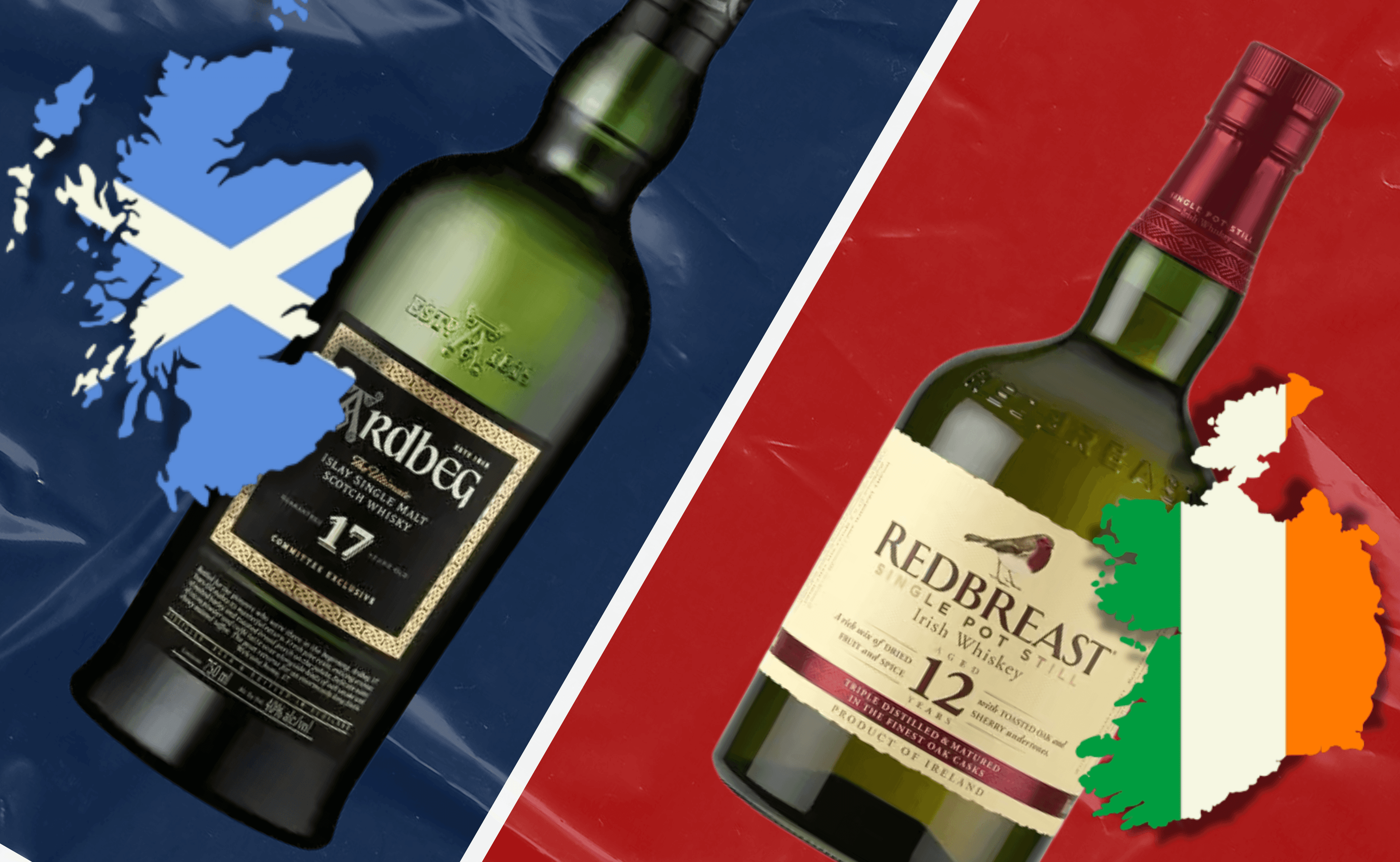
How European Whisky is divided? Scotch, Irish and Continental Styles
- The Current Landscape of the European Whisky Market
- Understanding Scotch Whisky: Production and Profile
- Exploring Irish Whiskey: Flexibility and Flavor
- Continental European Whiskies: Innovation and Diversity
- Practical Framework for Buyers: Making Informed Choices
- Tasting Cues: Enhancing the Whisky Experience
- Market Trends And Future Outlook
- FAQs
The Current Landscape of the European Whisky Market
Europe's whisky market is currently experiencing a phase of steady maturation, with consumption forecast to grow modestly at a 0.5% compound annual growth rate through 2035. This projected increase will bring total whisky consumption in Europe to around 592 million litres, reflecting a stable but diverse market environment. The United Kingdom continues to hold its position as the world’s largest producer and exporter of whisky, shipping approximately 1.4 billion bottles globally in 2024, valued at £5.4 billion. Meanwhile, France and the UK lead as the primary consumers within Europe.
This steady growth outlook underscores the importance for buyers and enthusiasts to understand the distinct whisky styles emerging across the continent. Navigating this mature market requires a clear framework to distinguish between Scotch, Irish, and continental European whiskies—each shaped by unique production methods, flavour profiles, and bottling conventions. Such knowledge helps buyers make informed choices, whether for personal enjoyment, collection building, or gifting.
Understanding Scotch Whisky: Production and Profile
Production Regulations
Scotch whisky is governed by the stringent Scotch Whisky Regulations 2009, which define its production with legal precision. To be labelled Scotch, the spirit must be distilled and matured entirely in Scotland in oak casks no larger than 700 litres for a minimum of three years. The distillation strength cannot exceed 94.8% ABV, and bottling strength must be no less than 40% ABV. These regulations ensure consistency and preserve traditional craftsmanship.
Single malt Scotch whisky, representing about 10% of total Scotch production, must be made exclusively from malted barley at a single distillery using pot still batch distillation. These strict requirements create a framework that shapes the flavour profile and ensures authenticity across all Scotch whiskies.
Flavor Profiles
The flavour of Scotch whisky is deeply influenced by regional variations and production choices. Malted barley is traditionally dried over peat fires, imparting phenols—smoke compounds measured in parts per million (ppm)—that contribute to the whisky’s characteristic smokiness.
Speyside malts typically have low peat levels (1-3 ppm), offering fruity, honeyed, and refined notes that appeal to many drinkers. Highland malts range from unpeated to lightly smoky (12-15 ppm), with flavours evoking heather, honey, and subtle earthiness. Islay malts are renowned for their bold peatiness (40-55 ppm), delivering medicinal, maritime aromas reminiscent of seaweed, iodine, ash, and intense smoke.
Cask influence also plays a pivotal role: ex-bourbon barrels lend vanilla, caramel, honey, and gentle spice; sherry casks add rich dried fruit, toffee, and tannic complexity. This interplay between terroir, peat level, and cask type creates Scotch’s rich sensory tapestry.
Exploring Irish Whiskey: Flexibility and Flavor
Production Mandates
Irish whiskey operates under broader legal mandates than Scotch, allowing greater stylistic flexibility while still requiring a minimum three-year maturation in casks no larger than 700 litres and bottling at no less than 40% ABV. Unlike Scotch’s exclusive use of malted barley for single malts, Irish law permits both malted and unmalted barley.
Distillation methods include pot stills or column stills; fermentation can occur off the grain. This flexibility has given rise to three main categories: single malt; single pot still (unique to Ireland), which uses a mix of malted and unmalted barley distilled in pot stills; and blended whiskies combining malt, grain, and pot still spirits.
This regulatory openness fosters diverse styles while maintaining quality standards through maturation requirements.
Taste Characteristics
Irish whiskey is traditionally unpeated due to historical reliance on wood rather than peat for fuel during malting. It emphasises natural malt character combined with spice from unmalted barley and triple distillation smoothness.
Single pot still whiskey stands out with its creamy texture and peppery spice derived from unmalted barley’s tannins and oily compounds surviving distillation. Iconic examples like Redbreast 12 Years Old or Green Spot showcase layered fruit notes such as dried apricot and fig alongside cinnamon, clove, nutmeg spices—and a waxy mouthfeel absent in most Scotch whiskies.
Irish blends tend toward smoothness with citrus, honey, vanilla sweetness balanced by subtle green apple or cereal notes. This approachability makes Irish whiskey an excellent entry point for many enthusiasts.
Continental European Whiskies: Innovation and Diversity
Regulatory Landscape
Continental European whiskies exist outside the protected designations governing Scotch or Irish styles. They are subject only to EU spirits regulations alongside national alcohol laws—meaning far fewer constraints on production methods or ingredient sourcing.
This regulatory freedom allows distillers across France, Germany, Denmark, Scandinavia, and beyond to experiment creatively with local grains like rye or barley; unconventional cask finishes such as ex-rum or ex-cognac barrels; and varying maturation periods—though most honour a three-year minimum as a quality benchmark.
Such minimal regulation fosters innovation rather than tradition-bound replication.
Flavor Innovations
The flavour profiles of continental whiskies vary widely due to this experimental latitude. Scandinavian distilleries often produce rye whiskies with peppery dryness reminiscent of American rye but influenced by Nordic water quality and climate conditions.
German producers might use local barley with shorter fermentations combined with alternative cask seasonings yielding lighter fruit-forward expressions than comparable Scottish malts.
French distilleries may finish their whiskies in ex-Armagnac casks; Danish makers might use ex-Amaretto barrels—each imparting unique sensory signatures that challenge conventional whisky categories.
These novel profiles offer adventurous drinkers distinctive tastes beyond traditional Scotch or Irish boundaries.
Practical Framework for Buyers: Making Informed Choices
Choosing the Right Whisky
Selecting whisky becomes more rewarding when guided by knowledge of style distinctions aligned with personal taste preferences and experience level:
- Beginners often prefer approachable Irish whiskies known for smoothness and fruit-forward sweetness without smoke or aggressive wood tannins—examples include Jameson Irish Whiskey at 40% ABV or Bushmills 10 Years Old.
- Intermediate buyers seeking complexity without overwhelming peat might explore Highland or Speyside single malts such as Glenfiddich 12 Years Old matured in ex-bourbon and sherry casks.
- Experienced palates drawn to bold spice and earthiness gravitate toward peated Islay malts like Lagavulin 16 Years Old.
- Explorers interested in novelty can turn to continental European whiskies offering unique flavours at moderate prices—often £40–80—making them excellent conversation pieces.
This framework helps transform brand confusion into confident purchasing decisions.
Gift Recommendations
When selecting whisky gifts:
- For newcomers: smooth blended Scotches or Irish whiskies provide an accessible introduction.
- For enthusiasts: single malts from regions they favour demonstrate thoughtful consideration.
- For collectors: limited editions or older vintages from sought-after distilleries offer prestige.
- For adventurous recipients: continental European expressions deliver novelty with intriguing stories behind their craft.
Tailoring gifts according to recipient preferences ensures memorable experiences that resonate beyond the bottle.
Tasting Cues: Enhancing the Whisky Experience
Nosing and Tasting Techniques
Developing tasting skills enriches appreciation across whisky styles:
- Scotch single malts often reveal fruit (apple, pear) in unpeated styles; dried fruit in sherried examples; plus wood notes like vanilla from bourbon casks or rich spice from sherry casks. Peated Scotches add smoke and earth aromas.
- Irish whiskey typically emphasises citrus zest, honey sweetness, vanilla warmth plus green apple or cereal nuances; pot still variants introduce black pepper and licorice spice.
- Continental whiskies vary greatly but often feature fruity esters from shorter fermentations or unusual yeasts alongside distinctive wood influences from experimental casks.
Approach nosing gently—swirl lightly then inhale deeply—to uncover layers before tasting.
Understanding Finish And Texture
Texture is as important as flavour:
- Unpeated Scotches feel light and crisp.
- Sherried Scotches coat the palate with oily richness.
- Irish pot still whiskies offer creamy textures that cling pleasantly.
- Continental expressions may be cleaner or more robust depending on ABV and maturation style.
Finish—the lingering sensation after swallowing—confirms category identity: peated Scotches leave smoky ash; sherried ones warm with dried fruit; Irish whiskies close smoothly with peppery tails; continental finishes can surprise with unpredictable complexity.
These cues guide deeper engagement beyond initial impressions.
Market Trends And Future Outlook
The modest growth forecast for Europe’s whisky market highlights a stable environment where quality differentiation matters more than volume expansion. This stability supports continued investment in production innovation across regions while maintaining strong demand in key markets like the UK and France.
For buyers and investors alike, understanding the nuanced distinctions between Scotch’s regulated craftsmanship; Irish whiskey’s flexible tradition; and continental Europe’s creative experimentation offers strategic insight into evolving consumer preferences.
As interest grows steadily rather than explosively—as reflected in the +0.5% CAGR outlook—whisky enthusiasts can expect increasingly diverse offerings alongside classic favourites. This balance invites exploration without sacrificing reliability in choice.
Please drink responsibly.
FAQs
What are the main differences between Scotch whisky and Irish whiskey?
Scotch whisky is strictly regulated by law—it must be distilled and matured entirely in Scotland using malted barley (for single malts), typically aged in oak casks for at least three years. It often features smoky notes due to peat drying practices. Irish whiskey enjoys broader production flexibility including malted/unmalted barley blends, triple distillation for smoothness, and less emphasis on peat smoke resulting in fruitier, creamier profiles.
How can I identify continental European whiskies when shopping?
Continental European whiskies are less bound by traditional rules compared to Scotch or Irish styles. Look for innovative expressions featuring local grains like rye or unusual cask finishes such as ex-rum or cognac barrels. Their flavour profiles often differ markedly—expect peppery dryness from Scandinavian ryes or fruity lightness from German barley-based spirits.
Which type of whisky is best suited for gifting newcomers?
For those new to whisky tasting, smooth blended Scotches or approachable Irish whiskies such as Jameson provide excellent entry points due to their balanced sweetness and mild flavours. Spiritory offers verified listings that make selecting these reliable favourites easy for gift-givers seeking confidence in choice.
How does cask type influence flavour across these whisky styles?
Cask type significantly shapes final character: ex-bourbon barrels impart vanilla caramel sweetness common across Scotch and Irish whiskies; sherry casks add rich dried fruits and tannins found especially in Scottish expressions; continental producers experiment widely—from wine finishes to exotic liqueur barrels—creating distinctive tastes not typically found elsewhere.
Where can I find rare or limited edition releases from these regions?
Spiritory specialises in curated collections including rare Scotch single malts aged beyond standard statements as well as sought-after Irish pot still bottlings. For collectors seeking continental European novelties or investment-grade bottles reflecting market trends highlighted above, Spiritory provides trusted access alongside expert guidance.
Explore this diverse world of whiskies on Spiritory — whether you’re expanding your collection or discovering your next favourite dram! Enjoy responsibly.
- The Current Landscape of the European Whisky Market
- Understanding Scotch Whisky: Production and Profile
- Exploring Irish Whiskey: Flexibility and Flavor
- Continental European Whiskies: Innovation and Diversity
- Practical Framework for Buyers: Making Informed Choices
- Tasting Cues: Enhancing the Whisky Experience
- Market Trends And Future Outlook
- FAQs
About the author

Max Rink
I'm a whisky enthusiast and a writer in the making. I enjoy exploring new flavors, learning about the history behind each bottle, and sharing what I discover along the way. This blog is my space to grow, connect, and raise a glass with others who love whisky as much as I do.
To the author