

Reach thousands of whisky and spirits lovers every day.


25.03.2026

Origins of Distilleries and Early Whisky - From "Uisge Beatha" to Legendary Distilleries
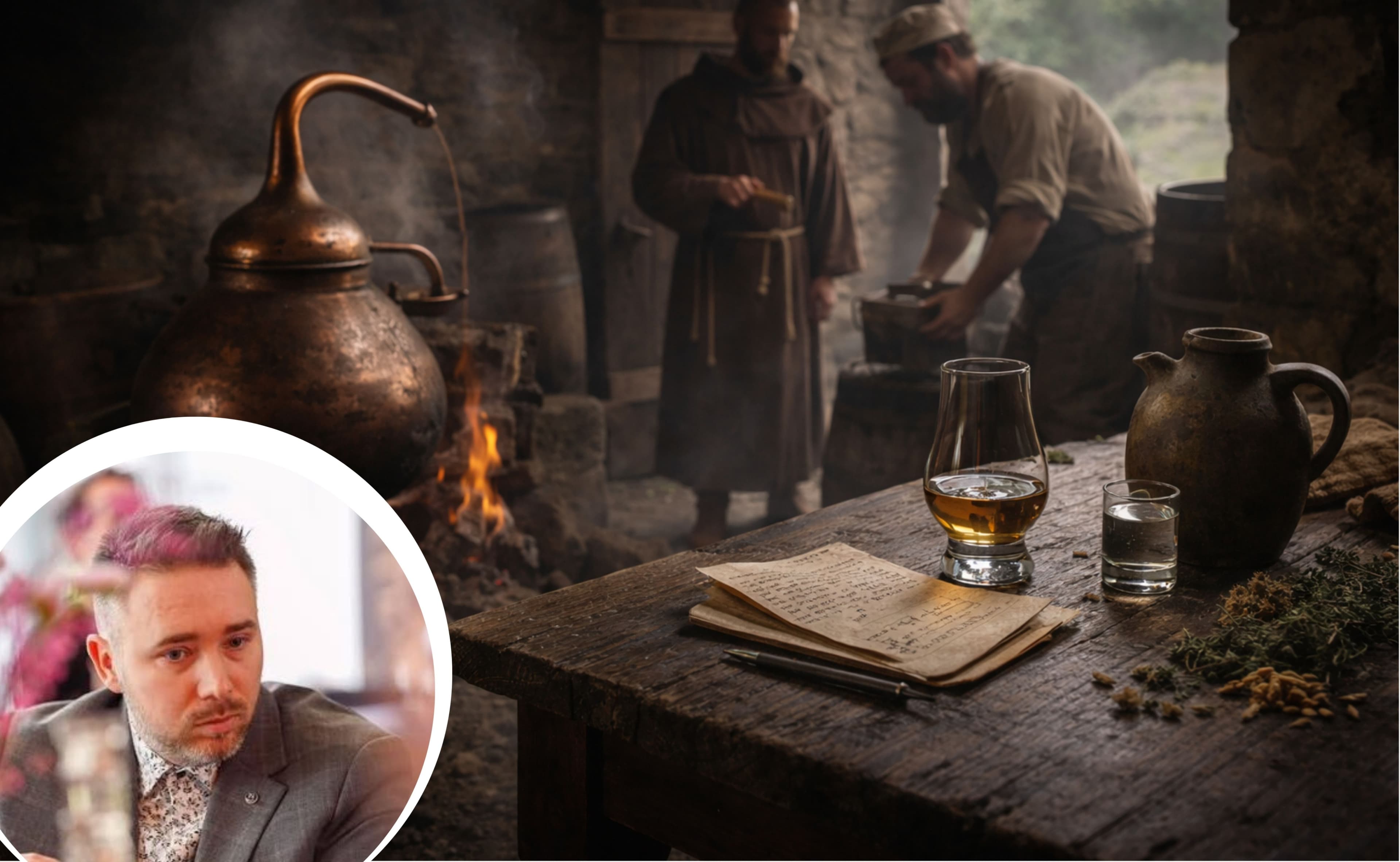
Origins of Distilleries and Early Whisky - From "Uisge Beatha" to Legendary Distilleries
1 “Uisge Beatha” – Water of Life in the Hands of Monks and Farmers
The earliest mentions of Scottish whisky date back to the 15th century, although distillation likely existed in Scotland earlier, brought by monks from Ireland or continental Europe.
- The term “uisge beatha” literally means “water of life,” highlighting that whisky was seen not only as alcohol but also as medicine and a ritual substance.
- The first records appear in monastic and church documents, noting the production of spirits for the local community.
Fun fact: Initially, whisky was primarily used for medicinal purposes — to treat colds, stomach aches, and even as an additive to remedies.
2 Illegal Distillation and the First Licensed Distilleries
In the 16th–17th centuries, alcohol production in Scotland was often illegal, and small home stills appeared on many larger farms.
- 1608: The first royal license for legal distillation appears in historical documents — Littlemill in the Lowlands is considered Scotland’s oldest distillery (though it later closed).
- 18th century: Excise taxes were introduced on whisky, forcing many producers to legalize their operations. This marked the beginning of distilleries evolving into professional enterprises rather than domestic crafts.
3 Early Distilleries and Their Character
Early distilleries often relied on local resources:
- Spring water – clean, soft water was essential for quality spirits.
- Barley malt – usually grown on-site.
- Oak casks – used for storage, sometimes repurposed from wine or sherry, which imparted initial flavor to the whisky.
Examples of legendary distilleries that began in this period:
- Glenlivet (1824) – formal licensing, although distillation existed earlier
- Macallan (1824) – first official record, likely preceded by earlier production
- Glenfarclas (1806) – the Grant family continues production; history stretches back even further
Fun fact: Many early distilleries still used small copper alembics, much like medieval monks — a method that continues to influence the character of today’s single malts.
4 How Flavors and Styles Evolved
Early distillery whiskies were stronger and more earthy than today, and flavors often varied significantly even within the same village.
- Lowlands: lighter, milder whisky, ideal for blending
- Highlands: fuller-bodied, sometimes peaty, depending on local fuel and water
- Islay: early use of peat to dry malt gave a smoky, earthy character — later a defining trait of the region
5 Summary
The first distilleries were a mix of tradition, accidental discovery, and practical necessity. Thanks to them:
- Whisky evolved from a medicinal tonic to a cultural product
- The first regional styles emerged — Lowlands, Highlands, Islay
- Copper alembics and oak casks began to impart character and depth to the spirits
Every sip of modern single malt is the result of hundreds of years of history, artisanal experience, and the influence of local resources. Understanding the origins of distilleries allows us to appreciate not just the taste, but the story behind every dram.
About the author
Damian Baran
Hooked since a Talisker 10 in 2021, I've tasted over 800 whiskies and love Islay peat and independent bottlings.
To the author