

Reach thousands of whisky and spirits lovers every day.


09.04.2026

What Is the Difference Between Age Statement and NAS Whisky in Jack Daniel’s Aged Series?
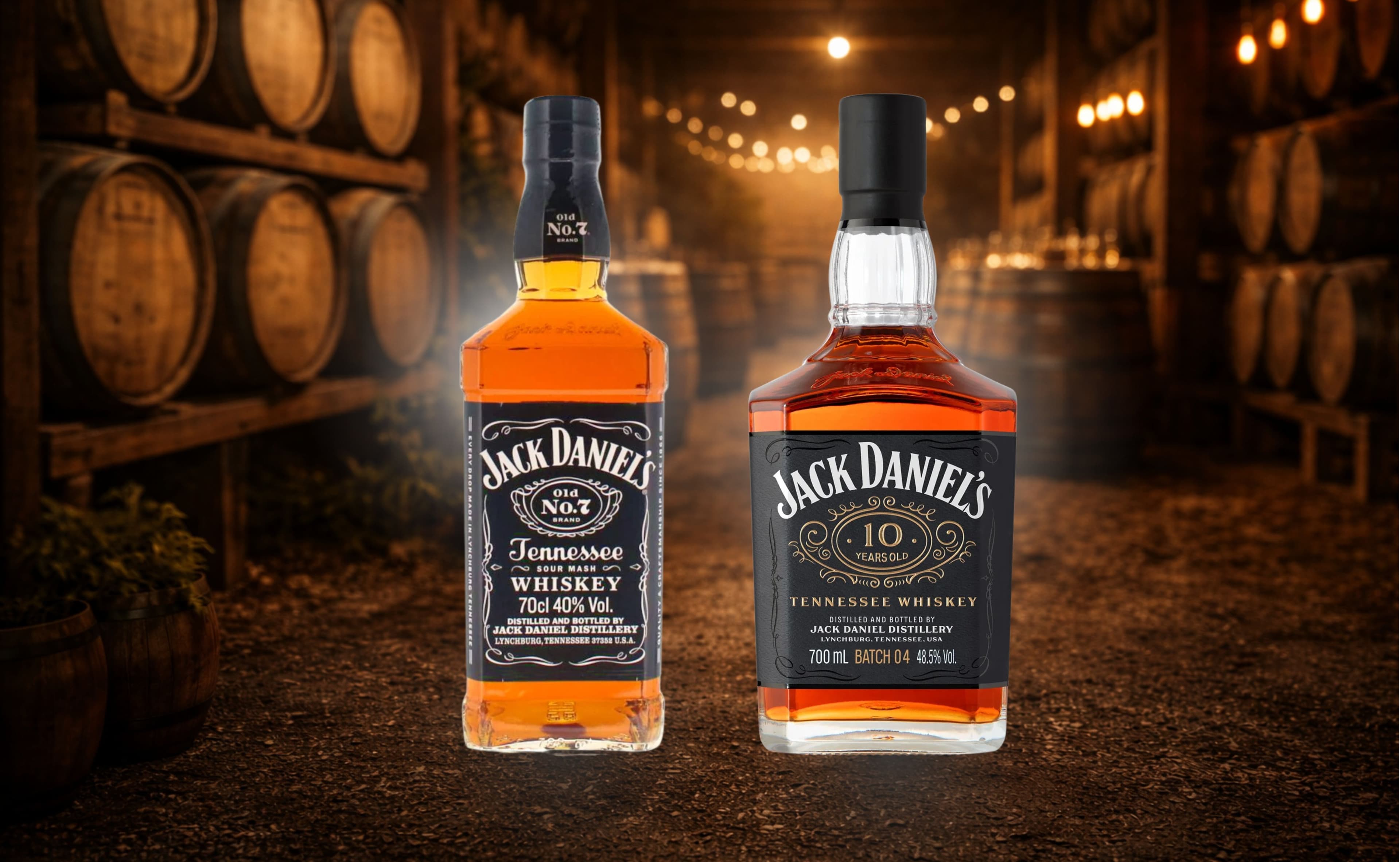
What Is the Difference Between Age Statement and NAS Whisky in Jack Daniel’s Aged Series?
The Current Landscape of Whisky: Age Statements and NAS
The whisky world is witnessing a fascinating shift as major brands like Jack Daniel's embrace aged expressions with explicit age statements, exemplified by their recent launch of the Aged Series Batch 2 featuring 10-, 12-, and 14-year Tennessee whiskeys. This move signals a broader industry pivot towards transparency and premium positioning, catering to collectors and enthusiasts who seek clear markers of maturation and scarcity.
At the same time, no-age-statement (NAS) whiskies continue to flourish, offering producers creative freedom to blend and finish spirits without being constrained by the youngest whisky in the bottle. This dual trend highlights an ongoing tension in the market: whether age statements truly guarantee quality or if NAS releases can deliver equal or superior complexity through innovative craftsmanship.
Understanding this evolving landscape is crucial for intermediate buyers navigating a crowded category. The Jack Daniel's Aged Series launch provides a timely context to explore how age statements compare with NAS whiskies in terms of quality, value, and collecting potential.
Understanding Age Statements
Age statements on whisky bottles serve as transparent indicators of maturation but come with specific legal definitions and implications for flavour and quality. They represent the youngest whisky in a blend, setting a minimum age floor rather than an upper limit.
Legal Definitions and Aging Requirements
Whisky regulations vary by region but share common principles regarding age statements. Scotch whisky mandates that any expression bearing an age statement must contain whisky matured for at least that number of years in oak casks. For example, a 12-year-old Scotch means every drop has aged a minimum of 12 years. Non-age-stated Scotch whiskies must still meet a minimum three-year maturation period.
In the United States, bourbon has no strict minimum aging requirement; however, if aged less than four years, an age statement is compulsory. Consequently, most NAS bourbons are at least four years old, with premium offerings often aged six years or more for greater depth. Rye whiskey requires a minimum of two years, while American single malt demands at least three years. Irish whisky aligns with Scotch rules, enforcing a three-year minimum maturation.
These legal thresholds ensure baseline chemical maturation—oxidation and integration with oak compounds—that softens harsh new-make spirits and develops characteristic flavours.
The Role of Barrel Aging
Barrel aging profoundly shapes whisky’s flavour complexity through chemical transformations within the wood and spirit interface. American white oak barrels, commonly used in bourbon and Tennessee whiskey production, have a porous structure that facilitates rapid extraction of aromatic compounds such as vanilla, caramel, coconut, and sweet spice notes with relatively low tannic bitterness.
European oak barrels, often employed in Scotch maturation, impart spicier, more austere profiles due to higher tannin content. The charring process decomposes wood components like lignin and cellulose, releasing volatile compounds responsible for smoky vanilla and woody aromas. Maturation conditions—such as warehouse climate and barrel entry proof—significantly influence these reactions; higher proof entry tends to accelerate wood compound extraction.
Age statements denote the minimum time these processes have occurred, providing consumers with an assurance of chemical maturity though not necessarily signalling absolute flavour superiority.
The Rise of No-Age-Statement Whiskies
No-age-statement whiskies have emerged over the past two decades as a dynamic category that challenges traditional assumptions about age equating to quality. Initially driven by inventory limitations—distilleries lacking sufficient aged stock—NAS releases have evolved into deliberate craft choices offering enhanced blending flexibility.
Creative Blending Techniques
NAS whiskies enable master blenders to combine spirits of varying ages without disclosing the youngest component’s age. This freedom allows for tailored flavour profiles that might include younger whisky matured in active casks alongside older stocks from neutral barrels.
For instance, blending a four-year-old whisky finished in fresh sherry casks with a twelve-year-old bourbon cask-matured spirit can yield a complex dram with rich fruit-forward notes that belie its youngest age. Such blends focus on sensory targets—balancing sweetness, spice, and texture—rather than conforming to rigid age floors.
This approach expands the scope for innovation beyond what traditional age-stated bottlings can offer.
Finishing Cask Innovations
Secondary maturation or finishing in diverse cask types has become a cornerstone of NAS whisky creativity. After primary ageing in ex-bourbon or ex-sherry barrels, whiskies may be transferred into port, wine, rum, or regional oak casks for additional weeks or months.
This finishing stage imparts new layers of flavour complexity—such as dried fruit richness from port casks or tropical sweetness from rum barrels—without requiring decades of ageing. Pioneered by Balvenie in the early 1980s, finishing remains unregulated in duration or style, granting master blenders considerable latitude to experiment.
Consequently, younger whiskies with active finishes can rival or surpass same-aged counterparts matured solely in neutral wood in terms of sensory impact.
Evaluating Quality: Age vs. NAS
When assessing whiskies for quality and value, it is essential to look beyond the age statement alone. Practical heuristics focus on cask composition, bottling strength, and understanding how ageing dynamics vary by style and climate.
Cask Composition and Bottling Strength
Labels revealing cask types used during maturation provide valuable clues about expected flavour profiles. Whiskies aged partly or wholly in sherry or wine casks tend to offer richer fruitiness and spice compared to those matured exclusively in ex-bourbon barrels known for vanilla and caramel notes.
Bottling strength also matters: expressions bottled at 46% ABV or higher without chill filtration often preserve more intense aromas and mouthfeel. Such releases typically appeal to enthusiasts seeking robust character rather than mass-market accessibility.
Reading these details alongside age statements helps predict sensory experience more accurately than relying on age alone.
Age and Quality Thresholds
Optimal ageing periods differ markedly depending on whisky type and environmental factors. Bourbon usually peaks between eight to twelve years; beyond this range oak influence may overwhelm delicate grain characters. By contrast, Scottish single malts matured in cool maritime warehouses often improve over longer spans—up to fifteen or even thirty years—with diminishing returns after eighteen years due to increasing tannic bitterness.
American single malts and emerging regional styles are still defining their ideal maturation windows; however, smaller casks and active finishing techniques frequently produce complexity comparable to older traditional stocks.
Recognising these nuances allows buyers to calibrate expectations realistically when choosing between aged statements and NAS offerings.
Market Trends and Collecting Insights
Recent market data reveal significant shifts affecting collectors’ strategies amid fluctuating demand for rare whiskies. The decline in auction volumes underscores changing valuations tied closely to age-statement perceptions versus actual sensory merit.
Auction Market Dynamics
Between October 2023 and September 2024, rare whisky auction sales volume dropped by 16%, with values falling 18%. Bottles priced between £1,000–£10,000 suffered most steeply—a 32% decline—highlighting volatility at ultra-premium tiers where age statements have been leveraged heavily for price inflation disconnected from flavour realities.
Notably, Macallan’s secondary market value plunged by 41%, reflecting both slowed new releases and buyer reassessment of recent vintages’ worth relative to their stated ages.
Simultaneously, Japanese whiskies surged in export growth by 60% over five years; ultra-aged bottles like Yamazaki 55 Years command extraordinary premiums based on rarity rather than incremental taste improvements alone.
Future of Whisky Collecting
For collectors aiming at long-term value preservation amid these dynamics, focusing on provenance transparency is paramount. Bottles from closed distilleries or single-cask releases verified through detailed cask records offer reduced counterfeiting risk compared to mass-produced age-stated expressions subject to market hype cycles.
Unique finishing techniques further add collectible appeal when documented clearly by producers prioritising craftsmanship over volume-driven marketing.
The Jack Daniel's Aged Series launch exemplifies how established brands use explicit age statements combined with batch numbering to signal scarcity while differentiating from NAS core ranges—a strategy likely to grow as premiumisation intensifies across global markets.
Conclusion: Making Informed Whisky Choices
Navigating the choice between age-stated whiskies and NAS expressions requires understanding what each represents beyond label claims. Age statements guarantee a minimum maturation period but do not inherently assure superior flavour or value; they serve as markers of transparency backed by legal standards.
Conversely, NAS whiskies offer master blenders creative freedom to craft complex profiles through blending diverse ages and innovative finishing techniques that can rival older bottlings in sensory richness.
For intermediate buyers building collections or seeking enjoyable drams, examining cask types used during ageing alongside bottling strength provides critical context often overlooked when focusing solely on the number of years stated on the label.
As recent market trends suggest caution around ultra-premium age-stated bottles’ secondary prices while recognising growing appreciation for provenance-rich releases from closed distilleries or distinctive finishes is wise strategy going forward.
Explore this nuanced landscape thoughtfully—whether you prefer classic aged expressions like those from Jack Daniel’s Aged Series or adventurous NAS blends—and enjoy discovering how craftsmanship transcends simple numbers on a bottle.
FAQs
What Does an Age Statement Actually Mean on a Whisky Bottle?
An age statement indicates the youngest whisky contained within that bottle has been matured for at least that number of years according to legal regulations. For example, a 12 Years Old label means every component has spent a minimum of twelve years ageing in oak casks. This guarantees baseline chemical maturity but does not necessarily reflect overall flavour complexity or quality since blending techniques also play crucial roles.
Are No-Age-Statement (NAS) Whiskies Less Valuable Than Age-Stated Ones?
Not necessarily. NAS whiskies often provide producers greater blending flexibility allowing them to create complex flavour profiles by combining different aged spirits finished in diverse casks. Many NAS releases rival or exceed older age-stated bottlings in taste experience. On Spiritory you can find verified listings showcasing both categories so you can choose based on your palate preferences rather than just label claims.
How Should I Evaluate Quality When Choosing Between Age-Stated and NAS Whiskies?
Look beyond the age statement itself—consider details like cask composition (sherry vs bourbon barrels), bottling strength (higher ABV often preserves more character), chill filtration status (non-chill filtered retains texture), plus your own taste preferences. Spiritory’s detailed product descriptions help you assess these factors before purchase ensuring informed decisions tailored to your collection goals or drinking enjoyment.
Does Older Whisky Always Taste Better?
Ageing develops smoothness through oxidation and wood interaction but does not guarantee better flavour indefinitely. Beyond certain thresholds (often around 15–18 years depending on style), excessive oak influence can dominate resulting in bitterness or drying tannins that mask original spirit character. Younger whiskies finished creatively may offer equally rewarding sensory experiences without extended barrel time.
How Has the Recent Launch of Jack Daniel’s Aged Series Influenced Whisky Collecting?
Jack Daniel’s introduction of explicit 10-, 12-, and 14-year-old Tennessee whiskeys at premium price points reflects growing demand among collectors for transparent ageing information combined with limited batch production signalling scarcity. This trend highlights how major brands balance heritage storytelling with market expectations amid rising popularity of both aged statements and innovative NAS offerings worldwide.
Enjoy responsibly. Please drink in moderation. Legal drinking age applies. Not for sale to minors.
About the author

Christopher Deutsch
I did not start with rare bottles or a collection in mind. I shared drams with friends and picked up what was on the shelf. Curiosity grew. I began to notice aromas, textures, and the stories on the labels, and simple enjoyment became personal. Now I am just looking to expand my palate, to try new and interesting whiskeys, and I am always fascinated by how certain bottles can completely surprise me.
To the author