

Reach thousands of whisky and spirits lovers every day.


Yamazaki and Hakushu - The Complete Guide to Japanese Whisky for Beginners and Enthusiasts
 by Damian BaranHooked since a Talisker 10 in 2021, I've tasted over 800 whiskies and love Islay peat and independent bottlings.
Follow Spiritory on Google News to get our latest guides and releases delivered straight to your feed.
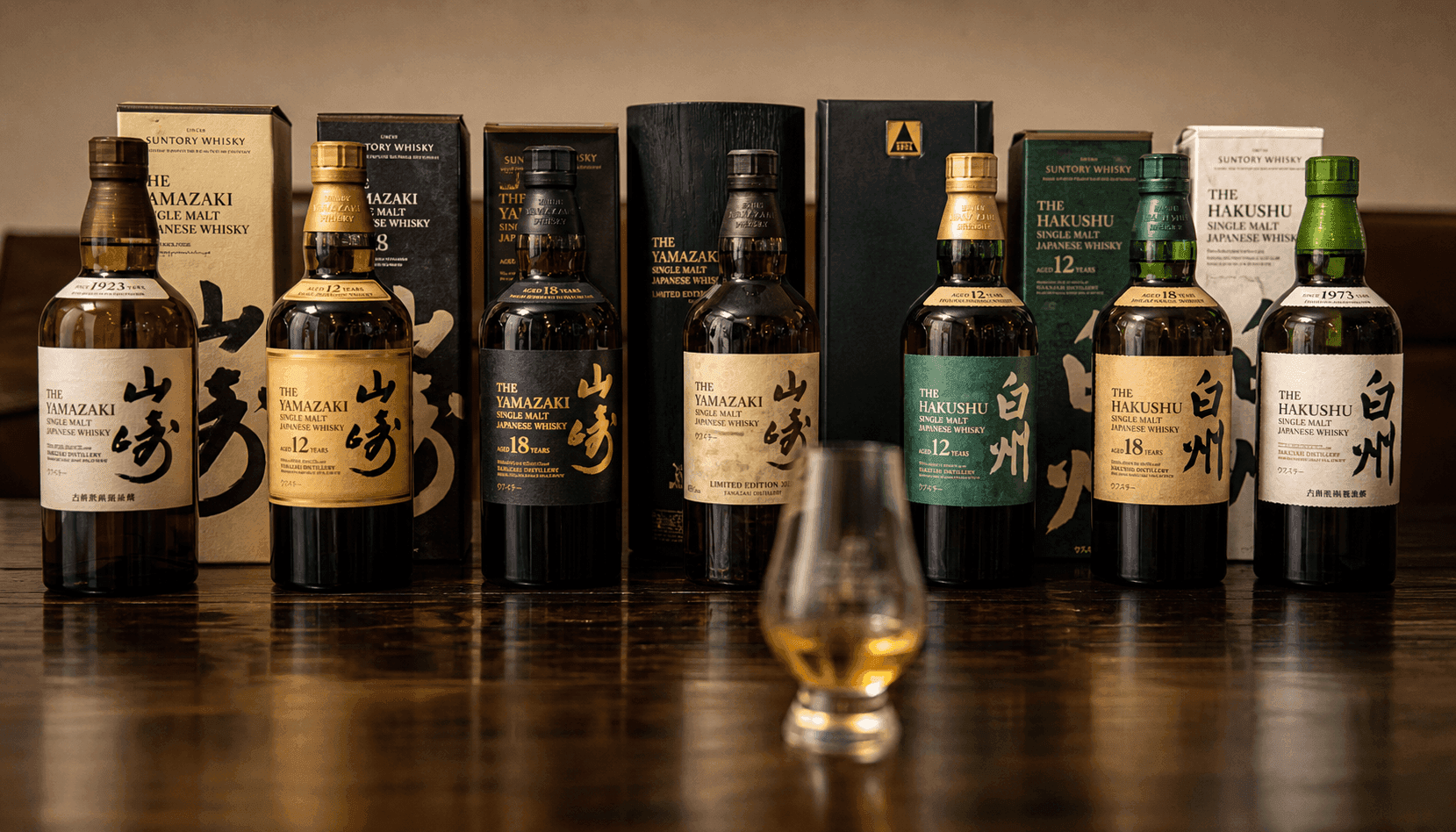
Yamazaki and Hakushu - The Complete Guide to Japanese Whisky for Beginners and Enthusiasts
Over the last two decades, Japanese whisky has evolved from a local curiosity into one of the most sought-after spirits in the world. At the heart of this story are two legendary distilleries owned by Suntory: Yamazaki and Hakushu. While both carry the same prestigious name, they represent two distinctly different styles of whisky. How do they differ, where should you begin, and which bottles deserve a place in your collection?
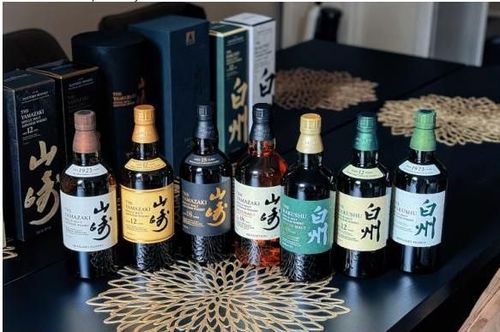
A Brief History of Japanese Whisky
The story of Japanese whisky began in the 1920s. The man widely regarded as the father of Japanese whisky, Shinjiro Torii, founded Japan's first commercial whisky distillery, Yamazaki, in 1923.
His vision was not to simply replicate Scotch whisky. Instead, he sought to create a spirit that reflected Japanese culture—more refined, harmonious, and elegant.
Several decades later, Suntory established its second iconic distillery, Hakushu, nestled high in the mountains and surrounded by pristine forests and natural spring water.
Today, both distilleries are among the most respected whisky producers in the world, consistently earning top honors at international competitions.
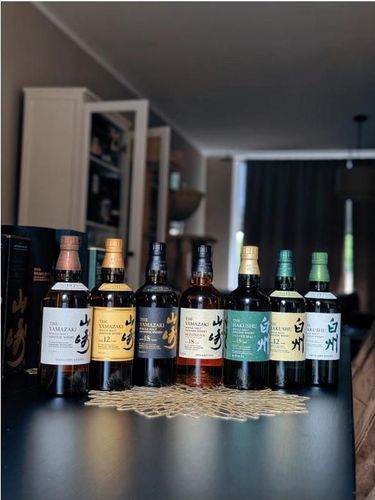
Yamazaki – The Elegant Heart of Japanese Whisky
Yamazaki is Japan’s oldest whisky distillery. Located between Kyoto and Osaka, it benefits from a unique microclimate and exceptionally soft water, both of which have shaped its whiskies for over a century.
The Yamazaki Style
Yamazaki is often associated with notes of:
- Ripe fruits
- Dried apricots
- Raisins
- Honey
- Cinnamon
- Dark chocolate
- Sandalwood
- Distinctive Mizunara oak spice
In general, Yamazaki whiskies are:
- ☑ Rich and layered
- ☑ Fruit-forward and elegant
- ☑ More dessert-like than many Japanese whiskies
- ☑ Exceptionally balanced
The range beautifully showcases the influence of bourbon casks, sherry casks, and the famous Japanese Mizunara oak.
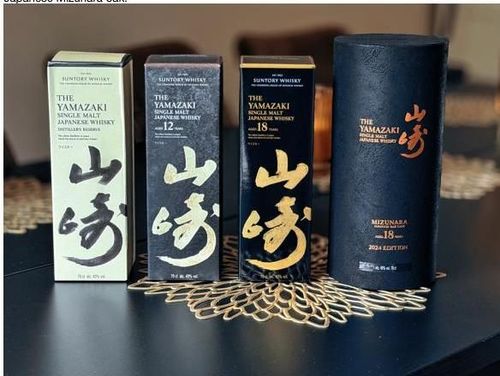
Yamazaki Distiller's Reserve – The Perfect Introduction
For newcomers, this is the ideal starting point.
Expect aromas of:
- Strawberries
- Cherries
- Red berries
- Vanilla
- Gentle oak
The palate is light, fruity, and approachable.
Best for:
- Beginners
- Those new to Japanese whisky
- Comparative tastings
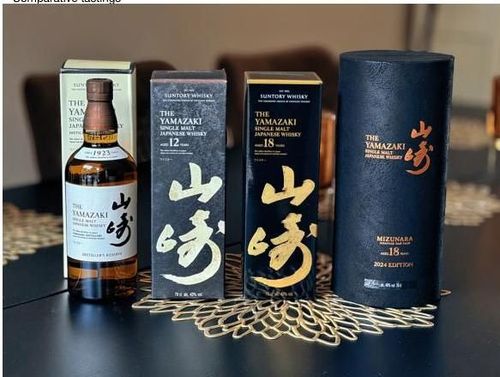
Yamazaki 12 Years Old – The Whisky That Put Japan on the Map
For many enthusiasts, Yamazaki 12 was their first encounter with Japanese whisky.
Typical notes include:
- Honey
- Pineapple
- Peach
- Vanilla
- Baking spices
- Delicate Mizunara influence
It remains one of the finest examples of balance between elegance and complexity.
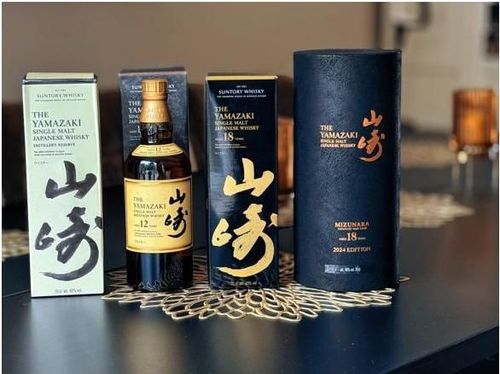
Yamazaki 18 Years Old – A Collector's Icon
Yamazaki 18 has long been regarded as one of the world's greatest whiskies.
Its profile is dominated by:
- Dark chocolate
- Espresso
- Dried plums
- Dates
- Leather
- Aged oak
Extended maturation in sherry casks provides remarkable depth and intensity that captivates even the most experienced whisky drinkers.
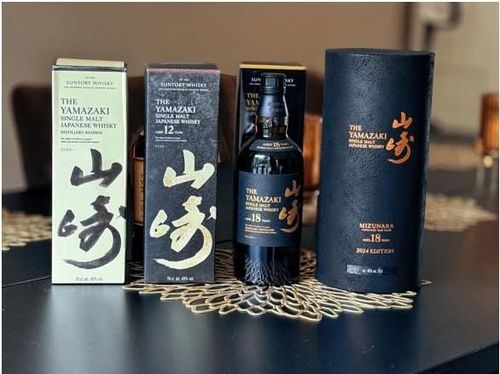
Yamazaki 18 Years Old Mizunara – The Essence of Japanese Whisky
If there is one bottle that truly represents the uniqueness of Japanese whisky craftsmanship, it is Yamazaki 18 Years Old Mizunara.
Unlike the classic Yamazaki 18, this expression places Japanese Mizunara oak at the center of the experience.
What Is Mizunara?
Mizunara is a rare species of Japanese oak.
It is highly prized because:
- Trees often require 150–200 years of growth before being suitable for cooperage.
- The wood is difficult to work with.
- Barrels are prone to leakage.
- Production costs are significantly higher than those of American or European oak casks. Despite these challenges, Mizunara creates aromas and flavors that are virtually impossible to replicate with any other type of oak.
Tasting Notes
On the nose:
- Incense
- Sandalwood
- Agarwood (oud)
- Coconut
- Dried apricots
- Cinnamon
- Dark honey
On the palate:
-
Candied orange
-
Dried fruits
-
Dark chocolate
-
Exotic spices
-
Cedarwood
-
Signature temple incense notes
The finish is extraordinarily long, elegant, and filled with layers of exotic wood and spice.
Why Is It So Special?
Most whiskies around the world rely on bourbon or sherry casks. Mizunara introduces an entirely different aromatic dimension:
- Incense
- Sandalwood
- Oriental spices
- Ancient wood
- Distinctly Japanese character
For many collectors, Yamazaki 18 Mizunara is one of Suntory's most important modern releases and among the most desirable whiskies ever produced in Japan.
Hakushu – Freshness from the Japanese Alps
If Yamazaki is an elegant library filled with antique books, Hakushu is a walk through a mountain forest after a summer rain.
Located among the forests at the foothills of the Japanese Alps, the distillery sits approximately 700 meters above sea level.
Its location has a profound impact on the style of whisky produced there.
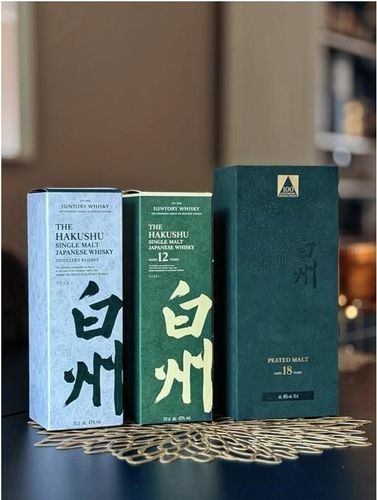
The Hakushu Style
Typical aromas include:
- Green apples
- Pears
- Mint
- Fresh herbs
• Lime • Citrus fruits • Gentle smoke
Hakushu is generally:
☑ Fresh and vibrant ☑ More dry and crisp ☑ Herbal and mineral-driven ☑ Lightly peated
It is arguably one of the most refreshing whisky styles in the world.
Hakushu Distiller's Reserve
The most accessible expression in the range.
Expect:
• Green apples • Lime • Fresh herbs • Delicate smoke
A perfect choice for those seeking a lighter and more refreshing whisky experience.
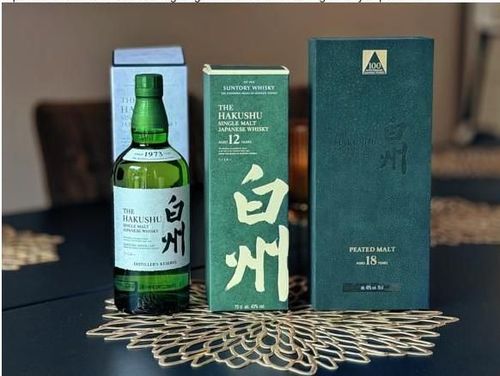
Hakushu 12 Years Old
Many enthusiasts consider this the ideal introduction to the Hakushu style.
Key notes include:
• Pear • Melon • Mint • Citrus • Subtle peat
It is remarkably elegant while maintaining impressive complexity.
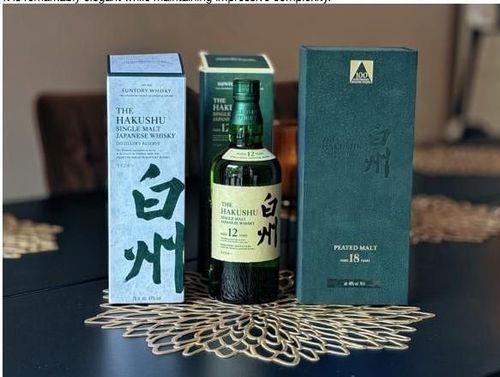
Hakushu 18 Years Old Peated Malt
One of the most respected peated whiskies produced outside Scotland.
Expect:
- Eucalyptus
- Green tea
- Herbal notes
- Gentle campfire smoke
- Dried fruits
It offers a fascinating example of how Japanese distillers interpret peated whisky.
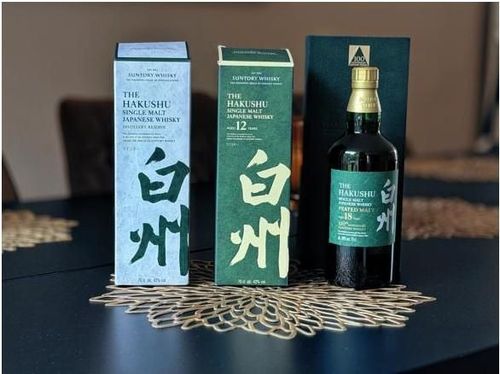
Yamazaki or Hakushu?
The answer depends entirely on your personal taste preferences.
| If You Enjoy... | Choose... | | --- | --- | | Honey, dried fruits, sherry influence | Yamazaki | | Freshness and citrus notes | Hakushu | | Rich, dessert-like whiskies | Yamazaki | | Herbs and gentle peat | Hakushu | | Long contemplative drams by the fireplace | Yamazaki 18 | | Light summer whiskies | Hakushu Distiller's Reserve | | Incense and exotic wood character | Yamazaki 18 Mizunara |
How to Taste Japanese Whisky
For Beginners
- Start with the Distiller's Reserve expressions.
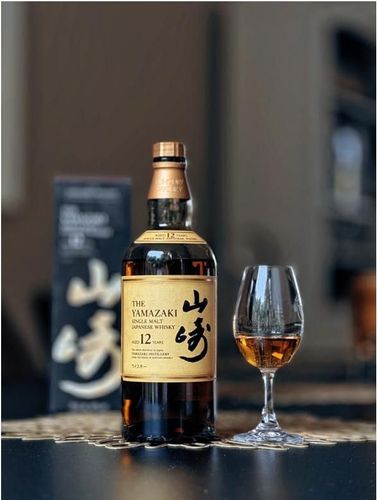
- Use a Glencairn glass.
- Taste without ice initially.
- Allow the whisky to rest in the glass for several minutes.
- Add a few drops of water and observe how the aromas evolve.
For Advanced Enthusiasts
Some of the most rewarding comparisons include:
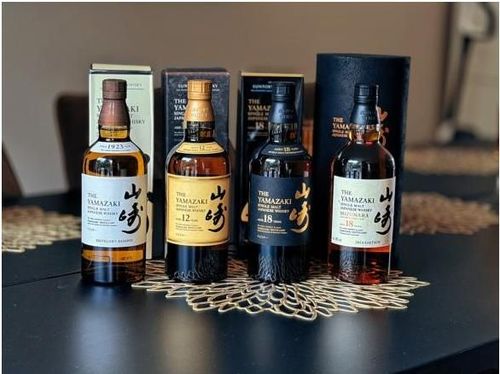
- Yamazaki Distiller's Reserve vs Yamazaki 12
- Yamazaki 12 vs Yamazaki 18
- Yamazaki 18 vs Yamazaki 18 Mizunara
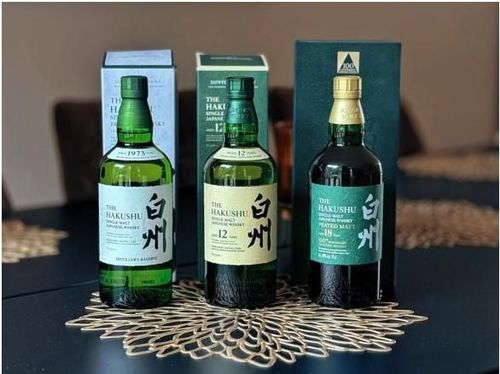
- Hakushu Distiller's Reserve vs Hakushu 12
- Hakushu 12 vs Hakushu 18
These side-by-side tastings clearly reveal the influence of age, cask selection, and each distillery's unique philosophy.
Why Are Yamazaki and Hakushu So Expensive Today?
Just a decade ago, Japanese whisky was relatively easy to find. However, international awards and rapidly growing global demand created a supply shortage that continues today. Whiskies aged 12, 18, or 25 years cannot be produced overnight. They require decades of maturation, premium casks, and exceptional patience.
As a result, we see:
- Limited availability
- Rising prices
- Strong collector demand
- Frequent sellouts of special releases
This is especially true for Mizunara-aged expressions, which are among the rarest and most sought-after whiskies on the market.
Final Thoughts
Yamazaki and Hakushu perfectly demonstrate that Japanese whisky has developed its own identity rather than simply following Scotch traditions.
Yamazaki captivates with richness, fruit-forward elegance, sherry influence, and extraordinary depth. Its ultimate expression, Yamazaki 18 Years Old Mizunara, showcases perhaps the most distinctive aspect of Japanese whisky making.
Hakushu, on the other hand, delivers freshness, forest-like character, herbal complexity, and delicate peat influence.
Whether you are taking your first steps into the world of whisky or have spent years exploring rare bottles, these two distilleries offer an essential understanding of why Japan has become one of the most influential whisky-producing nations on earth.
And if there were only one bottle capable of capturing the very soul of Japanese whisky craftsmanship, Yamazaki 18 Years Old Mizunara would be a very strong contender for the title.
- A Brief History of Japanese Whisky
- Yamazaki – The Elegant Heart of Japanese Whisky
- The Yamazaki Style
- Yamazaki Distiller's Reserve – The Perfect Introduction
- Best for:
- Yamazaki 12 Years Old – The Whisky That Put Japan on the Map
- Yamazaki 18 Years Old – A Collector's Icon
- Yamazaki 18 Years Old Mizunara – The Essence of Japanese Whisky
- Why Is It So Special?
- Hakushu – Freshness from the Japanese Alps
- The Hakushu Style
- Hakushu Distiller's Reserve
- Hakushu 12 Years Old
- Hakushu 18 Years Old Peated Malt
- Yamazaki or Hakushu?
- How to Taste Japanese Whisky
- For Advanced Enthusiasts
- Why Are Yamazaki and Hakushu So Expensive Today?
- Final Thoughts
About the author

Damian Baran
Hooked since a Talisker 10 in 2021, I've tasted over 800 whiskies and love Islay peat and independent bottlings.
To the author