

Reach thousands of whisky and spirits lovers every day.


Which Whisky Goes With Roast Goose on St. Martin's Day?
 by Max RinkI’m a whisky enthusiast and aspiring writer, exploring new flavours and the stories behind every bottle.
Follow Spiritory on Google News to get our latest guides and releases delivered straight to your feed.
Which Whisky Goes With Roast Goose on St. Martin's Day?
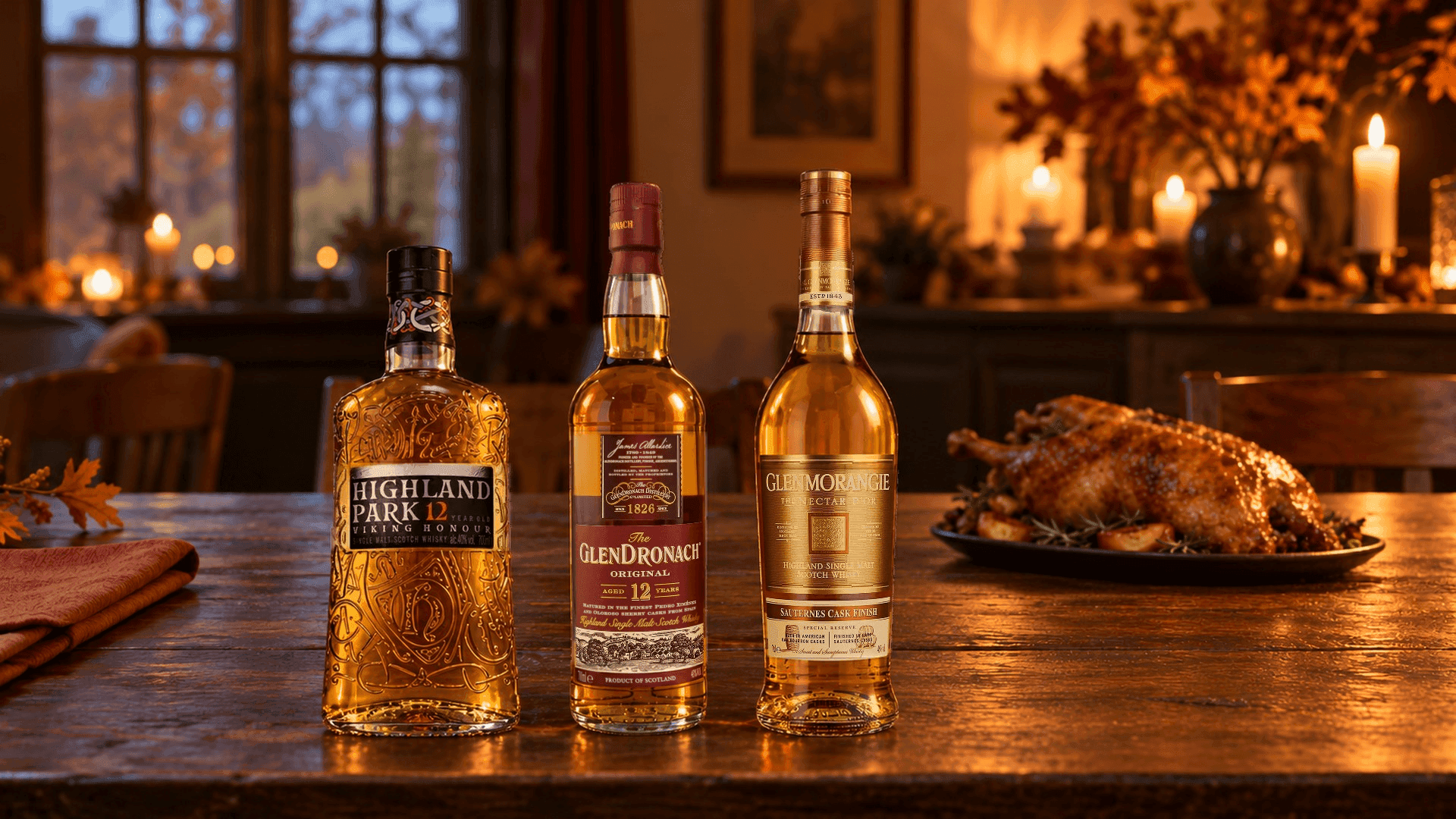
The best whisky for roast goose on St. Martin's Day is a sherry cask malt such as GlenDronach 12, because its dried fruit and spice suit the rich meat and the red cabbage, while a fruity Speyside, a gently smoky Highland Park, a German single malt and a sweet Sauternes finish suit the stuffing, the skin, the local angle and the end of the meal. This guide gives five Spiritory bottles as editorial suggestions, ahead of Martinstag on 11 November.
Key Takeaways
Martinstag falls on 11 November, the day St. Martin of Tours was buried in 397, and roast goose is the classic meal in Germany and Austria.
Why goose became the custom is not certain. A legend, rent paid in geese and a last feast before the Advent fast are the usual explanations.
The classic plate is goose with red cabbage, dumplings, a stuffing of apple and chestnut and a gravy made from the roasting juices.
Whisky Advocate writer Stephen Beaumont says a whisky's higher alcohol cuts through fattiness. The goose pairings here are editorial suggestions built on that idea.
The five picks are GlenDronach 12, Glenfiddich 12, Highland Park 12, St. Kilian Classic and Glenmorangie Nectar d'Or.
Tip: Serve each whisky in a small measure with a splash of still water on the side, and pour it between courses rather than all at once. Goose is rich, so a short sip with a bite of cabbage or dumpling tells you more than a full glass.
Why Is Goose Eaten on St. Martin's Day?
St. Martin of Tours was born in 316 or 317 in what is now Hungary, served as a Roman soldier, became a monk and later a bishop. According to the regional newspaper inFranken, he died and was buried in Tours on 11 November 397, and the date is still marked as Martinstag. In Germany and Austria it is also the day of the Martinsgans, the roast goose, called Martinigansl in Vienna.
Nobody can say for certain how the goose got onto the table. T Online reports that scientists today cannot explain exactly why the Martinsgans exists, and it lists three ideas. The first is a legend. Martin did not want to become bishop and hid in a goose pen, but the noisy geese gave him away. The Vienna tourism board's recipe page tells the same legend and adds that geese were once a customary feudal tribute due around this date. It does not claim to know which story is true.
The second idea is money. The Protestant paper Sonntagsblatt and inFranken both write that 11 November was when the farming year ended and rent and interest fell due, and farmers often paid their landlords in kind, including with geese. T Online adds a third idea, that Martinstag was the last big feast before the Advent fast, and that geese were at their fattest in autumn. Treat the legend as folklore and the rent and feast days as the likelier background, since none of these accounts is proven.
The plate itself is more settled. A classic recipe from the German food magazine lecker.de serves the goose with red cabbage cooked with apple, dumplings, a chestnut and apple stuffing with mugwort, and a gravy from the pan juices. Each of the five pairings below is matched to one part of that plate.
GlenDronach 12 Years Old Meets the Fat and Red Cabbage With Sherried Fruit
Goose is one of the fattiest roasts, and the red cabbage on the plate is sweet and sour, cooked with apple. A sherried whisky has the weight to stand up to both. GlenDronach 12 Years Old is a Highland single malt matured for at least 12 years in Pedro Ximenez and Oloroso sherry casks and bottled at 43%. The distillery lists sherried autumn fruits, chocolate praline, gingerbread and sun dried raisin on the nose, and caramelised brambles, orange and sultanas on the palate.
Why it works is partly general pairing logic. In a Whisky Advocate piece on pairing whisky with sausage, Stephen Beaumont writes that the higher alcohol of a whisky lets it cut through fattiness. Goose is not sausage, so the step to this plate is an editorial one. The dark fruit and spice of a sherried malt also echo the cooked cabbage and the gravy, and the orange note sits well with the apple.
Glenfiddich 12 Years Old Gives Apple Stuffing a Fresh Pear Echo
If your stuffing leans on apples, with chestnuts and a little mugwort, a lighter malt keeps the fruit in focus. Glenfiddich 12 Years Old is a Speyside single malt bottled at 40%. The brand's US shop describes the nose as fresh and fruity with a hint of pear, and the taste as sweet and fruity, developing into butterscotch, cream, malt and subtle oak. It says the whisky is matured in Oloroso sherry and bourbon casks and then rested in oak marrying tuns.
The match is an editorial one. Orchard fruit in the glass sits close to baked apple on the plate, and the gentle cask influence does not fight the chestnut. It is also an easy first pour for guests who do not usually drink whisky.
Highland Park 12 Years Old Brings Gentle Smoke to the Crisp Skin
The crackling skin is the part of a goose that tastes of roasting, and a little smoke in the glass picks that up. Highland Park 12 Years Old is an Orkney single malt, usually bottled at 40%, though some batches are listed at 43%, so check your label. The distillery's tasting notes, as reproduced by reviewers, list heather honey, rich fruitcake, winter spices, Seville oranges and aromatic smoky peat. Retailers describe it as matured mainly in sherry seasoned European and American oak.
The smoke here sits next to honey and orange rather than over them, which is why it is a calmer choice for poultry than a heavily peated Islay malt. That is an editorial view, since no published guide pairs this bottle with goose. The orange note also links to the fruit that often goes into the gravy or the cabbage.
St. Kilian Classic Mild & Fruity Is a Franconian Single Malt for the Local Plate
Martinsgans is a German custom, so a German whisky makes a fitting guest. The St. Kilian distillery sits in Rüdenau in Franconia, Bavaria, and its first own spirit ran from the stills in 2016. St. Kilian Classic Mild & Fruity is a blend of its single malts, with about 70% from former bourbon casks and 30% from Pedro Ximenez and Oloroso sherry casks, bottled at 46% without colouring or chill filtration. Published tasting notes describe apricot and peach, creamy toffee and spicy oak, with a finish of white pepper and fresh mint.
The stone fruit and toffee sit well with dumplings and gravy, and the mix of bourbon and sherry wood puts it between the two styles above. The higher strength also holds up against a rich plate, and a drop of water softens it if needed. For more German options, see our guide to the best German single malts of 2026, or read What Is St. Kilian Distillery? for the story behind the distillery.
Glenmorangie Nectar d'Or Closes the Meal With Sauternes Sweetness
After the plate, a digestif is a small glass served at the end of a meal, usually something sweeter and softer. Glenmorangie Nectar d'Or Sauternes Cask Finish Special Reserve is the listing on Spiritory. It is a Highland single malt finished in Sauternes casks and bottled at 46%. The Special Reserve name belongs to older releases of this bottling. Reviewers of earlier editions described a ten year old malt, while later releases of the Nectar d'Or carry no age statement, so the label of the bottle you buy is the reference.
Tasting notes vary between releases. A Whiskynotes review of a 2008 bottling called it very sweet but not cloying, which is the character a Sauternes finish suggests. It works as a closing pour because sweetness and citrus lift the heavy finish of the goose, and it suits fruit desserts such as baked apple or plum compote. That pairing is an editorial suggestion. Keep the measure small and drink it slowly, perhaps with coffee.
Tip: Plan the order before guests sit down. Start the smoky or fruity malt with the main course, then bring the sweeter bottle out with dessert, so each dram arrives when its food partner does.
FAQ
Why do Germans eat goose on St. Martin's Day?
Nobody can say for certain. Sources offer a legend in which Martin hid in a goose pen and was betrayed by the geese, the custom of paying rent in geese on 11 November, and a last feast before the Advent fast.
Which whisky goes best with roast goose?
A sherry cask malt such as GlenDronach 12 is the safest choice, because its dried fruit and spice match the fat, red cabbage and gravy. Lighter Speyside and gently smoky malts suit the stuffing and the skin. These are editorial suggestions.
Can I drink a German whisky with Martinsgans?
Yes. St. Kilian Classic Mild & Fruity combines bourbon and sherry cask malt at 46%, with apricot, peach and toffee notes as retailers describe it, and fits the dumplings and gravy.
What whisky should I serve after the meal?
A sweeter, wine finished malt such as Glenmorangie Nectar d'Or, finished in Sauternes casks, is a gentle closing pour. Keep the measure small.
- Key Takeaways
- Why Is Goose Eaten on St. Martin's Day?
- GlenDronach 12 Years Old Meets the Fat and Red Cabbage With Sherried Fruit
- Glenfiddich 12 Years Old Gives Apple Stuffing a Fresh Pear Echo
- Highland Park 12 Years Old Brings Gentle Smoke to the Crisp Skin
- St. Kilian Classic Mild & Fruity Is a Franconian Single Malt for the Local Plate
- Glenmorangie Nectar d'Or Closes the Meal With Sauternes Sweetness
- FAQ
About the author

Max Rink
I’m a whisky enthusiast and aspiring writer, exploring new flavours and the stories behind every bottle.
To the author