

Reach thousands of whisky and spirits lovers every day.


What Is Really Happening in the Whisky World in 2026?
 by Damian BaranHooked since a Talisker 10 in 2021, I've tasted over 800 whiskies and love Islay peat and independent bottlings.
Follow Spiritory on Google News to get our latest guides and releases delivered straight to your feed.

What Is Really Happening in the Whisky World in 2026?


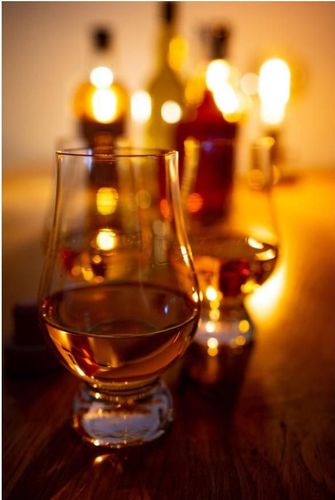
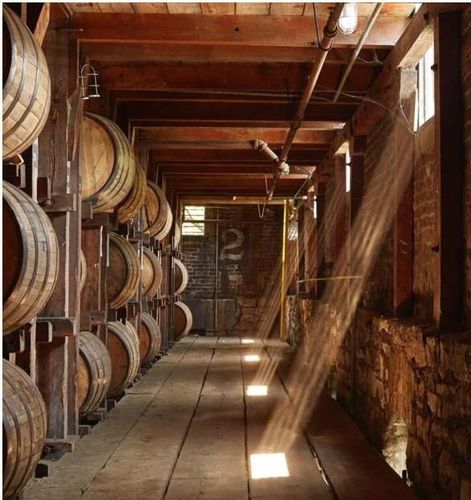
The whisky world in 2026 is not defined by a single revolution, but rather by a series of parallel changes that together are creating a new era: greater transparency, more experimentation, and a return to quality over speculation.
1. The Market Is Stabilizing After the Boom
After years of rapid growth, the whisky market has entered a correction phase:
- prices are no longer rising at the same pace
- limited editions are becoming easier to buy
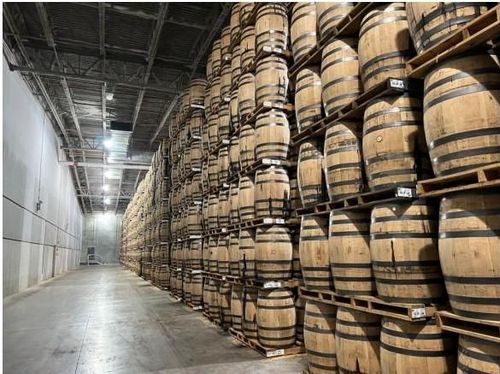
- distilleries are reducing production and managing inventories more carefully
This is not a crisis, but a market “reset” after years of overheating.
For consumers, it means one thing: whisky is moving back from investment culture to drinking culture.
2. Scotland — Tradition Modernizing Itself
Scotland still dominates the whisky world, but it is evolving faster than ever before.
New Distilleries and Expansions
-
new distilleries continue to emerge
-
older projects are now releasing their first long-aged whiskies
-
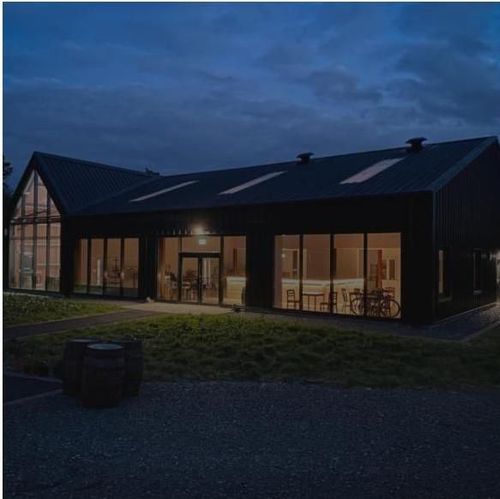
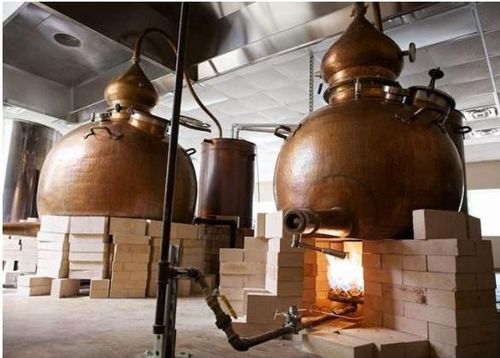
major brands are investing heavily in luxury visitor experiences and production expansion
-
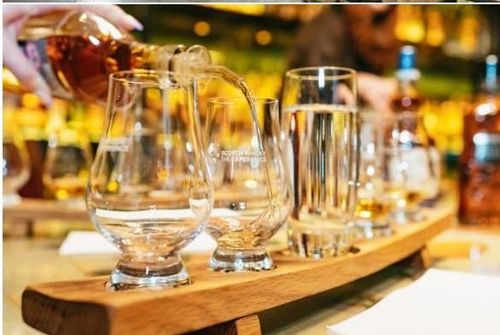
whisky is increasingly becoming both a product and a tourism experience.
Cask Experimentation
More and more distilleries are exploring:
- wine finishes (PX, sherry, port)
- experimental casks using different oak types and seasoning methods
- hybrid maturation styles
- traditional maturation still matters, but it is no longer the only path.
The Return of "Terroir"
A new wave of Scottish distilleries increasingly emphasizes:
- barley provenance
- partnerships with local farms
- explaining where flavour comes from, not just the production region
NAS and the Redefinition of Age
An increasing number of whiskies:
- carry no age statement (NAS)
- are designed around flavour rather than age
- prioritize consistency and style over years on the label
3. Global Changes — Whisky Everywhere
The United States — The Most Experimental Market
The U.S. whisky scene is expanding in multiple directions simultaneously.
Balcones
- extreme experimentation with corn and climate
- bold flavour profiles shaped by Texas aging conditions
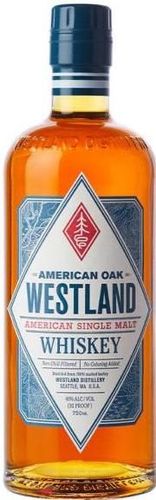
Westland
- helping define the American Single Malt category
- strong focus on local identity and raw materials
Wilderness Trail
- radical transparency in fermentation and production
- science-driven whiskey making
The U.S. no longer has one definition of whisky — it has become a system of styles.
Jack Daniel's — Tradition and Evolution
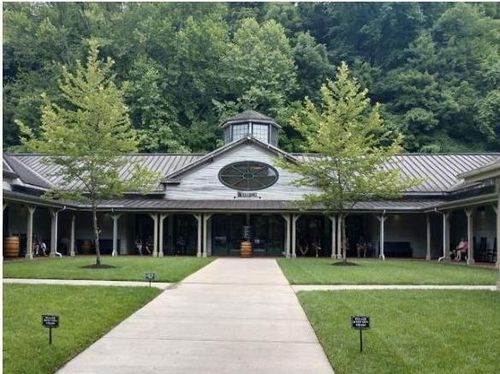
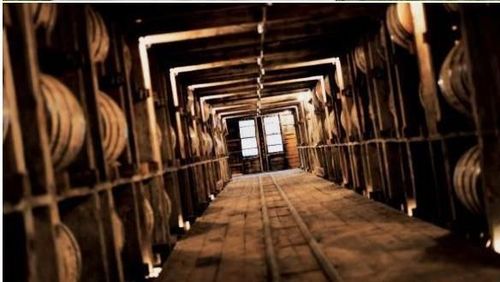
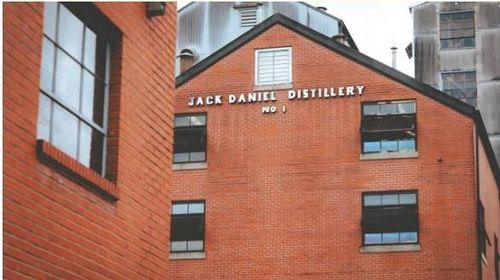
Jack Daniel's remains a symbol of classic Tennessee whiskey:
- corn-based mash bill
- charcoal mellowing process
- maturation in new oak barrels
- often released without age statements
At the same time, the brand is:
- increasing experimentation
- entering the American Single Malt category
- adapting to changing consumer expectations
tradition plus adaptation has become a survival strategy.
Blanton's — Bourbon Luxury
Blanton's remains an icon because:
- it was the first commercially successful single barrel bourbon
- each bottle comes from an individual barrel
- it functions as both a premium and collectible product
It proves that classic bourbon can successfully operate in the ultra-premium luxury segment.
4. Global Trends Connecting Everything
Across nearly every whisky-producing country, the same trends are emerging:
- greater production transparency
- ☑ a return to quality over speculation
- ☑ growing importance of NAS whisky and blending
- ☑ whisky as an experience, not just a bottle
- ☑ market stabilization after the boom
The Most Important Conclusion
The whisky world in 2026 is not moving in one single direction.
Scotland is modernizing tradition
- The United States is experimenting without limits
- The market itself is stabilizing and becoming calmer
And there is one common denominator:
whisky is no longer judged primarily by age or region, but by style, intention, and transparency.
About the author

Damian Baran
Hooked since a Talisker 10 in 2021, I've tasted over 800 whiskies and love Islay peat and independent bottlings.
To the author