

Reach thousands of whisky and spirits lovers every day.


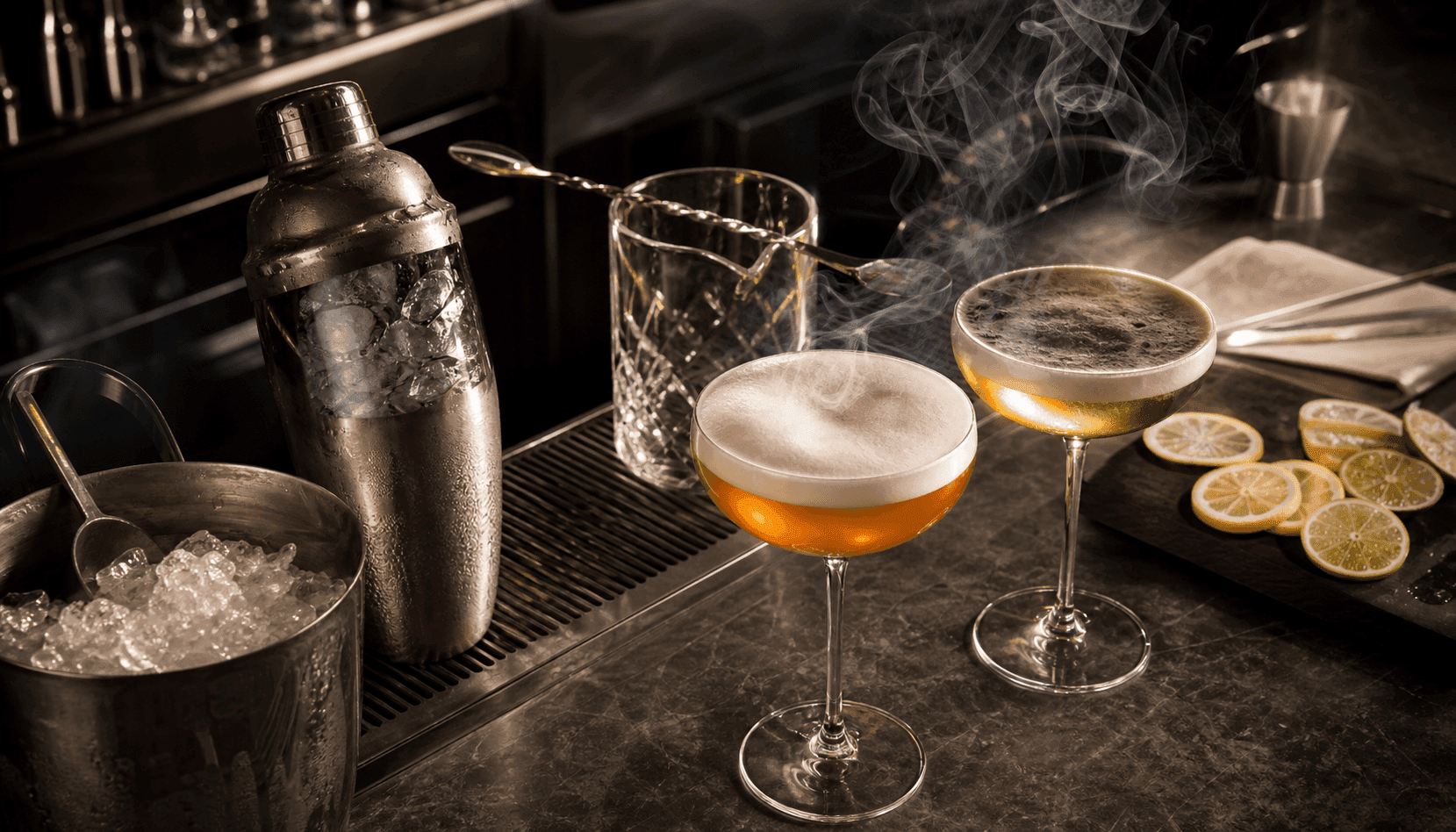
Smoky Cocktails: The Best Peated Whiskies for Mixing
 by Christopher Deutsch I drink and collect with intention, drawn to the sherried depth of Dalmore and the balance of Yamazaki.
Follow Spiritory on Google News to get our latest guides and releases delivered straight to your feed.
Smoky Cocktails: The Best Peated Whiskies for Mixing
Key Takeaways
Lightly to moderately peated whiskies, in the 15 to 30 ppm range, are the most versatile for cocktail mixing.
Smoke pairs particularly well with bitter, sweet, and citrus elements; it reinforces the structural complexity of an Old Fashioned, a Penicillin, or a Sour.
Heavily peated expressions work in cocktails when used in split-base format, blending a small measure with a lighter spirit for balance.
The Penicillin, a honey-ginger-lemon cocktail with a peated float, is the definitive showcase for smoke in a modern cocktail context.
Avoid mixing delicate, expensive aged peated expressions in cocktails; save complexity for the neat glass and use workhorses for mixing.
Explore a wide range of peated expressions on Spiritory to find bottles suited to both mixing and neat appreciation.
Why Peated Whisky Works in Cocktails
Smoke in a cocktail functions as a structural element rather than simply a flavour addition. The phenolic compounds responsible for peat smoke are fat-soluble, which means they interact differently with other ingredients than simple sugars or acids. Smoke adds length to a cocktail's finish, creates contrast against sweet elements, and brings a savoury depth that purely grain-based spirits cannot provide. When used with skill, a peated whisky transforms a familiar cocktail into something genuinely different without losing the cocktail's fundamental identity.
The Role of Peat Level
Peat intensity in whisky is measured in parts per million (ppm) of phenols in the malted barley before distillation. Lightly peated expressions, those in the 5 to 20 ppm range, add a background smoky note without dominating the palate. Moderately peated expressions, around 20 to 40 ppm, provide a more assertive smoke presence that becomes the cocktail's leading character. Heavily peated expressions, above 40 ppm, require careful handling in cocktails; used as a float or in split-base format rather than as the sole spirit, they can add extraordinary depth without overwhelming every other element.
Cocktail Formats That Work Best
Not all cocktail formats suit peated whisky equally. The Old Fashioned and its variations are natural fits because the bitters and minimal sweetener complement rather than compete with smoke. The Sour format works well because citrus cuts through smoke cleanly. The Highball is a natural partner because carbonation lifts the aromatic compounds. Spirit-forward stirs like the Rob Roy translate beautifully with a peated base. Heavy, cream-based or tropical fruit cocktails tend to clash with smoke rather than harmonise with it.
The Best Peated Whiskies for Mixing
Selecting a peated whisky for cocktail use involves balancing smoke intensity, flavour complexity, and practical value. The best mixing bottles offer enough character to define a cocktail without being so expensive or delicate that using them in a mixed drink feels wasteful.
Lightly Peated Workhorses
For everyday cocktail use, a lightly peated expression that delivers consistent character without demanding excessive investment is the ideal starting point. Highland Park 12 brings gentle peat alongside heather honey and dried fruit notes that make it one of the most cocktail-versatile single malts available. Bowmore 12 offers a coastal, moderately peated profile with chocolate and smoke that works particularly well in spirit-forward cocktails.
Moderate Peat for Signature Cocktails
For cocktails where the smoke is intended as the defining character, a moderately peated expression with its own complexity provides a more interesting base than a purely functional workhorse. Laphroaig 10 brings medicinal, iodine, and seaweed notes alongside smoke that creates distinctive, polarising cocktails not for every palate, but extraordinary for those who appreciate the combination. Caol+Ila 12 is lighter and more approachable while still delivering clear smoke and coastal minerality that projects well through citrus and sweetener.
The Float Technique with Heavy Peat
Heavily peated expressions like Ardbeg 10 or Octomore work best in cocktails when used as a float: a small measure poured gently over the top of the finished drink, creating an aromatic smoke layer that hits the nose first without the full intensity of the spirit carrying through every sip. This technique is central to the Penicillin cocktail and can be applied to any sour or spirit-forward drink where smoke as an aromatic accent is the desired effect.
Tip: When using peated whisky as a float, pour it over the back of a bar spoon held just above the surface of the drink. The gentle pour prevents the peated spirit from sinking into the body of the cocktail, maintaining the smoke as an aromatic layer rather than integrating it fully throughout the drink.
Classic Smoky Cocktails
Several classic and modern-classic cocktail formats are particularly well suited to peated whisky bases.
The Penicillin
The Penicillin, created by bartender Sam Ross in New York in the early 2000s, is the defining modern peated whisky cocktail. The base is an unpeated blended Scotch (or a light single malt) combined with fresh lemon juice, honey-ginger syrup, and a float of heavily peated single malt. The result is a honey-forward, gently spiced sour with a smoke-forward aromatic layer that reveals itself with every sip. The float of Islay single malt is typically 15ml of a heavily peated expression. It is one of the most imitated cocktails in the modern bartending canon for good reason.
The Peated Old Fashioned
Replacing a bourbon base with a moderately peated Scotch in an Old Fashioned produces a version of the cocktail with a fundamentally different aromatic profile. The sweetener (simple syrup or demerara syrup) and bitters serve the same structural function but the smoke transforms the drink's character entirely. A sugar cube expressed with orange peel and a few drops of Angostura bitters, stirred with Highland Park or Bowmore, produces a cocktail that would satisfy any serious whisky drinker.
The Smoky Rob Roy
The Rob Roy, essentially a Scotch Manhattan, is a natural candidate for a peated variation. Sweet vermouth's dried fruit and herb notes complement smoke well, and the minimal dilution of a stirred cocktail allows the whisky's character to come through with clarity. Use a moderately peated expression and a quality Italian sweet vermouth. Garnish with an expressed orange peel.
Pairing Peat with Other Flavours
Understanding which flavour profiles work harmoniously with peat smoke helps in designing original cocktails and avoiding combinations that produce jarring results.
Flavours That Work with Smoke
Honey and heather: the natural companions to Scotch smoke, reinforcing the spirit's character. Fresh ginger: adds spice that echoes the phenolic notes in peated whisky. Dark chocolate: bitter cocoa notes align with smoke in a way that feels cohesive and sophisticated. Citrus, particularly lemon: cuts through smoke cleanly without competing against it. Vermouth (both sweet and dry): wine-derived complexity complements smoke in stirred formats.
Flavours to Approach with Caution
Tropical fruit juices tend to clash with smoke in most formats. Cream and dairy require careful balancing and are generally better suited to unpeated bases. Very sweet, syrup-heavy combinations risk turning smoke into a harsh background note rather than a harmonious element. When in doubt, keep the cocktail simple: smoke works best when it is not competing with many other assertive flavours simultaneously.
Building a Peated Cocktail Collection
For those who want to explore peated cocktails seriously, having two or three bottles at different smoke intensity levels provides the flexibility to work across the full range of formats described here.
A Three-Bottle Starter Collection
A light workhorse (Highland Park 12 or Bowmore 12), a moderate peat expression for sour formats and Old Fashioneds (Caol Ila 12 or Laphroaig 10), and a heavily peated bottle for floats and accent use (Ardbeg 10 or a lightly older Lagavulin) covers the full spectrum of peated cocktail applications. These three bottles, combined with the techniques described above, open up a genuinely broad and interesting home cocktail program built around one of whisky's most distinctive characteristics.
FAQ
What is the best peated whisky for cocktails?
For general cocktail use, Highland Park 12 and Caol Ila 12 offer the most versatility. For float-technique and accent use in cocktails like the Penicillin, Ardbeg 10 or Laphroaig 10 provides the assertive smoke character required. Octomore is exceptional as a float in very small measures but is too intense for most full-base cocktail applications.
What is a Penicillin cocktail?
The Penicillin is a modern classic created by Sam Ross, combining blended Scotch, fresh lemon juice, honey-ginger syrup, and a float of heavily peated Islay single malt. It is the definitive modern showcase for peated whisky in a cocktail format.
Does peat smoke survive shaking?
Yes. The fat-soluble phenolic compounds responsible for peat smoke are robust enough to survive shaking and dilution, though some of the most volatile aromatic elements are reduced. This is why the float technique works so well: by adding the heavily peated spirit after shaking, the most aromatic smoke compounds are preserved at the surface where they are encountered first on the nose.
Can I use heavily peated whisky like Octomore in a cocktail?
In very small measures as a float or accent, yes. As the sole base spirit in most cocktails, Octomore's extreme smoke intensity overwhelms other ingredients. The float technique, or a split base of roughly 15ml Octomore to 45ml of a lighter spirit, is the most practical way to incorporate it into a cocktail format.
About the author

Christopher Deutsch
I drink and collect with intention, drawn to the sherried depth of Dalmore and the balance of Yamazaki.
To the author