

Reach thousands of whisky and spirits lovers every day.


How Are Scottish Distilleries Balancing Tradition and Innovation in 2026?
 by Damian BaranHooked since a Talisker 10 in 2021, I've tasted over 800 whiskies and love Islay peat and independent bottlings.
Follow Spiritory on Google News to get our latest guides and releases delivered straight to your feed.

How Are Scottish Distilleries Balancing Tradition and Innovation in 2026?
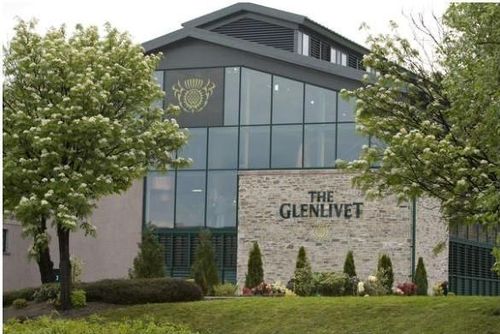
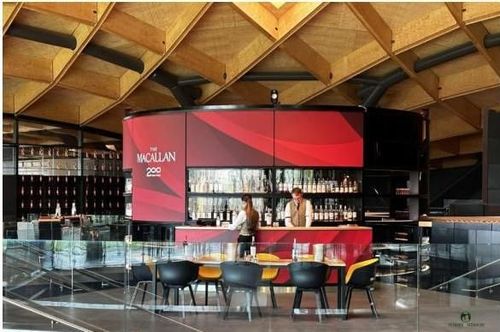
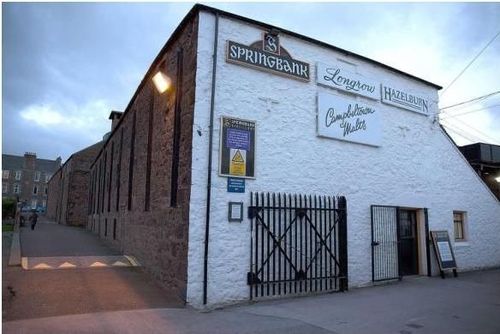
Scotland remains the heart of the whisky world, but today it is no longer a single, unified landscape. It is a country of two parallel realities: one rooted in tradition and craftsmanship, the other shaped by modern experiences, architecture, and the growing influence of the people who design the flavour of whisky — master blenders.
The New Scotland — Whisky as an Experience
In recent years, Scotland has invested heavily in visitor centres that have transformed the way whisky is experienced. Distilleries are no longer simply production sites — they have become immersive destinations.
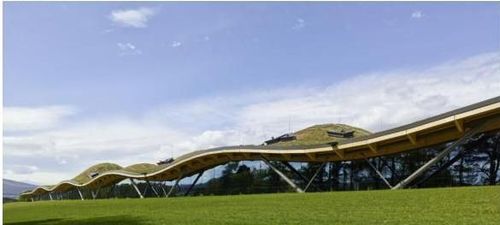
The Macallan — Luxury Through Architecture
- a futuristic building seamlessly integrated into the Speyside landscape
- premium tastings and fine dining experiences
- whisky presented as a luxury lifestyle
It is one of the clearest examples of whisky evolving into a “premium experience product.”
Glenmorangie — Education and Modernity
- interactive visitor experiences
- contemporary tasting spaces
- strong emphasis on education and production methods
Here, whisky is told as a story rather than simply served in a glass.
Ardgowan Distillery and the New Generation of Distilleries
- designed from the beginning as both an experience and a production facility
- strong focus on sherry cask maturation
- modern thinking across the entire whisky-making process
It represents a new generation of Scottish distilleries built around both craftsmanship and hospitality.
Whisky Returns to the Cities
The Glasgow Distillery Company
- whisky production returning to urban environments
- craft-driven philosophy
- combining whisky, gin, and education under one roof
Traditional Scotland — The Side That Does Not Need Reinvention
Alongside modernity exists another Scotland — more rugged, restrained, and authentic.
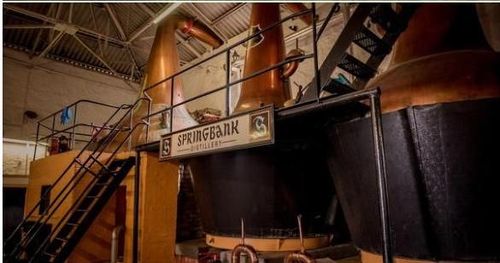
Springbank — The Last Bastion of Craftsmanship
- complete production carried out on-site
- traditional floor malting
- minimal automation
- no inflated marketing image
Springbank represents whisky in its purest artisanal form.
Glenfarclas — The Red Doors of Tradition
- family-owned for generations
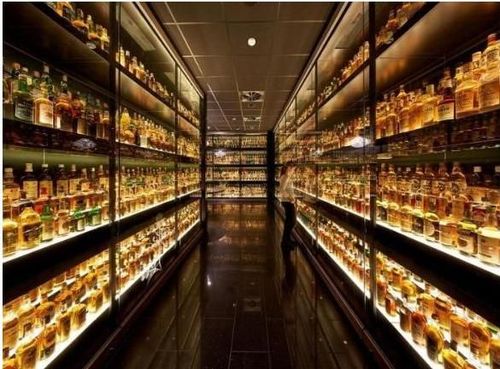
- enormous stocks of aging whisky
- famous red doors symbolizing continuity and heritage
It feels like stepping into a world where time moves more slowly.
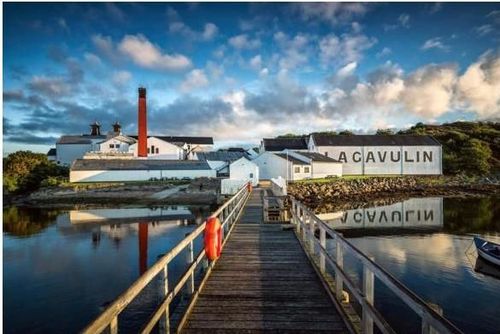
Lagavulin — The Magic of Islay
- intense peated character
- dramatic coastal location
- slow, traditional distillation
Lagavulin is whisky shaped as much by place as by flavour.
Master Blenders — The Quiet Architects of Whisky
Behind these two Scotlands stands a growing force: the master blenders — the people who truly shape the flavour of modern whisky.
Today, their role goes far beyond technical expertise. They are flavour designers responsible for:
- selecting casks and vintages
- composing NAS expressions and blends
- defining the stylistic identity of brands
A New Generation of Master Blenders
Kelsey McKechnie
A representative of modern Scotland:
- a fresh perspective on NAS whisky
- greater stylistic freedom
- balancing tradition with innovation
Bill Lumsden
One of the most influential creative figures in whisky:
- experimentation with cask types
- pushing the boundaries of single malt
- treating whisky as a creative product
Rachel Barrie
One of the key figures in the industry:
- maintaining stylistic consistency across brands
- working across multiple distilleries
- combining classic traditions with modern thinking
What Has Changed About the Role of Master Blenders?
Modern whisky is becoming:
- less a “product of time”
- and more a “project of flavour”
Master blenders are increasingly becoming:
- the authors of whisky
- not merely its producers
Two Scotlands, One Whisky World
Modern Scotland
- The Macallan, Glenmorangie, The Dalmore
- architecture, luxury, visitor experiences
- whisky as a premium lifestyle product
Traditional Scotland
- Springbank, Glenfarclas, Lagavulin
- craftsmanship and history
- minimalism and authenticity
The Most Important Conclusion
Scotland is not choosing between the past and the future.
It is sustaining both worlds at the same time.
And above them stand the master blenders — the people who unite casks, vintages, and styles into a single vision of flavour.
Summary
Scottish whisky today is:
- Springbank → pure craftsmanship
- Glenfarclas → tradition and continuity
- Lagavulin → the emotion of place
- modern visitor centres → experience and luxury
- master blenders → designers of flavour
Together, they create the most complete and diverse whisky ecosystem in the world — one where tradition and innovation do not compete, but coexist.
- The New Scotland — Whisky as an Experience
- The Macallan — Luxury Through Architecture
- Glenmorangie — Education and Modernity
- Ardgowan Distillery and the New Generation of Distilleries
- Whisky Returns to the Cities
- Springbank — The Last Bastion of Craftsmanship
- Glenfarclas — The Red Doors of Tradition
- Lagavulin — The Magic of Islay
- Master Blenders — The Quiet Architects of Whisky
- A New Generation of Master Blenders
- What Has Changed About the Role of Master Blenders?
- Two Scotlands, One Whisky World
- Modern Scotland
- Traditional Scotland
- The Most Important Conclusion
- Summary
About the author
Damian Baran
Hooked since a Talisker 10 in 2021, I've tasted over 800 whiskies and love Islay peat and independent bottlings.
To the author