

Reach thousands of whisky and spirits lovers every day.


Is Japanese Whisky a Good Investment in 2026?
 by Max RinkI’m a whisky enthusiast and aspiring writer, exploring new flavours and the stories behind every bottle.
Follow Spiritory on Google News to get our latest guides and releases delivered straight to your feed.
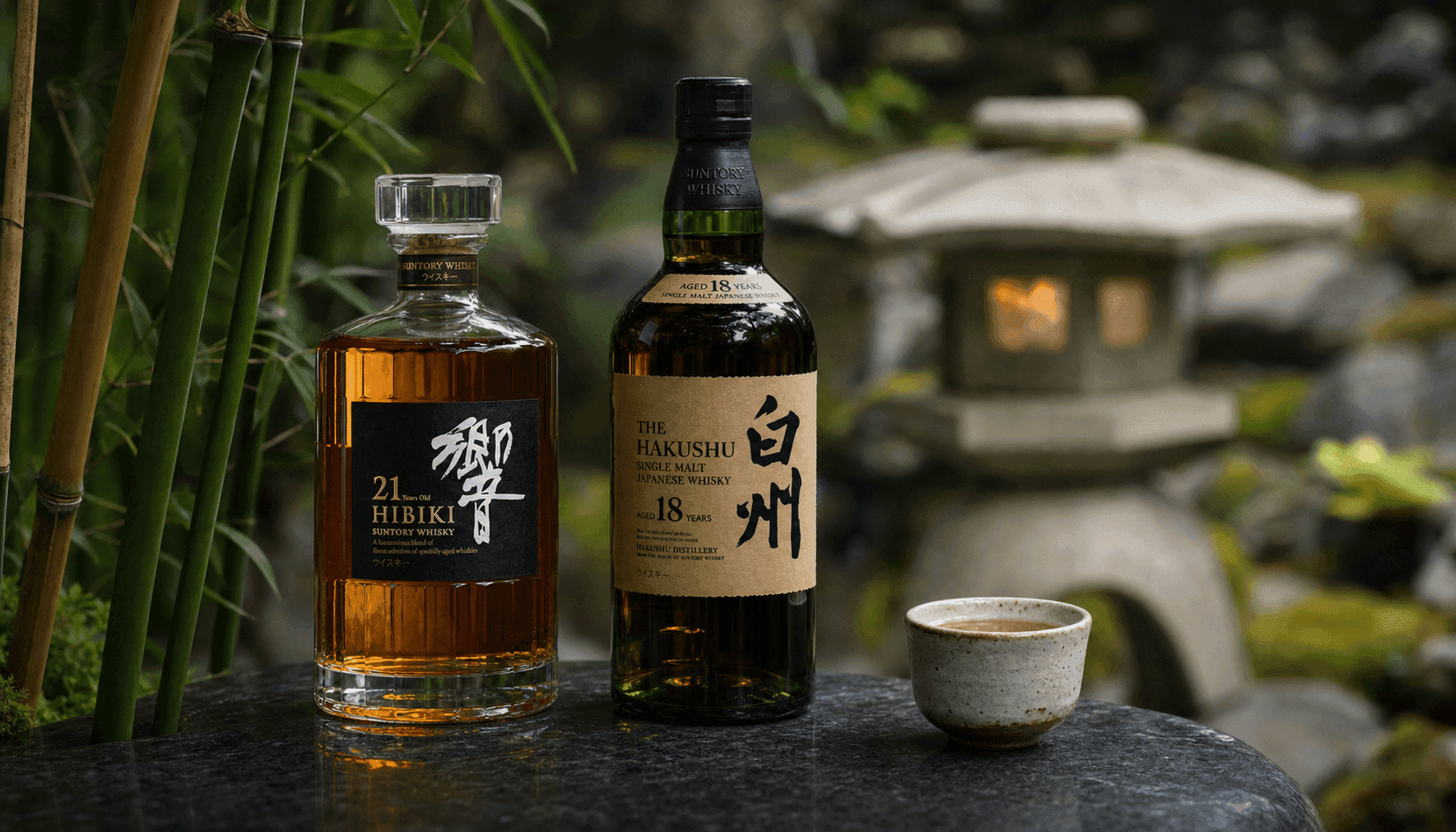
Is Japanese Whisky a Good Investment in 2026?
Japanese whisky has delivered some of the most dramatic price appreciation in the collector market over the past decade. Age-statement bottles that were being sold at retail for under €100 in 2014 were fetching multiples of that at auction by 2020. The question for collectors in 2026 is whether that run has peaked, whether there is still upside in specific bottles, and where the risks actually lie.
Key Takeaways
The best investment case in Japanese whisky in 2026 is concentrated in genuine age-statement bottles from the major distilleries — Yoichi, Miyagikyo, Yamazaki, Hakushu — especially the discontinued expressions from before 2015.
Chichibu is the strongest younger distillery investment story — small production, international awards, and a collector following that has driven sustained secondary market performance.
The risk of counterfeit Japanese whisky is real and growing. Authentication matters more here than almost anywhere else in the market.
The NAS category in Japanese whisky has been diluted by opportunistic releases from smaller producers. Sticking to established names with traceable production is the safer approach.
For those who missed the first wave, the entry point has moved. Collecting Japanese whisky now requires a longer time horizon and a tighter focus on bottles with real scarcity credentials.
The Case For Japanese Whisky as an Investment
Japanese whisky's investment appeal rests on a structural supply constraint that has not gone away. The major distilleries — Suntory's Yamazaki and Hakushu, Nikka's Yoichi and Miyagikyo — built their global reputations on age-statement bottles that took ten to twenty years to produce. When global demand exploded in the early 2010s, they could not scale production overnight. The response — withdrawing age statements, releasing NAS expressions to preserve liquid — created a generation of collectors who understand that the original age-statement bottles will never be fully restocked.
That structural scarcity is not going away. The age-statement Yoichi 10, 12, 15, and 20 Year Old expressions withdrawn in 2015 represent a finite supply that ages in secondary market collections. Each year, more of those bottles get opened, reducing the available pool. The same dynamic applies to Hakushu 12 and Yamazaki 12 from before the 2018 allocation crunch. For collectors who hold genuine old stock, the supply dynamic still works in their favour.
Chichibu: The New Generation Investment
Ichiro Akuto's Chichibu Distillery in Saitama Prefecture has become the most compelling younger investment story in Japanese whisky. Founded in 2008 and producing very limited quantities each year, Chichibu has accumulated an extraordinary run of international awards and a collector following that generates real secondary market activity. The Ichiro's Malt series, including the Card series of independent bottlings, has been the subject of record auction results. New releases from Chichibu consistently sell above retail. For collectors who want Japanese whisky exposure without relying on 2015-era discontinued expressions, Chichibu is the strongest current story. Search for available bottles on Spiritory.
The context on Japanese age statements returning is covered in Why Are Japanese Age-Statement Whiskies Returning? — the short version is that Suntory and Nikka are reintroducing some expressions in limited markets, but the original pre-2015 stock remains the collector benchmark.
The Risks Collectors Need to Understand
Japanese whisky has higher counterfeit risk than almost any other category in the market. The combination of global demand, high prices, and relatively unfamiliar label formats for European and American buyers has made it an attractive target for fraudulent bottlings. Before buying Japanese whisky on the secondary market, authentication is essential. Use platforms that carry out bottle authentication before funds change hands.
The second risk is the dilution of the Japanese whisky category by NAS releases from smaller or newer producers. Japan has no mandatory age statement requirement for domestic production, and the term 'Japanese whisky' has been applied to products that include imported Scotch or Canadian whisky blended domestically. Regulations tightened in 2021, but older releases and some producers remain difficult to verify. Sticking to the established names — Suntory, Nikka, Chichibu, Mars Shinshu — reduces this exposure significantly.
Which Japanese Whiskies Are Worth Buying in 2026
Nikka Yoichi Single Malt
The most relevant entry point for collectors today is the limited Yoichi 10 Year Old reintroduced in 2023 in select markets. It is not the same as the original discontinued expression, but it represents the distillery's return to age statement production and has already attracted collector interest. The pre-2015 age-statement Yoichi bottles — where they can be authenticated — remain the strongest investment from this distillery. Search for available expressions on Spiritory.
Tip: The Nikka Yoichi 90th Anniversary expression is one of the most collectible currently available single malts from this distillery. It represents the distillery's return to limited age-statement releases.
Suntory Yamazaki and Hakushu
The 12 and 18 Year Old from both distilleries remain the backbone of serious Japanese whisky collections. Recent reintroductions in some markets have not fully resolved the supply constraints, and older pre-allocation-crunch bottles continue to appreciate. The Yamazaki Sherry Cask and single cask releases are the most actively tracked at auction. Search for available bottles on Spiritory.
FAQ
Has the Japanese whisky investment opportunity already passed?
For the first wave of appreciation on basic NAS expressions and widely available releases, yes. The easy gains on bottles that were being sold cheaply because demand had not caught up have been made. The remaining investment case is concentrated in genuine age-statement expressions from reputable distilleries, Chichibu limited releases, and pre-2015 old stock. These still have structural support but require a longer time horizon and careful authentication.
How do I know if a Japanese whisky is authentic?
Buy from platforms that authenticate before settlement. Look for original packaging and seals. Be cautious of bottles without clear distillery information or where the label does not specify the production location. Bottles described as 'blended' without specifying that blend is Japanese-produced are a higher risk category. When in doubt, use a specialist authentication service before committing to a significant purchase.
What is the minimum budget for Japanese whisky investing in 2026?
Meaningful positions in collectible Japanese whisky require at least €200–300 per bottle to access expressions with real secondary market credentials. Below that level, the bottles available are typically current NAS expressions without documented price appreciation history. The Chichibu entry-level releases and the Nikka Yoichi 10 Year Old reintroduction are both accessible in that range on the secondary market and represent the clearest collector value at this price point in 2026.
About the author

Max Rink
I’m a whisky enthusiast and aspiring writer, exploring new flavours and the stories behind every bottle.
To the author