

Reach thousands of whisky and spirits lovers every day.


How Can You Tell If a Rare Whisky Bottle Is Fake? 7 Checks Before You Buy
 by Janis WilczuraI'm one of Germany's leading whisky experts, featured in Handelsblatt and BILD. To me, whisky is craftsmanship and art.
Follow Spiritory on Google News to get our latest guides and releases delivered straight to your feed.
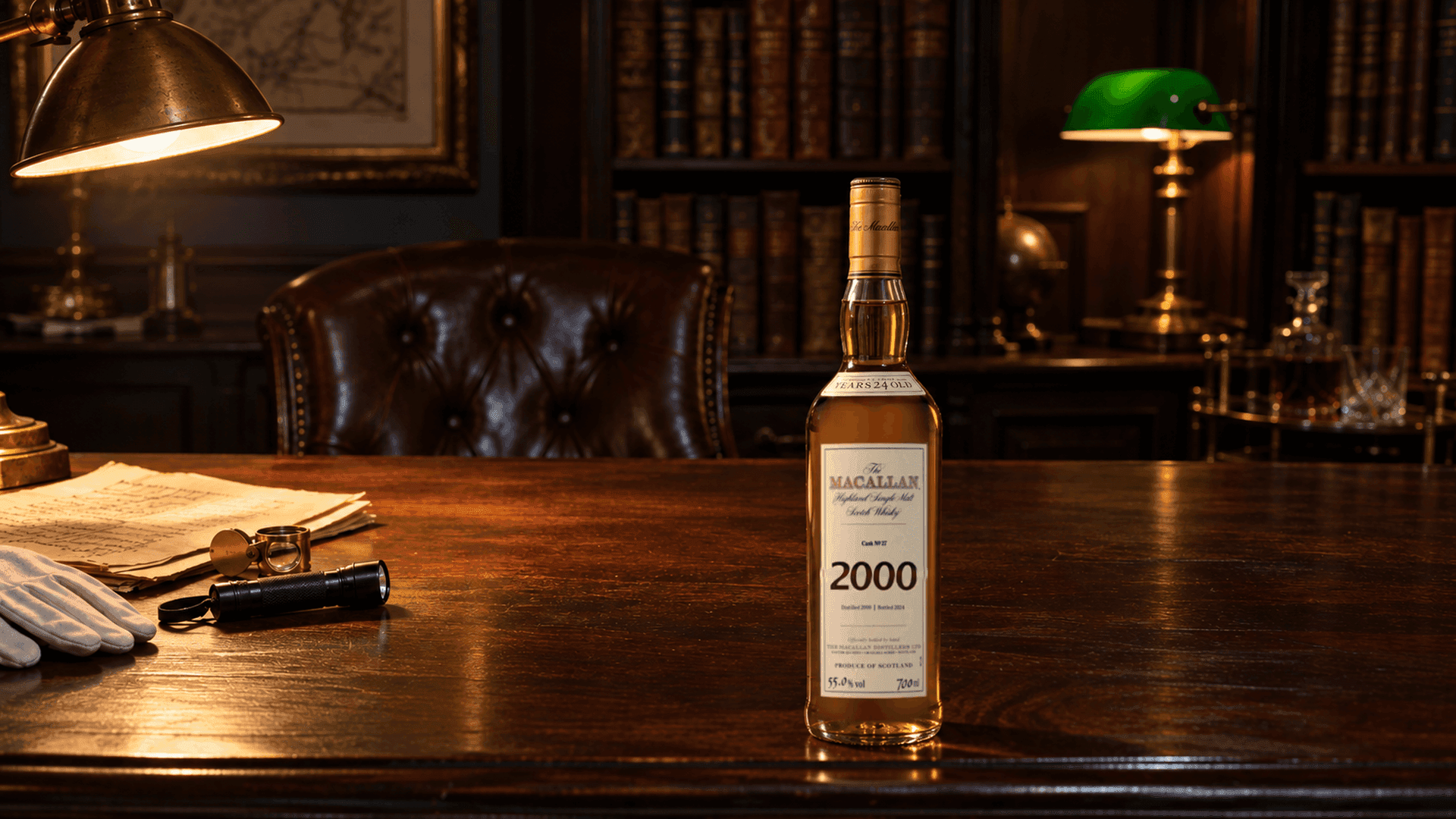
How Can You Tell If a Rare Whisky Bottle Is Fake? 7 Checks Before You Buy
You tell if a rare whisky bottle is fake by checking seven things before you pay: provenance and paperwork, the capsule and seal, the label printing and spelling, the fill level and colour, the bottle glass and mould codes, whether the price is realistic, and whether an independent expert has looked at it. None of these checks alone proves a bottle is genuine, but together they catch most of the common warning signs.
Key Takeaways
No single check proves a bottle is genuine. Provenance, physical condition and price all need to line up together.
In 2018, radiocarbon dating commissioned by Rare Whisky 101 and carried out by the Scottish Universities Environmental Research Centre found that every sampled bottle claiming a distillation date before 1900 was fake.
Sediment or small floating particles in an old, sherry matured whisky are usually a normal sign of age, not proof of a fake.
Fonts, spelling and print quality on the label are hard for counterfeiters to match exactly, especially on older releases with proprietary typefaces.
A price well below the going rate for that bottle, cask or vintage is one of the clearest warning signs on its own.
Independent authentication services and established auction houses can give a second opinion before a high value purchase.
Tip: Ask for close up photos of the capsule, the full label and the base of the bottle before you commit to buying, not just a single front on shot. Most of the checks in this guide depend on details a general listing photo will not show clearly.
Check Provenance and Paperwork First
Provenance means the documented history of who has owned a bottle and where it has been stored. For an older or rare bottle, ask the seller how long they have owned it, where it came from, and whether they have any original receipt, certificate or auction record. A bottle that has passed through a known collection, a distillery release with a numbered certificate, or a previous auction listing with photographs is easier to trace than one with no history at all.
A gap in the paperwork does not automatically mean a bottle is fake. Many genuine older bottles changed hands privately long before anyone thought to keep records. It does mean the other checks in this list carry more weight, and that a seller who cannot or will not answer basic questions about where the bottle came from is a reason to slow down.
Look Closely at the Capsule, Cork and Seal
The capsule, the metal or plastic cap over the cork, should sit securely with no looseness, no tool marks, and no sign it has been removed and refitted. A capsule that spins freely, looks re glued, or has an uneven or clumsy finish is worth questioning, particularly on a bottle that is supposed to be decades old and unopened.
Underneath, the cork and any wax seal should look consistent with the bottle's age and with genuine examples of the same release. A wax seal that looks freshly applied, a cork that sits at an odd angle, or a closure style that does not match other confirmed bottles from the same distillery and era are all details worth raising with the seller or an independent expert before you buy.
Check the Label Printing, Paper and Spelling
Distilleries and bottlers generally use proprietary typefaces and consistent print quality across a given release, and older labels reflect the printing methods available at the time they were made. Spelling mistakes, uneven letter spacing, a font that does not match confirmed genuine examples, or paper that feels too new or too crisp for a bottle's claimed age are all signs worth a closer look.
It helps to compare the label against a confirmed genuine photo of the same release, from the distillery's own archive, an auction house listing, or established whisky media, rather than relying on memory. Small, consistent differences across several details, rather than one odd detail alone, are the stronger signal.
Study the Fill Level, Colour and Sediment
Fill level and colour should be broadly consistent with other confirmed bottles from the same cask or batch, allowing for the slow evaporation that happens even in a sealed bottle over many decades. A fill level far below what you would expect for the bottle's age, or a colour that looks noticeably different from other examples of the same release, is worth asking about.
Sediment or small floating particles are often misread as a fault. According to Rare Whisky 101, sediment in old, sherry matured whisky is commonly calcium oxalate, formed as oxalic acid leaches from Spanish oak sherry casks over time, and its presence is usually a sign of genuine age rather than a problem. An old sherry cask whisky with no sediment at all can be just as worth questioning as one with visible particles.
Examine the Bottle Glass, Embossing and Mould Codes
Glass is harder to fake convincingly than a label. Genuine bottles from a given era typically show mould seams, glass thickness and embossed marks or codes on the base that are consistent with other confirmed examples from the same period and glassworks. A bottle shape, glass colour or base marking that does not match other genuine bottles from the same release is a signal worth investigating further, ideally with the help of someone who has handled other confirmed examples.
Be Wary of a Price That Looks Too Good to Be True
Rare and older bottles trade within a fairly well documented price range, set by recent auction results and comparable listings. A bottle priced noticeably below what similar examples have achieved at auction or on established marketplaces is one of the simplest warning signs available to a buyer, and it costs nothing to check. Before paying, compare the asking price against recent results for the same bottle, cask or vintage from an established auction house.
Know Who Can Authenticate a Rare Bottle
For a high value or otherwise uncertain bottle, a second opinion from someone outside the sale is worth the time. Independent authentication specialists such as Rare Whisky 101 assess older and rare bottles professionally, and established auction houses, including Bonhams and Whisky Auctioneer, vet consignments and seek second opinions from industry specialists before a sale. For more on how the two main routes into the secondary market compare, see Buying Whisky at Auction vs From a Store and What Are the Best Premium Spirits Auctions Based in Europe.
On Spiritory, bottles listed by private sellers are checked from photographs by Spiritory's own experts before a buyer pays, typically within 60 minutes to 48 hours. This photo check covers what is visible in the listing images and sits alongside, rather than in place of, the checks in this guide, particularly for an older or high value bottle where a buyer wants more certainty.
Tip: Treat this as a cumulative check, not a single pass or fail test. A bottle that raises one small question on one point is common and often harmless. A bottle that raises questions on several points at once, especially provenance and price together, deserves more caution.
FAQ
What is the single most reliable way to tell if a rare whisky bottle is fake?
There is no single reliable test. Provenance, the capsule and seal, label printing, fill level and colour, the glass itself, and the price all need to be checked together, and a genuine bottle from a known source will usually pass all of them without raising a question.
Is sediment in an old whisky bottle a sign that it is fake?
Not on its own. Sediment in old, sherry matured whisky is commonly caused by calcium oxalate forming naturally over time, and its presence is usually a sign of genuine age rather than a fault or a fake.
Are bottles claiming a 19th century distillation date especially risky?
Yes. Radiocarbon dating commissioned by Rare Whisky 101 in 2018 found that every bottle sampled with a claimed distillation date before 1900 was fake, out of 21 bottles confirmed as fake or misdated among 55 tested overall.
Does Spiritory authenticate every bottle sold on the platform?
Bottles listed by private sellers are checked from photographs by Spiritory's experts before the buyer pays. This is a photo based check on the listing images, not a physical inspection of every bottle, so the checks in this guide remain useful for a buyer's own judgement.
Who can give an independent opinion on a bottle before I buy it?
Independent authentication specialists such as Rare Whisky 101, and established auction houses such as Bonhams and Whisky Auctioneer, regularly assess older and rare bottles and can offer a second opinion, particularly for a high value purchase.
- Key Takeaways
- Check Provenance and Paperwork First
- Look Closely at the Capsule, Cork and Seal
- Check the Label Printing, Paper and Spelling
- Study the Fill Level, Colour and Sediment
- Examine the Bottle Glass, Embossing and Mould Codes
- Be Wary of a Price That Looks Too Good to Be True
- Know Who Can Authenticate a Rare Bottle
- FAQ
About the author

Janis Wilczura
I'm one of Germany's leading whisky experts, featured in Handelsblatt and BILD. To me, whisky is craftsmanship and art.
To the author