

Reach thousands of whisky and spirits lovers every day.


Buying Whisky at Auction vs From a Store: Which Is Better?
 by Max RinkI’m a whisky enthusiast and aspiring writer, exploring new flavours and the stories behind every bottle.
Follow Spiritory on Google News to get our latest guides and releases delivered straight to your feed.
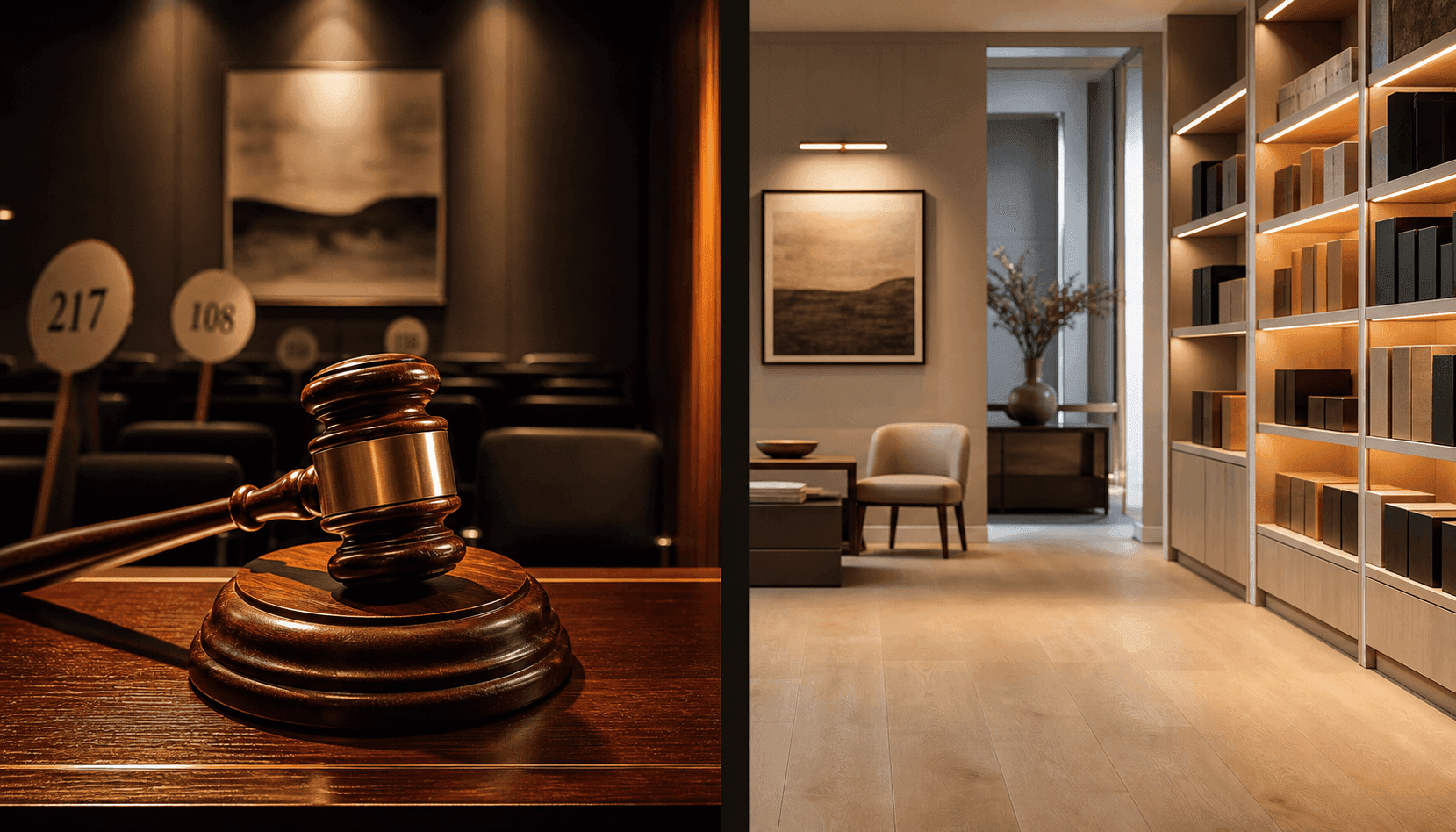
Buying Whisky at Auction vs From a Store: Which Is Better?
Key Takeaways
Auction houses offer access to discontinued and rare bottles but charge 10-20% buyer's premiums, require condition assessment risk, and often see inflated prices during hype cycles.
Specialty retailers (spiritory.com) offer guaranteed authenticity, curation by expertise, current allocation access, and stable pricing, but limited inventory and no access to discontinued bottles.
Auction prices for common bottles (current-release Macallan 12, Glenlivet 15) typically exceed retail by substantially, making retail a better value for drinking and learning.
Rare discontinued bottles (Yamazaki 18 discontinued, Hibiki 30 gone) are auction-only; retail access to these is extremely limited.
Strategic approach: Buy current releases at retail for foundations, use auctions for specific gaps or rare targets post-hype, never bid during initial-release hype cycles.
Auctions: Rarity, Premium Pricing, and Hidden Costs
Access to Discontinued and Vintage Bottles
Auction houses are the primary source for bottles no longer in production. A Yamazaki 18 discontinued in 2018 appears at auction multiple times per year as original owners age, retire, or disperse collections. A Hibiki 30 (discontinued 2011) or a 1970s Balvenie only exist on auction. These bottles are legitimate rarities: no new supply enters the market, only existing bottles recirculate. For collectors seeking specific vintage years or discontinued age statements, auctions are often the only option. Whisky Auctioneer, Just Whisky Auctions, and Scotch Whisky Auctions each run 5-10 bottles-of-note per week, surfacing bottles you'd never encounter at retail.
Buyer's Premiums and Hidden Costs
Every auction lot carries a buyer's premium: typically 10-20% above the final hammer price, so the figure you see advertised is never the price you actually pay. Additionally, shipping (which varies by destination), insurance, import duties (in non-EU zones), and storage costs (if holding at the auction house) add silently to total acquisition cost. A rare Yamazaki 18 hammer price can become a meaningfully larger purchase once all of these costs are included. Many new auction buyers don't factor premiums into bids, resulting in overpayment. Always calculate total cost of ownership before bidding: hammer price plus roughly 10-20% for the premium, plus shipping and duties.
Condition Risk and Provenance Uncertainty
Auction bottles are sold as-is from dispersing collections. Provenance is often unknown: the seller may have stored the bottle in a warm attic for decades, exposing it to temperature swings and oxidation. Labels may be damaged, capsules loose, fill levels low. Professional auction houses inspect and describe condition, but they have incentive to present bottles favorably. A five-figure hammer price applies to a rare bottle described as "exceptional condition" or "good condition". The difference is material, but you can't inspect in person before bidding. Retail bottles, by contrast, are guaranteed authentic, professionally stored, and inspected by the retailer; you can open it immediately without worried about prior storage damage.
Tip: Never bid on auction bottles during initial-release hype (the first three to six months after release). A premium release often auctions well above its original retail price in the first few months as impatient collectors overpay. Waiting twelve to eighteen months typically lets prices settle closer to long-term value. Patience on auctions allows you to bid at more sustainable price points.
Retail: Authenticity Guarantee, Stability, and Curation
Guaranteed Authenticity and Professional Curation
Specialty retailers like spiritory.com source bottles directly from distributors or distilleries, maintain chain-of-custody documentation, and guarantee authenticity or offer full refunds. Every bottle is inspected, professionally stored, and described with full lot details. Retail staff (real whisky experts, not auction floor operators) provide context: "This Mortlach is from a rare ex-bourbon cask, higher ABV than official releases, similar character to a discontinued Talisker 30." This expertise, combined with guaranteed authenticity, creates confidence and learning. You're not just buying whisky; you're receiving curation and education. The price premium over auction reflects this expertise and guarantee.
Current Allocation and Immediate Possession
Retail is the primary channel for current releases: new Macallan, Hibiki, Glenfiddich, Dalmore bottlings ship to retailers before auctions. If you're collecting new releases or pursuing allocation fairness (first-come, relationship-based fairness rather than deep-pocket auction wins), retail is the only option. You also possess immediately: order on Monday, bottle arrives by Wednesday. No waiting for auction closings, no inspection periods, no shipping delays. For collectors building foundations with current releases, retail efficiency and immediate access are valuable.
Stable Pricing and Predictable Values
Retail pricing is stable and transparent. A Hibiki Harmony costs roughly the same whether you buy it at spiritory.com or at a competing retailer, and a Glenlivet 15-year carries a consistent price across markets. This consistency means you can plan acquisitions around a known, predictable cost per bottle. You're not competing against affluent bidders in real-time auctions; you're securing allocation based on availability and fairness. For collectors with limited budgets, stable pricing and fairness of access are more valuable than auction access to rare bottles.
No Premium, No Surprises
Retail pricing is what you see. There are no buyer's premium surprises, no hidden inspection fees, and no auction commissions: the listed price is the price you pay, plus standard shipping. This transparency makes retail well suited to budget-constrained collecting, since you know your cost per bottle and can plan annual spend confidently. Auctions, by contrast, can create bidding spirals where emotional attachment inflates hammer prices well beyond what a buyer originally intended to pay.
Strategic Deployment: When to Use Each Channel
Retail for Building Foundations
Your first 10-15 bottles should come from retail. You're learning palate, discovering distillery styles, and establishing reference expressions. Retail's diversity (50+ current releases in stock) and expert curation (staff recommendations) accelerate learning. Retail pricing for current releases is also the lowest total cost: the same bottle typically costs more at auction months later than it did at retail on release. Build the majority of your collection at retail; auction access to the same current releases is economically inefficient.
Auctions for Specific Gaps and Rare Targets
Once you understand your palate (12+ months of collecting), use auctions to acquire specific bottles you've identified as personal targets: a 1990 Dalmore bottled 15 years ago, a Yamazaki 18 discontinued 2018, a rare Gordon MacPhail cask from a distillery you love. Set a price ceiling before bidding (capped at 80% of future value, accounting for buyer's premium and risk), and walk away if exceeded. Auctions work well for targeted acquisition, not impulse collecting.
Timing: Avoid Hype, Harvest Post-Hype
Never bid on new-release auctions during the first six months. A newly released Macallan 25 typically auctions well above its retail price in the first few months, then gradually eases as scarcity hype fades, before settling closer to sustainable secondary market value after twelve to eighteen months. If you miss retail allocation, wait and buy from auction once hype fades. This strategy allows you to acquire bottles at more reasonable price points versus chasing new releases through auction.
Geographic Arbitrage (Cautiously)
EU collectors can sometimes find better pricing at European retailers than UK auctions (due to VAT treatment), and vice versa. However, import duties and logistics usually erase arbitrage. spiritory.com operates EU-wide with efficient shipping; attempting arbitrage across zones rarely saves money after duties and complexity. Stick with your local or EU retailer network; auction arbitrage is rarely profitable.
FAQ
Is buying at auction cheaper than retail for rare bottles?
No, typically more expensive. Even rare discontinued bottles often auction for more than their original retail price when new, once time and risk premium are factored in. You're paying for rarity and access, not for deals. Auctions can feel like a discount when you compare a current-release Yamazaki 12 at retail to a discontinued 2015 Yamazaki 18 at auction, but that price gap reflects vintage appreciation, not an auction discount. Buy at auction for access to unobtainable bottles, not for price advantage.
How do I avoid counterfeit bottles at auction?
Use only established, regulated auction houses (Whisky Auctioneer, Christie's, Sotheby's, Bonhams). These houses verify provenance and offer refunds for proven counterfeits. Avoid anonymous eBay sellers or grey-market sites. If provenance is unknown or seller unestablished, assume risk is high. For guaranteed authenticity, buy from retail only.
Should I buy investment-grade bottles only at retail or auctions?
Retail for allocation access to new releases you believe will appreciate (Hibiki Harmony, Yamazaki 12 when allocation is scarce). Hold 3-5 years, then sell on auction. Don't buy on auction for investment; you're entering post-hype, paying premium prices, and buying bottles others are liquidating. The profit opportunity is getting to retail allocation first.
What's the best first auction purchase for a new collector?
Skip first auctions entirely. Build 15-20 bottles through retail first, develop your palate, then identify a specific bottle you genuinely want (not just what's available to bid on). Your first auction purchase should be a target, not an impulse. Set a budget cap, stick to it, and expect to lose some auctions; that's healthy discipline.
Can I return auction bottles if I'm unhappy?
Generally no. Auction sales are final, as-is. Some auction houses offer a brief inspection period (24-48 hours) to verify condition matches description; if condition is materially different (leaked, damaged label), you may request a return or credit. But buyer's remorse is not grounds for return. Retail, by contrast, often accepts returns within 30 days. This difference makes retail more suitable for experimental purchases and new collectors.
About the author

Max Rink
I’m a whisky enthusiast and aspiring writer, exploring new flavours and the stories behind every bottle.
To the author