

Reach thousands of whisky and spirits lovers every day.


How Long Does an Open Bottle of Whisky Last?
 by Christopher Deutsch I drink and collect with intention, drawn to the sherried depth of Dalmore and the balance of Yamazaki.
Follow Spiritory on Google News to get our latest guides and releases delivered straight to your feed.
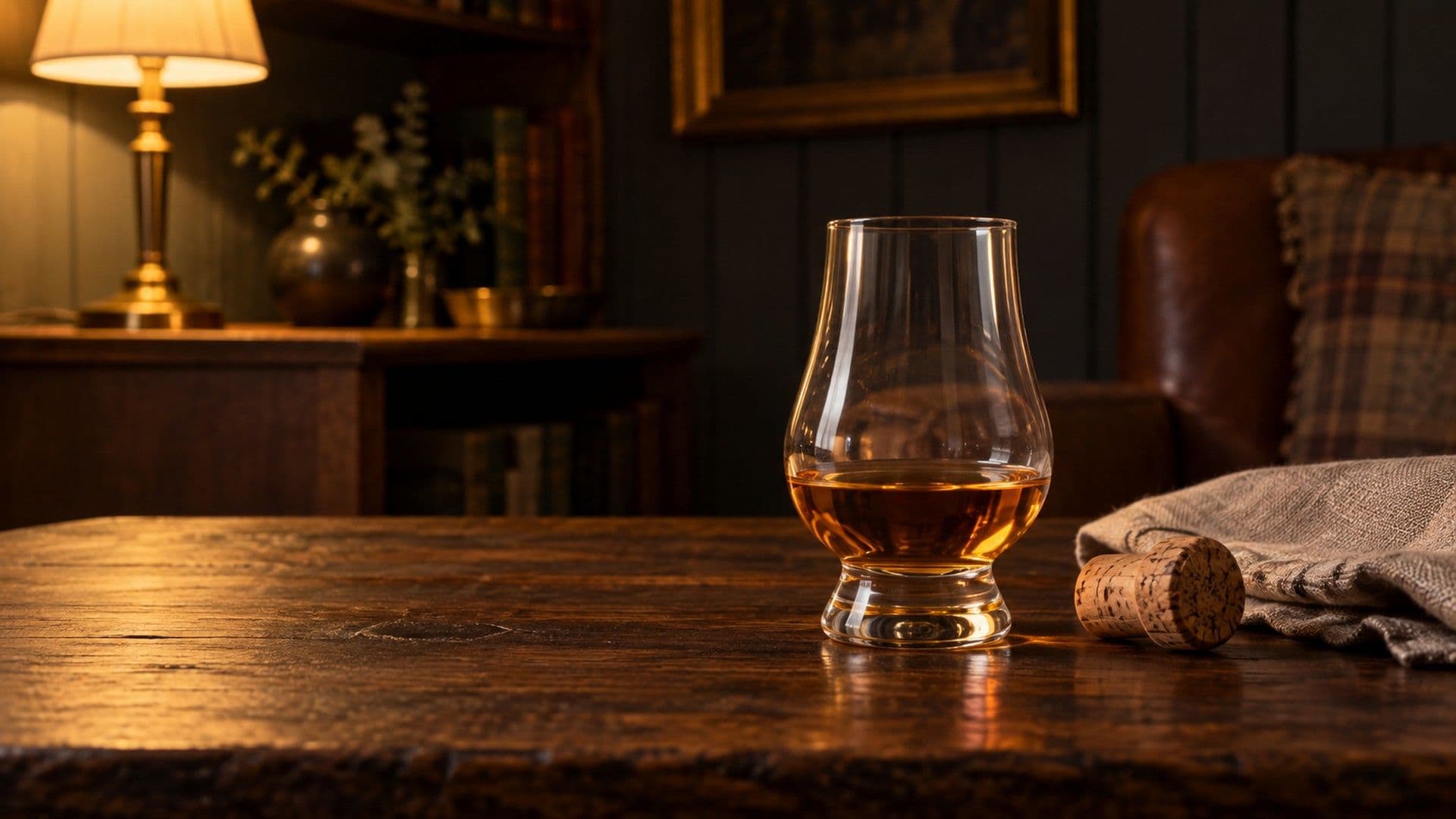
How Long Does an Open Bottle of Whisky Last?
An open bottle of whisky is not unsafe to drink, but it slowly loses aroma and flavour, and published estimates run from a few months to about two years for a bottle that is at least half full. A fuller bottle holds up longer, because less air sits above the liquid, and every source gives a different figure, so treat all of them as guidance.
Key Takeaways
Whisky does not turn dangerous after opening. Contact with air starts a slow change in aroma and flavour, which is a matter of taste, not safety.
Fill level matters most. Angel's Envy says a bottle more than half full can last several years with minimal change, while Arran Distillery says flavour should stay unchanged for several months to two years in a bottle that is at least half full.
The estimates differ widely. Lakes Distillery says change can appear in as little as a week and suggests finishing a bottle within a couple of months, while The Whiskey Wash notes that some drinkers say up to five years is fine.
Keep the bottle upright, out of the light and at a steady room temperature. Glenora Distillery and Arran Distillery both name 15 to 20°C as ideal.
Moving whisky into a smaller bottle as the level falls reduces the air it sits with. Distilleries and retailers suggest different points to do it.
An unopened bottle keeps its character because the whisky stops maturing at bottling.
Tip: Note the date you opened the bottle on the label or the box. A date and a rough fill level are all you need to decide later whether to finish it, move it to a smaller bottle or leave it as it is.
What Happens to Whisky When You Open the Bottle?
Once the bottle is opened, the whisky meets oxygen. Glenora Distillery describes this as the start of a slow process of oxidation that can alter the flavour profile over time, without making the whisky unsafe. It adds that whisky is naturally protected from bacterial growth, so the change is about taste, not health. The Whisky Shop, a UK retailer, also calls oxidation a relatively slow process.
The key idea is the air above the liquid. Every time you pour a dram, a little more air takes its place. Arran Distillery explains that the emptier the bottle, the more air touches the whisky. The Whisky Shop puts it the same way: the more air in a bottle, the faster the whisky oxidises. Arran Distillery also notes that whisky takes up water from the air, because ethanol attracts moisture.
The change is not always a loss. Margarett Waterbury of The Whiskey Wash describes tasting a spirit a month later and finding it more integrated and cohesive. She presents this as an observation, not a measured result, but it shows that a little air does not ruin a bottle.
How Does Fill Level Change How Long an Open Bottle Lasts?
Fill level is the best guide, but the sources give different numbers. They do not even agree on where the line sits, so use them as ranges.
More than half full. Angel's Envy says a bottle more than half full can last for several years with minimal flavour changes. Arran Distillery says flavour should stay unchanged for several months to two years if the stopper is pushed in tight and the bottle is at least half full.
Half full or less. Angel's Envy says a bottle less than half full should ideally be finished within a year or two, because oxidation speeds up as the empty space grows. Tasting Table, citing BinWise, gives one to two years for a bottle that is at least half full.
A quarter full or less. Tasting Table, again citing BinWise, says about six months.
Some voices are more cautious. Lakes Distillery says a change in flavour and character can occur in as little as a week, depending on the ratio of air to spirit, yet it also says a bottle can be enjoyed many months after opening. It advises finishing a bottle within a couple of months and not keeping many bottles open at once. At the other end, The Whiskey Wash reports that some say to finish bottles within one to two years, while others say up to five years is alright.
The honest summary is that nobody can give one number. The result depends on the whisky, the closure, the storage and your own palate, and a figure from one distillery is not a rule for every bottle.
What Changes in the Glass, and When Is a Bottle Truly Off?
The changes are usually quiet. The Whiskey Wash says open bottles start to oxidise, losing some fragrance and flavour. Arran Distillery adds that colour may fade and the finish may become less smooth once a bottle has been open for a long time and is running low.
A bottle that has simply gone flat is still safe. The Whisky Shop says whiskies do not go off the way other alcohol does, and that the only reasons to throw a bottle away are a mouldy cork or an unusual taste or smell, which it describes as rare. If you are unsure, pour a small glass and compare it with what you remember. Your own nose is the best test.
Evaporation plays a smaller part. The Whisky Shop notes that the colder the space, the less whisky evaporates from the bottle, which is one more reason to keep opened bottles away from heat.
Why Does an Unopened Bottle Keep Its Character?
Whisky matures only in the cask. Glenora Distillery states that once whisky is bottled, the ageing process halts, so a bottle neither improves nor ages further on the shelf. Arran Distillery gives the example that a 10 year old whisky stays 10 years old, whereas wine keeps changing in the bottle until the cork is removed.
A sealed bottle also has almost no contact with oxygen. Glenora Distillery, Arran Distillery and Angel's Envy all say an unopened bottle can last indefinitely if it is stored properly. The condition is the seal and the storage. For the longer view on sealed bottles, including storage in Germany, see our guide to storing whisky in Germany for the long term.
Where Should You Keep an Open Bottle?
The advice from distilleries and media is consistent on four points.
Upright. Glenora Distillery says that unlike wine, whisky should be stored vertically. Arran Distillery explains that this keeps the cork from sitting in the liquid and breaking down. The Whiskey Wash agrees that spirits can eat away at a cork.
Away from light. Glenora Distillery says ultraviolet rays can break down the chemical compounds in whisky and cause discoloration. Arran Distillery advises a dark place or a cabinet away from windows, and The Whiskey Wash suggests keeping bottles behind a cabinet door.
Away from heat. Angel's Envy names light and temperature variation as the two factors to watch. The Whiskey Wash says room temperature is okay but advises against going hotter.
Steady. Glenora Distillery and Arran Distillery give 15 to 20°C as ideal. Lakes Distillery suggests 15 to 18°C for an opened bottle. Arran Distillery warns that swings in temperature make the cork expand and contract.
Arran Distillery also says too much humidity can make a cork lose its shape or go mouldy and can damage labels. In short, a closed cupboard in a cool, dry room does the job. A sunny shelf above a radiator does not.
How Do You Look After the Cork?
Wine bottles lie on their side so the cork stays wet. Whisky is different. The Whiskey Wash explains that spirits can eat away at a cork, adding off flavours and potentially ruining the seal. Lakes Distillery adds that whisky corks are not designed to be wet.
In practice that means pressing the stopper in fully after each pour so no air sneaks in. Arran Distillery says to keep opened bottles tightly sealed and, for bottles without a cork, suggests protective film wrapped over the opening. The Whiskey Wash describes Parafilm, a laboratory seal, as a way to slow oxidation and stop the fill level from dropping over time.
Advice on tilting differs. Glenora Distillery suggests giving bottles an occasional tilt to keep the cork from drying out. Lakes Distillery recommends tilting sealed bottles two or three times a year. Arran Distillery and The Whiskey Wash, by contrast, want the cork kept away from the liquid. If you are unsure, upright and tightly sealed is the safer default.
Should You Move Whisky Into a Smaller Bottle?
This is the most widely suggested fix for a bottle that has run low, though the sources disagree on when to do it.
The Whisky Shop recommends it once more than half the bottle has been consumed.
Arran Distillery says to transfer the whisky when the bottle is more than half empty.
Glenora Distillery advises pouring it into a smaller bottle to reduce the amount of air in the container.
Lakes Distillery sets the point later, at less than a third remaining.
The logic is simple. A half empty 700ml bottle holds far more air than a full 350ml bottle with the same amount of whisky. Lakes Distillery also says a decanter offers no added benefit over an open bottle, because loose glass toppers are not airtight. If you do decant, a clean glass bottle with a tight stopper, filled as high as possible and labelled with the name and date, follows the same principle of keeping air to a minimum.
Tip: Decide when you open a bottle how you will finish it. A bottle shared over a few weeks needs no special care, while one you pour once a month is the case for moving the rest into a smaller bottle.
FAQ
Can whisky go bad after opening?
It does not become unsafe. Glenora Distillery says whisky is naturally protected from bacterial growth, but oxygen slowly dulls the flavour. Estimates for a bottle at least half full run from several months to about two years, and the time shortens as the level drops.
Does whisky keep improving in the bottle?
No. Glenora Distillery and Arran Distillery both state that ageing stops at bottling. An unopened bottle should stay much as it was filled if it is stored properly.
Should I store an opened bottle upright or on its side?
Upright. Glenora Distillery and Arran Distillery both say whisky should be stored vertically, and The Whiskey Wash says spirits can eat away at a cork.
When should I move whisky to a smaller bottle?
The sources differ. The Whisky Shop and Arran Distillery suggest doing it once the bottle is about half empty, while Lakes Distillery waits until less than a third remains. Use a clean glass bottle with a tight stopper.
How long does a half full bottle last?
There is no single answer. Arran Distillery says several months to two years, Angel's Envy says a year or two for a bottle less than half full, and Lakes Distillery advises finishing within a couple of months. Treat these as guidance that varies with the whisky and how it is stored.
- Key Takeaways
- What Happens to Whisky When You Open the Bottle?
- How Does Fill Level Change How Long an Open Bottle Lasts?
- What Changes in the Glass, and When Is a Bottle Truly Off?
- Why Does an Unopened Bottle Keep Its Character?
- Where Should You Keep an Open Bottle?
- How Do You Look After the Cork?
- Should You Move Whisky Into a Smaller Bottle?
- FAQ
About the author

Christopher Deutsch
I drink and collect with intention, drawn to the sherried depth of Dalmore and the balance of Yamazaki.
To the author