

Reach thousands of whisky and spirits lovers every day.


Highball vs. Neat vs. On the Rocks: Which Serve for Which Whisky?
 by Max RinkI’m a whisky enthusiast and aspiring writer, exploring new flavours and the stories behind every bottle.
Follow Spiritory on Google News to get our latest guides and releases delivered straight to your feed.
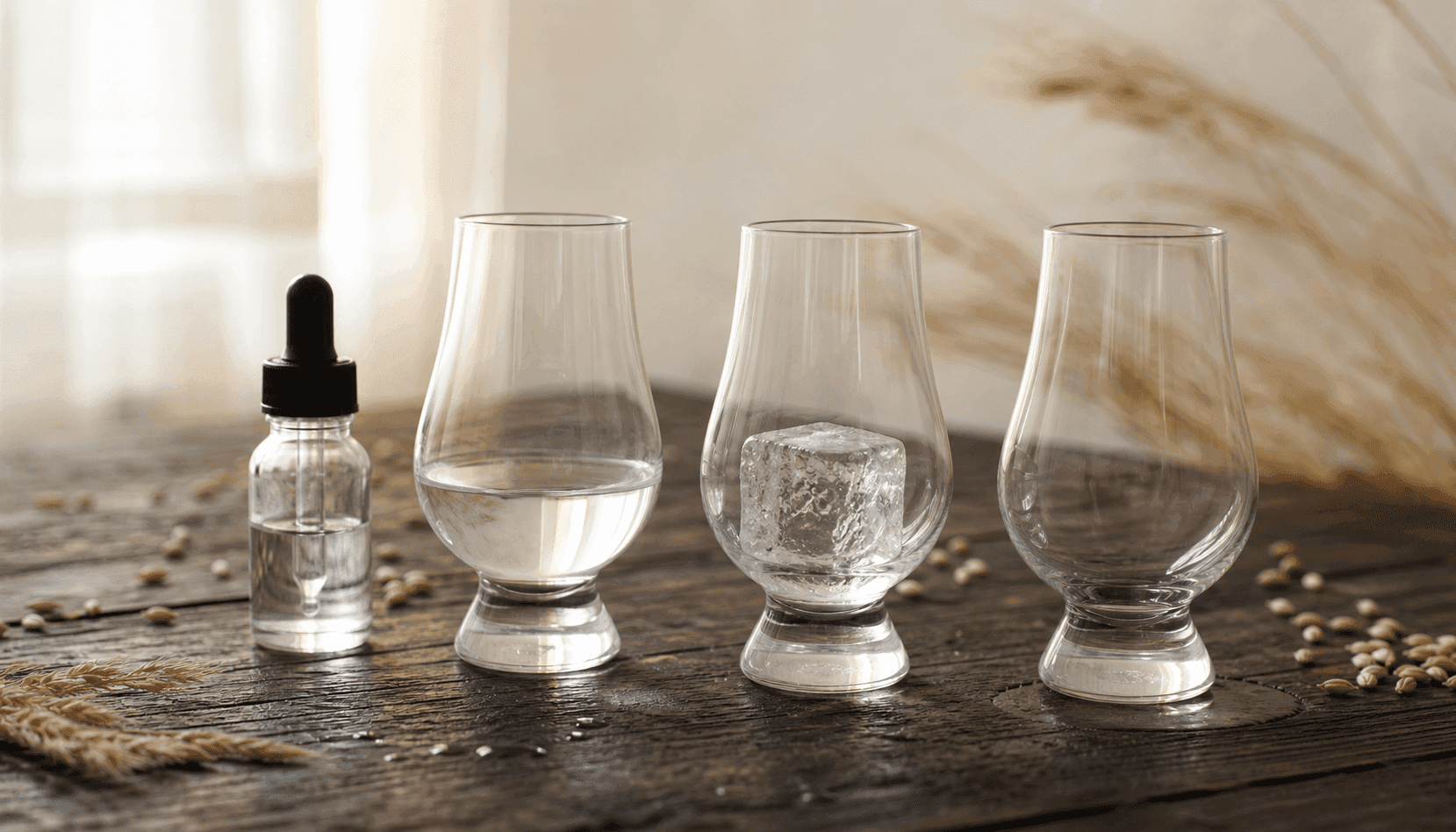
Highball vs. Neat vs. On the Rocks: Which Serve for Which Whisky?
Key Takeaways
Neat is ideal for complex, well-aged expressions where the full aromatic and flavour profile deserves unmodified attention.
A few drops of still water (not ice) opens up many whiskies more effectively than any other single adjustment, revealing aromatic compounds that are otherwise bound by alcohol.
Ice chills the spirit and slows dilution, which suits high-ABV or heavily peated expressions in a relaxed drinking context but suppresses aromatics and delicate flavour nuances.
The highball is ideal for lighter, floral, or grain-forward whiskies, particularly Japanese expressions designed specifically for this format.
The serve should follow the whisky's character, not the occasion or habit: a delicate 21-year-old Speyside deserves neat attention; a robust peated dram may open beautifully over a single large cube.
Explore the full range of whisky styles suited to different serves on Spiritory.
The Three Classic Serves Explained
Each of the three primary serves produces a fundamentally different drinking experience with the same whisky. The differences are not subtle, particularly at the extremes. A complex aged single malt served neat and the same whisky served as a highball are almost different drinks in terms of how the flavours present and evolve.
Neat
Serving a whisky neat means pouring it directly into a glass at room temperature, without ice, water, or mixer. This is the most direct way to experience a whisky's full character, for better and for worse. High-proof expressions served neat can present a significant alcohol sensation on the nose before the flavour fully registers. But for well-balanced expressions at appropriate proofs, or for whiskies that have been reduced to standard bottling strength, neat is the most revealing serve available.
On the Rocks
On the rocks means served over ice. The ice chills the spirit, which suppresses some volatile aromatics but also slows the rate at which alcohol evaporates from the glass, making the nose more approachable for high-proof expressions. As the ice melts, the drink gradually dilutes, changing character as you drink it. The experience is different at the first sip from what it is ten minutes later.
Highball
A highball is a long drink: whisky served over ice in a tall glass, topped with sparkling water. The carbonation extends the whisky's volume and lifts aromatic compounds to the nose, producing a fresh, lighter version of the spirit's character. The highball is particularly well-suited to lighter whiskies whose delicacy benefits from being extended rather than concentrated.
When to Drink Neat
Neat is the appropriate serve when the whisky in question has complexity and balance that rewards full, undiluted attention. Not every whisky benefits from being served this way, but the best expressions do.
Complex Aged Expressions
An aged single malt with deep oak integration, dried fruit, and layered spice notes has earned the contemplative attention of a neat pour. Serving it over ice suppresses many of the subtle aromatics that make it interesting. Serving it as a highball dilutes the character to the point where complexity is lost. A well-aged expression like Macallan 18 or a rare Speyside from a prestige producer belongs in a tulip glass without modification.
Adding a Drop of Water
It is worth distinguishing between "neat" and "without any water." For many expressions, particularly those bottled at cask strength or above 50 per cent ABV, adding a few drops of still water to the glass before nosing can be more revealing than leaving the spirit undiluted. Water breaks down molecular clusters in the spirit, releasing aromatic compounds that would otherwise remain bound. This is not dilution in the cocktail sense; it is a tool for opening up the whisky. Try adding water with a pipette or a small teaspoon and assess the change before committing to a full dilution.
When to Use Ice
Ice is a legitimate and often pleasurable serving choice, but it is worth understanding what it does and which whiskies benefit from it versus which ones it diminishes.
The Effect of Cold on Whisky
Chilling whisky suppresses the volatility of aromatic compounds, which means less reaches the nose. For very delicate, aromatic expressions, this is a significant trade-off. For higher-proof, more robust expressions, the reduction in alcohol-forward nose can actually improve the drinking experience, allowing the spirit's underlying flavours to present more clearly. A cask-strength Islay expression or a high-proof bourbon served over a single large cube can be an excellent experience precisely because the cold tames the ABV presentation.
Ice Cube Size Matters
The rate of dilution from ice depends on the surface area of the ice relative to its volume. Small ice cubes melt faster than large ones, producing rapid dilution that changes the drink's character quickly and can water it down to an uninteresting degree within minutes. A single large cube or sphere melts much more slowly, providing a gentle chill without aggressive dilution. For any serious whisky served on the rocks, a large cube is not optional.
Which Whiskies Suit Ice
Full-bodied, high-proof expressions, particularly cask-strength bottlings, heavily peated whiskies at standard proof, and robust blended Scotch used in a relaxed social context, all benefit from the tempering effect of ice. Light, delicate single malts, expensive aged expressions, and anything specifically designed for neat appreciation are diminished rather than improved by ice.
Tip: Before defaulting to ice, try the whisky neat first, then add a few drops of still water. Only after assessing both options should you decide whether ice adds to or detracts from the experience. Most whisky drinkers who form a habit of starting neat find they use ice less often as their palate develops.
When to Make a Highball
The highball is underused in European whisky culture relative to its prevalence in Japan and the United States, where it is a mainstream serve. Its case is strongest for specific whisky styles and contexts.
Light, Floral, and Grain-Forward Whiskies
Japanese whisky was in many cases designed with the highball in mind. Light expressions such as Suntory Toki or Nikka Days extend beautifully in carbonated water, their delicate cereal and orchard notes lifted by the effervescence in a way that makes them more interesting, not less. Lightly peated expressions with fresh character also suit the highball format.
Everyday Drinking and Warm Weather
In hot weather or informal social contexts, the highball transforms what might otherwise be an overly intense neat pour into a refreshing, sessionable drink. A good blended Scotch or accessible Japanese expression served as a highball on a summer evening occupies a role similar to a dry, crisp aperitif. The format also makes the bottle last longer, which is a practical consideration for everyday enjoyment.
Whiskies to Avoid in a Highball
Very old, complex aged expressions lose too much of their character in dilution to justify the highball format. Heavily sherried, richly fruited expressions at lower volumes get lost in the sparkling water. Save delicate aged bottles for neat or lightly watered appreciation; reserve the highball for expressions where the refreshing format adds more than it takes away.
Matching Serve to Whisky Style
The practical guide below summarises which serves work best for the major whisky styles.
Speyside Single Malt (12-18 years)
Neat with a few drops of water. The fruit-forward, floral character rewards undiluted attention. Ice suppresses delicacy unnecessarily.
Islay Peated Single Malt (standard proof)
Neat or over a single large cube. The smoke survives both serves; ice tames the alcohol and allows the saline mineral character to emerge more clearly. Highball works if the peat level is moderate rather than extreme.
Cask Strength (any region)
A few drops of water added gradually to find the personal preference point, or over a single large cube. Neat at full strength is an option for experienced drinkers; the ABV can otherwise overwhelm the aromatics on first nose.
Japanese Single Malt
Neat for evaluating, highball for drinking. The two purposes are distinct, and the same bottle can serve both admirably.
FAQ
Does adding water to whisky ruin it?
No. Adding a small amount of water, a few drops to a teaspoon depending on the expression and bottling strength, frequently improves the tasting experience by opening up aromatics and making the spirit more approachable. The key is to add water gradually and assess the change rather than adding too much at once.
Is it wrong to drink whisky on the rocks?
No. Drinking whisky over ice is a personal choice and a legitimate serve for many expressions, particularly at higher proof levels. The trade-off is reduced aromatic complexity in exchange for a colder, more approachable drinking temperature. For casual social drinking or warm weather, ice is entirely appropriate.
What is the best way to drink Japanese whisky?
For appreciation, neat with a drop of water. For everyday pleasure, as a highball with quality sparkling water and good ice. Japanese whisky is specifically designed to perform well in highball format, and many Japanese producers explicitly recommend this serve.
Can I make a highball with any whisky?
Technically yes, though not every whisky benefits from the highball format. Light, fresh, or moderately complex expressions translate well; aged, heavily sherried, or extremely complex single malts tend to lose more character than they gain in dilution. Use the highball where it serves the whisky, not as a default for everything.
About the author

Max Rink
I’m a whisky enthusiast and aspiring writer, exploring new flavours and the stories behind every bottle.
To the author