

Reach thousands of whisky and spirits lovers every day.


German Single Malt Whisky: The Distilleries Changing the Map
 by Max RinkI’m a whisky enthusiast and aspiring writer, exploring new flavours and the stories behind every bottle.
Follow Spiritory on Google News to get our latest guides and releases delivered straight to your feed.
German Single Malt Whisky: The Distilleries Changing the Map
Key Takeaways
Germany's Whisky-Verordnung requires a minimum of three years maturation in oak, setting a quality floor that protects the category's reputation.
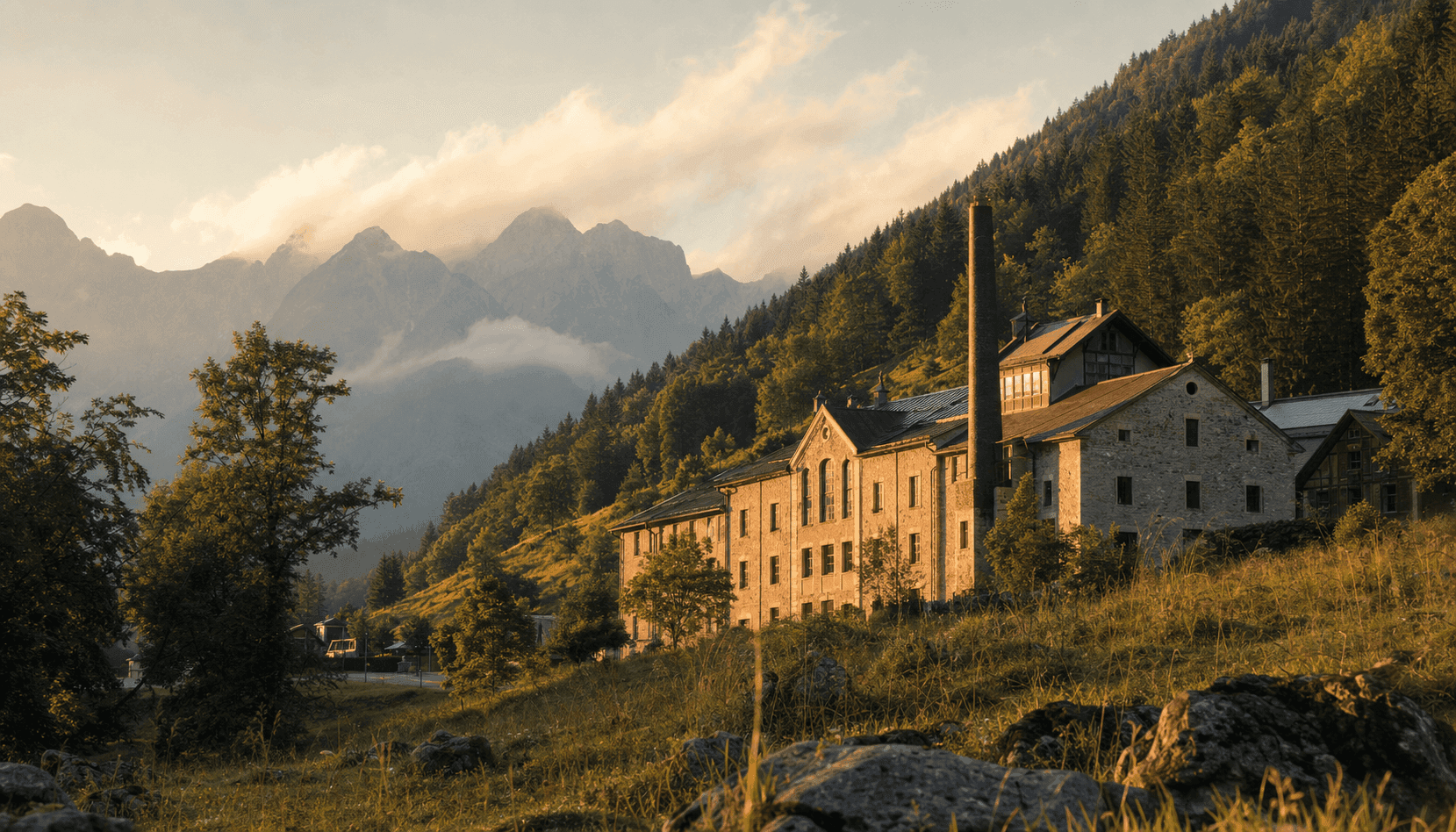
Bavaria dominates production, led by SLYRS at Schliersee, using locally grown Bavarian barley and Alpine maturation conditions.
Blaue Maus in Franconia claims the title of Germany's oldest private single malt distillery, with bottles that carry genuine collector appeal.
Spreewood in Brandenburg brings a rye-forward character that distinguishes it clearly from the malt-focused Bavarian producers.
German single malt is increasingly appearing on secondary markets, with early releases from established distilleries attracting premium prices.
The category benefits from its position at the intersection of two strong German consumer instincts: craft provenance and investment-grade collecting.
The Legal and Regulatory Foundation
The Whisky-Verordnung
German whisky production is governed by the Whisky-Verordnung, the spirits regulation that establishes minimum requirements for any product labelled as whisky in the German market. Most critically, this mandates a minimum of three years maturation in oak casks, aligning Germany with the standards set by Scotch and Irish whisky regulations. This legal floor matters: it prevents the market being diluted by very young spirits and gives consumers a baseline assurance of quality when purchasing domestic German whisky.
What German Single Malt Means in Practice
A German single malt, by convention, is produced from 100 percent malted barley, distilled at a single distillery, and matured on-site in oak. While there is no specific legal denomination for "German single malt," the broader whisky category covers the relevant requirements, and the best-regarded producers adhere to these standards voluntarily, positioning their products directly against Scottish and Irish benchmarks. This means German single malts can be evaluated on the same terms as Scotch: grain sourcing, distillation technique, cask selection, and maturation environment all matter.
Tip: When evaluating a German single malt, look for transparency on grain sourcing and cask provenance; producers with the most to offer collectors typically make this information easy to find on the label and in distillery documentation.
Bavaria: The Alpine Heartland of German Whisky
SLYRS: The Benchmark Producer
SLYRS is the most internationally recognised name in German single malt whisky. Founded in 1999 and based at Schliersee in the Bavarian Alps, the distillery sources its barley locally, using a Bavarian variety that imparts a distinct character to the finished spirit, and matures its whisky in the climatic conditions of the Alpine foothills. Temperature differentials between Bavarian winters and summers accelerate maturation relative to Scottish conditions, creating a style that develops complexity at a relatively young age. SLYRS produces a range that includes standard expressions, cask finishes, and annual limited editions, the latter attracting collector interest both domestically and internationally. The distillery's consistency and its role as Germany's most prominent single malt producer make it the reference point for the category.
Lantenhammer: Schliersee's Other Voice
Also based at Schliersee, Lantenhammer operates primarily as a schnapps and fruit brandy distillery, a category with deep Bavarian roots, but has extended its production to include single malt whisky. The distillery's established expertise in fruit-forward spirits has influenced its whisky approach, with cask finishing and flavour integration reflecting a sensibility shaped by the broader range. Lantenhammer whisky occupies a niche position: of interest to collectors who track the full landscape of German production, though not yet a primary focus for investment-oriented buyers.
Huppmann: Bavarian Craft in Context
Huppmann represents the wider cluster of smaller Bavarian distilleries that have added whisky to portfolios historically focused on regional spirits. These producers benefit from existing infrastructure, such as stills, warehousing, and grain sourcing relationships, and bring a craft sensibility shaped by traditions that predate the whisky category's arrival in Germany. The resulting whisky tends to be small-batch, often experimental, and of genuine interest to enthusiasts willing to seek out less widely distributed expressions.
Beyond Bavaria: Regional Voices
Spreewood: The Brandenburg Rye Distillery
Spreewood, based in Brandenburg, occupies a distinct position in the German whisky landscape by working with rye as a primary grain. Rye whisky has deep American roots but is less common in European production, and Spreewood's grain choice creates a profile, spicier, drier, with a characteristic earthiness, that differentiates it clearly from Bavarian malt-led styles. For collectors interested in regional diversity within German whisky, Spreewood represents one of the most stylistically individual producers in the country. The distillery has attracted attention from international spirits writers mapping the emerging German whisky scene.
Blaue Maus: Germany's Oldest Private Single Malt Distillery
Blaue Maus (Blue Mouse) in Franconia holds a unique position in German whisky history as the country's oldest private single malt distillery. Founded well before the craft distilling wave of the 2000s, the distillery has been producing single malt whisky with a consistency and longevity that gives it a claim on collector interest newer producers cannot match. Early releases and older expressions from Blaue Maus have become genuine collectables: bottles with documented provenance, limited availability, and the kind of backstory that commands attention at auction and on secondary market platforms. For collectors building a position in German domestic production, Blaue Maus is a logical starting point.
How German Whisky Is Finding Collector Appeal
The Secondary Market Signal
German domestic whisky has begun appearing with increasing regularity on secondary market platforms, including Spiritory. Limited-edition releases from established producers, such as SLYRS annual editions and Blaue Maus older expressions, attract buyers both within Germany and internationally. Secondary market activity is an important indicator of maturity for any whisky category: it signals that bottles are being acquired not only for consumption but for holding, trading, and potential appreciation. German whisky is at an early stage of this cycle, making the current period interesting for collectors willing to research the market ahead of broader recognition.
What Drives Collectability
The factors that drive collectability in German whisky mirror those in Scotch: limited production volume, documented provenance, distinctive character, and the reputation of the producer. Age statements, when they exist, carry weight. German whisky with significant maturation time is genuinely rare given the relative youth of the category. Cask experiments, particularly finishing in wine casks from German wine regions, have created some of the most interesting limited releases. Producers who invest in transparency, publishing production details, cask information, and bottle counts, tend to attract the most serious collector engagement.
International Recognition
German whisky has begun winning recognition at international spirits competitions and attracting coverage from established whisky media. This external validation matters for the category's development: it signals to international buyers that German single malt can be evaluated seriously against global benchmarks. As international awareness grows, the secondary market for the most collectible expressions is likely to expand beyond Germany's borders, creating new pricing dynamics and opportunities for collectors already positioned in the market.
Tip: The most collectible German single malt releases tend to be low-volume annual editions from established producers. Following distillery newsletters and specialist German retailers is the most reliable way to track availability before bottles reach the secondary market at a premium.
FAQ
Is German single malt whisky comparable to Scotch in quality?
The best German single malts are genuinely competitive with mid-tier Scotch expressions and are valued on their own terms by serious collectors. German producers have deliberately aligned themselves with Scottish standards, three-year minimum maturation, single distillery production, malted barley, and submit to the same evaluative criteria. The style is distinct from Scotch, but quality producers are not making an inferior product.
Which German distillery is best for collectors to start with?
SLYRS is the natural starting point given its track record, consistency, and international recognition. Blaue Maus is the most historically significant and has the most established collector market for older releases. Spreewood is the most stylistically distinctive. A collector building a position in German domestic whisky would likely benefit from holding examples from all three.
How does Alpine maturation affect the whisky?
Alpine temperature fluctuations, colder winters and warmer summers than Scotland, mean the spirit expands and contracts more dramatically within the cask each season, accelerating the interaction between spirit and wood. This can produce a whisky with more pronounced wood influence at a relatively young age, partly explaining why some German single malts at six or eight years can show a maturity profile that surprises collectors accustomed to Scottish timelines.
Are German single malts available internationally?
The best-established producers, SLYRS in particular, have international distribution, but the majority of German single malt production reaches consumers through domestic specialist retail and direct distillery sales. The secondary market, via platforms like Spiritory, provides the most practical access route for international collectors seeking specific releases.
About the author

Max Rink
I’m a whisky enthusiast and aspiring writer, exploring new flavours and the stories behind every bottle.
To the author