

Reach thousands of whisky and spirits lovers every day.


 MagazineCan You Create a Wine Finish at Home? Exploring the Influence of Wine-Seasoned Oak on Whisky
Can You Create a Wine Finish at Home? Exploring the Influence of Wine-Seasoned Oak on Whisky
 by Damian BaranHooked since a Talisker 10 in 2021, I've tasted over 800 whiskies and love Islay peat and independent bottlings.
Follow Spiritory on Google News to get our latest guides and releases delivered straight to your feed.
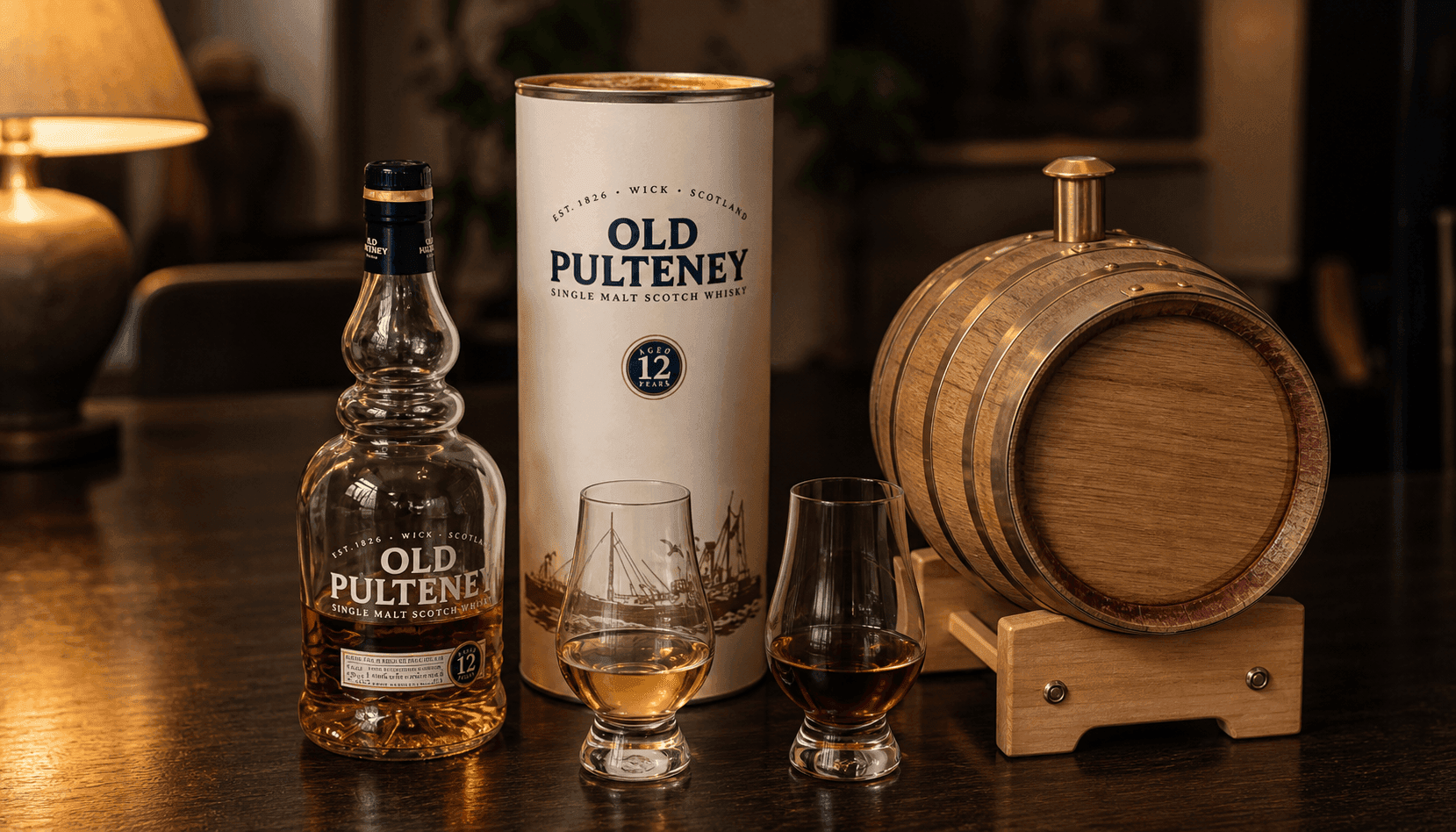
Can You Create a Wine Finish at Home? Exploring the Influence of Wine-Seasoned Oak on Whisky
Every whisky enthusiast has come across terms like Sherry Finish, Port Finish or Wine Cask Finish. Secondary maturation has become one of the most popular techniques for adding complexity to whisky, with distilleries around the world experimenting with everything from Bordeaux and Burgundy wines to rum, Madeira and Sauternes casks.
But how much of that transformation actually comes from the previous liquid that occupied the cask? And could a similar effect be demonstrated on a much smaller scale?
Curiosity led me to conduct a simple experiment designed to explore how wine-seasoned oak influences the character of whisky.
Understanding Cask Finishing
Before diving into the experiment, it's worth understanding what cask finishing actually is. Most Scotch whisky spends the majority of its maturation in ex-bourbon or ex-sherry casks. Once the whisky has reached the desired level of maturity, it may be transferred into another cask that
previously held a different beverage—such as port, red wine, rum or Madeira—for several months or even years.
During this finishing period, the whisky continues interacting with the oak while also extracting compounds left behind by the previous occupant of the cask. The result is often a more layered spirit, introducing notes of dried fruits, berries, spices, chocolate or tannins without completely masking the distillery's original character.
But how quickly can these changes occur?
The Experiment
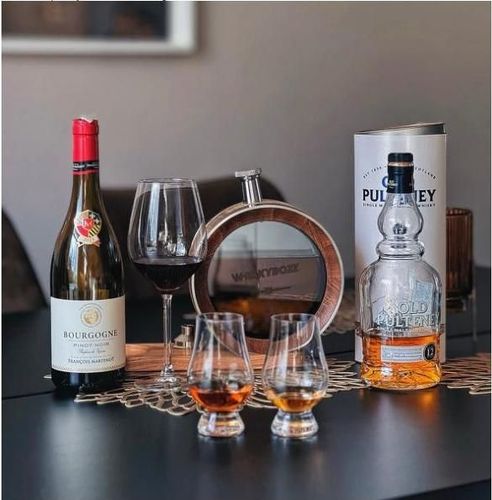
For this experiment I used:
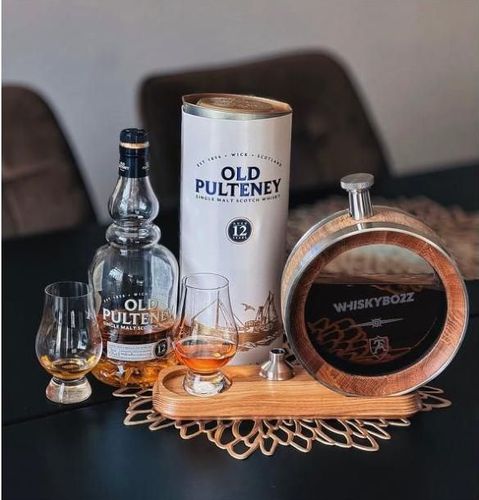
- Old Pulteney 12 Years Old
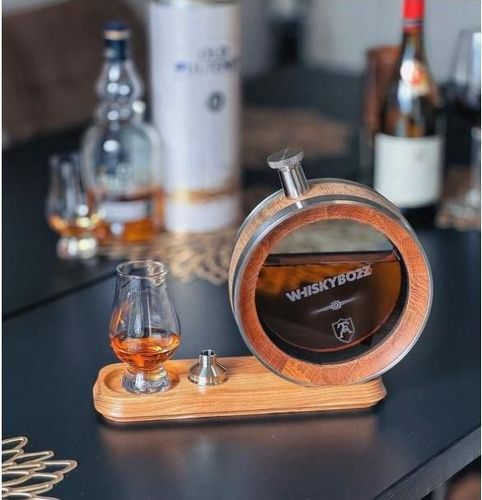
- A Whiskybozz oak mini cask
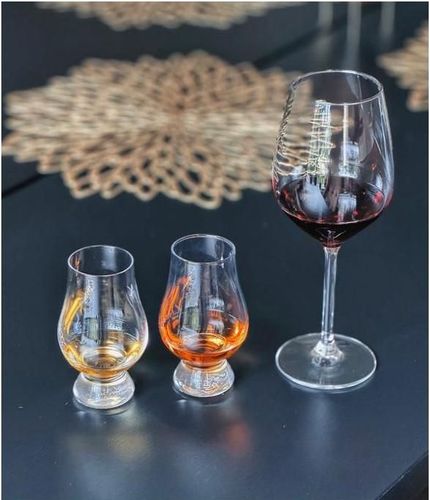
- Bourgogne Pinot Noir
The methodology was intentionally simple.
First, I filled the oak cask with Pinot Noir and left it for ten days, allowing the wine to season the wood and penetrate its pores.
After removing the wine, I immediately filled the cask with Old Pulteney 12 and left it to rest for another twelve days.
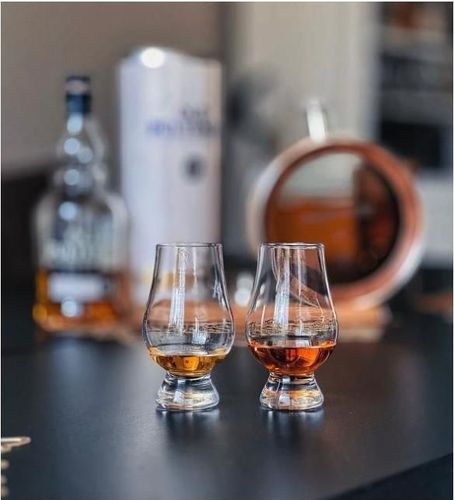
Finally, I compared the modified whisky with an untouched sample poured directly from the original bottle.
This wasn't an attempt to replicate the years-long finishing process employed by professional distilleries. Instead, the goal was to isolate one question:
How much influence can wine-seasoned oak have over a relatively short period of time?
Why Old Pulteney?
Old Pulteney 12 was chosen deliberately.
Its character is relatively elegant and balanced, combining maritime salinity with orchard fruits, vanilla and gentle oak. Unlike heavily peated or intensely sherried whiskies, it provides a clean canvas, making subtle changes easier to identify.
Tasting Notes
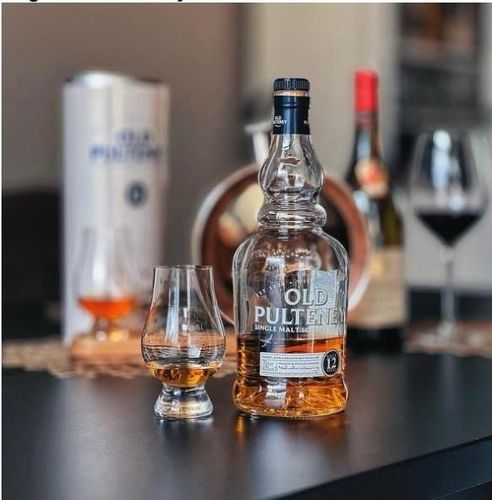
Original Old Pulteney 12
Appearance
Bright golden amber with excellent clarity.
Nose
Fresh orchard apples, citrus peel, honey, vanilla, malt biscuits and the signature coastal salinity that Old Pulteney is known for. Gentle oak spices develop after a few minutes in the glass.
Palate
Medium-bodied with flavours of toffee, honey, green apples and vanilla cream. A delicate peppery spice appears alongside subtle oak.
Finish
Medium length, dry, slightly salty, with lingering oak and citrus zest.
Overall Impression
An elegant Highland malt where maritime freshness remains the defining characteristic without overwhelming sweetness or oak.
Wine-Seasoned Sample
Appearance
Noticeably darker, with deeper amber tones and subtle ruby reflections inherited from the Pinot Noir-seasoned oak.
Nose
The maritime notes remain present but are joined by aromas of red berries, cherries, dried fruits and richer oak spices. The whisky feels rounder and slightly more mature.
Palate
The most noticeable transformation occurs here. Red fruit sweetness appears first, followed by gentle tannins, darker fruit notes and a fuller mouthfeel. Vanilla remains but is now accompanied by subtle wine-like dryness and additional spice from the active oak.
Finish
Longer, drier and more structured than the original. Soft tannins linger alongside oak spice and traces of dark fruit.
Overall Impression
Rather than masking Old Pulteney's distillery character, the wine-seasoned oak adds another layer of complexity, creating a whisky that feels richer without losing its identity.
Side-by-Side Comparison
| Category | Original | Wine-Seasoned Sample | | --- | --- | --- | | Colour | Golden amber | Deeper amber with ruby highlights | | Nose | Citrus, honey, sea breeze, vanilla | Red berries, cherries, richer oak spice | | Palate | Honey, apples, vanilla, gentle spice | Dark fruit, tannins, fuller texture | | Finish | Medium, dry, slightly salty | Longer, drier, more structured | | Overall | Fresh and maritime | Richer and more complex |
What Actually Changed?
The most surprising outcome wasn't the colour—it was the texture.
The whisky became noticeably rounder, with a fuller mouthfeel and additional layers of fruit and spice. While the Pinot Noir certainly contributed subtle berry characteristics, the experiment also highlighted the significant role played by fresh, active oak.
Because the mini cask has a much higher wood-to-liquid ratio than a traditional barrel, extraction occurs much faster. Twelve days inside a small oak vessel cannot be directly compared to twelve days inside a 225-litre wine cask. The chemistry is entirely different.
Nevertheless, the changes were substantial enough to demonstrate just how influential seasoned oak can be.
Can This Replace Professional Cask Finishing?
The short answer is no.
Professional finishing depends on numerous variables: cask size, previous fills, oak species, toast level, warehouse conditions and, perhaps most importantly, time.
However, this experiment successfully illustrates the underlying principle behind secondary maturation. Even after just twelve days, wine-seasoned oak noticeably altered the whisky’s aroma, texture and finish.
It serves as a fascinating reminder that maturation isn’t simply about age—it’s about the interaction between spirit, wood and whatever the cask has held before.
Final Thoughts
This experiment answered one question but raised several new ones.
What would happen after thirty days instead of twelve?
Would a Pedro Ximénez cask produce a more dramatic transformation than Pinot Noir?
How would a heavily peated whisky respond to the same treatment?
Sometimes the best way to understand whisky isn’t by reading tasting notes—it’s by experimenting yourself.
And perhaps that’s one of the reasons cask finishing remains one of the most exciting aspects of modern whisky making.
About the author

Damian Baran
Hooked since a Talisker 10 in 2021, I've tasted over 800 whiskies and love Islay peat and independent bottlings.
To the author