

Reach thousands of whisky and spirits lovers every day.


The Best Blended Malt Whiskies of 2026
 by Christopher Deutsch I drink and collect with intention, drawn to the sherried depth of Dalmore and the balance of Yamazaki.
Follow Spiritory on Google News to get our latest guides and releases delivered straight to your feed.
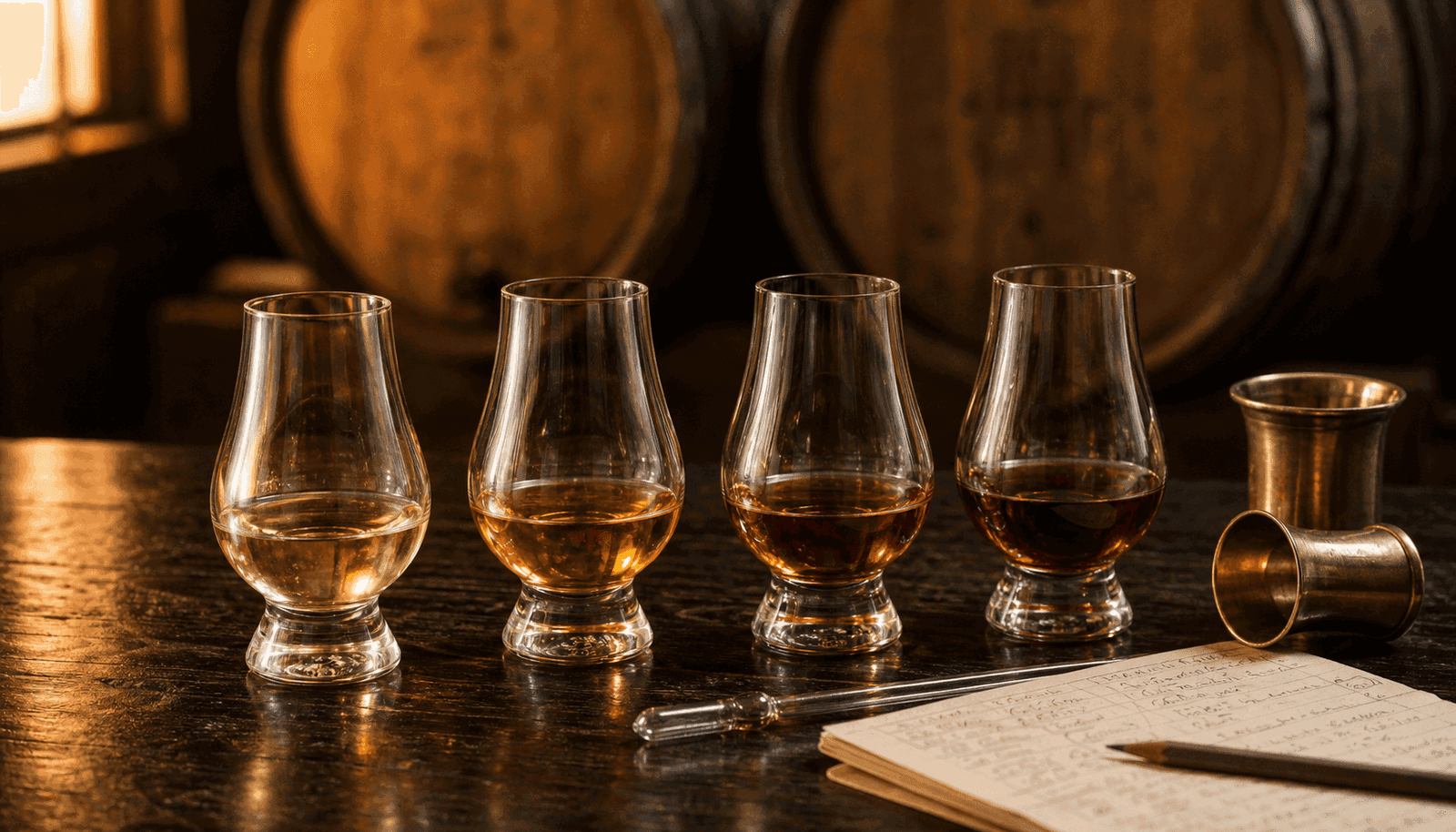
The Best Blended Malt Whiskies of 2026
Blended malt whisky occupies an unusual position in the collector market. It is neither single malt nor blended Scotch — it is something more precise: a marriage of malt whiskies from two or more distilleries, assembled to create a character that none of the components could achieve alone, with no grain whisky involved. The category was previously known as vatted malt, and was renamed blended malt under the Scotch Whisky Regulations 2009. In 2026, several producers are doing more interesting work in this format than most single malt distilleries manage with standard age statements.
Key Takeaways
Compass Box is the most important independent producer working in the blended malt format — their limited editions have established a genuine secondary market presence with documented auction appreciation.
Naked Malt represents the accessible entry point to sherry-forward blended malts at a price well below comparable single malt expressions with the same cask influence.
Johnnie Walker Green Label is the most widely available quality blended malt at the 15-year-old price point — a benchmark expression that consistently underprices its quality relative to comparable single malts.
Monkey Shoulder is designed for cocktail use and long drinks — not a collector expression, but the entry point that brings many buyers into the category.
Compass Box limited annual releases — Flaming Heart, Artist Blend, limited charity editions — are the primary collector targets in the blended malt category, with documented appreciation at secondary market.
What Is a Blended Malt Whisky?
A blended malt Scotch whisky must contain only malt whiskies — spirit from pot still distillation using malted barley — from two or more distilleries. No grain whisky is used. This is the key distinction from blended Scotch whisky, which typically contains a higher proportion of grain spirit from column stills. The only requirement is that each component must be a genuine single malt from a named Scottish distillery.
The rationale for blending malts from multiple distilleries is complementary character. A peated malt from Islay combined with a fruity, unpeated malt from Speyside creates complexity that neither distillery's standard expression can offer on its own. A distillery bottling its own malt to a house style inevitably stays within that style. A blender working with casks from multiple sources can compose something architecturally different.
The format has a long history — producing this style of whisky was common before single malts became the marketing focus of the industry in the 1980s. The commercial revival, driven largely by independent producers like Compass Box, has created a new collector dimension in a category that had largely been overlooked.
Five Blended Malts Worth Tracking in 2026
Compass Box Orchard House
The most accessible ongoing expression from London-based Compass Box, Orchard House is designed around orchard fruit character — the blend draws primarily from distilleries producing lighter, fruity malt. It is not a collectible in the same way as the annual limited editions, but it is the correct entry point to the Compass Box range and one of the most consistently well-made blended malts at its price point. The standard Compass Box range is widely available; the limited editions require more effort to find. Find available expressions on Spiritory.
Compass Box The Peat Monster
The Peat Monster is one of the oldest ongoing expressions in the Compass Box range, combining peated malts from multiple distilleries drawing on heavily peated sources. It delivers more layered complexity than most single distillery peated malts at the same price point precisely because it assembles different peat characters from different origins. For collectors interested in peated whisky without locking into a single distillery's house style, The Peat Monster is the obvious purchase. The Reserve edition, released periodically, carries a more intense smoke character and commands a secondary market premium when available. Find available expressions on Spiritory.
Naked Malt
The Naked Grouse — now marketed as Naked Malt — is a heavily sherry-influenced blended malt from the Famous Grouse stable. The expression uses malt whisky finished in first-fill sherry casks, creating a rich, fruit-forward character at a price point significantly below comparable single malt expressions with the same cask influence. It is not a collector expression in the sense of scarcity or appreciation — it is widely produced and broadly available — but it is one of the most effective introductions to sherry-matured whisky available at an accessible price, and a useful reference point before stepping into the premium sherry-matured single malt tier. Find available expressions on Spiritory.
Johnnie Walker Green Label 15 Year Old
Johnnie Walker Green Label is a 15-year-old blended malt from Diageo, drawing on malt whiskies from Talisker, Cragganmore, Linkwood, and Caol Ila — four distilleries representing the range of Scottish malt character from coastal and peated to light and floral. At its price point, finding a single malt with a comparable age statement, quality, and distribution is difficult. Green Label was discontinued briefly between 2012 and 2016 before being reinstated following collector and enthusiast demand — an unusual reversal that reflects genuine market affection for the expression. For buyers looking for a quality 15-year-old expression at a sensible price, Green Label is the logical choice. Find available expressions on Spiritory.
Douglas Laing Remarkable Regional Malts
The Douglas Laing Remarkable Regional Malts series assembles small batches of malt whisky by region — Islay, Highland, Speyside, Campbeltown, Island — to produce blended malts that represent each region's character more broadly than any single distillery can. Big Peat (Islay), Timorous Beastie (Highland), Scallywag (Speyside), and Rock Oyster (Island) are the primary expressions. Big Peat in particular has established collector interest around its annual Christmas and limited editions, which sell out quickly and appear on secondary markets at premiums above retail. For collectors building across categories, the Remarkable Regional Malts series provides a coherent acquisition approach aligned with regional character rather than distillery brand. Find available expressions on Spiritory.
Are Blended Malts Worth Collecting?
The collector case for most blended malts is weaker than for single malts. Standard ongoing expressions like Naked Malt or Orchard House are produced in sufficient volume to limit secondary market premium — there is no credible scarcity story. The collector opportunity in blended malts is concentrated in genuine limited editions from producers with a proven track record.
Compass Box is the clearest example. Their Flaming Heart expression, released periodically, has appreciated significantly at secondary market. The annual Artist Blend and limited charity or anniversary releases have documented auction records. The collector proposition is not the blended malt category broadly — it is specific Compass Box limited editions acquired at retail and held, not unlike the approach to limited distillery releases from established single malt producers.
Big Peat Christmas Edition follows the same pattern on a smaller scale. Consistent annual release, limited allocation, predictable collector interest from buyers who track the series. The standard Big Peat expression does not carry the same collector credentials, but the annual limited editions do.
Tip: If you are buying a blended malt with collector intent rather than for drinking, focus exclusively on numbered or dated limited editions from Compass Box and the Douglas Laing limited series. Standard ongoing expressions are better bought for enjoyment than for appreciation.
For broader guidance on what makes any whisky collectible in 2026, see What Makes a Whisky Collectible in 2026?
FAQ
What is the difference between a blended malt and a blended Scotch whisky?
A blended malt contains only malt whiskies from two or more distilleries — no grain whisky. A blended Scotch whisky combines malt whisky with grain whisky, the latter made in column stills from wheat or corn. The blended Scotch category includes Johnnie Walker Red, Black, and Blue Label, as well as Chivas Regal and Dewar's. Johnnie Walker Green Label, despite the Johnnie Walker branding, contains only malt whisky and is therefore a blended malt, not a blended Scotch.
Are blended malts cheaper than single malts?
Not necessarily, though many well-known blended malts are priced below comparable single malts at the same age statement. The cost advantage comes from flexibility: by assembling malts from multiple distilleries, a producer accesses a wider pool of quality casks at lower per-unit cost than a distillery selling only its own aged stock. Compass Box limited editions, however, are priced at a premium that reflects their quality and scarcity — not a generic discount versus single malts.
Which blended malt is best for a first purchase?
Naked Malt is the most accessible entry point for a buyer new to the category. It delivers sherry-forward sweetness and complexity at a price that makes exploration easy. Johnnie Walker Green Label is the second recommendation — a 15-year-old blended malt of genuine quality at a price most buyers can justify. From Compass Box, Orchard House is the approachable starting point before moving to the more complex expressions in the range.
About the author

Christopher Deutsch
I drink and collect with intention, drawn to the sherried depth of Dalmore and the balance of Yamazaki.
To the author