

Reach thousands of whisky and spirits lovers every day.


Belfast Whiskey Week 2026: What to Taste and What to Buy
 by Max RinkI’m a whisky enthusiast and aspiring writer, exploring new flavours and the stories behind every bottle.
Follow Spiritory on Google News to get our latest guides and releases delivered straight to your feed.
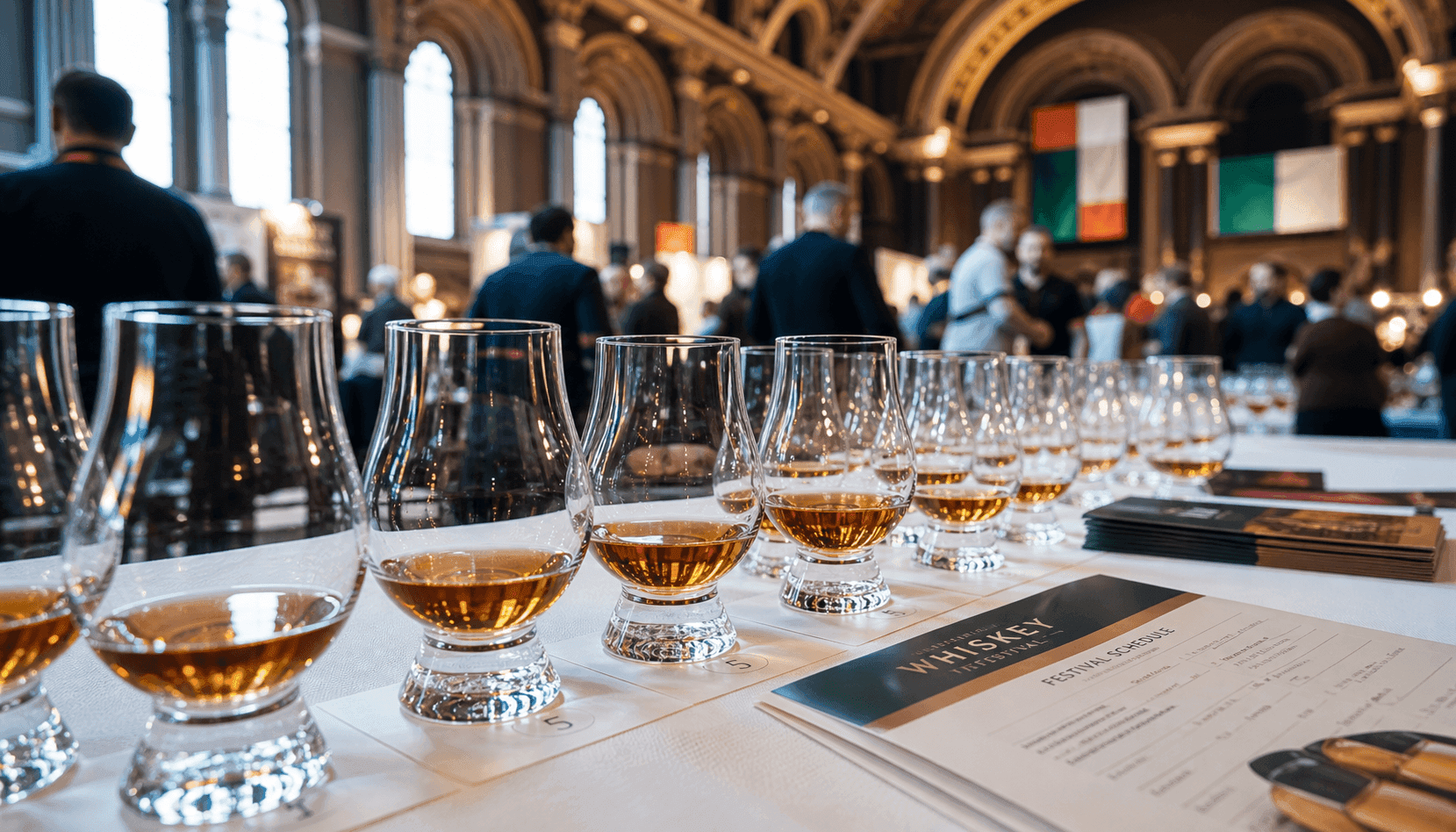
Belfast Whiskey Week 2026: What to Taste and What to Buy
Key Takeaways
Belfast Whiskey Week is held annually in autumn and spans multiple venues across Belfast city centre.
The event covers Irish whiskey comprehensively: single pot still, single malt, grain, blended, and independent bottlings from both new and historic distilleries.
Limited edition releases and exclusive festival bottles are a consistent feature, often sold only at event venues during the week.
Masterclasses with distillers and blenders offer a depth of education not available through retail channels alone.
The festival reflects the broader Irish whiskey revival: a category growing faster than any other major whisky region by number of active distilleries.
Browse Irish whiskey available on Spiritory to explore current stock.
About Belfast Whiskey Week
Belfast Whiskey Week began as a celebration of Irish whiskey culture in a city with deep industrial heritage in the spirits trade: Belfast was once home to significant distilling activity before the twentieth century's decline of the Irish whiskey industry. The revival of that activity on the island of Ireland in the past two decades gave the festival a contemporary rationale: to showcase what the new generation of Irish distilleries is producing alongside the classic expressions that kept the category alive through its lean years.
The Festival Format
The event typically runs across a full week in October, with programming that spans consumer tastings, trade-only sessions, distillery events, and masterclasses hosted at venues across the city. Belfast's compact city centre makes the festival walkable: a practical advantage for attendees moving between tastings across different venues on the same day. Ticket structures vary between individual event tickets and full-week passes, with some masterclasses and distillery experiences requiring separate booking.
Who Attends
The audience is a mix of serious whiskey collectors, hospitality professionals, trade buyers from across Europe, and enthusiastic first-time attendees who use the festival as an introduction to Irish whiskey. The trade component is significant: the festival has become a platform for new Irish distilleries to present their latest releases to buyers from markets that might not otherwise encounter them, which is why festival exclusives and limited bottlings consistently appear at the event.
What to Expect from the 2026 Programme
The 2026 programme is expected to continue the event's established format while reflecting the ongoing maturation of the Irish whiskey category. Distilleries that opened in 2012 and 2013 now have ten-year-old expressions ready, which will likely feature prominently in producer showcases and limited releases.
Producer Showcases
Producer showcases are the core of the festival: tables or rooms where distillery representatives pour their current range and preview upcoming releases. The most interesting showcases are typically from producers whose work is not yet widely distributed, including small craft distilleries whose spirits are available regionally in Ireland but have not yet built European retail distribution. These are also the most likely sources of festival-exclusive single cask releases.
Masterclasses
Ticketed masterclasses run throughout the week and cover specific topics: comparative styles of Irish whiskey, cask types and their influence on flavour, the history of distilleries closed and reopened, and comparative sessions with Scotch or Japanese whisky that contextualise Irish whiskey within the broader global category. Spaces for premium masterclasses are limited and typically sell out in advance.
Evening and Social Programming
Evening sessions at Belfast bars, whiskey-focused restaurants, and private venues form an important secondary layer of the festival: more informal than the daytime programming, but often the context in which new distillery partnerships, exclusive bottlings, and direct collector-to-producer relationships are formed. For serious buyers, the social programme is where the most valuable conversations happen.
Irish Distilleries to Watch
The Irish whiskey category is in a genuinely exciting period. Distilleries that opened in the early part of the revival now have aged stock. A second wave of openings has added further diversity of style and geography.
The Established Revival Producers
Teeling Whiskey Company, Dingle Distillery, and Walsh Whiskey were among the first new distilleries to open in the early revival period, and they now have the most developed ranges of any independent Irish producers. Teeling's single cask releases, Dingle's small batch expressions, and the Writers' Tears range from Walsh all merit attention at festival showcases, particularly for limited editions produced specifically for the event period.
Northern Irish Producers
The Hinch Distillery and Echlinville Distillery are among the most prominent Northern Irish producers, with Echlinville notable for operating Ireland's only floor maltings. Their expressions represent a distinct Northern Irish contribution to the festival and are worth seeking out at Belfast Whiskey Week specifically because they are less distributed internationally than their southern counterparts.
Craft and New-Wave Distilleries
A third wave of smaller Irish distilleries has opened in recent years, many with genuinely experimental approaches to grain selection, fermentation, and cask use. Festival showcases are among the best opportunities to taste these early expressions, as many are available only through distillery direct sales or limited regional distribution. The festival format: where producers are present to discuss their work: is particularly valuable for interpreting spirits from producers without established critical track records.
Tip: If you plan to buy festival-exclusive bottles, arrive early on the first day. Limited releases from smaller producers tend to sell out quickly once the festival opens, and restocking during the week is uncommon.
How to Buy Limited Releases
Festival exclusives at Belfast Whiskey Week are typically sold directly at producer stands or through designated bottle shops operating at the festival. The logistics of buying in person are straightforward; the challenge is identifying which releases are worth prioritising before the event.
Researching Before You Go
Producers often announce festival-exclusive bottlings in the weeks before the event through their own social channels and the festival's official communications. Following distilleries whose work you already know provides the clearest signal for what to prioritise on arrival. The festival programme, once published, identifies which producers are participating and often gives advance notice of masterclass themes that indicate what new expressions will be showcased.
Buying Online After the Event
Not all festival exclusives remain exclusively at the festival: some are later distributed through specialist retailers or appear on secondary market platforms. For buyers unable to attend, monitoring the period immediately following the festival is useful: bottles purchased at the event occasionally appear on platforms including Spiritory within weeks of the closing date.
Planning Your Trip to Belfast
Belfast is a compact, walkable city with direct flight connections to most major European hubs, making it accessible for international visitors attending the festival.
Getting There
Belfast is served by two airports: George Best Belfast City Airport, close to the city centre, and Belfast International Airport, around 30 kilometres outside the city. Both airports have connections to London, Dublin, Amsterdam, and other European hubs. The journey time between Dublin and Belfast by train is approximately two hours, making a combined trip to the Irish capital straightforward if visiting for the full week.
Where to Stay
The city centre is where the festival programming is concentrated, and staying within walking distance of the Cathedral Quarter: the cultural and hospitality district that hosts many festival events: is the most practical option. Booking accommodation early is advisable; the festival draws significant visitor numbers and hotel availability near the most popular venues fills quickly.
FAQ
When does Belfast Whiskey Week take place?
The festival is held annually in October. Specific dates vary by year, and the official festival website publishes confirmed dates and the full programme several weeks in advance of the event.
Is Belfast Whiskey Week suitable for whiskey beginners?
Yes. The festival includes programming at all levels of experience, from introductory tastings designed for newcomers to advanced masterclasses for experienced collectors and trade professionals. The open tasting floor is particularly accessible: producers are present and typically happy to guide newcomers through their ranges.
Can I buy festival bottles without attending?
Some festival exclusives are later distributed through specialist retailers or appear on secondary platforms. However, the most limited expressions: those produced in quantities of fewer than a few hundred bottles: are typically only available at the event itself, and availability online after the festival cannot be guaranteed.
What Irish whiskey styles should I try if I'm primarily a Scotch collector?
Pure pot still Irish whiskey is the style most distinctive to Ireland and least represented elsewhere in the world. The combination of malted and unmalted barley distilled in pot stills produces a spicy, oily character unlike any Scotch style. Redbreast from Midleton and Spot whiskeys are established benchmarks; independent bottlings of single pot still new make from newer distilleries offer a preview of how this style is developing in the next generation.
About the author

Max Rink
I’m a whisky enthusiast and aspiring writer, exploring new flavours and the stories behind every bottle.
To the author