

Reach thousands of whisky and spirits lovers every day.


26.01.2026

The Evolution of Indian Whisky and Its Global Impact
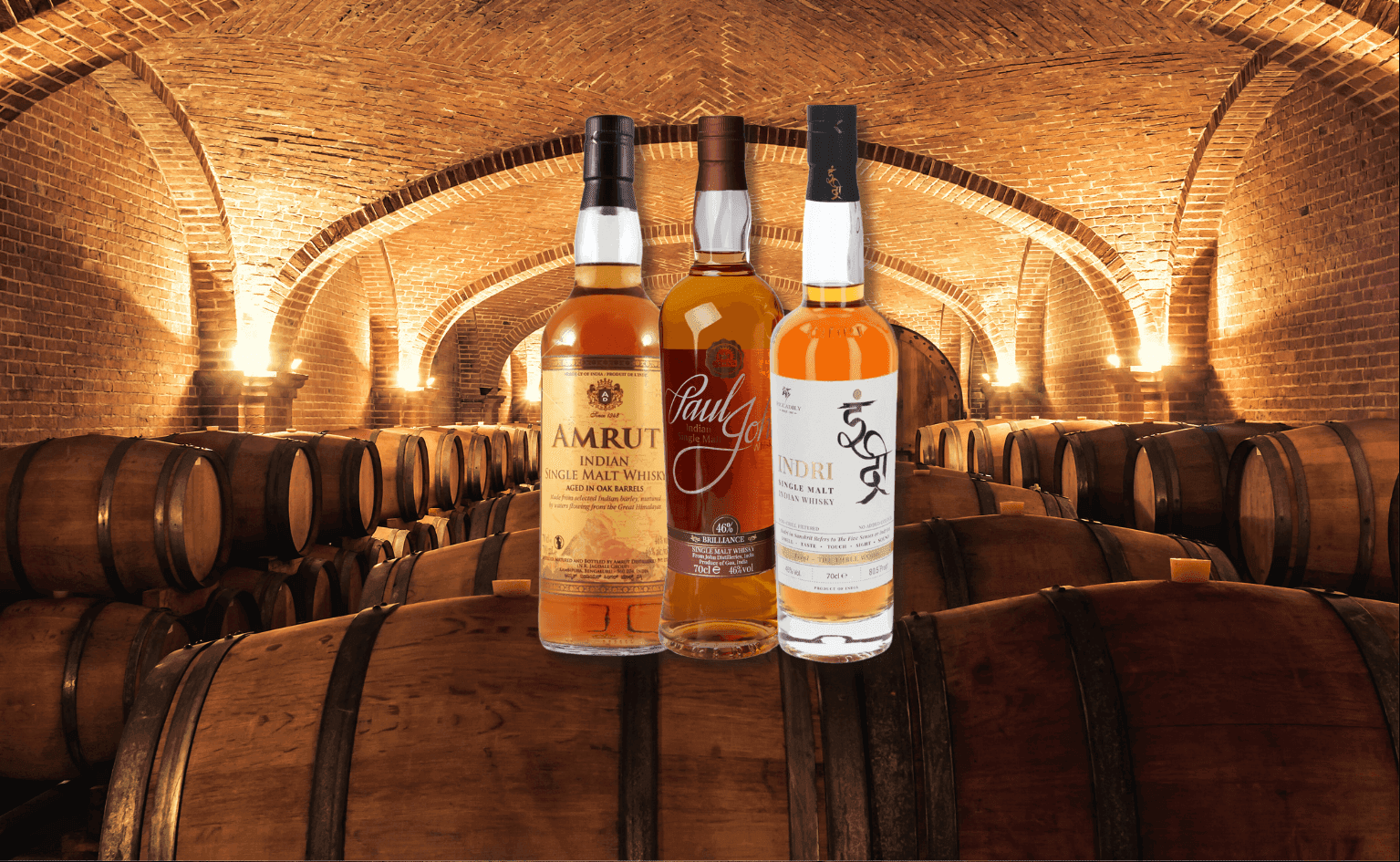
The Evolution of Indian Whisky and Its Global Impact
Indian whisky is now important worldwide because of its fast growth and great quality. It's surprising that eight of the top twenty best-selling whiskies are from India, showing its success. In 2024, India made 260.07 million cases of whisky. By 2034, this number is expected to grow to 502.80 million cases. This rise shows more people in India and around the world like Indian whisky. In 2023, the market value of Indian whisky was $21.13 billion. Indian whisky is changing the global drinks industry.
Key Takeaways
-
Indian whisky is becoming very popular worldwide. Production may double by 2034. This shows more people want high-quality drinks.
-
Brands like Amrut, Paul John, and Rampur are leading. They show Indian whisky can match the world's best with new ideas and great quality.
-
India's special weather helps whisky age faster. This creates rich flavors in a few years, unlike Scotch whisky.
-
Indian distilleries focus on being eco-friendly. Many use green methods, making them more attractive globally.
-
The Indian Malt Whisky Association helps promote Indian whisky worldwide. They set fair rules and increase exports.
A Historical Overview of Indian Whisky
Early Beginnings and Colonial Influence
Indian whisky started during the British colonial period. The British brought distillation methods to India. Early whisky was made from molasses, often confused with rum. These drinks suited local tastes but lacked traditional whisky quality. In 1855, the Kasauli distillery opened, becoming one of India's first distilleries. It began India's whisky-making tradition. Over time, India improved these methods. They mixed imported malt with local ingredients to create new flavors.
The Emergence of Mass-Market Whisky in India
After independence, India focused on making whisky for everyone. Affordable brands became popular with the growing middle class. By 2024, the Indian whisky market was worth $19.16 billion. It is expected to grow to $48.65 billion by 2030, with a 16.80% yearly growth rate. In 2022, Indian whisky made up 97% of all whisky produced. About 21,053 units of Indian whisky were made, compared to 675 units of Scotch. More people wanted premium drinks as incomes rose. Brands like McDowell's No.1 and Royal Stag became very popular. They led India's whisky revolution.
The Transition to High-Quality Single Malts
Single malts changed Indian whisky's reputation. Amrut launched its single malt in 2004, proving Indian whisky could be high-quality. Other brands like Paul John and Rampur gained global fame. India moved from molasses-based spirits to malt-based whisky, aiming for better quality. Indian single malts now make up 53% of sales, beating brands like Glenlivet and Macallan. Awards like Godawan Century's Single Malt Whisky of the Year in 2024 show India's growing global whisky success.
The Evolution of Indian Whisky
Innovations in Production and Quality Standards
Indian whisky has changed a lot over time. Better production methods and focus on quality have helped it improve. Distilleries now use careful techniques to make top-quality whisky. For example, Indri distillery ensures every bottle is made with care. This attention to detail has made Indian whisky famous worldwide.
Distilleries also care about the environment. Indri distillery uses renewable energy and has no carbon footprint. This shows they are serious about protecting nature. These efforts make their whisky more appealing and match global eco-friendly trends.
New methods make Indian whisky unique. Tropical aging and local non-GMO barley create special flavors. These techniques speed up aging and add distinct tastes. Indri Single Malt's success at the USA Spirits Ratings 2024 proves Indian whisky's high quality. By using local grains and saving resources, Indian distilleries set new standards.
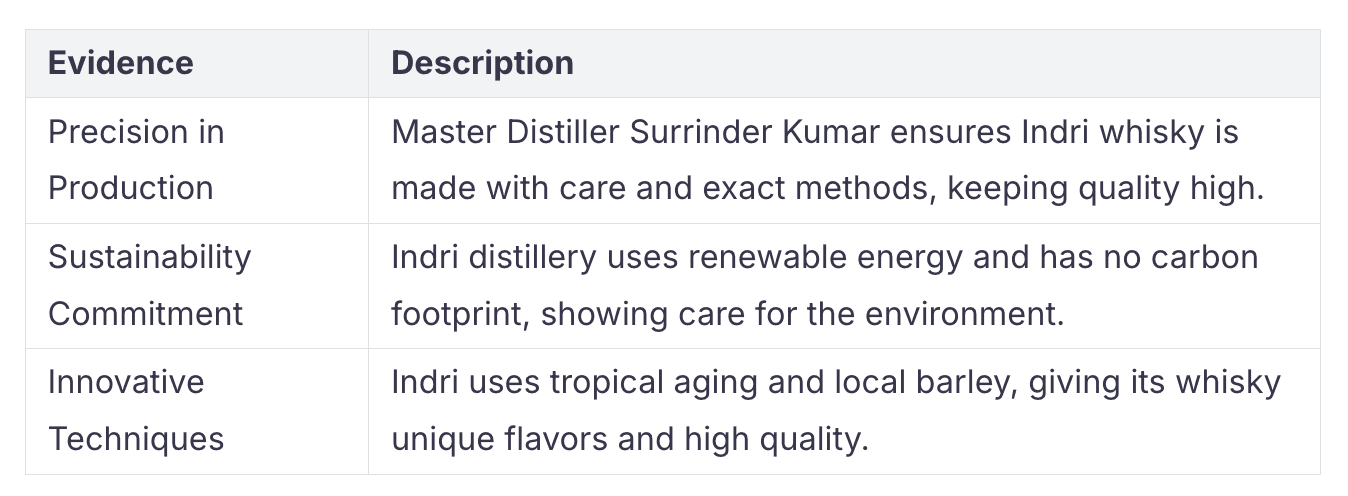
These changes show how India's whisky industry blends skill and modern ideas to make world-class drinks.
The Role of Pioneering Brands: Amrut, Paul John, and Rampur
Three brands have shaped Indian whisky: Amrut, Paul John, and Rampur. Each has helped the industry grow and gain global respect. Amrut, from Bangalore, became famous when its Fusion single malt was named one of the best whiskies. This proved Indian whisky could match Scotch in quality.
Paul John, from Goa, has won over 300 awards worldwide. It mixes Scottish methods with Indian creativity to make rich and complex whiskies.
Rampur, made in the Himalayan foothills, shows Indian craftsmanship at its best. Its Signature Reserve has won big awards, like at the San Francisco World Wine & Spirits Awards. It is often priced higher than brands like Walkers and Daniels in duty-free shops, showing its value.
-
Amrut, Paul John, and Rampur are leaders in Indian whisky's rise.
-
Rampur Signature Reserve shows India's skill with its special aging and flavors.
-
These brands prove India can make premium whiskies that compete globally.
These brands have improved how people see Indian whisky and opened doors for future ideas.
The Impact of the Indian Malt Whisky Association
The Indian Malt Whisky Association (IMWA) has helped the industry grow. It pushes for better standards and promotes Indian whisky worldwide. IMWA helps distilleries share ideas and learn from each other.
IMWA also markets Indian whisky to the world. Through events and tastings, it shows how good Indian whisky is. This has helped Indian whisky become popular in places like the USA, UK, and Europe.
The group also works with the government to help whisky makers. IMWA makes sure rules are fair so the industry can grow. Between 2016 and 2021, exports grew by over 200% thanks to their support.
IMWA brings everyone together to shape Indian whisky's future. It helps big brands and new distilleries succeed on the global stage.
Special Features of Whisky Making in India
How India's Climate Speeds Up Aging
India's hot and humid weather helps whisky age faster. High temperatures make flavors develop quickly in the barrels. In Scotland, only 1-2% of whisky evaporates each year. In India, over 10% evaporates annually, called the "angel's share." A three-year-old Indian whisky can taste like a 15-year-old Scotch.
This fast aging makes the whisky interact more with the wood. It creates deep and rich flavors in less time. You can enjoy a whisky with complex tastes without waiting for decades.
Local Ingredients and Their Unique Tastes
Indian whiskies are special because they use local ingredients. Godawan whisky adds saffron and Mahua flowers for rare floral and earthy flavors. Rajasthan's heat also helps create spicy and fruity tastes. These unique ingredients make Indian whiskies stand out.
When you drink Indian whisky, you taste India's traditions and creativity. These native ingredients make the whisky flavorful and show India's rich culture.
Creative Ideas and New Techniques
Indian distilleries try new methods to make unique whiskies. They use local grains like six-row barley from the Himalayas. This gives their whiskies a special taste. India's fast aging process and traditional methods create bold flavors.
-
Paul John blends local spices with creative techniques.
-
Tropical aging makes strong and unique flavors.
-
Local grains add special taste to the whisky.
"India is using new ideas to change the whisky world. It’s becoming a big player in global spirits." – Vikram Damodaran, Chief Innovation Officer at DIAGEO India
These creative methods mix tradition with new ideas. Indian whiskies offer a one-of-a-kind drinking experience.
Global Recognition and Market Growth
International Awards and Accolades for Indian Whisky
Indian whisky is now famous worldwide for its quality and creativity. Brands like Paul John and Amrut have shown they can compete globally.
-
Paul John has won over 320 awards, proving its craftsmanship.
-
Amrut has earned medals at top events like IWSC and San Francisco World Spirits Competition.
-
In 2024, Amrut Fusion got a GOLD medal at the International Spirits Challenge, showing its premium quality.
Here are some recent awards won by Indian whisky brands:
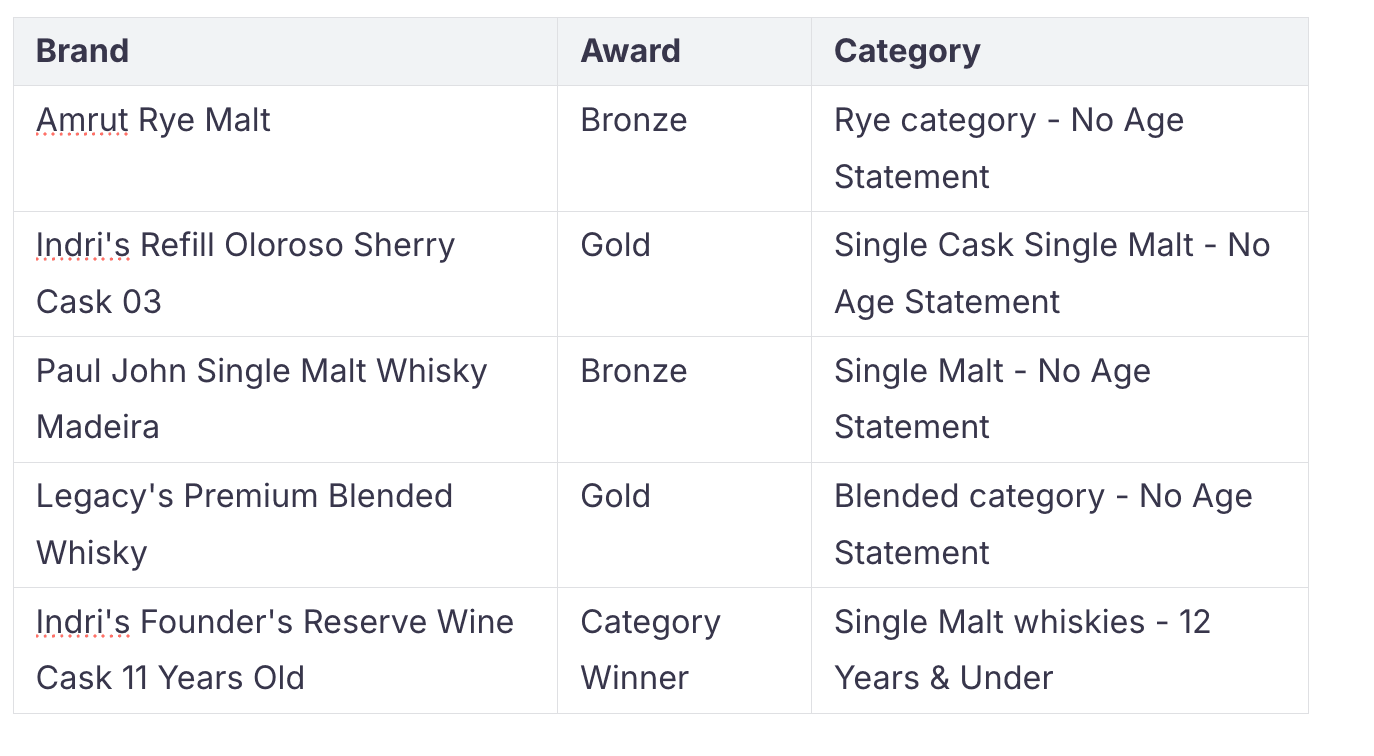
These awards show how Indian whisky is gaining global respect. Amrut Distilleries, with over 350 awards, leads in showcasing India's whisky-making skills.
Export Trends and Key Global Markets
Indian whisky exports are growing fast, showing its rising global demand. From 2016 to 2021, exports grew by over 200%. Now, Indian whiskies are sold in more than 60 countries.
Top markets include the USA, UK, Europe, and East Asia. Brands like Paul John and Rampur have succeeded internationally with their unique flavors. Using local ingredients and creative methods makes Indian whiskies stand out.
"Indian whisky exports are more than numbers; they share India's culture with the world."
The rise in exports shows Indian whisky is now seen as a high-quality product. This success reflects the industry's focus on quality and innovation.
Comparisons with Scotch and Other Global Whiskies
Indian whisky is often compared to Scotch because of similar methods and tastes. But Indian whiskies have unique strengths that make them special.
-
Climate Advantage: India's warm weather speeds up aging. Indian whiskies get rich flavors in 3-5 years, while Scotch takes 10-12 years.
-
Local Ingredients: Indian whiskies use six-row barley, giving them a fruity and grainy taste. Scotch uses two-row barley, which tastes different.
-
Innovative Techniques: Indian distilleries use tropical aging, local spices, and herbs for bold flavors.
While Scotch has a strong reputation, Indian whiskies are creating their own space. Brands like Amrut and Paul John have even beaten some Scotch whiskies in blind tastings.
Indian whisky is not just competing with Scotch. It is redefining what premium whisky can be. By mixing tradition with new ideas, Indian distilleries are setting new standards in the whisky world.
The Future of Indian Whisky
Market Projections and Growth Potential
Indian whisky has a bright future with strong growth ahead. The global whiskey market may grow from $61.51 billion in 2024 to $71.85 billion by 2028. India's whisky market could reach $28.97 billion by 2030. More people earning money and moving to cities are driving this growth. Many now prefer premium and creative whisky options.
Sales of Indian single malts rose by over 142% in 2022. This shows growing interest from buyers worldwide. New ideas like flavored whiskies and online sales are changing the market. These trends show how Indian whisky adapts to what people want and competes globally.
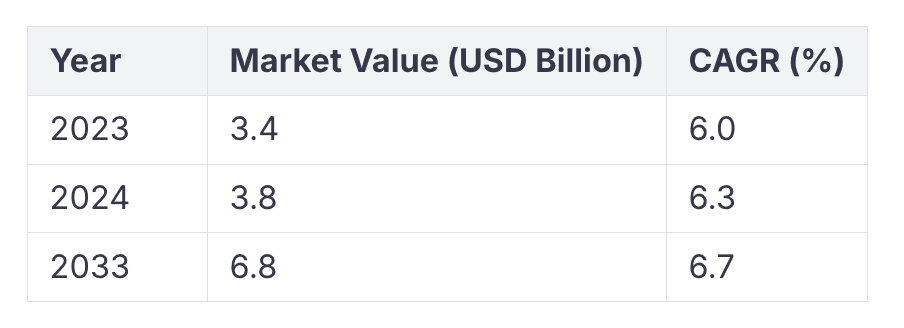
India's whisky industry is growing steadily with rising incomes and spending. This growth makes Indian whisky a key player in the global spirits market.
Emerging Distilleries and New Innovations
New distilleries are changing Indian whisky with fresh ideas. Empirical Distillery, started by chef Lars Williams, is an example. Their drink, SOKA, uses fermented sorghum juice, showing creativity with ingredients. Drinks like The Plum, I Suppose and Symphony 6 use rare ingredients, adding new flavors to cocktails.
Indian distilleries also use local grains and tropical aging. These methods create unique tastes that whisky fans love. They focus on making each bottle special, connecting flavors to memories.
These new brands are not just making whisky. They are shaping the future of the industry. Their focus on being eco-friendly, creative, and high-quality sets a new bar for Indian whisky.
India's Path to Becoming a Global Whisky Leader
India is becoming a top whisky producer worldwide. Indian single malts now make up 33% of the market, up from 15% five years ago. Sales have grown by 42% in three years, much faster than the 7% growth of imported whiskies. This shows strong local demand and changing tastes.
Indian distilleries use their strengths, like fast aging and local ingredients, to compete with big global brands. Brands like Amrut and Paul John prove India can make premium whiskies as good as Scotch.
When you try Indian whisky, you’ll see how tradition and new ideas mix. With steady growth and more global attention, India is set to change the whisky world.
Indian whisky has grown from simple beginnings to worldwide fame. Its success shows creativity, hard work, and the ability to change. India’s warm weather helps whisky age faster, making deep flavors quickly. Distilleries use local ingredients like barley and saffron for special tastes. Famous brands like Amrut and Paul John have won global awards, proving India can make top-quality whisky.
The industry is growing fast. By 2025, total revenue may reach $92.3 billion, with 5.4 billion liters consumed in India. These numbers show Indian whisky’s growing impact around the world.
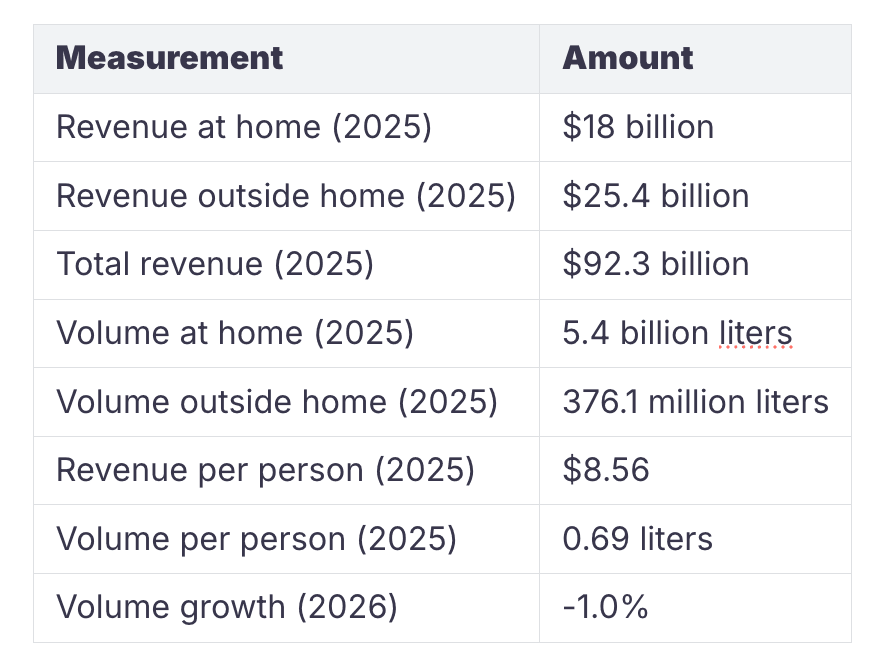
Indian whisky’s special flavors and global success make it a future leader in the drinks market. When you try it, you’ll see how tradition and new ideas create something amazing.
FAQ
What makes Indian whisky different from Scotch?
Indian whisky ages faster because of the warm climate. This gives it rich flavors in just 3-5 years. It uses local ingredients like six-row barley and spices. These add bold and unique tastes, unlike traditional Scotch.
Why does Indian whisky age so quickly?
India’s hot weather helps the whisky and wood interact faster. This speeds up flavor development. A three-year-old Indian whisky can taste like a 15-year-old Scotch. You get deep flavors without waiting long.
Which Indian whisky brands have won big awards?
Brands like Amrut, Paul John, and Rampur are well-known globally. Amrut Fusion won gold at the International Spirits Challenge. Paul John has over 320 awards. Rampur Signature Reserve is praised for its high quality.
How does India’s weather impact whisky making?
The heat makes whisky age faster but also causes more evaporation, called the "angel’s share." This creates strong and rich flavors. Indian whiskies are often more intense than those aged in cooler places.
Can you buy Indian whiskies outside India?
Yes, Indian whiskies are sold in over 60 countries. Popular markets include the USA, UK, and Europe. Brands like Paul John and Rampur are favorites abroad. You can find them in duty-free shops and specialty stores.
About the author

Majda Hübner
My journey with whisky truly began when I joined Spiritory in 2024. What started as a job quickly grew into a deep appreciation for the stories behind each bottle. From elegant Highland single malts to bold American rye, every expression has its own unique charm. Through the blog, I share discoveries, insights, and favorites hoping to inspire both newcomers and fellow enthusiasts alike. If you love whisky or are just starting to explore it, welcome - you’re in good blog.