

Reach thousands of whisky and spirits lovers every day.


19.01.2026

What types of sherry are used in whisky maturation?
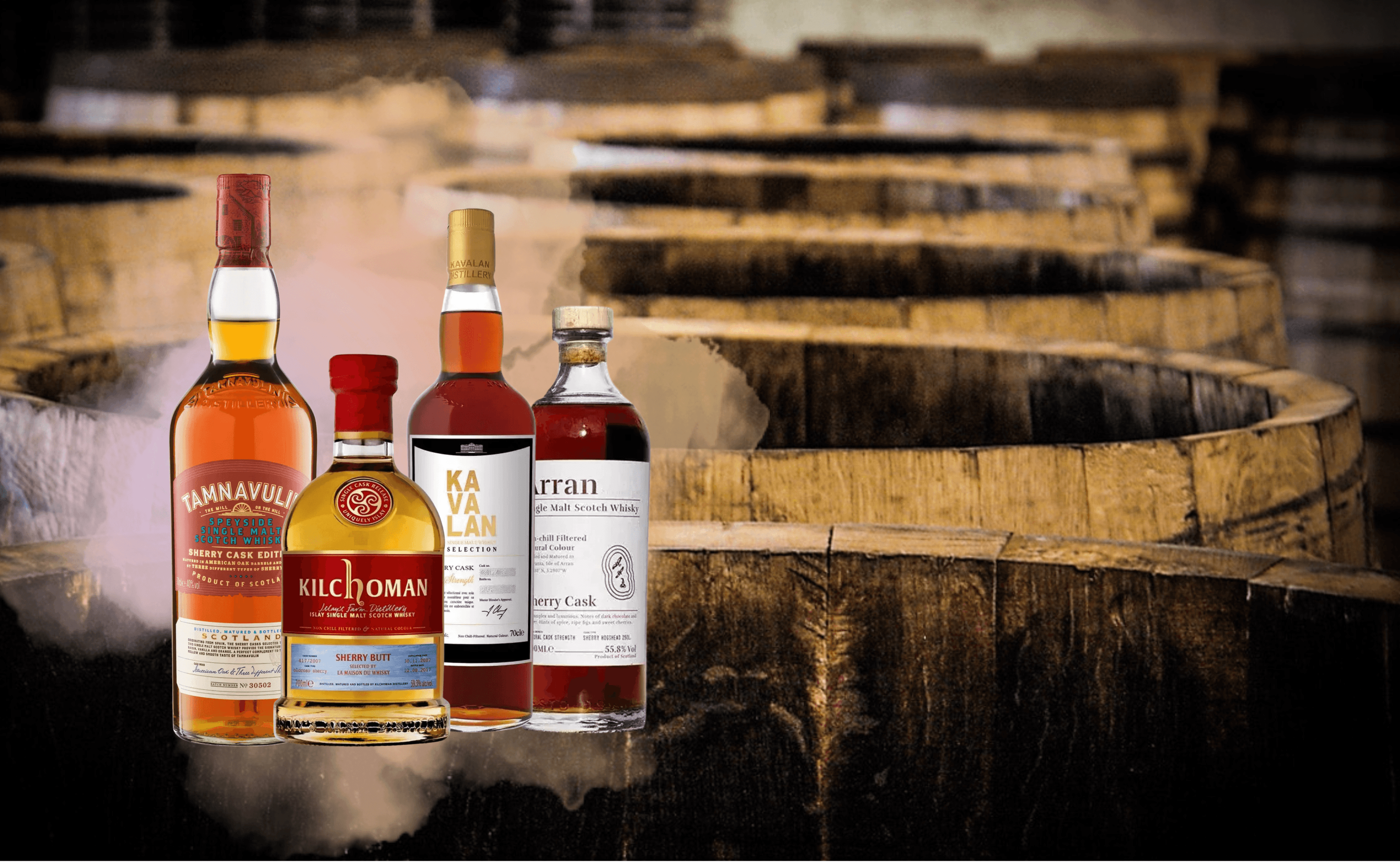
What types of sherry are used in whisky maturation?
The Rise of Sherried Whisky and Tonic
The cocktail scene is embracing a fresh, flavour-forward approach with the rise of sherried whisky paired with tonic water, particularly across European markets like Spain. This trend reflects a broader shift in consumer preferences towards more approachable, sessionable whisky cocktails that balance sophistication with refreshment. As drinkers seek alternatives to neat premium pours, sherried whisky and tonic offers a vibrant, flavourful experience that invites longer enjoyment without overwhelming the palate.
This growing popularity is not just a fleeting fad; it signals a renewed appreciation for the complexity that sherry cask maturation imparts to whisky. Understanding the nuances of sherry styles becomes essential as enthusiasts and bartenders alike explore how these fortified wines influence whisky’s character and how best to pair them with tonic varieties. The trend highlights the importance of matching sherried whiskies to tonic types, glassware, and garnishes to craft balanced and memorable cocktails.
Understanding Sherry: The Basics
Sherry is a fortified wine produced in Spain’s Jerez region, an area renowned for its unique terroir characterised by chalky albariza soil rich in limestone and marine fossils. This distinctive ground imparts subtle mineral and saline qualities to the grapes grown there, primarily the Palomino Fino variety, which accounts for nearly 95% of sherry production. Palomino Fino grapes yield dry, neutral base wines ideal for fortification and aging. Two other white grape varieties—Pedro Ximénez and Moscatel—are reserved mainly for sweet sherries.
The production of sherry begins with fermenting the base wine to near dryness before fortifying it with grape spirit to around 15% alcohol. From this point, the wine’s evolution depends on whether it undergoes biological or oxidative aging—two fundamentally different methods that shape the style and flavour profile of the final product.
Biological aging involves protecting the wine beneath a living yeast layer called flor, which forms naturally when barrels are only partially filled. This yeast consumes oxygen and prevents oxidation, resulting in lighter-bodied wines with fresh, tangy notes. Oxidative aging exposes the wine to air, producing darker colours and richer flavours dominated by dried fruits and nuts.
This distinction between biological and oxidative aging is critical for understanding how different sherry styles influence whisky during maturation or finishing, shaping both aroma and taste in profound ways.
Sherry Styles: Fino and Manzanilla
Sherries aged biologically under flor yeast are known for their pale colour, light body, and crisp acidity. Two prime examples are Fino and Manzanilla—styles prized for their bright freshness and distinctive flavour profiles.
Fino Sherry
Fino is produced throughout the Jerez region using biological aging beneath flor yeast for a minimum of four years within a solera system—a traditional method involving fractional blending through multiple casks of varying ages. The flor layer protects the wine from oxidation, preserving its pale straw colour and delicate aromas.
Flavour-wise, Fino is tangy and yeasty with pronounced almond notes complemented by floral undertones such as chamomile. Its palate is dry with hints of green apple and a subtle saline minerality inherited from the terroir. These characteristics make Fino-finished whiskies subtly dry and fragrant without overwhelming sweetness or heaviness.
In whisky maturation or finishing, Fino casks impart gentle fruitiness, dryness, and floral lift while maintaining a light colour in the spirit. This profile pairs exceptionally well with crisp Indian tonic waters that echo its dryness through quinine bitterness, creating refreshing cocktails ideal for warm weather sipping.
Manzanilla Sherry
Manzanilla is essentially a coastal variant of Fino produced exclusively in Sanlúcar de Barrameda. The maritime climate adds an extra dimension—a distinctive briny character reminiscent of sea spray that enhances its complexity.
Like Fino, Manzanilla undergoes biological aging beneath flor yeast for at least four years in solera but gains additional salty, mineral notes from its proximity to the Atlantic Ocean. These oceanic influences lend Manzanilla-finished whiskies a unique freshness combined with subtle almond bitterness.
In cocktails, Manzanilla’s briny dryness pairs beautifully with tonic waters that highlight herbal or citrus elements. It suits large balloon glasses filled with ice and garnished with aromatic herbs such as rosemary or basil—elevating the simple whisky and tonic into a refined sensory experience.
Sherry Styles: Oloroso and Amontillado
Oxidative aging styles like Oloroso and Amontillado produce richer, darker wines that profoundly influence whisky’s flavour complexity through nutty richness and dried fruit intensity.
Oloroso Sherry
Oloroso is matured entirely without flor yeast exposure; instead, it is fortified to higher alcohol levels (17–22%) to prevent flor development and encourage oxidation over several years in solera butts. This process darkens the wine to deep amber or mahogany hues while intensifying flavours of raisins, figs, plums, chocolate, toasted nuts, and warm spices.
Whiskies matured or finished in Oloroso casks absorb these rich layers of dried fruit sweetness balanced by nutty depth—creating full-bodied spirits celebrated for their complexity. Many iconic sherried single malts owe their luscious character to Oloroso cask influence.
When paired with tonic water in cocktails, Oloroso-finished whiskies resemble Spanish-style gin and tonics where ingredient quality shines through. Garnishes such as citrus peel or pink peppercorns complement the rich fruitiness without overpowering it.
Amontillado Sherry
Amontillado occupies an elegant middle ground between biological and oxidative aging. It starts life as a Fino under flor yeast but after four to six years is fortified further to kill the flor layer before undergoing oxidative maturation separately.
This hybrid ageing yields wines darker than Fino but lighter than Oloroso—combining tangy almond notes with nutty complexity alongside dried fruits and subtle spice. Amontillado-finished whiskies present balanced profiles that add depth without excessive sweetness or heaviness.
Cocktail-wise, Amontillado pairs well with tonics that offer moderate bitterness balanced by gentle citrus or floral accents—ideal for drinkers seeking nuanced but approachable sherried whisky experiences.
Sherry Styles: Pedro Ximénez and Moscatel
At the sweetest end of the spectrum lie Pedro Ximénez (PX) and Moscatel—luxuriously rich styles often reserved for dessert pairings or indulgent whisky finishes.
Pedro Ximénez Sherry
PX is made from late-harvested grapes sun-dried on straw mats (asoleo) to concentrate sugars dramatically before minimal fermentation. The resulting fortified wine is intensely dark—almost black—with viscous texture and aromas of molasses, raisins, toffee, dried figs, and dates.
Whiskies finished in PX casks gain pronounced sweetness alongside luscious dried fruit intensity—a perfect match for dessert-style cocktails or those who prefer rich spirits with velvety mouthfeel. PX’s residual sugar content can reach 40–50%, making it distinctly different from drier sherries.
When mixed with tonic water in cocktails, PX finishes demand careful balancing; lighter tonics with floral or honeyed notes help temper sweetness without diluting its character.
Moscatel Sherry
Moscatel derives from Muscat of Alexandria grapes grown near Chipiona’s sandy soils producing sweet wines with lighter body than PX but prominent floral aromas alongside chocolate and honey notes.
Moscatel-finished whiskies offer a sweeter yet more delicate profile compared to PX—infused with fragrant blossoms that add elegance rather than weight. In cocktails paired with tonic water, Moscatel expressions shine when matched with subtly sweetened tonics enhanced by herbal garnishes that complement their floral complexity.
The Impact of Sherry Casks on Whisky
The influence of sherry on whisky extends beyond simple flavour addition; it depends heavily on whether the spirit undergoes full maturation or just finishing in sherry-seasoned casks.
Sherry casks used in Scotland are large European oak butts (~500 litres) previously seasoned by decades-long solera ageing filled with fortified wine. When distilleries acquire these casks directly from bodegas or cooperages specializing in sherry wood preparation, they gain barrels saturated deeply with complex sherry residues—not merely wood flavours but integrated fortified wine character.
Whiskies fully matured in sherry casks absorb these rich profiles seamlessly over years—resulting in smooth marriages between spirit and wood where dried fruits, nuts, spices, or saline notes become part of the spirit’s core identity. By contrast, finishing involves transferring whisky aged predominantly in ex-bourbon barrels into sherry casks for shorter periods (typically 3–6 months). This adds colour plus some sherried character but leaves more distinction between base spirit flavours and added layers.
For cocktail applications like sherried whisky and tonic—the focus trend for 2026—the choice between fully matured versus finished expressions shapes how prominently sherry notes feature against tonic’s bitterness. Fully matured whiskies offer integrated complexity ideal for contemplative sipping; finished whiskies provide brighter accents suited to lively mixed drinks.
Future Outlook: Sherried Whisky and Tonic Trends
Market conditions suggest robust growth ahead for sherried whiskies paired with tonic water as consumer interest widens beyond traditional neat drams towards flavourful yet sessionable cocktails. Cask traders report steady demand for seasoned sherry wood at accessible price points (£40–80 retail for 12–15 Year Old Oloroso-finished single malts), making premium inventory available without luxury-market premiums seen recently.
Simultaneously, fortified wines including sherry are enjoying resurgence among younger consumers drawn via cocktail culture—with industry forecasts indicating global fortified wine markets could grow significantly by 2033. Bodegas now manage seasoned wood supplies more carefully to meet rising demand from whisky producers keen on high-quality casks.
The long-term success of this trend will depend on continued education among bartenders and enthusiasts about fundamental differences between styles like Fino versus Oloroso—and how each matches distinct tonics or garnishes—to sustain balance rather than novelty alone driving interest.
You can trust that embracing this knowledge will enhance your appreciation whether crafting elegant sippers at home or exploring new cocktail menus featuring this exciting pairing style.
FAQs
What makes sherried whisky different from other types?
Sherried whisky gains its distinctive flavour from maturation or finishing in oak casks previously seasoned with various styles of Spanish sherry wines such as Fino or Oloroso. The type of sherry used profoundly influences aroma and taste—from bright almond notes to rich dried fruits—which sets these whiskies apart from those aged solely in bourbon barrels. For verified listings of authentic sherried whiskies including detailed provenance on Spiritory’s marketplace can help you explore genuine expressions confidently.
How do I choose the right tonic water for my sherried whisky cocktail?
Pairing depends on your chosen sherry style: dry Fino- or Manzanilla-finished whiskies suit crisp Indian tonics highlighting quinine bitterness; richer Oloroso finishes work well with tonics offering citrus or herbal complexity; sweeter Pedro Ximénez calls for lightly sweetened tonics balancing viscosity without overpowering sweetness. Spiritory offers tasting notes alongside recommended mixers enabling informed choices tailored to your palate preferences.
Can I find rare manzanilla-finished whiskies easily?
Manzanilla finishes are relatively rare due to limited availability of appropriate casks from coastal bodegas near Sanlúcar de Barrameda. While not common on every shelf, Spiritory’s curated selection occasionally features these sought-after bottles sourced directly from producers or specialist bottlers—ideal if you want something unique highlighting maritime freshness within your collection or cocktail repertoire.
Is full maturation better than finishing when it comes to sherried whiskies?
Both approaches have merits: full maturation integrates complex sherry characteristics deeply into whisky over years producing seamless flavour harmony; finishing adds distinct layers more prominently atop base spirit traits suitable for mixing versatility. Your choice depends on intended drinking style—neat enjoyment favours fully matured expressions while cocktail crafting benefits from finished variants offering bright accentuation.
How can I learn more about pairing garnishes with my sherried whisky tonic?
Understanding garnish complements enhances your cocktail experience greatly—for example rosemary or basil accentuate briny Manzanilla notes; pink peppercorns balance Oloroso richness; citrus peels brighten dry Finos elegantly. Spiritory’s blog provides expert insights into pairing techniques helping you experiment confidently at home.
About the author

Natalia Alejandrez Muñiz
I'm a whisky enthusiast and a writer in the making. I enjoy exploring new flavors, learning about the history behind each bottle, and sharing what I discover along the way. This blog is my space to grow, connect, and raise a glass with others who love whisky as much as I do.
To the author