

Reach thousands of whisky and spirits lovers every day.


16.12.2025

Scotch Regions Ranked: Speyside, Highlands, Islay, Lowlands & Campbeltown
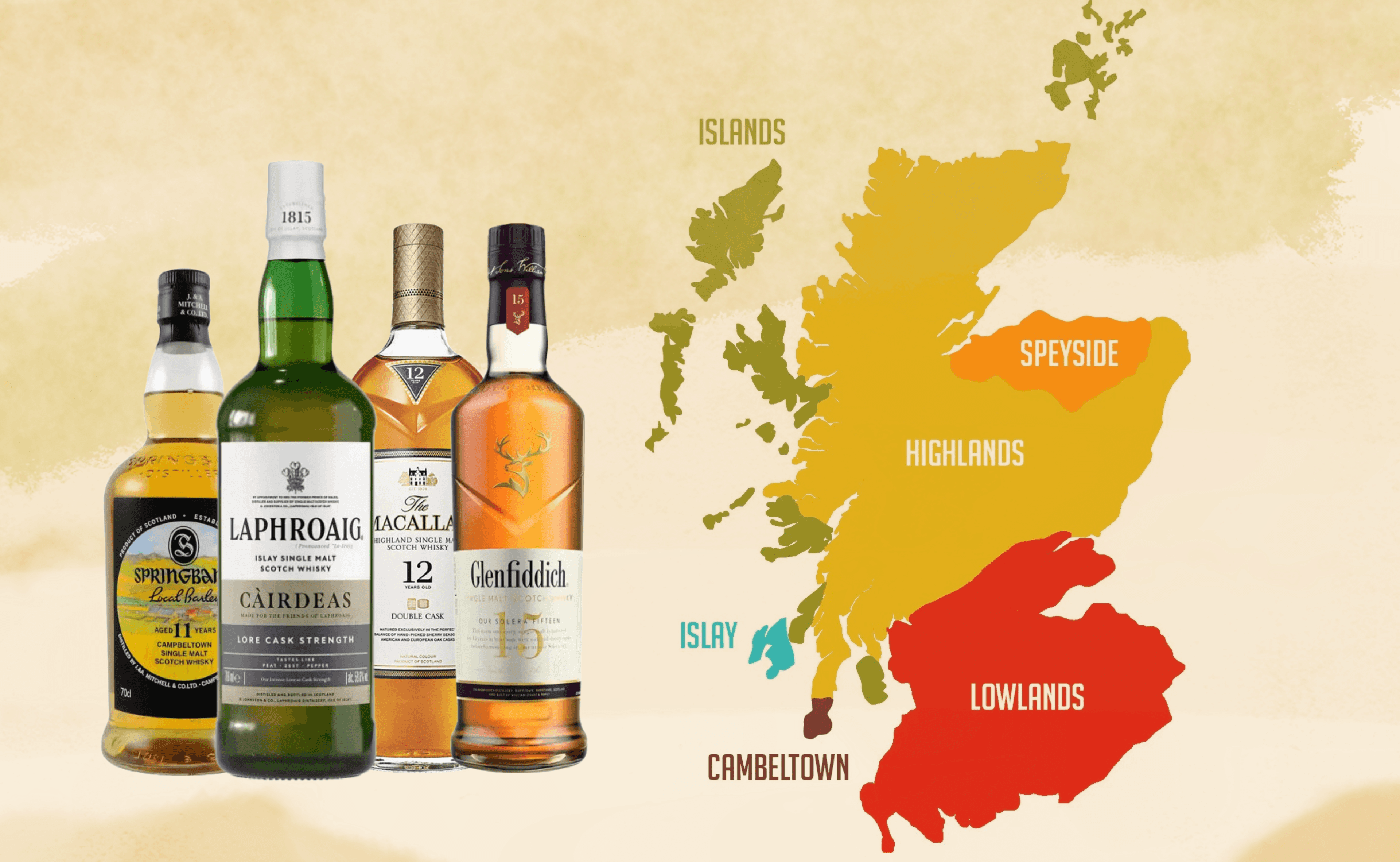
Scotch Regions Ranked: Speyside, Highlands, Islay, Lowlands & Campbeltown
Introduction: The Changing Landscape of Scotch Exports
Recent data from the Scotch Whisky Association reveals a notable decline in Scotch whisky exports by 3.7% in 2025, despite a modest 3.9% rise in volume shipped. This paradox is explained by a shift in consumer preferences, with single malts—traditionally the premium segment—experiencing a 17% drop in exports, while blended Scotch whiskies grew by 4.4%. Such dynamics underscore the importance of understanding the distinct characteristics of Scotch whisky regions. As buyers increasingly seek quality and value amid changing market conditions, regional knowledge becomes an essential compass for navigating this evolving landscape.
Scotland’s whisky heritage is geographically diverse, divided into five legally recognised regions, each with unique flavour profiles, production methods, and maturation styles. These regional distinctions influence everything from tasting notes to ageing potential and market positioning. In this guide, we rank and explore these regions to help you appreciate what to expect from each and make informed choices—whether you prefer sipping neat, mixing cocktails, or cellaring for investment.
Speyside: The Heart of Scotch Whisky
Speyside stands as the most densely populated whisky region globally, hosting over 50 distilleries along the River Spey and its tributaries in northeast Scotland. Its mild climate, fertile soil, and abundant spring water create ideal conditions for barley cultivation and spirit maturation. This region is synonymous with soft, elegant whiskies that are approachable yet complex.
Flavor Profile and Production Choices
Speyside whiskies typically present a gentle and fruity character with tasting notes of apple, pear, honey, vanilla, and subtle spice. Peat smoke is generally absent or minimal here, allowing the fruitiness and sweetness to shine through. Distilleries such as Glenfiddich—the largest single malt producer in Scotland—and The Glenlivet focus on efficient production processes that deliver consistent quality at scale. Most Speyside malts mature in ex-bourbon barrels or sherry casks for at least three years, with many aged well beyond ten years to develop richer complexity.
Market Performance and Collector Appeal
Speyside dominates both retail and auction markets. Its three leading brands—Glenfiddich, The Glenlivet, and Macallan—command significant price premiums globally. For example, Glenfiddich’s core expressions range from approximately £30–35 for the 12 Year Old to £75–85 for the 18 Year Old. Macallan’s emphasis on sherry cask maturation secures its status as a top performer at auction; its 18 Year Old has fluctuated between £250 and £400 in recent years despite overall market softness. Although Speyside’s share of auction value declined from 64% to 52% between 2023 and 2024, it remains the benchmark for consistent quality and collector interest.
Highlands: Diversity in Character
The Highlands cover Scotland’s largest geographical whisky region and boast remarkable diversity in style due to varied terrain and microclimates. With around 25 active malt distilleries scattered across northern, eastern, southern mainland areas and coastal sites, this region offers a broad spectrum of flavour profiles.
Flavor Diversity and Notable Producers
Northern Highland whiskies tend to be full-bodied with sweet notes of honey and dried fruit. Eastern Highlands lean towards lighter, fruitier expressions while southern styles are softer and more delicate. Renowned distilleries such as Dalmore mature their spirits in a blend of ex-bourbon, sherry, and wine casks to produce rich flavours of chocolate, orange zest, and warming spices. Glenmorangie is celebrated for its experimentation with American white oak “designer casks,” yielding complex fruity and floral profiles. Highland Park on Orkney Island combines heritage with innovation; its recent rebranding under a new master distiller signals renewed vitality.
Pricing and Market Trends
Highland malts generally retail between £40 and £150 depending on age statement and cask maturation style. For instance, Highland Park’s 12 Year Old typically trades around £50–60 while older expressions like the 21 Year Old can exceed £120–150. The region’s diversity appeals both to beginners seeking approachable drams and collectors hunting for nuanced complexity. As global market patterns evolve—with blends gaining ground over single malts—the Highlands’ range provides options that balance tradition with modern tastes.
Lowlands: The Gateway to Scotch
The Lowlands region is Scotland’s second-largest by area but has the fewest active distilleries today after decades of closures. Historically pivotal for grain whisky production, it now produces light, unpeated single malts prized for their finesse.
Production Techniques and Flavor Notes
Lowland whiskies are often triple-distilled—a rarity among Scotch distilleries—resulting in exceptionally smooth spirits free from harsh alcohol notes. Auchentoshan remains the sole distillery practising full triple distillation across its range. Typical tasting notes include floral aromas reminiscent of honeysuckle alongside grassy nuances complemented by creaminess, toffee sweetness, and subtle cinnamon spice.
Market Position and Collector Interest
Due to limited production (approximately 5% of national malt output), Lowland whiskies have become intriguing for collectors despite their accessibility as entry-level drams priced between £35–70. Their scarcity combined with historic significance sustains interest in secondary markets even as larger regions dominate volume sales.
Islay: The Peaty Powerhouse
Islay is famed worldwide for its boldly peated whiskies shaped by unique island terroir: decomposed seaweed and heather imparting a briny herbal smoke unlike anywhere else.
Flavor Characteristics and Distillation Practices
Islay malts are intensely peated with phenolic smoke dominating the palate; flavours often include iodine, seaweed, tar, rubber alongside hints of vanilla, citrus zest, and honey sweetness. Distilleries such as Laphroaig, Ardbeg, and Lagavulin mature their spirits predominantly in ex-bourbon barrels to balance fresh oak sweetness against brooding peat smoke complexity.
Auction Trends and Collector Appeal
Islay’s secondary market share rose from 13% to 17% between late 2023 and late 2024—a sign of growing collector enthusiasm for robust drams with provenance-driven appeal. Entry points like Ardbeg 10 Year Old (£45–55) or Laphroaig 10 (£40–50) introduce new drinkers to peat’s power while iconic releases such as Lagavulin 16 Year Old (£90–130) command premium prices.
Campbeltown: The Rare Gem
Once dubbed the “whisky capital of the world,” Campbeltown has seen a dramatic decline from its heyday of over thirty distilleries producing millions of gallons annually to just three active producers today.
Flavor Profile and Production Techniques
Campbeltown whiskies are robust with distinctive maritime brine notes layered over dried fruit sweetness, toffee richness, vanilla warmth—and an unmistakable oily character sometimes described as wet wool or creosote. Springbank stands out with its traditional three-times distillation process combined with on-site floor maltings that contribute complexity rarely found elsewhere.
Market Dynamics and Collector Interest
This rarity makes Campbeltown highly coveted among collectors; its auction value share rose from 8% to 12% recently—the only region showing volume growth in secondary markets. Springbank’s core expressions like the 12 Year Old (£60–80) often require ballot allocation due to demand exceeding supply. Glen Scotia’s Victoriana release exemplifies how this region balances distinctive character with accessible pricing.
Conclusion: The Future of Scotch Whisky Regions
Understanding Scotland’s whisky regions is no longer just enthusiast trivia—it is essential knowledge amid shifting export patterns where blends gain ground but premium single malts remain prized assets for collectors and aficionados alike. Speyside continues as a reliable source of consistent quality; Highlands offer diversity; Lowlands provide finesse; Islay delivers peat power; Campbeltown supplies rarity.
With evolving trade agreements such as the UK-India deal reducing tariffs significantly over time, long-term demand dynamics may shift further towards premium aged expressions from these distinct regions. Buyers equipped with regional fluency will better navigate pricing pressures while identifying genuine value opportunities whether drinking neat or investing in collectible bottles.
Explore these regional profiles deeply when selecting your next bottle—whether on Spiritory or through trusted retailers—to enjoy every layer of Scotland’s rich whisky heritage responsibly.
FAQs
What makes Speyside whiskies so popular among collectors?
Speyside whiskies are renowned for their soft fruitiness, elegant profiles, and consistent quality supported by efficient production methods at major distilleries like Glenfiddich and Macallan. This reliability combined with premium cask maturation (often sherry or bourbon) makes them highly sought after both at retail and auction markets worldwide—including verified listings on Spiritory where authenticity is guaranteed.
How do Highlands whiskies differ from those produced elsewhere?
The Highlands encompass Scotland’s largest geography with diverse microclimates resulting in a wide range of styles—from full-bodied northern drams rich in honeyed sweetness to lighter southern expressions marked by floral notes. This variety appeals broadly across palates while offering collectors numerous nuanced choices available through platforms like Spiritory where you can explore rare editions easily.
Are Lowland whiskies suitable for new whisky drinkers?
Absolutely; Lowland whiskies tend to be light-bodied with floral aromas enhanced by triple distillation techniques that remove harshness—making them smooth introductions for newcomers seeking refined yet accessible single malts at reasonable prices found on Spiritory or specialist outlets.
Why is Islay considered a “peaty powerhouse” in Scotch whisky?
Islay produces intensely peated whiskies characterised by medicinal smoke aromas derived from local peat composed partly of seaweed residues unique to the island terroir. This boldness creates polarising but rewarding experiences for enthusiasts who appreciate complexity balanced by oak maturation—a profile well represented by iconic brands available through trusted marketplaces like Spiritory.
What factors contribute to Campbeltown's collector appeal?
Campbeltown's rarity—with only three operating distilleries—and its distinctive flavour profile combining maritime brine with oily textures make it highly collectible. Limited production volumes increase scarcity value; Springbank's traditional methods add heritage allure that serious collectors seek out on platforms such as Spiritory offering secure provenance verification.
About the author

Max Rink
I'm a whisky enthusiast and a writer in the making. I enjoy exploring new flavors, learning about the history behind each bottle, and sharing what I discover along the way. This blog is my space to grow, connect, and raise a glass with others who love whisky as much as I do.
To the author