

Reach thousands of whisky and spirits lovers every day.


11.11.2025

How Maturation Shapes Bourbon vs Scotch
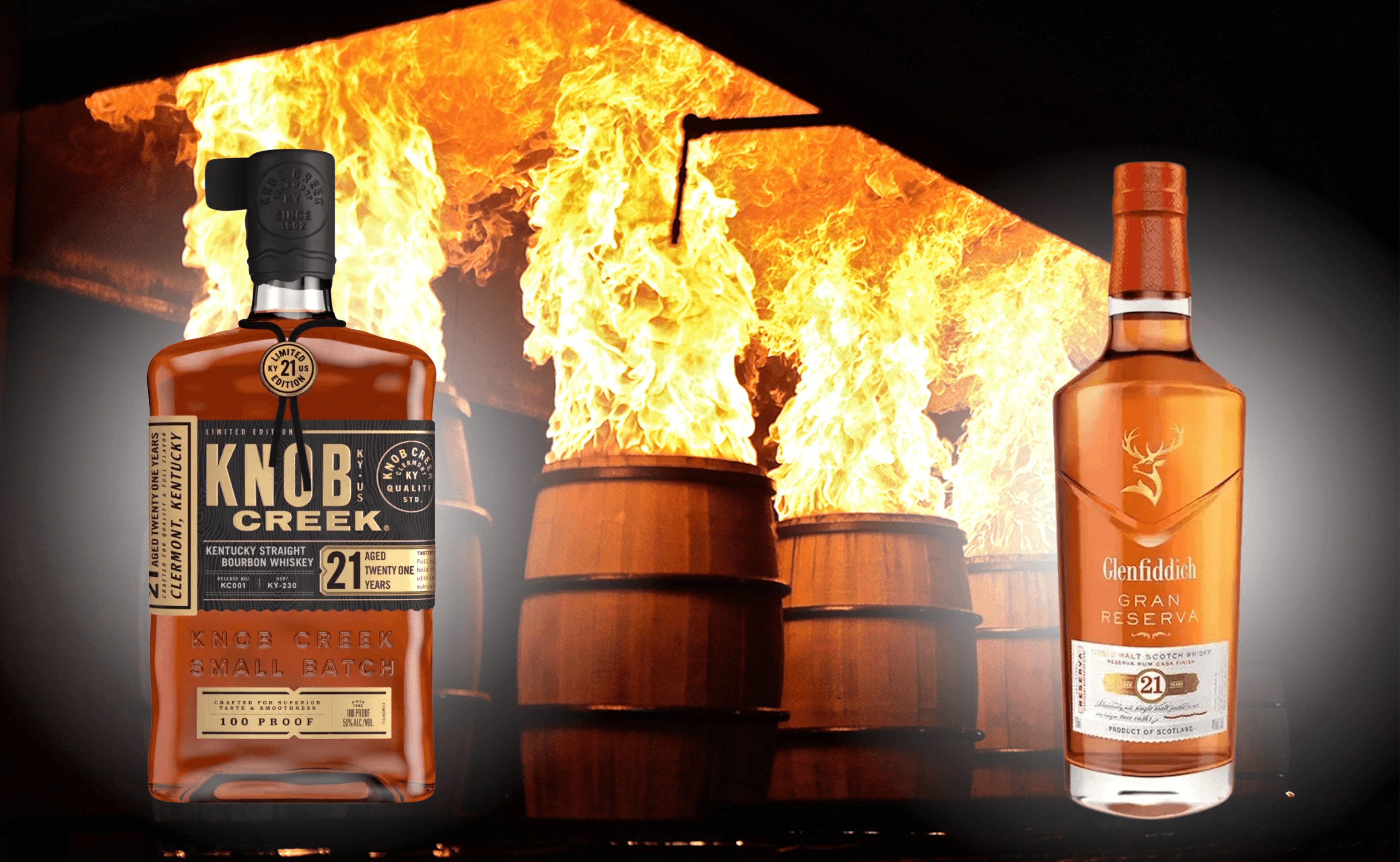
How Maturation Shapes Bourbon vs Scotch
Introduction: The Knob Creek 21-Year Release and Its Implications
In October 2024, Knob Creek unveiled its 21-Year bourbon, marking the oldest whiskey ever released by James B. Beam Distilling Company. This milestone not only celebrates a significant age statement for the brand but also invites reflection on how extended maturation influences bourbon compared to Scotch whisky. The Knob Creek 21-Year, bottled at 100 proof and priced at $249.99, exemplifies a carefully managed ageing process that challenges traditional views on bourbon’s optimal maturation window.
This release arrives amid growing interest in ultra-aged American whiskey, signalling a shift in collector and enthusiast focus towards longer-aged bourbons. Yet it also raises the question: why does bourbon’s ageing trajectory differ so markedly from Scotch, despite both being matured in oak casks? Understanding this requires examining the interplay between base spirit, barrel type, and climate—factors that shape the distinct flavour profiles and ageing ceilings of these iconic whiskies. The Knob Creek 21-Year release thus provides a timely context for exploring the fundamental contrasts in how aging transforms bourbon versus Scotch.
Understanding Aging: The Role of Barrel Type
Barrel type is a cornerstone of whisky maturation, profoundly influencing flavour extraction and development. Bourbon’s identity is legally tied to ageing in new, charred American white oak barrels—a regulation that shapes both its taste profile and ageing dynamics. These new barrels are highly porous and rich in lignin, which breaks down rapidly when charred to release aromatic compounds such as vanillin and phenolic aldehydes. This process imparts characteristic notes of vanilla, spice, and caramelised sugars within just a few years.
In contrast, Scotch whisky matures predominantly in used casks—often ex-bourbon or ex-sherry barrels—that have already surrendered their most aggressive wood compounds to previous occupants. These European oak barrels release wood sugars more gently over an extended period, allowing Scotch to develop complexity without the risk of overpowering oak influence even after decades.
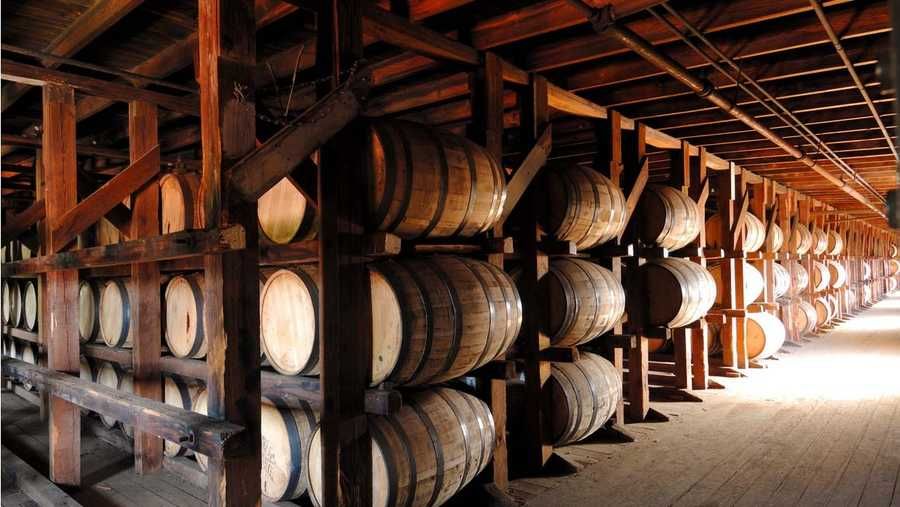
The Impact of New vs. Used Barrels
New charred barrels used for bourbon deliver intense wood character early on—vanilla sweetness, caramel, and spice notes dominate as lignin breaks down quickly. By six to eight years, much of these extractable compounds have been absorbed. Beyond this point, extended ageing risks tannin accumulation that can introduce bitterness and drying astringency, potentially masking the grain’s inherent sweetness.
Used barrels for Scotch offer a subtler interaction; having been “spent,” they contribute less aggressive wood flavours but encourage slow development of nuanced fruitiness and floral notes over decades. This gentler extraction allows Scotch whiskies to age gracefully well into their third or fourth decade without becoming over-oaked.
Climate Considerations: How Environment Affects Aging
Climate plays an equally crucial role in whisky maturation by influencing evaporation rates and chemical reactions within the cask. Kentucky’s climate is marked by extreme seasonal swings—hot, dry summers followed by cold winters—which create a compression effect on the whiskey inside the barrel. When temperatures rise, the spirit expands into the wood, drawing out flavours; when it cools, it contracts, trapping those compounds within.
This cyclical expansion and contraction accelerates bourbon’s maturation compared to Scotland’s cooler maritime climate. Industry experts estimate that one year of ageing in Kentucky roughly equates to four years in Scotland. Kentucky’s dry heat causes about 4% annual volume loss to evaporation—the angel’s share—whereas Scotland sees around 2%. These differences profoundly affect how quickly flavours develop and concentrate.
The Compression Effect in Kentucky
Kentucky’s rickhouses experience temperatures ranging from near freezing in winter to as high as 140°F in summer. This wide range causes whiskey to physically expand into the charred oak staves during heat peaks, extracting intense wood character rapidly. As temperatures fall, contraction seals these flavour compounds back into the spirit.
This dynamic results in faster maturation but also increases evaporation losses and proof fluctuations—bourbon can actually rise in strength with age due to preferential water loss under dry conditions. Rackhouse placement is therefore critical; barrels aged on lower floors experience cooler temperatures and slower maturation than those higher up.
Scotland's Gentle Aging Process
Scotland’s temperate maritime climate offers stable, cool temperatures with high humidity year-round. This environment slows evaporation—particularly water loss—allowing alcohol content to gradually decrease over time rather than intensify as in Kentucky.
The gentle climate permits oxidation and flavour development at a measured pace; whisky matures steadily without risk of rapid over-oaking or excessive concentration of tannins. Consequently, Scotch often reaches its peak well beyond 15 years of ageing, with many expressions improving between 18 and 25 years or more.
Chemical Processes: Oxidation and Esterification
Beyond physical factors like barrel type and climate lies the realm of chemistry—specifically oxidation and esterification—that transforms raw distillate into complex whisky over time. Micro-oxygenation through barrel pores allows oxygen molecules to interact with spirit compounds, fostering reactions that generate esters: fruity, floral molecules that enhance aroma and flavour depth.
These processes also break down undesirable sulfur compounds and harsh volatiles present in young spirit. The pace at which oxidation occurs varies significantly between bourbon and Scotch due to their differing maturation environments.
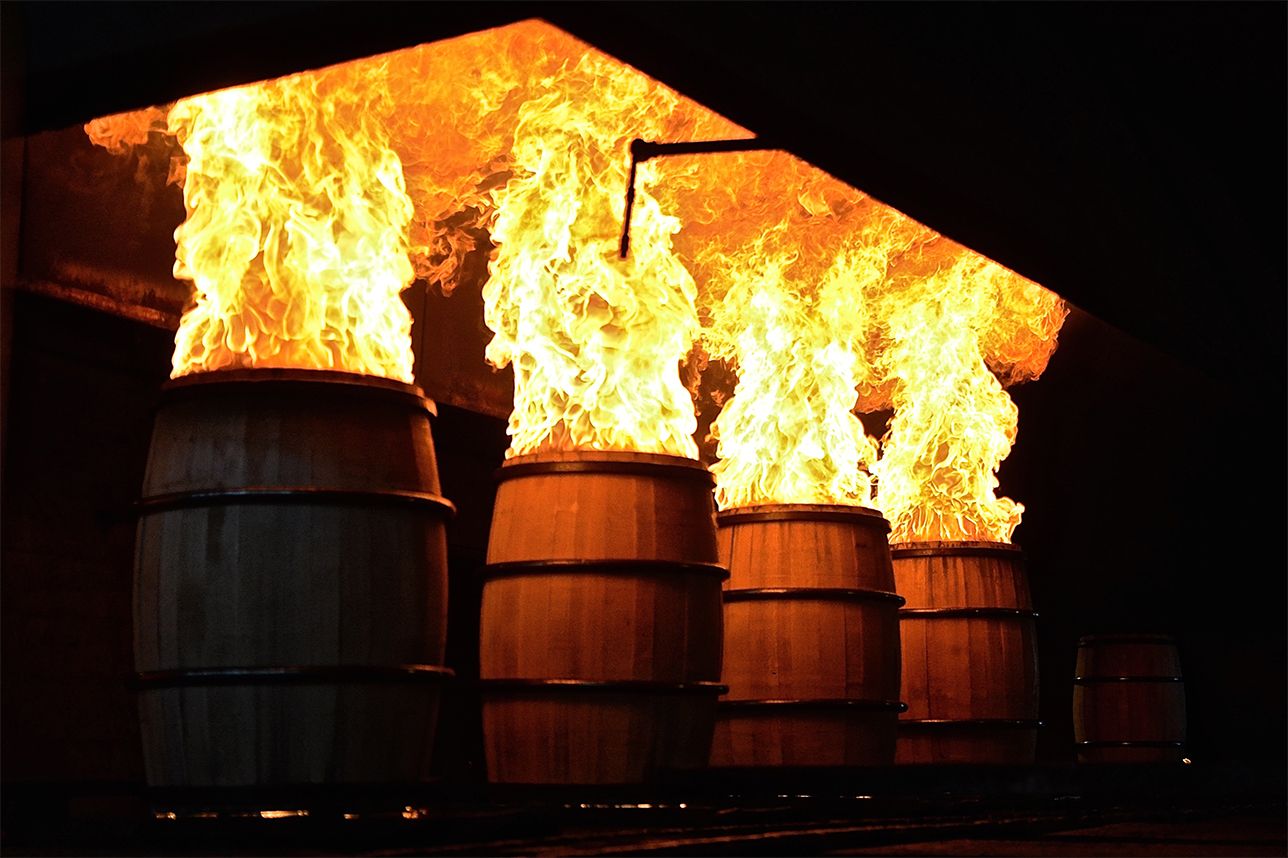
Fast vs. Slow Oxidation
Bourbon’s warm climate and new charred barrels accelerate oxidation; most desirable chemical transformations occur within 10 to 12 years. This rapid progression integrates oak flavours with spirit character but also narrows bourbon’s optimal ageing window before tannins begin dominating.
Scotch experiences slower oxidation thanks to cooler temperatures and used barrels that moderate oxygen exposure. This gradual process allows continued development of complex fruity esters over decades without overwhelming wood influence—explaining Scotch’s ability to improve well beyond bourbon’s typical peak age range.
The Angel's Share: Evaporation Rates and Their Impact
The angel’s share—the volume of whisky lost annually through evaporation—is another key factor differentiating bourbon from Scotch ageing trajectories. It affects not only total yield but also proof levels and flavour concentration.
Kentucky’s hot summers cause about 4% volume loss yearly; this evaporation preferentially removes water molecules (smaller than ethanol), resulting in rising alcohol strength as bourbon ages indoors at high temperature fluctuations. Conversely, Scotland loses closer to 2% annually under cool humid conditions where water escapes less readily than alcohol.
Evaporation in Kentucky vs. Scotland
In Kentucky rickhouses, evaporative losses combined with temperature swings can push bourbon proof above 140 after two decades if aged on upper floors; lower floors yield slower maturation with less proof increase—one reason Knob Creek selected barrels primarily from lower-level warehouses for its 21-Year release.
Scottish warehouses’ humidity helps retain water vapour; long-aged malts often fall below 40% ABV after 25 years due to gradual alcohol loss—a legal minimum that distillers must monitor closely when deciding release timing.
Market Implications: Collecting and Investing in Aged Whiskey
The contrasting ageing characteristics between bourbon and Scotch have notable consequences for collectors and investors alike. While Scotch has traditionally dominated ultra-aged whisky auctions—with values surging dramatically over the past decade—the rising prominence of American whiskey like Knob Creek’s 21-Year signals shifting market dynamics.
Priced at $249.99, Knob Creek's latest milestone occupies an accessible premium tier above standard small batch releases but below ultra-luxury expressions priced over $1,000. Early data suggest limited-age bourbons appreciate steadily on secondary markets at rates between 8% and 13% annually—slower than peak-era Scotch but offering more stable growth potential.
This trend aligns with growing demand for ultra-aged American whiskey spurred by releases such as Knob Creek 21-Year—the oldest ever from James B. Beam Distilling Co.—which demonstrates how careful management of aging variables can extend bourbon’s flavour profile without succumbing to over-oaking or imbalance.
Collectors eyeing such releases should consider not only age but also warehouse placement, proof level at bottling (Knob Creek bottles at 100 proof rather than barrel strength), and brand equity when assessing investment potential.
Conclusion: The Future of Aging in Bourbon and Scotch
Age remains a vital but nuanced canvas upon which distillers paint unique portraits shaped by wood type, climate conditions, chemical transformations, and maturation strategy. Bourbon traditionally peaks between nine and twelve years due to its aggressive new oak barrels and warm Kentucky climate; Scotch benefits from used casks and gentle maritime weather allowing decades-long refinement.
Knob Creek’s pioneering 21-Year release challenges conventional wisdom by proving that extended bourbon ageing can succeed when carefully managed—selecting cooler warehouse floors for slower maturation, bottling at balanced proof levels—and opens new possibilities for American whiskey’s evolution.
As consumer tastes mature alongside market trends highlighted by releases like Knob Creek 21-Year Old Bourbon, expect innovation around ageing techniques that respect both tradition and scientific insight into wood-spirit interactions across regions.
For enthusiasts seeking rich layers of flavour reflecting time well spent in wood—and collectors eyeing promising investment opportunities—understanding these complex ageing variables is essential for appreciating what lies within every bottle.
FAQs
How does barrel type affect the flavour differences between bourbon and Scotch?
Bourbon must be aged exclusively in new charred American white oak barrels by law; these impart strong vanilla, caramelised sugar, and spice notes early on due to rapid lignin breakdown from charring. In contrast, Scotch uses used barrels—often ex-bourbon or ex-sherry casks—that release flavours more gently over time without overwhelming oak influence even after decades.
Why does bourbon typically peak earlier than Scotch?
Kentucky’s hot summers cause bourbon to mature faster through repeated expansion into new charred oak barrels; oxidation proceeds rapidly while evaporation (the angel’s share) preferentially removes water molecules causing increased proof with age. These factors mean bourbon usually reaches optimal balance around nine to twelve years before tannins risk becoming dominant.
What makes Knob Creek's 21-Year Old Bourbon unique?
Knob Creek's 21-Year is their oldest release ever from James B. Beam Distilling Co., carefully matured primarily on lower rickhouse floors for slower ageing at moderate proof (100) rather than full barrel strength exceeding 140 proof after two decades. This approach avoids over-oaking while extending bourbon's traditional flavour ceiling.
Can older bourbons like Knob Creek 21-Year be good investments?
Limited-age bourbons from major brands have shown steady appreciation on secondary markets over recent years—typically between eight to thirteen percent annually—which is more stable though generally slower than premium Scotch whisky returns. Spiritory offers verified listings where collectors can explore such bottles safely.
How does climate impact whisky ageing?
Kentucky experiences wide seasonal temperature swings accelerating maturation through expansion/contraction cycles inside barrels; this intensifies wood extraction but increases evaporation losses (around four percent annually). Scotland's cooler maritime climate slows maturation with gentler oxygen exposure and lower evaporation (around two percent), allowing longer development periods.
Explore this bottle on Spiritory for detailed tasting notes or browse other aged whiskies that showcase how time interacts differently with wood across styles.
Please drink in moderation; legal drinking age applies.
- Introduction: The Knob Creek 21-Year Release and Its Implications
- Understanding Aging: The Role of Barrel Type
- Climate Considerations: How Environment Affects Aging
- Chemical Processes: Oxidation and Esterification
- The Angel's Share: Evaporation Rates and Their Impact
- Market Implications: Collecting and Investing in Aged Whiskey
- Conclusion: The Future of Aging in Bourbon and Scotch
- FAQs
About the author

Majda Hübner
My journey with whisky truly began when I joined Spiritory in 2024. What started as a job quickly grew into a deep appreciation for the stories behind each bottle. From elegant Highland single malts to bold American rye, every expression has its own unique charm. Through the blog, I share discoveries, insights, and favorites hoping to inspire both newcomers and fellow enthusiasts alike. If you love whisky or are just starting to explore it, welcome - you’re in good blog.