

Reach thousands of whisky and spirits lovers every day.


16.12.2025

How to Photograph Whisky: Light, Mood and Story
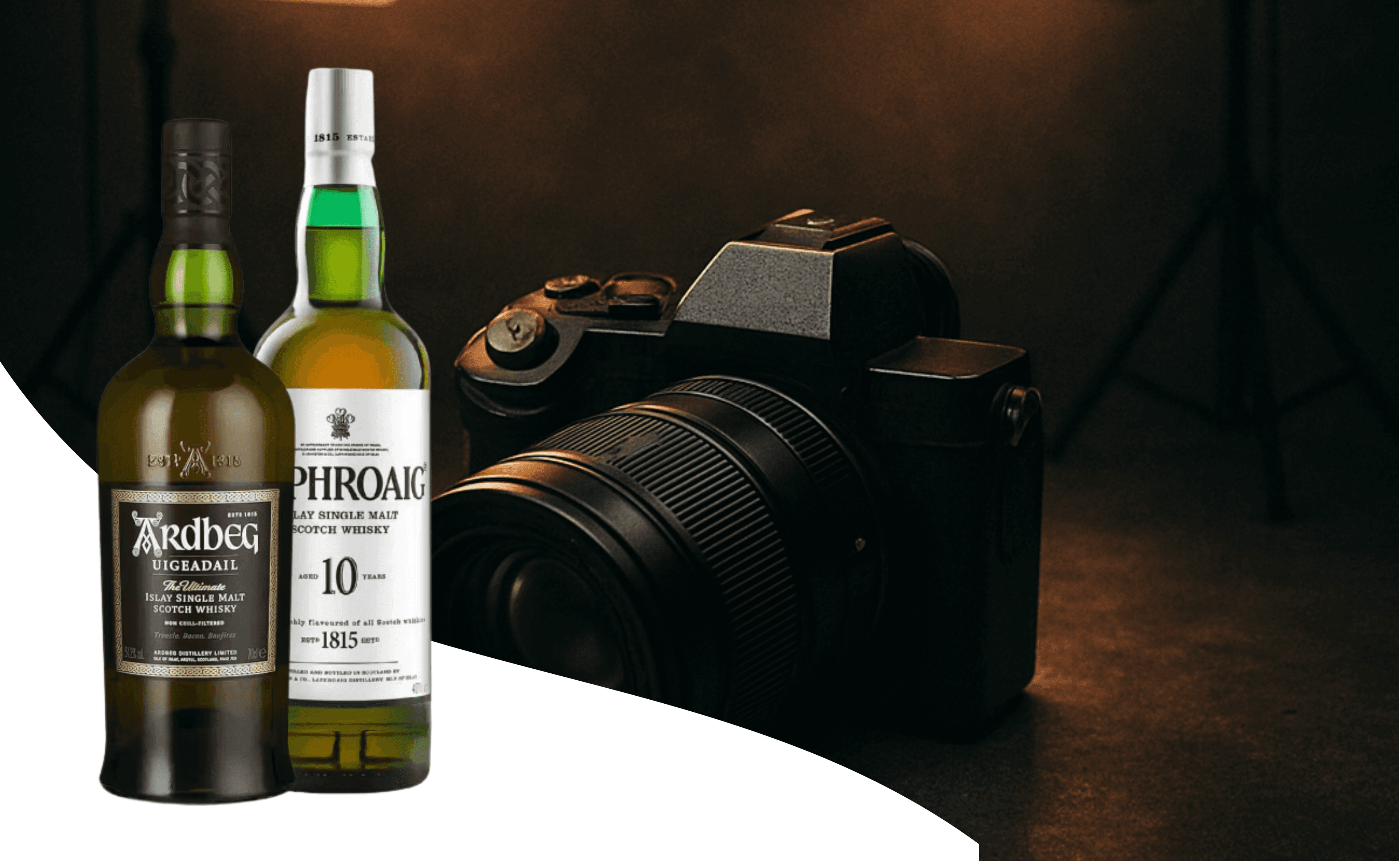
How to Photograph Whisky: Light, Mood and Story
1. Whisky as the Protagonist
A great whisky photo doesn't simply show a product — it tells its story.Instead of focusing solely on the label, think about the spirit's personality. Is it a smoky Scotch with a hint of peat, or a smooth, honeyed bourbon?
That character should be visible in the frame. Warmth, ruggedness, elegance — each whisky has its own temperament, best expressed through color, texture, and light.
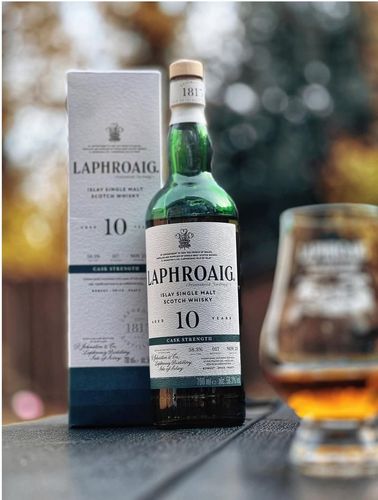
Tip: Treat whisky like a portrait subject — with mood, emotion, and presence. Let it speak, rather than just shine.
2. Light – the Key Ingredient of Whisky Photography
Whisky is light in liquid form.Natural light — especially in the morning or late afternoon — beautifully brings out its golden hues and soft reflections. Artificial lighting, on the other hand, gives you full control over direction and color temperature — perfect for studio work.
Warm, amber-toned lighting emphasizes the depth and glow of the whisky, while light that's too cool flattens the image and drains its spirit.
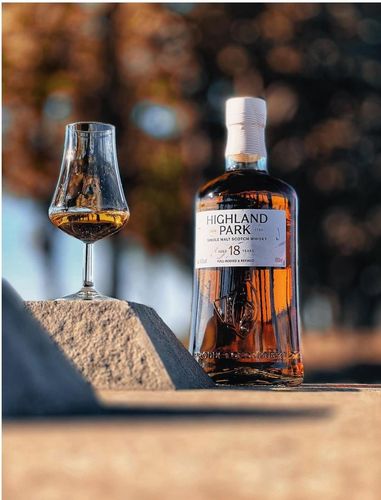
Pro tip: Position your light source slightly behind and to the side of the glass — this way, the whisky will glow with transparency and life, without distracting reflections on the glass.
3. Background, Textures, and Atmosphere
Whisky feels most at home in a natural setting. Wood, smoke, linen, leather, or dark stone — these textures add authenticity and richness.Add subtle contextual details: an ice cube, a cigar, a barrel, or candlelight. These elements shape the atmosphere of the image.
And don't be afraid of shadow. It builds depth and mystery — and whisky, by nature, thrives in the half-light.
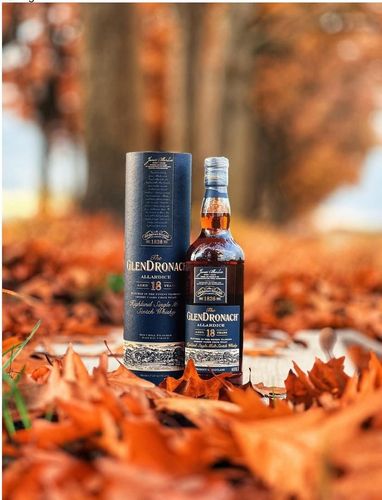
Tip: Forget perfection — embrace small imperfections like a wisp of smoke or a droplet on the rim. They bring your photo to life.
4. Composition and Gear
You don't need a high-end camera to capture whisky's essence — but a few rules help.Low-angle shots (at glass height) convey power and presence.
A focal length between 50-85mm keeps proportions natural and flattering.
Pay attention to white balance — too cool, and you'll lose the warmth that defines whisky.
Use a shallow depth of field (around f/2.8–f/4) to make the glass and liquid sharp while softly blurring the background.
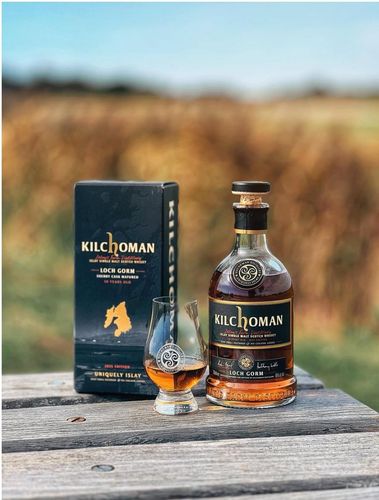
Pro tip: Try capturing light reflections off the liquid's surface — it often looks like molten gold.
5. Storytelling Through a Single Shot
Every whisky photograph can tell a story — of taste, of a moment, of a person.A shot with a wooden table and notebook speaks of tasting notes.
By a fireplace — it's about rest.
In a dim bar — connection and conversation.
Whisky isn't static. In every frame, something happens — steam rising from ice, a flicker of flame, the shadow of a hand.
Those subtle moments make the viewer feel the flavor before they've even taken a sip.
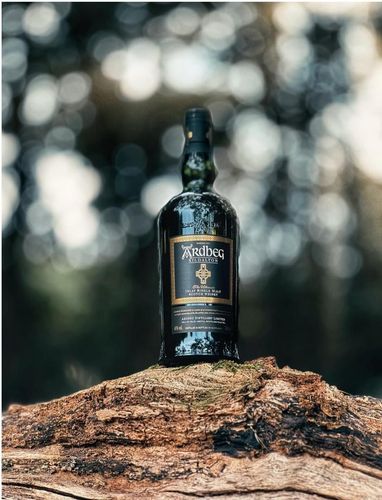
In summary:
Whisky photography is a play of light, texture, and emotion.
It's not about the perfect product shot — it's about capturing the moment when whisky lives: when it gleams, breathes, and tells its story.
Because a fine whisky, like a great photograph, lingers long after the moment has passed.
About the author

Damian Baran
Hooked since a Talisker 10 in 2021, I've tasted over 800 whiskies and love Islay peat and independent bottlings.
To the author