

Reach thousands of whisky and spirits lovers every day.


Why Isn't Every Islay Whisky Smoky?
 by Damian BaranHooked since a Talisker 10 in 2021, I've tasted over 800 whiskies and love Islay peat and independent bottlings.
Follow Spiritory on Google News to get our latest guides and releases delivered straight to your feed.
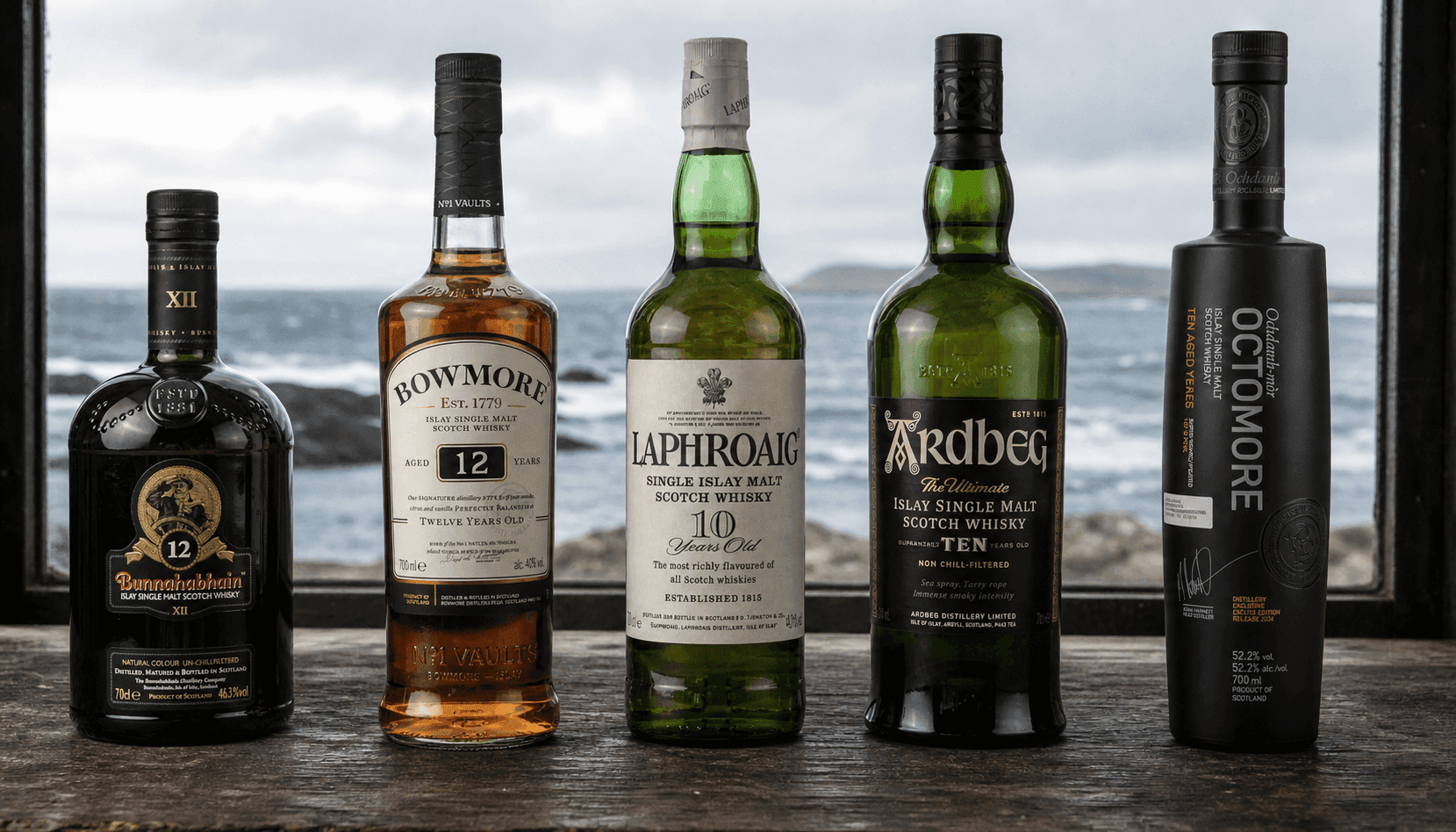
Why Isn't Every Islay Whisky Smoky?
The Birth of a Reputation
Islay didn't earn its reputation overnight.
For centuries, peat was simply the most practical fuel available. Trees were scarce, but peat bogs covered much of the island. When malted barley needed drying, peat fires became the obvious choice.
Over time, what began as necessity evolved into identity.
As whisky gained international recognition during the twentieth century, iconic distilleries such as Laphroaig, Lagavulin and Ardbeg became famous for producing intensely peated spirits.
Their bold character fascinated some drinkers while intimidating others.
Marketing naturally embraced this image. Smoke became Islay's calling card.
Today, if you ask someone who has never visited Scotland to describe Islay whisky, chances are they'll simply answer:
'Very smoky.'
They're not wrong.
They're just missing most of the picture.
One Island, Many Personalities
Imagine visiting Burgundy and assuming every wine tastes identical.
Or believing all Speyside whiskies are sweet sherry bombs.
It wouldn't make much sense.
The same applies to Islay.
Although the island covers just over 600 square kilometres, each distillery expresses peat—and whisky itself—in remarkably different ways.
The similarities end much sooner than many people expect.
Laphroaig – The Medicinal Icon
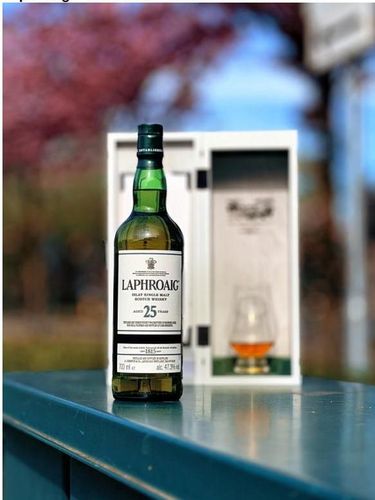
No discussion of Islay can begin anywhere else.
Laphroaig has become almost mythical for its unmistakable medicinal character.
Bandages.
Iodine.
Seaweed.
Antiseptic.
These descriptors have become so closely associated with the distillery that even experienced drinkers can often identify it blind.
Yet beneath the medicinal smoke lies surprising sweetness, vanilla, citrus and maritime freshness.
Laphroaig isn't powerful simply because it's smoky.
It's powerful because of its complexity.
Ardbeg – Smoke Wrapped in Fruit
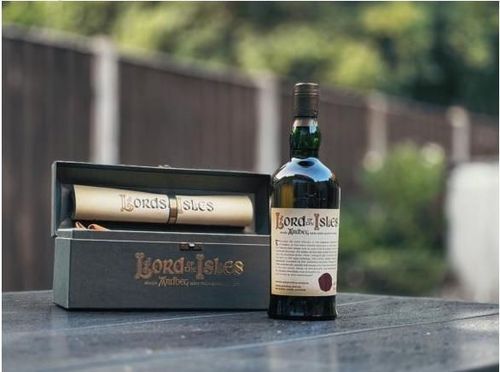
Ardbeg demonstrates that peat doesn't have to dominate every sip.
Its whiskies often combine powerful smoke with remarkable fruitiness.
Lemon peel.
Dark chocolate.
Espresso.
Anise.
Smoked citrus.
The smoke acts almost like seasoning rather than the main ingredient.
Many enthusiasts who describe Ardbeg as 'aggressive' overlook just how elegant its spirit actually is.
Lagavulin – The Master of Balance
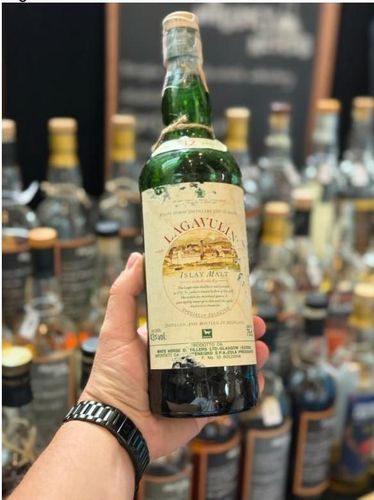
If Ardbeg is energetic and Laphroaig is uncompromising, Lagavulin is patient. Its smoke feels softer.
Rounder.
Integrated.
Years of careful maturation create layers of dried fruit, oak spices, leather and gentle sweetness beneath the peat.
Lagavulin demonstrates that age doesn't eliminate smoke.
It teaches smoke to whisper instead of shout.
Bowmore – The Elegant Middle Ground
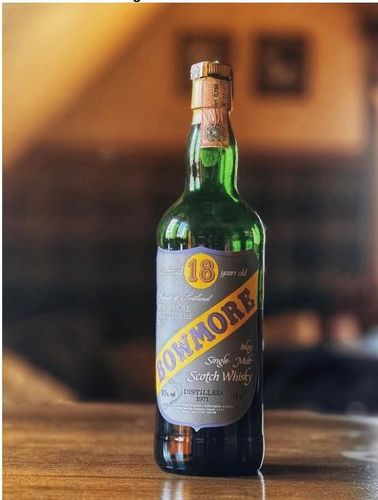
Bowmore is perhaps the island's greatest ambassador for balance.
Its peat rarely overwhelms.
Instead, smoke intertwines with tropical fruit, honey, floral notes and gentle oak.
Many people who claim to dislike Islay discover Bowmore is the whisky that changes their minds.
It proves peat doesn't have to dominate a dram.
Sometimes it simply provides structure.
Caol Ila – Smoke with Precision
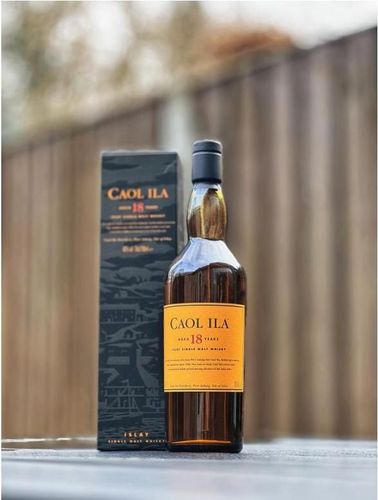
Ask experienced whisky drinkers to describe Caol Ila, and one word appears repeatedly:
Elegant.
Its smoke often feels cleaner and lighter than many of its neighbours.
Fresh citrus.
Mineral notes.
Sea breeze.
White pepper.
Rather than overwhelming the palate, Caol Ila invites careful exploration.
It may not be the loudest whisky on Islay.
It is certainly one of the most refined.
Bunnahabhain – The Great Surprise
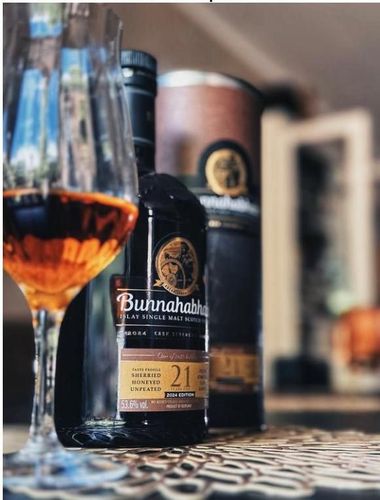
Here's a question.
Can an Islay whisky contain almost no peat at all?
The answer is yes.
For decades, Bunnahabhain has quietly challenged everything people think they know about Islay.
Its flagship expressions focus on rich malt, nuts, dried fruit, caramel and coastal freshness rather than smoke.
Blind taste Bunnahabhain beside many Highland whiskies, and some drinkers would never guess it came from Islay.
Yet its maritime elegance unmistakably reflects the island.
Sometimes Islay whispers instead of roaring.
Bruichladdich – Breaking Every Rule
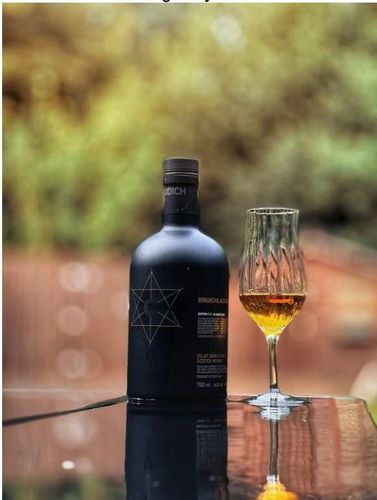
If one distillery represents innovation, it's Bruichladdich.
What makes it remarkable isn't simply the whisky it produces.
It's the contradictions.
Classic Laddie contains no peat whatsoever.
Port Charlotte embraces heavily peated whisky.
Octomore pushes peat to extraordinary levels, becoming one of the most heavily peated Scotch whiskies ever produced. Three completely different philosophies. One distillery. One island. Nothing illustrates Islay's diversity better.
Kilchoman – Tradition Meets Modernity
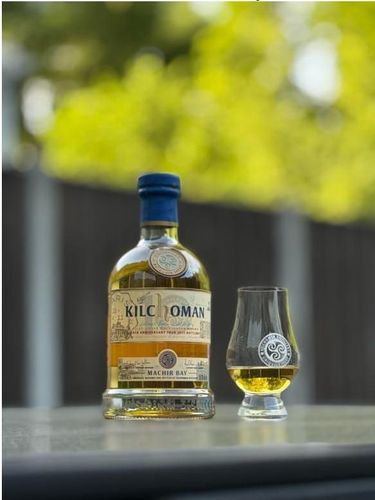
Founded in 2005, Kilchoman is one of Scotland's youngest distilleries, yet it has already established a distinct identity.
Using traditional floor malting for part of its production and growing some of its own barley, Kilchoman combines youthful energy with classic Islay character.
Its whiskies often showcase vibrant citrus fruits alongside earthy peat and sweet malt.
Rather than copying older neighbours, Kilchoman has created its own unmistakable voice.
Ardnahoe – The New Chapter
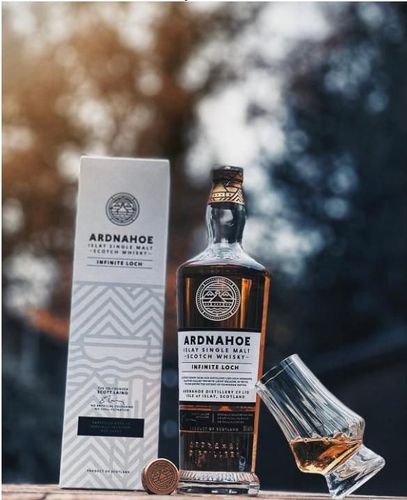
The newest addition to Islay's whisky family reminds us that the island's story is still being written. Ardnahoe draws inspiration from traditional methods while bringing fresh ideas to one of Scotland's most famous whisky regions. Its arrival demonstrates that Islay isn't a museum. It's a living, evolving whisky community.
Peat Is an Ingredient—Not an Identity
Perhaps the biggest misconception about Islay is assuming peat defines every whisky.
It doesn't.
Peat is one component among many.
Fermentation.
Still shape.
Copper contact.
Spirit cut.
Cask selection.
Warehouse conditions.
Time.
Every production decision influences the final whisky as much as—or sometimes more than—the peat itself.
That's why whiskies with similar phenol levels can taste completely different.
Smoke doesn't erase distillery character.
It reveals it.
Why Islay Fascinates Us
No other whisky region inspires such passionate debate.
Some people spend years trying to appreciate peat.
Others fall in love after their very first sip.
Eventually, most enthusiasts discover something unexpected.
The whiskies they continue returning to aren't necessarily the smokiest.
They're the most balanced.
The most expressive.
The ones where smoke becomes part of a larger conversation involving fruit, oak, spice, sweetness and texture.
That's where Islay truly shines.
Final Thoughts
Islay will probably always be known as Scotland's smoky island.
And that's perfectly understandable.
Its peated whiskies have become legends for good reason.
But the island deserves to be recognised for something even greater.
Its diversity.
From the unpeated elegance of Bruichladdich's Classic Laddie to the monumental peat of Octomore.
From the gentle coastal character of Bunnahabhain to the medicinal complexity of Laphroaig.
From Bowmore's balance to Ardbeg's intensity.
Every distillery tells a different story while sharing the same windswept island.
So perhaps the next time someone says, 'I don't like Islay because it's too smoky,' the best response isn't to recommend a different whisky.
It's simply to say:
'You haven't tasted all of Islay yet.'
- The Birth of a Reputation
- One Island, Many Personalities
- Ardbeg – Smoke Wrapped in Fruit
- Lagavulin – The Master of Balance
- Bowmore – The Elegant Middle Ground
- Caol Ila – Smoke with Precision
- Bunnahabhain – The Great Surprise
- Ardnahoe – The New Chapter
- Peat Is an Ingredient—Not an Identity
- Why Islay Fascinates Us
- Final Thoughts
About the author

Damian Baran
Hooked since a Talisker 10 in 2021, I've tasted over 800 whiskies and love Islay peat and independent bottlings.
To the author