

Reach thousands of whisky and spirits lovers every day.


Why Is Bourbon No Longer Cheaper Than Scotch?
 by Damian BaranHooked since a Talisker 10 in 2021, I've tasted over 800 whiskies and love Islay peat and independent bottlings.
Follow Spiritory on Google News to get our latest guides and releases delivered straight to your feed.

Why Is Bourbon No Longer Cheaper Than Scotch?
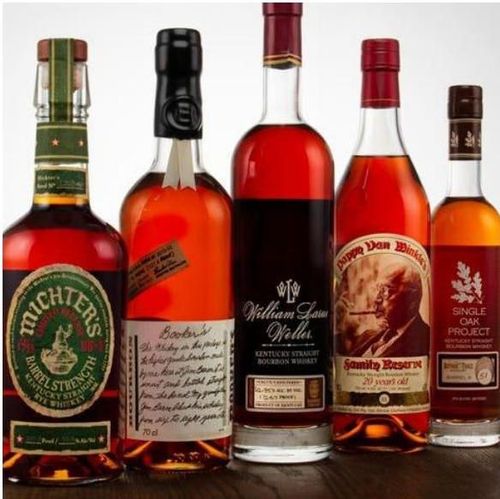
Bourbon is no longer the affordable entry point into premium whisky. Bottles like Pappy Van Winkle and Blanton's Single Barrel now trade at prices that match or exceed aged single malt Scotch, driven by scarcity, collector demand and a decade of deliberate brand building.
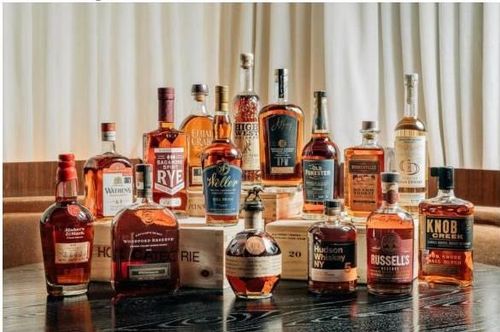
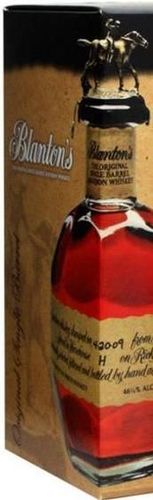

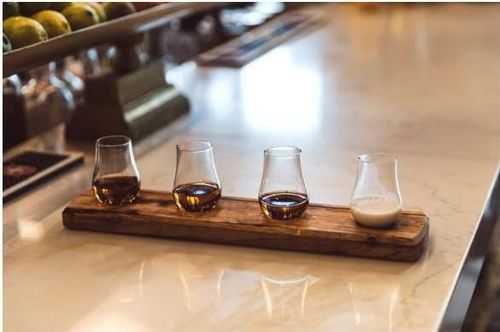
For years, bourbon occupied a very specific place in the whisky world. It was seen as:
- more accessible
- sweeter and easier to drink
- less prestigious than Scotch
- and, above all, significantly cheaper
Scotch represented heritage, age, and luxury. Bourbon was often treated as its more casual American cousin.
But that distinction no longer holds true.
In 2026, premium bourbon is no longer competing with entry-level Scotch. Increasingly, it competes with luxury whisky as a whole.
And in some cases, it has become even harder to buy.
From "Affordable Whiskey" to Luxury Collectible
The transformation did not happen overnight.
It emerged from several parallel trends:
- the rise of collectible whisky culture
- limited releases and scarcity marketing
- social media hype
- the growth of premium American whiskey
- and the global expansion of bourbon demand
Over time, certain bottles stopped functioning purely as drinks and became status objects.
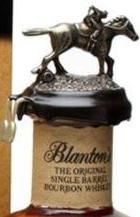
Blanton's — The Bourbon That Changed Everything
Blanton's became one of the clearest symbols of bourbon's transformation.
Its importance goes far beyond flavour alone.
It helped popularize:
- single barrel bourbon
- premium presentation
- collectible bottle culture
- limited allocation systems
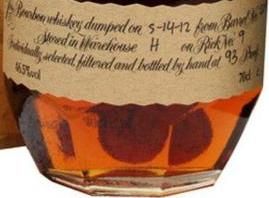
Every bottle comes from an individual barrel, meaning no two releases are exactly identical.
Combined with distinctive packaging and limited availability, bourbon became something people hunted for — not just drank.
Today, many consumers approach Blanton's the same way collectors approach luxury watches or sneakers.
Pappy Van Winkle and the Era of Bourbon Hype
No discussion of luxury bourbon is complete without Pappy Van Winkle.
Originally a relatively niche wheated bourbon, it evolved into one of the most mythologized whiskies in the world.
The result:
- extreme secondary-market prices
- waiting lists and lotteries
- bottles treated as investments
- and growing distance between retail price and actual availability
Ironically, the hype surrounding bourbon began to resemble the exact Scotch investment culture bourbon once stood apart from.
Why Bourbon Became Premium
Several factors pushed bourbon upward.
1. New Consumers Entered Whisky Through Bourbon
Bourbon's sweeter profile made it more approachable:
- vanilla
- caramel
- oak sweetness
- softer entry point compared to peated Scotch
For many younger drinkers, bourbon became their first serious whisky category.
2. American Whiskey Learned Premium Branding
Brands realized consumers were willing to pay for:
- scarcity
- storytelling
- single barrel uniqueness
- distillery identity
- premium packaging
In other words:
bourbon stopped selling only flavour — it started selling identity.
3. Social Media Accelerated Collecting Culture
Instagram, YouTube, and whisky communities transformed bourbon into a hunt.
Suddenly:
- allocated bottles became social currency
- unopened collections gained prestige
- rarity often mattered more than drinking experience
This changed consumer psychology across the entire category.
The Bourbon Paradox
The most interesting contradiction is this:
Bourbon was originally associated with simplicity and accessibility.
By law, it still must follow relatively strict production rules:
- at least 51% corn
- new charred oak barrels
- no additives for straight bourbon
And yet today, many premium bourbons are:
- difficult to find
- heavily allocated
- sold far above retail price
- positioned as luxury products
In trying to escape the shadow of Scotch, bourbon partially adopted the same luxury dynamics that once defined Scotch whisky culture.
Meanwhile, Scotch Is Moving in the Opposite Direction
Interestingly, while bourbon became more collectible, parts of the Scotch world moved toward:
- NAS experimentation
- transparency
- flavour-focused blending
- more casual whisky culture
So the categories are slowly crossing paths:
- bourbon becoming more luxury-oriented
- Scotch becoming more stylistically flexible
The Most Important Change
The biggest shift is psychological.
Consumers increasingly no longer ask: “Is bourbon cheaper than Scotch?”
Instead, they ask: “What kind of whisky experience does this bottle represent?”
And that changes everything.
Conclusion
Bourbon is no longer the “budget alternative” to Scotch.
Today it can be:
- collectible
- experimental
- ultra-premium
- culturally influential
- and globally desired
Brands like Blanton’s and Pappy Van Winkle proved that American whiskey could achieve the same aura of exclusivity once reserved almost entirely for Scotch.
The irony is that bourbon’s greatest success may also be its biggest transformation: it stopped trying to be the accessible alternative — and became part of the luxury whisky world itself.
About the author

Damian Baran
Hooked since a Talisker 10 in 2021, I've tasted over 800 whiskies and love Islay peat and independent bottlings.
To the author