

Reach thousands of whisky and spirits lovers every day.


Why Are Japanese Whisky Cocktails Rising in High-End Bars?
 by Max RinkI’m a whisky enthusiast and aspiring writer, exploring new flavours and the stories behind every bottle.
Follow Spiritory on Google News to get our latest guides and releases delivered straight to your feed.
Why Are Japanese Whisky Cocktails Rising in High-End Bars?
What Is Driving the Rise of Japanese Whisky Cocktails in High-End Bars?
The rise of Japanese whisky cocktails is driven by their unique flavour profiles and innovative mixing techniques that blend tradition with modern creativity.
Japanese whisky’s delicate and umami-forward character makes it exceptionally versatile for cocktail innovation, inspiring bartenders worldwide to experiment with ingredients like miso syrup, yuzu juice, and sake washes. This shift reflects a broader trend where Japanese whisky is no longer just a contemplative sipping spirit but a dynamic base for audacious cocktail creations that honour heritage while pushing boundaries.
High-end bars in Tokyo’s Ginza district, London, and New York are at the forefront of this movement, crafting cocktails that incorporate traditional Japanese culinary elements with precision. The surge in Japanese whisky cocktails also coincides with the growing prestige of the category globally, encouraging bartenders to explore its flavour potential in ways that elevate the cocktail experience. The recent trend of Japanese whisky cocktails surging in premium bars highlights this cultural and commercial renaissance, showcasing how the spirit’s nuanced profile pairs beautifully with unconventional ingredients such as sake, yuzu, and shiso.
Which Japanese Whisky Cocktails Are Leading the Trend?
Ten innovative Japanese whisky cocktails are redefining the high-end bar scene by creatively blending tradition with modern mixology techniques.
These cocktails demonstrate how Japanese whisky's versatile profile adapts to bold flavour combinations and artistic presentation. Leading examples include the Umami Old Fashioned, Yuzu Whisky Sour, and Matcha Whisky Sour—each showcasing unique ingredients and techniques that highlight whisky’s depth and complexity. From savoury miso-infused drinks to vibrant citrus blends and visually striking matcha-topped sours, these creations push conventional boundaries while respecting Japanese cultural influences.
Other notable cocktails in this wave include the Umeshu Sour, Kyoto Fog, Highball variations, Toki Old Fashioned, Boulevardier with an umami twist, Saketini with sake infusion, and the Hip-Hop Highball served on draft. These drinks feature a range of whiskies such as Takamine 8-Year, Nikka From the Barrel at 51.4% ABV, Suntory Toki, and Nikka Days—all chosen for their ability to balance or complement bold ingredients like yuzu kosho paste or Earl Grey tea. The diversity of these cocktails reflects both the spirit’s adaptability and bartenders’ desire to craft memorable experiences that blend sweet, sour, bitter, and umami flavours seamlessly.
What Is the Umami Old Fashioned?
The Umami Old Fashioned is a savoury twist on the classic cocktail using miso syrup and umami bitters to amplify Japanese culinary flavours.
This cocktail uses Takamine 8-Year whisky made from koji-fermented barley, which lends a distinctive depth through its savoury notes derived from sake production techniques. Instead of simple syrup, miso syrup adds a round, brothy mouthfeel while two dashes of soy or umami bitters enhance the cocktail’s complexity. This approach transforms a familiar format into an exploration of umami taste—the fifth basic flavour identified by Japanese chemist Kikunae Ikeda—making it uniquely Japanese yet approachable for whisky enthusiasts seeking innovation.
For home bartenders or those unable to source Takamine 8-Year due to limited availability, any Japanese single malt with pronounced cereal character can be adapted by adding miso syrup and umami bitters to replicate the flavour profile effectively.
How Is The Yuzu Whisky Sour Made?
The Yuzu Whisky Sour balances fresh yuzu juice’s floral tartness with honey syrup sweetness and a structured Japanese whisky base for vibrant flavour harmony.
Nikka From the Barrel at 51.4% ABV is preferred for this cocktail due to its robust blend of malt and grain whiskies that stand up well against aggressive citrus notes while contributing warming spice and vanilla undertones. The cocktail’s success depends on precise balancing: bartenders often batch it without egg white for events and adjust yuzu-to-sweetener ratios carefully in small test batches to achieve perfect interplay between sourness and sweetness.
This cocktail exemplifies how Japanese citrus integrates seamlessly into whisky-based drinks, offering a refreshing yet complex experience that honours both tradition and contemporary mixology.
What Makes The Matcha Whisky Sour Unique?
The Matcha Whisky Sour is visually striking with a deep green foam created from high-grade matcha powder atop a creamy whisky base enhanced by egg white texture.
This cocktail combines the vegetal bitterness of matcha with subtle smoke from lightly peated Japanese malt whiskies such as Suntory Toki (40–43% ABV), whose bright green-apple notes complement rather than compete with matcha’s earthiness. The egg white adds silkiness that balances bitterness while giving the drink body—making it feel substantial rather than gimmicky. The result is an elegant fusion of Japanese tea culture with whisky craftsmanship that delights both visually and on the palate.
How Do Japanese Ingredients Enhance Cocktail Experiences?
Japanese ingredients like yuzu and umeshu elevate cocktails by adding unique flavours and layers of complexity that complement whisky’s character naturally.
Incorporating traditional elements such as ume plum liqueur or Earl Grey tea introduces sweet-sour contrasts or aromatic nuances that enrich each cocktail’s profile without overpowering it. These ingredients reflect Japan’s culinary heritage while allowing bartenders to explore new taste dimensions within classic formats like sours or highballs. For example, umeshu adds stone-fruit complexity softening whisky’s oak influence in approachable ways for new drinkers; Earl Grey tea lends bergamot oils that harmonise with citrus hints in lighter whiskies like Nikka Days.
Such thoughtful ingredient integration showcases how Japan’s principles of balance and subtlety guide contemporary cocktail innovation—offering drinkers sophisticated yet accessible experiences.
What Is The Umeshu Sour?
The Umeshu Sour blends sweet-sour umeshu plum liqueur with whisky, lemon juice, simple syrup, and egg white for a complex yet approachable cocktail experience.
Bartenders dry shake to emulsify foam before finishing with plum bitters atop and garnishing with dried ume or lemon twist. This layering creates a drink both familiar in its sour format yet exotic through umeshu’s stone-fruit sweetness playing against oak-driven whisky notes. It serves as an excellent introduction for those new to Japanese whisky’s savoury side since umeshu softens aggressive spirit edges without diluting character.
How Does The Kyoto Fog Incorporate Tea?
The Kyoto Fog melds Earl Grey tea’s bergamot oils with whisky’s citrus hints alongside vanilla syrup or infusion for a creamy yet aromatic cocktail harmony.
Typically served in a chilled coupe glass garnished with orange peel twist, it highlights lighter whiskies such as Nikka Days whose creamy fruitiness allows tea flavours to remain prominent rather than overshadowed. This fusion nods to both traditional London Fog teas and Japanese whisky culture—creating an elegant blend that appeals to tea lovers and cocktail enthusiasts alike.
What Are The Essential Techniques For Crafting Japanese Whisky Cocktails?
Key techniques like precise chilling, ingredient balancing, and respecting spirit character are crucial for crafting exceptional Japanese whisky cocktails.
Temperature management is paramount; cocktails like the Highball require well-chilled components so dilution from melting ice doesn’t mute nuanced flavours. Balancing sweet, sour, bitter, and umami elements ensures harmonious drinks where no ingredient overwhelms another but instead elevates overall complexity.
Batching methods are also employed in some bars for consistency—adjusting ratios in small test batches before scaling up ensures each serve maintains perfect balance whether shaken or stirred.
Understanding each whisky’s profile guides pairing choices: lighter blends suit delicate modifiers like green tea or yuzu; robust whiskies handle bolder additives such as yuzu kosho paste or miso syrup without losing their identity.
How Is The Highball Prepared For Optimal Flavor?
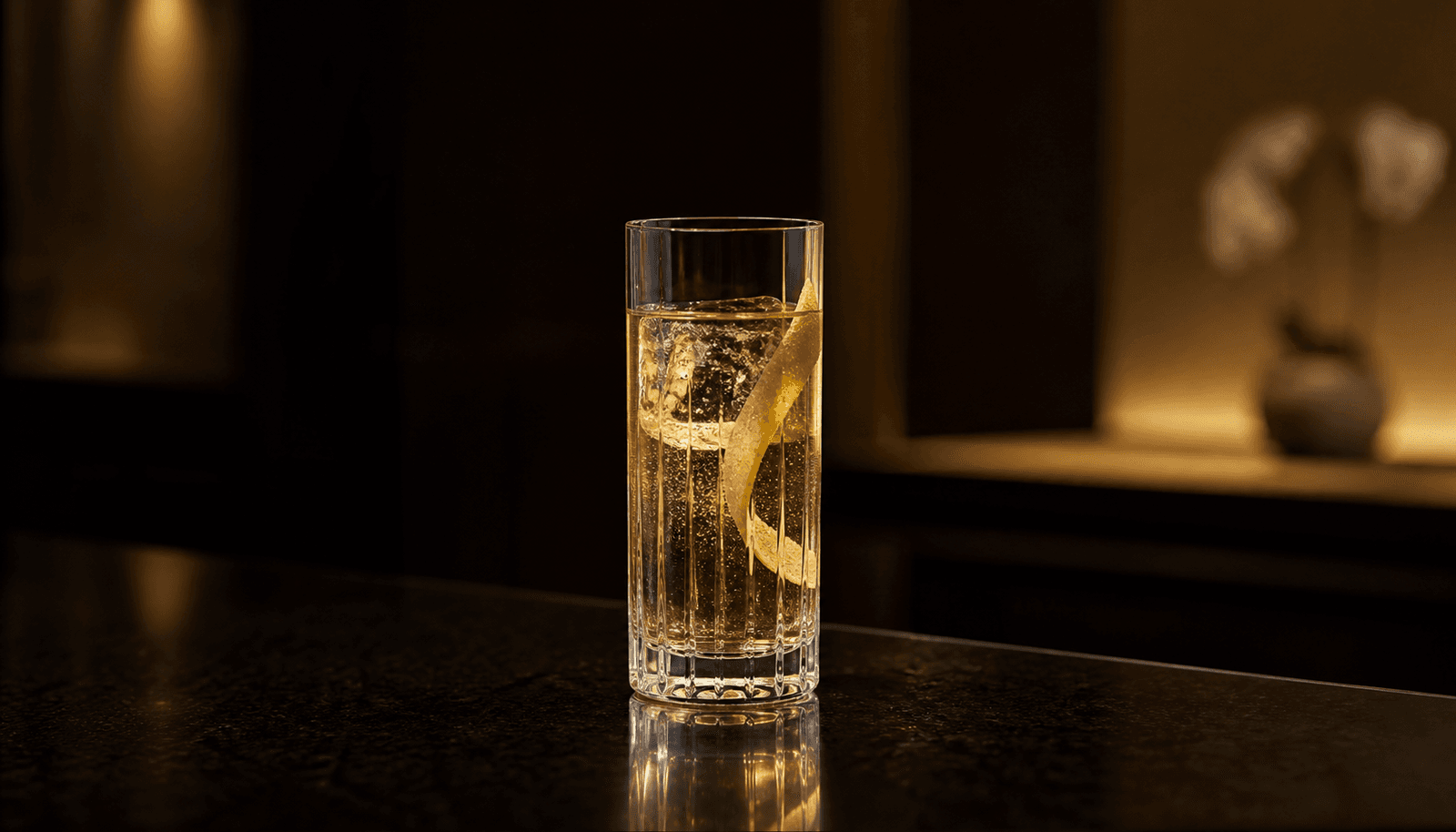
The Highball is crafted using one part whisky to three parts chilled soda water over a single large ice cube in a pre-chilled glass to preserve freshness and clarity.
Suntory Toki is typically used due to its clean finish and approachable price point; however, some high-end bars now barrel-age their bases or use small-batch sodas with lower carbonation for softer mouthfeel enhancements. Temperature control is critical—everything must be thoroughly chilled before assembly because dilution from melting ice dulls delicate nuances.
This simple yet refined technique honours Japan’s cultural reverence for the Highball as more than just a drink but an institution embodying hospitality and precision.
What Is The Significance Of The Toki Old Fashioned?
The Toki Old Fashioned emphasises simplicity by using Suntory Toki whisky with sugar cube and Angostura bitters stirred over ice—highlighting natural green-apple and honey notes enhanced by orange peel oils.
Many bartenders now add a light mist of yuzu oil atop this classic template to introduce an additional layer of citrus complexity without sweetness increase—a subtle adjustment that transforms familiarity into something distinctly Japanese.
This minimalist approach respects both tradition and modernity by allowing the spirit’s inherent character to shine through unforced.
Why Is Sourcing Quality Japanese Whisky Important For Cocktails?
Sourcing quality Japanese whiskies ensures optimal flavour expression and consistency essential for exceptional cocktail crafting experiences.
Cocktails redefining high-end bars often call for accessible but characterful whiskies like Suntory Toki, Nikka From the Barrel (51.4% ABV), Nikka Days, or Takamine 8-Year—all chosen for their ability to balance complex ingredients without losing spirit personality.
However, challenges include limited availability due to recent 2021 regulations requiring production entirely within Japan under strict standards; rising secondary market prices also affect affordability despite improving supply from new distilleries.
Platforms like Spiritory provide transparency on pricing and provenance tracking—helping collectors and bartenders source authentic bottles suited for mixing without overpaying or risking counterfeit products.
What Are The Challenges In Sourcing Japanese Whisky?
Challenges include limited distribution owing to tightened 2021 labelling standards mandating domestic production plus rising prices even for workhorse bottles like Nikka From the Barrel which now commands between sixty to seventy dollars depending on market conditions.
Collectors face increased competition for sought-after releases amid growing global demand spurred by premium cocktail trends featuring these whiskies prominently.
Transparency tools such as Spiritory are invaluable resources ensuring buyers verify authenticity while navigating fluctuating availability—critical given risks around counterfeit or mislabeled bottles infiltrating some markets.
What Does The Future Hold For Japanese Whisky Cocktails?
The future points toward deeper integration of local ingredients and innovative techniques within global cocktail culture inspired by Japan’s precision and hospitality ethos.
Emerging trends include greater use of MSG and acid phosphate additives enhancing umami-driven flavours alongside continued popularity of small pours emphasising mindfulness—a natural fit for Japan’s iconic Highball style gaining traction internationally via draft systems replicating Tokyo bar innovations like CAVE.
Bars such as Zoetrope continue expanding boundaries by incorporating native botanicals like shiso leaves or sansho pepper kinome into signature serves—demonstrating ongoing creativity fueled by respect for heritage combined with modern flair.
You can see how these developments align closely with current trends spotlighting Japanese whisky cocktails surging in high-end bars worldwide—signalling sustained growth in both innovation and appreciation among enthusiasts.
FAQs
What Are Some Easy Japanese Whisky Cocktails To Try At Home?
Easy starters include simplified versions of classics like the Highball using Suntory Toki or Yuzu Whisky Sour featuring Nikka From the Barrel; these showcase bright citrus notes balanced by smooth malt character—perfect for home experimentation without complex ingredients.
Explore these bottles on Spiritory where verified listings ensure you receive authentic spirits ideal for mixing at home responsibly.
How Can I Find Authentic Japanese Whiskies For Cocktails?
Authentic sourcing is crucial due to rising counterfeit risks; platforms like Spiritory provide transparent pricing alongside provenance verification helping collectors acquire genuine bottles suitable for premium cocktails confidently.
Check listings there regularly as availability improves alongside new distillery releases adhering strictly to 2021 production standards within Japan.
Are All Japanese Whiskies Suitable For Mixing Cocktails?
Not all are ideal; highly aged single malts trading at premium prices are best enjoyed neat due to delicate nuances lost when mixed or diluted.
Cocktail recipes favour blended or grain whiskies aged five-to-twelve years offering robust profiles capable of standing up to additional flavours without financial regret from overuse of rare bottles.
Spiritory offers detailed descriptions helping buyers select appropriate expressions tailored for mixing versus sipping experiences.
Why Is Temperature Control Important In Making A Highball?
Temperature control preserves delicate aromas by preventing excessive dilution from melting ice which dulls subtle nuances unique to each whisky expression used in Highballs—a drink deeply embedded in Japanese culture requiring precise execution for optimal enjoyment.
Chilling all components beforehand ensures lively carbonation remains vibrant throughout service delivering refreshing balance every time you pour your glass.
How Are Umami Flavours Incorporated In These Cocktails?
Umami is introduced through ingredients like miso syrup, soy-based bitters or fermented pastes such as yuzu kosho which enhance savoury depth complementing whisky's natural complexity creating multi-dimensional taste profiles celebrated globally today.
Many top bartenders incorporate these elements thoughtfully respecting traditional flavour principles while innovating contemporary drinks worth exploring further at premium bars or your own home bar setup.
Enjoy responsibly | Please drink in moderation | Legal drinking age applies | Not for sale to minors
- What Is Driving the Rise of Japanese Whisky Cocktails in High-End Bars?
- Which Japanese Whisky Cocktails Are Leading the Trend?
- How Do Japanese Ingredients Enhance Cocktail Experiences?
- What Are The Essential Techniques For Crafting Japanese Whisky Cocktails?
- Why Is Sourcing Quality Japanese Whisky Important For Cocktails?
- What Does The Future Hold For Japanese Whisky Cocktails?
- FAQs
About the author

Max Rink
I’m a whisky enthusiast and aspiring writer, exploring new flavours and the stories behind every bottle.
To the author