

Reach thousands of whisky and spirits lovers every day.


What Is the Significance of Portuguese Single Malt Whisky?
 by Janis WilczuraI'm one of Germany's leading whisky experts, featured in Handelsblatt and BILD. To me, whisky is craftsmanship and art.
Follow Spiritory on Google News to get our latest guides and releases delivered straight to your feed.
What Is the Significance of Portuguese Single Malt Whisky?
What Is the Significance of Portuguese Single Malt Whisky's Arrival?
The arrival of Portuguese single malt whisky in 2026 signifies a new chapter in global whisky production, marking Portugal’s official entry into the world whisky map.
Portugal’s debut as a whisky producer is especially notable given its long-standing influence on whisky maturation through its wine casks, yet it had previously produced no whisky of its own. The simultaneous launch of three distilleries’ first commercial single malts in early 2026 represents a profound homecoming, transforming Portugal’s centuries-old wine culture into a fresh frontier within the single malt category. This development expands the global whisky landscape by adding a nation whose terroir and climate promise unique flavour profiles distinct from traditional Scotch or Irish styles.
This milestone also reflects broader trends in world whisky, where non-traditional producing countries are gaining recognition. Early reviews highlight how Portugal’s Atlantic-influenced climate and native oak species yield whiskies with novel characteristics, sparking interest from collectors eager for limited first-edition bottles that may become future classics. These pioneering releases position Portugal among the growing list of innovative whisky nations reshaping the market today.
How Did Portugal's Whisky Revolution Begin?
Portugal’s whisky revolution began with the establishment of distilleries leveraging its rich wine heritage and coopering expertise to craft distinct single malt whiskies.
For decades, Portugal’s role in whisky was indirect but essential: its port pipes and red wine barriques were prized by Scottish distillers for adding complexity and fruit-forward character to their whiskies. This legacy laid the groundwork for Portuguese producers to translate their deep knowledge of cask preparation, native botanicals, and climate effects into whisky production. The revolution is not a sudden trend but the result of years of patient experimentation and regulatory groundwork culminating in commercial releases in 2026.
What Role Did Portugal's Wine Industry Play in Whisky Production?
Portugal’s wine industry provided essential casks and expertise that shaped early whisky flavour profiles and inspired local production methods.
Portuguese casks—especially those that held port or red wines—were highly sought after by Scotch distillers aiming to impart rich fruit and tannic notes. This coopering tradition gave Portuguese distillers a competitive edge when they began producing their own whiskies, allowing them to harness native oak species and an Atlantic-influenced climate to accelerate maturation uniquely. The country’s intimate understanding of how thermal variations affect extraction helped pioneer whiskies with intense wood influence in fewer years than typical northern climates.
Which Distilleries Are Leading the Portuguese Whisky Movement?
Three distilleries launched in early 2026, each contributing unique production methods and flavours that define Portugal’s emerging whisky identity.
Venakki Distillery, located in central Portugal’s interior, has been quietly distilling since 2017. It stands out for blending malt and grain whiskies matured under extreme diurnal temperature swings, producing intense, fruit-forward spirits with deep cask character. Venakki’s First Edition Single Malt Single Cask releases are highly collectible due to their scarcity and quality.
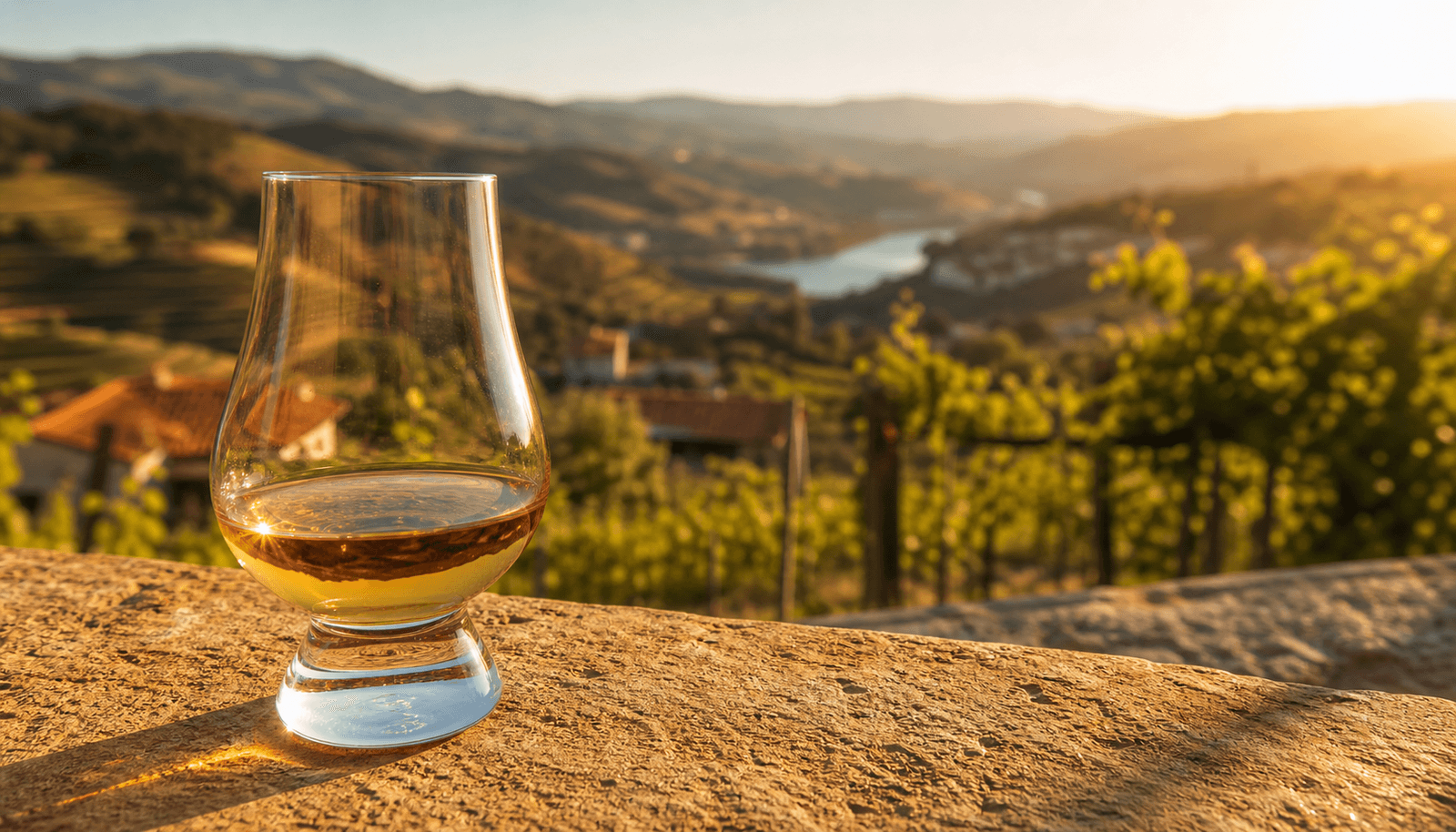
The other two distilleries are situated in key wine regions: one in the Douro Valley uses barley grown on terraced vineyards and vintage port casks; the other in Alentejo employs native Portuguese oak, imparting spicier, tannic notes with herbal complexity. Together, they form a credible triumvirate establishing Portugal as a serious new player on the world whisky stage.
What Unique Production Methods Are Used by Portuguese Distilleries?
Portuguese distilleries employ innovative methods that leverage local terroir, climate extremes, and native wood species to create distinctive single malts.
Rather than imitating Scotch or Irish approaches, these producers capitalise on Portugal’s centuries-old mastery of coopering and its Atlantic-influenced continental climate. The significant daily temperature swings—often ranging from 15°C at night to 40°C during the day—accelerate spirit-wood interaction during maturation. This rapid ageing process develops intense cask influence more quickly than is possible in cooler climates.
How Does the Atlantic Climate Influence Whisky Flavor?
The Atlantic climate’s wide diurnal temperature variations intensify interaction between spirit and wood, resulting in richer flavour extraction within fewer years.
This phenomenon mirrors what gives Portuguese red wines their concentration and structure. The fluctuating temperatures cause expansion and contraction cycles within barrels that promote deeper penetration of oak compounds into the spirit. Consequently, Portuguese whiskies often exhibit pronounced tannins, aromatic complexity, and fruit-forward notes that stand apart from traditional Scotch profiles aged longer under steadier conditions.
What Is the Significance of Native Oak in Whisky Maturation?
Native Portuguese oak imparts distinct phenolic compounds that contribute unique spicy, tannic flavours uncommon in whiskies matured exclusively in American or European oak barrels.
The use of this indigenous wood species is particularly notable at the Alentejo distillery, where cork oak forests abound. Whiskies matured here develop flavour notes reminiscent of dried herbs and wildflowers alongside robust tannins—a profile rarely found elsewhere. This innovation underscores how Portuguese distilleries are creating a new flavour vocabulary rooted deeply in their natural environment.
What Are the Flavour Profiles of Portuguese Single Malts?
Portuguese single malts offer fruit-forward yet tannic profiles with bright citrus notes that distinguish them from traditional whisky categories like sherry or bourbon bombs.
Tasting notes often include candied orange peel, vanilla pods, soft caramel, toasted oak, buttery chocolate cream, and dried figs on the palate. The finish tends to be long and layered with orange oil, leather, and oak tannins that provide both brightness and depth. This combination results from the unique interplay between Portugal’s Atlantic climate extremes and maturation in native oak or port casks.
Reviewers such as Jim Murray have recognised these qualities; he awarded Venakki’s core expression scores between 91 and 96 points, highlighting its intensity despite relative youth compared to older Scotch whiskies. These profile distinctions make Portuguese single malts an exciting discovery for enthusiasts seeking novel expressions beyond traditional regions.
How Are Portuguese Whiskies Positioned in the Global Market?
Portuguese whiskies are attracting collector interest due to their novelty and scarcity but face challenges scaling production to build consistent global availability.
Currently, combined output from all three pioneering distilleries is estimated at less than 50,000 litres of pure alcohol annually—a tiny fraction compared to established Scottish producers. This scarcity enhances collectibility but limits widespread distribution mainly to Portugal, the UK, Germany, and the Netherlands for now.
What Are the Pricing Trends for Early Portuguese Whisky Releases?
Early single cask releases from Venakki were priced between €120 and €180, reflecting both limited bottle counts under three hundred per run and high production costs associated with uncompromising cask quality.
These premium prices position them as luxury collector items akin to rare Japanese or Tasmanian bottlings at their inception. Secondary market activity shows auction prices roughly 1.5 to 2 times retail value—a healthy premium signalling genuine demand without speculative excess.
What Challenges Do Portuguese Distilleries Face in Scaling Production?
Limited production capacity restricts Portuguese distilleries’ ability to expand beyond niche markets or meet growing international demand consistently.
Scaling up would require balancing quality control with increased volumes while maintaining transparency standards such as non-chill filtering and natural colour labelling—key differentiators for these young producers. Distribution networks remain concentrated regionally; broader global reach depends on future age-statement releases around five to seven years old expected by 2028–2030.
This measured growth phase mirrors challenges faced by other emerging whisky nations seeking sustainable market footholds amid established giants.
What Does the Future Hold for Portuguese Whisky?
The future of Portuguese whisky depends on maintaining inaugural quality levels while expanding global presence through age-statement releases and consistent availability.
If upcoming expressions aged five to seven years preserve or enhance early acclaim—and regulatory frameworks continue protecting authenticity—Portuguese single malt could secure a permanent place alongside historic whisky nations. Collectors who acquire first editions now may witness these bottles appreciate as symbols marking year zero of a promising tradition.
Portugal’s emergence also enriches world whisky diversity by introducing terroir-driven styles shaped by Atlantic climates and native oak species unavailable elsewhere—a compelling narrative for enthusiasts seeking new flavour frontiers.
The ongoing trend of new world whiskies entering global markets underscores Portugal’s timely arrival; Spiritory offers transparent pricing data helping collectors navigate this exciting category with confidence.
FAQs
What Makes Portuguese Single Malt Whisky Different From Other Whiskies?
Portuguese single malts stand out due to unique maturation influenced by Atlantic climate extremes and native oak species imparting fruit-forward yet tannic flavours not found elsewhere.
Which Distilleries Should I Look For When Buying Portuguese Whisky?
Venakki Distillery leads with acclaimed core blends and limited single cask editions; also explore newer producers from Douro Valley and Alentejo regions featured on Spiritory for authentic selections.
Are Early Bottles From Portuguese Distilleries Good Collector Investments?
Early releases are scarce with strong provenance; Spiritory provides verified listings ensuring collectors access genuine bottles that may appreciate as Portugal's whisky tradition grows.
How Can I Be Sure About Authenticity When Buying Portuguese Whisky Online?
Spiritory emphasises provenance tracking from field to glass—especially important given small batch sizes—offering collectors confidence through transparent chain-of-custody documentation.
Is There Any Legal Framework Supporting Portuguese Whisky Quality?
Yes; since 2022 Portugal adopted legal standards aligned with EU spirit regulations including provisions for ageing in native oak ensuring product integrity and consumer trust.
Enjoy responsibly — please drink in moderation. Legal drinking age applies; not for sale to minors.
- What Is the Significance of Portuguese Single Malt Whisky's Arrival?
- How Did Portugal's Whisky Revolution Begin?
- What Unique Production Methods Are Used by Portuguese Distilleries?
- What Are the Flavour Profiles of Portuguese Single Malts?
- How Are Portuguese Whiskies Positioned in the Global Market?
- What Does the Future Hold for Portuguese Whisky?
- FAQs
About the author

Janis Wilczura
I'm one of Germany's leading whisky experts, featured in Handelsblatt and BILD. To me, whisky is craftsmanship and art.
To the author