

Reach thousands of whisky and spirits lovers every day.


What Is Driving the Rise of German Single Malt Whisky?
 by Janis WilczuraI'm one of Germany's leading whisky experts, featured in Handelsblatt and BILD. To me, whisky is craftsmanship and art.
Follow Spiritory on Google News to get our latest guides and releases delivered straight to your feed.
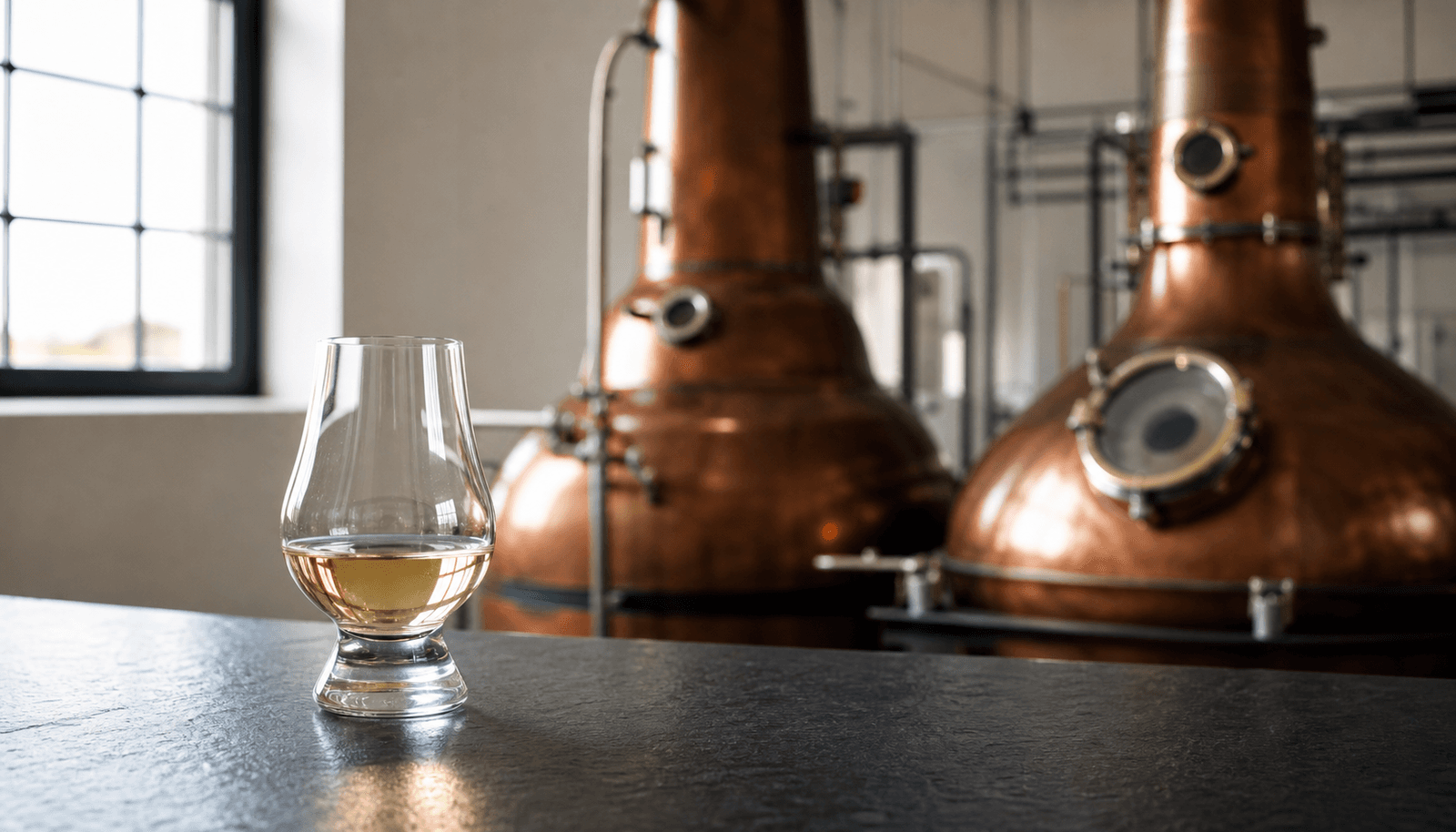
What Is Driving the Rise of German Single Malt Whisky?
What Is Driving the Rise of German Single Malt Whisky?
German single malt whisky is gaining global recognition due to international awards and a significant increase in export volumes.
The recent surge in German single malt whisky's profile is marked by top honours at prestigious competitions such as the World Whiskies Awards and the International Whisky Competition. Since 2020, export volumes from German distilleries have tripled, opening new markets in Asia and North America. This growth reflects a shift from local curiosity to a serious contender on the world whisky stage.
This breakout is not accidental but the culmination of over thirty years of evolution, with more than 200 single malt labels now produced across Germany. The current awards frenzy is finally compelling global retailers and collectors to take German single malt seriously, especially given its competitive pricing relative to quality. Enthusiasts looking to explore emerging whisky regions will find German single malts offer unique terroir-driven profiles that stand apart from traditional Scotch or Japanese whiskies.
How Did German Single Malt Whisky Originate?
German single malt whisky began in the 1990s, evolving from local craft curiosities into serious contenders on the world stage.
The roots of German whisky date back to the 1970s with Racke’s Dethleffsen facility in Flensburg, which produced grain whisky and blended malts like Blaue Maus but did not focus on single malts. True pioneers of German single malt emerged in the 1990s, primarily in Bavaria and Franconia, where distillers with backgrounds in fruit brandy began experimenting with malted barley and pot stills. Early releases were often sold locally at farmers’ markets and were modest in quality due to limited maturation and low ABVs around 40%.
These initial whiskies reflected influences from traditional eau-de-vie production, resulting in clean, floral new-make spirits that showed promise but lacked the depth of older Speyside counterparts. The lack of warehouse space and financial patience meant most whiskies were bottled young, limiting their complexity but laying a foundation for future refinement. This period marked a crucial phase where craftmanship met experimentation, setting the stage for later breakthroughs.
What Were the First Distilleries to Produce Single Malt Whisky?
The first legal German whisky distillery started in the 1970s, but true single malt pioneers appeared in the 1990s with small-scale craft operations.
Racke’s Dethleffsen facility was Germany’s earliest legal whisky producer but focused on grain whisky and blended malts rather than single malts. The real trailblazers were Bavarian and Franconian distillers who began crafting single malts using pot stills and malted barley during the 1990s. Notably, Lechner Distillery in the Black Forest released a single malt around the mid-1990s, primarily sold locally for about 25 deutsche marks per bottle. These early efforts were modest but vital steps toward establishing a uniquely German style of whisky production.
This pioneering generation often came from families with deep roots in fruit brandy or liqueur making, bringing traditional craftsmanship into uncharted territory by adapting methods suited for malt whisky production. Their work laid essential groundwork despite limited resources and market reach at that time.
What Challenges Did Early German Distillers Face?
Early German distillers struggled with under-aged whisky and low ABVs that limited flavour complexity and market appeal.
Most early single malts were bottled after just three years due to financial constraints and lack of warehouse capacity for longer maturation. These whiskies often had an ABV around 40%, which masked youthfulness but also reduced intensity and depth of flavour compared to older Scotch whiskies. The influence of local eau-de-vie traditions produced clean new-make spirits that were floral but lacked robust character or complexity expected by discerning whisky drinkers.
This youthful profile made it difficult for early producers to compete internationally or command premium prices, confining their sales largely to local markets or niche enthusiasts willing to embrace experimental styles. Nonetheless, these challenges underscored the need for longer maturation periods and higher proof bottlings that would come with later investment and ambition within the category.
What Key Developments Shaped Modern German Single Malt Whisky?
Significant milestones include dedicated single malt distilleries launching quality benchmarks and innovative aging techniques that defined regional styles.
The turning point arrived in 2006 when Slyrs Distillery in Bavaria positioned itself exclusively as a single malt producer using hammered copper pot stills and maturing spirit in ex-bourbon and ex-sherry casks sourced from Jerez. Slyrs’ first official release in 2007 was bottled at 46% ABV with a three-year age statement and quickly gained cult status domestically while winning gold at the World Whiskies Awards in 2008. This success validated German single malt’s global potential and encouraged other distilleries to invest in longer maturation and higher ABV expressions reaching cask strength levels around 55%.
The second wave around 2015 saw St. Kilian and Spiegelturm enter with serious capital and international ambitions. St. Kilian installed large copper pot stills capable of producing 120,000 litres annually, releasing innovative cask finishes including German oak from Palatinate forests and French Burgundy wine casks. Spiegelturm took a traditional approach using peated Scottish barley fermented for long periods before maturing in first-fill sherry butts, winning Best German Single Malt at the World Whiskies Awards 2020 with its 10 Year Old. These developments elevated quality standards while expanding stylistic diversity within German whisky production.
How Did Slyrs Influence the German Whisky Landscape?
Slyrs set quality benchmarks as Germany’s first distillery dedicated solely to single malt production with innovative maturation techniques.
Launching its first official single malt at 46% ABV with a three-year age statement in 2007, Slyrs quickly became a cult hit within Germany by combining traditional pot still distillation with maturation in ex-bourbon and ex-sherry casks imported from Jerez, Spain. This approach accelerated oak interaction due to Germany’s climate—cold winters contrasted by warm summers—producing robust flavours faster than typical Scotch maturation cycles.
Slyrs’ success demonstrated that high-quality German single malt could compete internationally, inspiring other distilleries to pursue longer ageing periods and higher proof bottlings while embracing terroir-driven styles unique to their regions. Its subsequent releases aged five, eight, and twelve years further cemented its reputation as a pioneer shaping modern German whisky identity.
What Role Did St Kilian And Spiegelturm Play In The Second Wave?
St Kilian and Spiegelturm brought capital investment and innovation that expanded stylistic range while winning international acclaim for German whisky.
Founded in 2015 by enthusiasts backed by significant funding, St Kilian installed large copper pot stills producing up to 120,000 litres annually, enabling experimental cask finishes using native German oak alongside French wine barrels from Burgundy and Portuguese Port pipes. Its initial 3 Year Old release sold out rapidly at 46% ABV, signalling strong market demand for premium German whisky expressions. Later limited editions reached cask strengths near 60%, fetching auction prices well above retail—over three times original cost—highlighting collector interest.
Spiegelturm adopted a more traditional style using peated Scottish barley fermented for extended periods before ageing predominantly in sherry butts sourced from Spain’s Jerez region; its award-winning 10 Year Old exemplifies Franconian style’s robust spice character combined with delicate peat smoke notes. Together these distilleries raised quality expectations while broadening Germany’s regional flavour profiles on an international scale.
What Are The Distinct Regional Styles Of German Single Malt Whisky?
German single malt features four main regional styles: Bavarian fruity cereal-forward, Franconian spicy robust, Black Forest experimental fruit-driven, and Palatinate delicate red berry finishes.
Each region’s style reflects local barley varieties, water sources, yeast strains, and cask choices that shape unique flavour profiles within Germany’s growing whisky landscape.
Bavarian whiskies like those from Slyrs and St Kilian are noted for their bright fruitiness—green apple, honey, shortbread—with gentle oak spice from ex-bourbon or re-filled wine casks matured at low peating levels (5–10 ppm). This style emphasises freshness balanced by smooth cereal notes.
Franconian whiskies centre on distilleries such as Spiegelturm and Blaue Maus; they use limestone-rich water combined with local barley producing spicier spirits matured heavily in sherry or virgin German oak casks yielding dark chocolate, dried plum, cinnamon aromas alongside moderate peat (10–25 ppm).
The Black Forest style is experimental due to its heritage linked with Kirsch brandy production; it often exhibits subtle stone-fruit characters aged rapidly in small (<200 litre) casks enhancing wood influence yet risking dominance.
Palatinate micro-distilleries leverage Pinot Noir barrels from nearby wineries producing pale whiskies with red berry notes and velvety mouthfeel—a delicate alternative within Germany’s diverse profiles.
What Characterizes Bavarian Single Malt Whisky?
Bavarian single malts are fruity and cereal-forward with notes of green apple, honey, shortbread, matured mainly in ex-bourbon casks at low peating levels.
The Bavarian style is exemplified by distilleries like Slyrs and St Kilian which produce whiskies showcasing bright orchard fruit aromas complemented by sweet cereal grains such as malted barley or biscuit-like shortbread flavours.
Maturation typically involves American oak bourbon barrels or re-filled wine casks sourced from Spain or France; this imparts gentle vanilla sweetness balanced by subtle oak spice without overpowering fruitiness.
Peat levels remain low (5–10 ppm), preserving freshness rather than smokiness; this makes Bavarian whiskies approachable yet complex enough for enthusiasts seeking vibrant yet balanced profiles distinct from heavily peated Scotch varieties.
How Does Franconian Whisky Differ From Bavarian Whisky?
Franconian whiskies are spicier and more robust than Bavarian styles due to limestone water use and heavier sherry or virgin oak maturation.
Franconian producers like Spiegelturm craft richer spirits using local limestone-filtered water which enhances mineral complexity alongside barley-derived flavours.
Maturation often involves first-fill Oloroso or Pedro Ximénez sherry butts or virgin German oak casks imparting dark chocolate richness plus dried fruit notes such as plum complemented by warming cinnamon spices.
Peat levels tend higher (10–25 ppm) providing gentle smoky accents that contrast Bavarian freshness; this results in fuller-bodied expressions appealing to those who favour more intense flavour depth without overwhelming peat smoke character.
Franconian whisky thus offers a compelling alternative showcasing terroir-driven robustness distinct within Germany’s varied whisky map.
What Are The Market Dynamics And Pricing Trends For German Single Malt Whisky?
German single malt shows rapid export growth paired with competitive pricing generally 20–40% lower than comparable Scotch or Japanese whiskies.
Exports rose sharply from approximately 2.5 million litres in 2020 to 8.3 million litres by 2025 according to the German Spirits Association; Asia and North America account for about 60% of this volume.
The number of active single malt distilleries increased from 32 in 2018 to nearly 70 by early 2026; most operate small copper stills producing fewer than 10,000 bottles annually emphasizing craft scale.
Retail prices for standard aged expressions range broadly—from €35 for three-year-olds up to €150 for rare eight-year-old single casks—while limited editions have fetched between €250–€700 at auction depending on provenance and proof strength.
This dynamic growth offers collectors attractive entry points compared with established regions where prices per year aged tend significantly higher; however liquidity remains developing outside core European markets.
What Statistics Illustrate The Growth Of German Whisky Exports?
Exports grew from about 2.5 million litres in 2020 to over 8 million litres by 2025; Asia plus North America now represent roughly 60% of total volume.
Such rapid expansion illustrates increasing global demand driven by rising international recognition through awards wins coupled with improved distribution networks targeting new markets beyond Europe.
This export surge coincides with nearly doubling active distilleries since 2018—from 32 up to almost 70, many operating boutique-scale pot stills producing highly distinctive regional styles appealing globally.
These figures reflect how German single malt is transitioning from niche curiosity into mainstream world whisky category contender offering fresh opportunities for retailers worldwide including Spiritory’s platform connecting buyers with authentic bottles internationally.
How Do Prices Compare With Established Whisky Regions?
German single malts are generally priced 20–40% lower per year aged than similar expressions from Scotland or Japan while maintaining competitive quality levels.
Entry-level three-year-old bottlings retail around €35 compared to higher price points typical for young Scotch or Japanese whiskies which often command premiums due to established reputations.
Older limited editions or rare cask strength releases can reach €150–€700 at auction but remain accessible relative to comparable high-end independent bottlings elsewhere; this affordability combined with distinct flavour profiles attracts both new enthusiasts seeking value as well as seasoned collectors exploring emerging categories.
This pricing advantage coupled with recent award wins signals growing market confidence though buyers should remain mindful of provenance given variability among producers especially outside flagship brands like St Kilian or Spiegelturm.
What Should Collectors Know About German Single Malt Whisky?
Collectors should prioritise provenance verification while recognising risks linked to young whiskies’ variable quality amid an evolving secondary market.
Young whiskies under three years often lack complexity expected by mature spirit drinkers; some releases bottled at reduced ABVs near 40% may mask youthfulness but taste raw grainy or spirit-driven rather than refined maltiness.
Market liquidity remains developing outside core European regions meaning bottles selling well today might take months to resell internationally; this requires patience alongside careful selection focusing on established producers like St Kilian, Spiegelturm or Slyrs whose limited editions have shown strong secondary-market interest including auction results exceeding retail prices significantly.
Platforms such as Spiritory provide essential tools offering provenance documentation plus transparent pricing data helping collectors navigate this nascent category safely while supporting informed investment decisions based on detailed cask records rather than speculation alone.
What Are The Risks Of Investing In Young German Single Malts?
Young whiskies below three years may lack depth or complexity making them risky investments compared to older matured expressions prized by collectors.
Some producers bottle “single malts” barely matured enough resulting in raw spirit heat dominating flavour profiles; reduced ABVs near 40% can obscure youthfulness but do not guarantee drinkability or ageing potential.
Without consistent age statements regulation across Germany some releases may be marketed aggressively despite lacking maturity standards seen elsewhere—this increases risk especially when provenance verification is unclear or secondary market liquidity is thin outside domestic regions limiting resale opportunities internationally.
Collectors should prioritise bottles from reputable distilleries known for rigorous maturation practices while consulting platforms like Spiritory which verify authenticity helping mitigate risks inherent in emerging categories such as German single malt whisky.
How Can Collectors Navigate The Secondary Market?
Collectors can rely on platforms like Spiritory offering provenance verification plus transparent pricing data essential for navigating Germany’s evolving secondary market safely.
Spiritory connects buyers directly with verified bottles ensuring authenticity through detailed cask records while providing real-time market prices reflecting true demand rather than inflated speculation common during category hype phases.
This transparency helps collectors identify promising releases from established producers such as St Kilian or Spiegelturm whose limited editions command premium valuations supported by auction results surpassing original retail prices substantially.
Using dedicated marketplaces reduces risks associated with counterfeit products or provenance gaps common among independent bottlings while fostering confidence required when investing early into emerging world whisky categories like German single malt.
What Does The Future Hold For German Single Malt Whisky?
The future hinges on maintaining high-quality standards amid scaling production alongside developing consistent pricing structures rewarding top producers fairly.
While current awards wins confirm genuine progress beyond novelty status, challenges remain including batch consistency variability plus regulatory gaps allowing very young bottlings marketed as “single malt” without penalties reducing overall category credibility among connoisseurs.
Sustained investment into longer maturation combined with terroir-driven innovation will be key drivers shaping whether Germany secures a permanent place on the world whisky map versus fading as an awards-fuelled trend sustained only temporarily by hype cycles.
Export growth trends highlighted earlier indicate expanding global interest particularly across Asia/North America markets where demand continues rising sharply—a positive sign reinforcing potential long-term viability if quality controls remain rigorous through scaling phases ahead.
You can see why keeping an eye on these dynamics matters whether you’re a drinker seeking fresh flavour profiles or collector aiming for emerging assets before prices reflect full category maturity worldwide.
FAQs
Why Is German Single Malt Whisky Gaining Popularity Now?
German single malt has surged due to recent international awards plus tripled exports since 2020 expanding availability globally beyond Europe significantly.
This growing recognition signals improved quality standards backed by innovative regional styles attracting new consumers worldwide eager for distinctive alternatives outside traditional Scotch or Japanese offerings found on Spiritory today.
Which Distilleries Are Leading The Charge In Germany?
Key leaders include Slyrs pioneering dedicated single malt production since mid-2000s plus newer entrants St Kilian & Spiegelturm raising quality & ambition since mid-2010s.
These brands produce highly collectible limited editions frequently traded via platforms like Spiritory providing verified provenance trusted by enthusiasts globally.
How Should I Approach Collecting German Single Malts?
Focus on established distilleries known for rigorous maturation practices while verifying bottle authenticity through specialised marketplaces such as Spiritory offering provenance details & transparent pricing data essential amid market growth.
Are Prices For German Single Malts Competitive Compared To Scotch Or Japanese Whiskies?
Yes—prices tend generally 20–40% lower per year aged versus comparable Scotch/Japanese expressions offering excellent value especially among younger age statements popular among new collectors.
Is It Safe To Invest In Young German Whiskies Under Three Years Old?
Young bottlings under three years often lack complexity so carry higher risk; verifying provenance via platforms like Spiritory helps mitigate risks though collectors should prioritise older expressions known for depth before investing heavily.
Enjoy responsibly – please drink in moderation according to legal drinking age regulations applicable locally.
- What Is Driving the Rise of German Single Malt Whisky?
- How Did German Single Malt Whisky Originate?
- What Key Developments Shaped Modern German Single Malt Whisky?
- What Are The Distinct Regional Styles Of German Single Malt Whisky?
- What Are The Market Dynamics And Pricing Trends For German Single Malt Whisky?
- What Should Collectors Know About German Single Malt Whisky?
- What Does The Future Hold For German Single Malt Whisky?
- FAQs
About the author

Janis Wilczura
I'm one of Germany's leading whisky experts, featured in Handelsblatt and BILD. To me, whisky is craftsmanship and art.
To the author