

Reach thousands of whisky and spirits lovers every day.


What Are the Best Rum and Cocktail Bars in Miami for the World Cup 2026?
 by Max RinkI’m a whisky enthusiast and aspiring writer, exploring new flavours and the stories behind every bottle.
Follow Spiritory on Google News to get our latest guides and releases delivered straight to your feed.
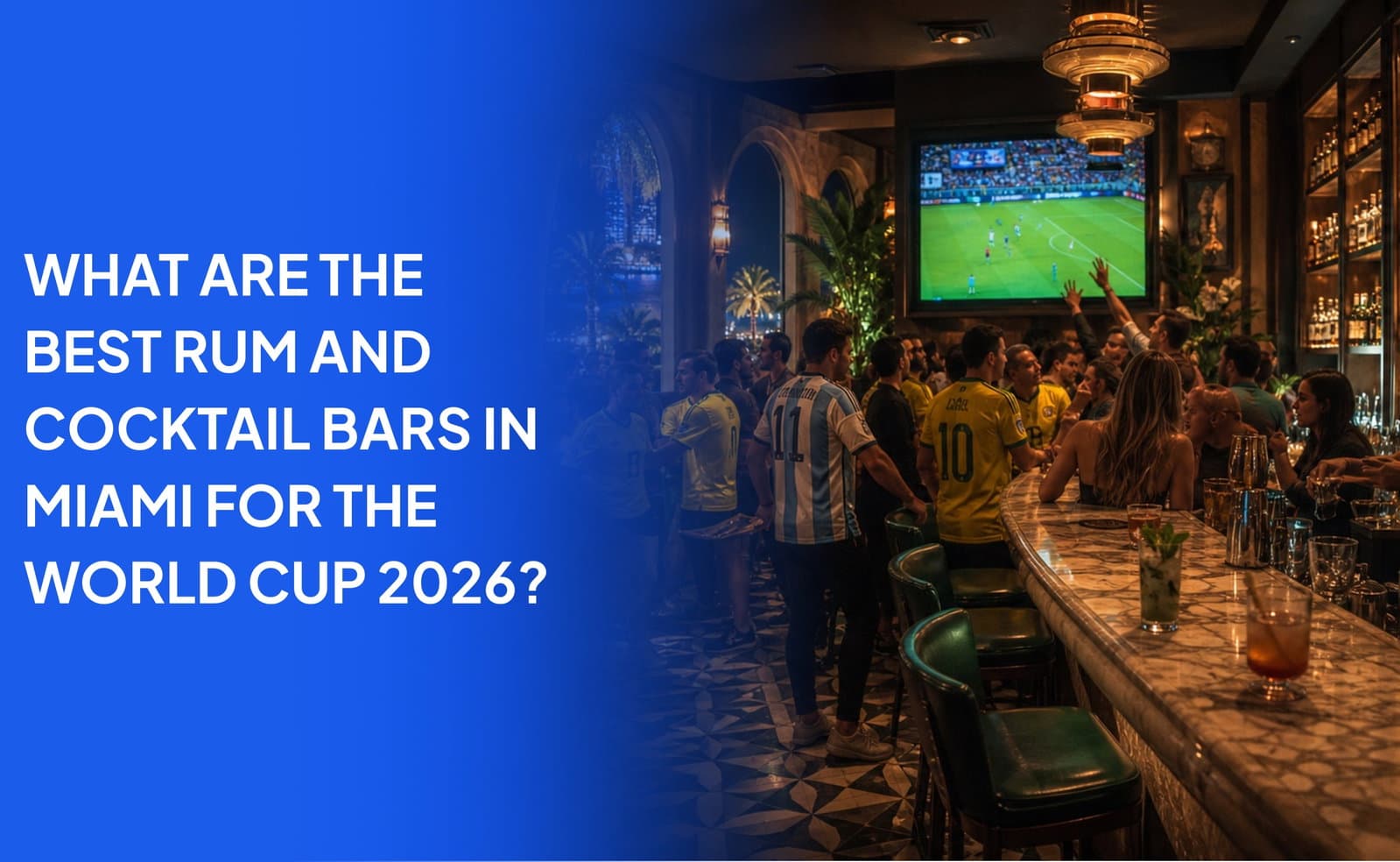
What Are the Best Rum and Cocktail Bars in Miami for the World Cup 2026?
The best rum and cocktail bars in Miami for the World Cup 2026 are concentrated in Wynwood, Brickell, and South Beach, reflecting a spirits scene shaped by one of the largest Latin American communities in the United States. Rum is the backbone, mezcal and pisco have become serious fixtures, and Miami Club Rum in Wynwood — the city's first legal distillery, founded in 2010 — offers tours and tastings for visitors arriving for the tournament.
Miami is one of the most genuinely Latin cities in the United States. Its bars have always reflected that: rum is the backbone, mezcal and pisco have become serious fixtures, and the cocktail scene draws directly from the culinary traditions of Cuba, Brazil, Colombia, Venezuela, and Puerto Rico. When the World Cup arrives in July 2026, fans will find a city that already knows how to celebrate with spirit.
Key Takeaways
- Hard Rock Stadium in Miami Gardens hosts 7 World Cup 2026 matches, including the Quarter-Final on July 11 and the Bronze Final on July 18.
- Miami's spirits identity is rooted in rum and Latin American spirits, shaped by one of the largest Latin American communities in the USA.
- The city's most interesting bars are concentrated in three neighbourhoods: Wynwood, Brickell, and South Beach.
- Miami Club Rum, founded in 2010, is Miami's first legal distillery and offers tours out of Wynwood.
- Rum, mezcal, pisco, and cachaça are all widely available, and bartenders here treat them with real knowledge.
Tip: Miami Club Rum in Wynwood runs distillery tours and is one of the few places in the city where you can taste a genuinely local spirit. Combine the visit with a walk through the Wynwood Walls and the area's cocktail bars — they are all within easy reach of each other.
Miami at the World Cup
Hard Rock Stadium sits in Miami Gardens, about 15 miles north of downtown Miami. The venue hosts seven matches across the tournament: four in the group stage, one in the Round of 32, the Quarter-Final on July 11, and the Bronze Final on July 18. For fans who want to be close to the action beyond the 90 minutes, Downtown Miami, Brickell, and Miami Beach are all reachable in 30 to 40 minutes by car or rideshare.
What makes Miami different from most other host cities is the crowd. The city has deep roots across Latin America, and for many fans traveling from South America, Central America, and the Caribbean, Miami will feel closer to home than any other venue on the USA leg of the tournament. Expect genuine carnival energy. The bars and restaurants in Brickell and Wynwood have seen this before during Copa America and other major events, and they are set up for it.
July in Miami is hot, humid, and occasionally wet. The late-afternoon thunderstorms are predictable and brief. Most premium bars are air-conditioned. The better hotel rooftops are open-air but manage the climate with shade and fans. Plan evening drinking rather than afternoon, and you will be comfortable.
The Best Spirits Bars in Miami
Rum Room, Miami Beach
Located at 2100 Washington Ave in Miami Beach, Rum Room is the most focused rum bar in the city. The list skips light beach pours and works through the Caribbean and South America with genuine depth. The Dark and Stormy and the Old Cuban are the cocktails that regulars recommend first, but the bartenders here are knowledgeable enough to build something around whatever rum style you prefer. For fans arriving from rum-producing nations, this is the most natural first stop in the city.
Panamericano, Brickell
Panamericano sits inside Mary Brickell Village and operates as a genuine Latin American spirits bar. The entry requires ringing the doorbell, which filters the crowd and keeps the atmosphere right. Inside, the list covers rum, mezcal, pisco, and cachaça with the kind of depth that suggests the team actually drinks this way. The award-winning bartenders here can explain the differences between a Peruvian pisco and a Chilean one, or walk you through the range of mezcal production styles, without making it feel like a lecture. For anyone who wants to understand Miami's spirits identity in a single sitting, this is the place.
Swizzle Rum Bar and Drinkery, South Beach
Swizzle takes a no-gimmick approach to rum. The South Beach location has a deep list covering Caribbean and global rums without the tourist-facing simplification that affects many bars in that part of the city. It is a working rum bar, and it functions as one. For fans who want to drink well without having to navigate a complex reservation or a hotel lobby, this is the most straightforward choice.
Dante's HiFi, Wynwood
Dante's HiFi is a music venue and bar in Wynwood with a specific identity: Japanese whisky highballs. That might seem like a narrow focus, but the quality of the pours and the energy of the room make it genuinely worth a visit. Wynwood has high bar density, and Dante's is a reliable anchor for an evening that moves across multiple venues in the neighbourhood.
Premium Hotel Bars
Septimo Cocktail Bar, Four Seasons Miami
Septimo opened on April 29, 2026, on the 7th floor of the Four Seasons in Brickell. Beverage director Jacopo Rosito built a menu that leans into the Latin American context without relying on obvious references. The Cafe Caribe is an espresso martini done with real care, and the Septimo Martini and Oyster Martini are precise rather than showy. Elmy's Margarita and Tomato and Vine round out a menu that rewards multiple visits. The rooftop setting over Brickell makes this one of the better views in the city for an evening drink.
Jo's Bar, The Setai, Miami Beach
Jo's Bar at The Setai is a counterintuitive recommendation in a city with such strong rum credentials, but the Japanese whisky list here is genuinely impressive. Hakushu and Yamazaki are poured alongside tropical cocktails, and the combination works because the bar operates at a level where both categories are treated with the same seriousness. The Setai's Miami Beach location, the quiet of the room, and the quality of the service make this the right choice for an evening away from the match-day energy.
Miami Club Rum: The Local Distillery
Miami Club Rum, at 2320 N Miami Ave in Wynwood, is Miami's first legal distillery, founded in 2010. Master Distiller Matt Malone produces a super-premium rum made from Florida sugarcane and molasses, aged in French oak. The result is a spirit with a genuine sense of place, which is rare in a category where most production happens offshore and branding does most of the work.
Distillery tours are available, and for fans interested in understanding where Miami's rum culture comes from on a production level, this is a worthwhile afternoon. Wynwood's bar density means the distillery visit fits naturally into a longer neighbourhood itinerary. Dante's HiFi, Gramps, and Higher Ground are all within walking distance.
Miami's Latin Spirits Culture
Miami's cocktail identity was built by the communities that shaped the city. Cuban and Puerto Rican influence established rum as the default spirit. Brazilian immigration brought cachaça and the caipirinha, made by muddling lime with sugar and cachaça, which is one of the most widely drunk cocktails in the city. Colombian and Venezuelan communities expanded the range of what people expected bars to carry. Over the past decade, mezcal and pisco have moved from specialist bars into the mainstream of Miami's cocktail scene.
These are distinct spirits with distinct production traditions. Pisco is a grape brandy from Peru and Chile, unaged, and varies significantly between the two countries' production styles. Cachaça is a Brazilian cane spirit that differs from rum in production method and flavour profile. Mezcal is made from agave in Mexico, with a broader range of production styles and raw materials than tequila. Miami's best bars understand these distinctions and hire staff who can explain them.
For fans visiting from Latin America, the range of spirits available in Miami reflects the city's own composition. For fans from elsewhere, this is an opportunity to drink things that are genuinely difficult to find at this quality level outside the region.
On the collector side, the tournament has produced at least one notable release worth knowing: the Don Julio 1942 FIFA World Cup 2026 Limited Edition connects the premium tequila category directly to the tournament. Clase Azul Reposado is another premium expression that has found serious footing in Miami's Latin spirits bars. The standard Don Julio 1942 remains a benchmark for the category and is available at most premium venues in the city.
Tip: The most interesting cocktails in Miami are built on aged rum rather than the light blended styles at tourist-facing venues. When ordering, ask specifically for aged expressions — Barbancourt 15, Diplomatico Reserva Exclusiva, or Zacapa 23 are widely stocked and represent a significantly different quality level to what most visitors default to.
FAQ
How many World Cup matches are in Miami?
Miami hosts 7 World Cup 2026 matches at Hard Rock Stadium in Miami Gardens. These include 4 group stage matches, 1 Round of 32 match, the Quarter-Final on July 11, and the Bronze Final on July 18.
What spirits is Miami known for?
Miami's spirits culture is rooted in rum, shaped by the city's strong Cuban and Caribbean heritage. Mezcal, pisco, and cachaça have all become significant parts of the bar scene over the past decade, reflecting the city's broader Latin American population.
Where is the best rum bar in Miami?
Rum Room on Washington Avenue in Miami Beach is the most focused rum bar in the city, with a deep Caribbean and South American selection. Swizzle Rum Bar in South Beach and Panamericano in Brickell are also strong options, each with a different approach to the category.
What is a caipirinha?
A caipirinha is Brazil's national cocktail, made by muddling lime wedges and sugar, then adding cachaça, a Brazilian sugarcane spirit. It is one of the most widely served cocktails in Miami and the most direct way to try cachaça if you have not encountered it before.
About the author

Max Rink
I’m a whisky enthusiast and aspiring writer, exploring new flavours and the stories behind every bottle.
To the author