

Reach thousands of whisky and spirits lovers every day.


The PPM Myth: Why More Smoke Doesn't Always Mean More Flavour
 by Damian BaranHooked since a Talisker 10 in 2021, I've tasted over 800 whiskies and love Islay peat and independent bottlings.
Follow Spiritory on Google News to get our latest guides and releases delivered straight to your feed.
The PPM Myth: Why More Smoke Doesn't Always Mean More Flavour
What Does PPM Actually Mean?
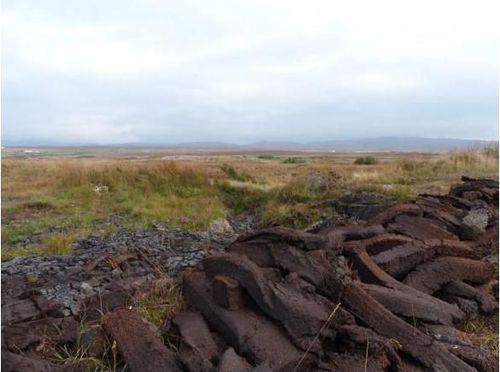
PPM stands for Parts Per Million, a measurement describing the concentration of phenolic compounds.
In whisky production, these phenols are created when peat is burned during the kilning of malted barley. The smoke carries aromatic compounds that settle onto the grain, giving peated whisky its unmistakable smoky character.
Here's the first myth worth busting:
The famous PPM number usually refers to the malt—not the whisky in your glass.
This measurement is taken after kilning, before milling, mashing, fermentation or distillation have even begun.
In other words, the number printed in marketing materials describes the starting point of production rather than the finished spirit.
That's rather like describing a loaf of bread by quoting the moisture content of the wheat before it was milled.
Where Do These Phenols Come From?
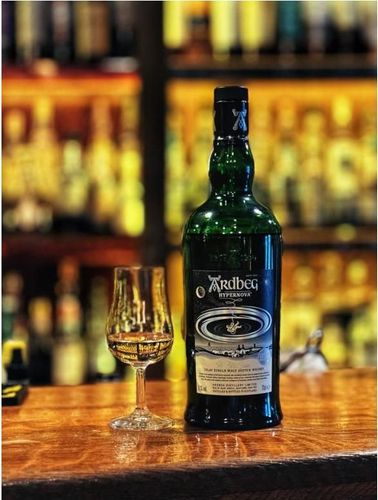
Peat itself is a fascinating material.
Formed over thousands of years from partially decomposed mosses, grasses, heather and other vegetation, peat accumulates in waterlogged environments where decomposition happens extremely slowly.
When dried and burned, peat doesn't simply generate heat—it produces hundreds of aromatic compounds.
Among the most important are phenols such as:
- Phenol
- Guaiacol
- Cresols
- Syringol
Each contributes different aromas.
Some evoke bonfires.
Others resemble smoked bacon.
Some create medicinal notes reminiscent of iodine or sticking plasters.
Others deliver sweet barbecue smoke.
This explains why not all peated whiskies smell alike, even when their PPM figures appear similar.
The Journey from Barley to Bottle
One of the biggest misconceptions is that phenol levels remain constant throughout production.
In reality, every stage changes the whisky.
Kilning
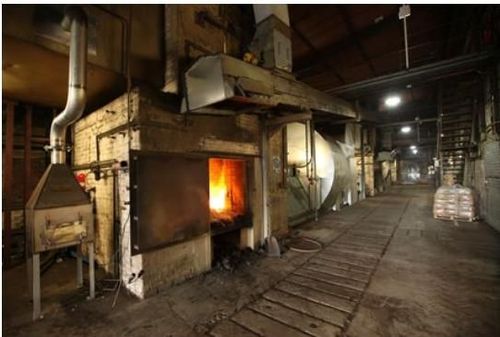
This is where peat smoke first interacts with the barley.
The longer the malt is exposed to smoke, the higher its measured phenol content.
This is the number distilleries often publish.
Mashing
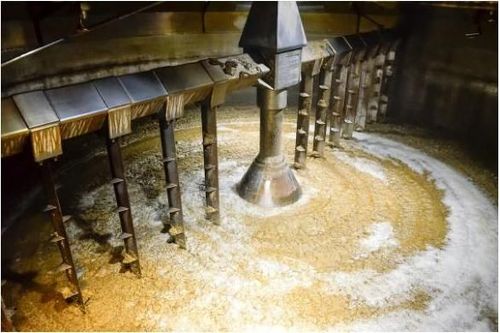
When hot water extracts sugars from the malt, not every phenolic compound survives unchanged. Some remain with the spent grain rather than entering the wort.
Fermentation

Yeast's primary role is converting sugar into alcohol, but fermentation also creates hundreds of new flavour compounds.
Interestingly, some fruity esters generated during fermentation can soften or balance smoky aromas, changing how we perceive peat.
Distillation
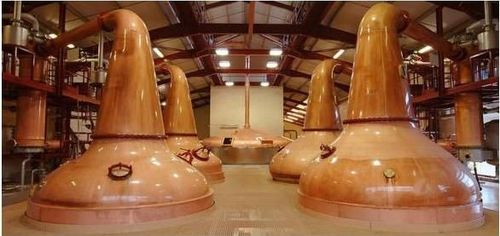
This stage dramatically alters the spirit.
Copper stills remove sulphurous compounds and influence which vapours eventually become new make spirit.
The shape and size of the stills matter enormously.
Tall stills generally encourage greater reflux, producing lighter spirits.
Shorter stills often allow heavier compounds—including some phenols—to pass through more easily.
Cut points chosen by the distiller also affect how much smoky character remains.
Maturation
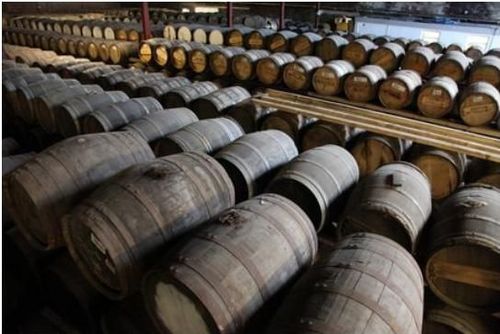
Even after entering the cask, whisky continues evolving.
Some phenolic compounds slowly decrease over time.
Meanwhile, oak contributes vanillin, tannins, caramelised sugars and spice.
As these flavours develop, the perception of smoke changes.
Older peated whiskies often feel softer—not because the peat has disappeared entirely, but because it has integrated with dozens of other flavour compounds.
Why Octomore Doesn't Always Taste Smokier
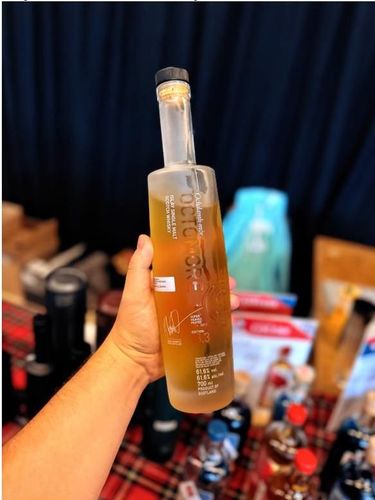
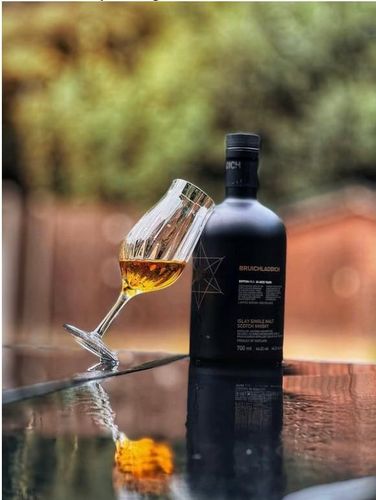
No discussion about PPM would be complete without mentioning Octomore. Produced by Bruichladdich, Octomore is famous for having some of the highest phenol levels ever recorded in Scotch whisky.
Certain releases exceed 200 ppm in the malt.
Many first-time drinkers therefore expect an overwhelmingly aggressive experience.
Yet something remarkable often happens.
People compare Octomore with classic Laphroaig or Ardbeg and discover that it doesn't necessarily feel twice as smoky.
Sometimes it even appears more refined.
Why?
Because smokiness is perception—not mathematics.
Octomore's long fermentation, careful distillation and elegant cask management create remarkable balance.
Meanwhile, Laphroaig's distinctive medicinal character comes not simply from peat intensity but from the particular combination of phenols retained during production.
Similarly, Ardbeg often delivers explosive aromas through concentrated smoke, citrus and oils working together.
The experience depends on chemistry, not a single number.
Not All Smoke Tastes the Same
Imagine three campfires.
One burns damp wood.
Another burns seasoned oak.
The third burns aromatic herbs.
All produce smoke.
None smell identical.
Peated whisky works in much the same way.
Guaiacol often brings classic bonfire aromas.
Cresols contribute medicinal or tar-like notes.
Syringol creates sweeter smoke reminiscent of smoked meats.
Phenol itself delivers the antiseptic character many associate with Islay.
The balance between these compounds matters far more than their total concentration.
This explains why two whiskies with similar published PPM figures can seem completely different.
The Influence of Distillery Character
Peat is only one ingredient in a whisky's identity.
Each distillery makes countless production decisions that shape the final spirit.
Fermentation length.
Yeast strains.
Still shape.
Distillation speed.
Spirit cut.
Condensers.
Cask selection.
Warehouse conditions.
Even filling strength influences maturation.
All these variables interact with peat.
This is why blind tastings remain so fascinating.
Experienced drinkers can often distinguish Ardbeg, Caol Ila and Kilchoman despite their broadly similar peating levels.
The smoke is only part of the story.
The spirit beneath it matters just as much.
Can Older Whisky Lose Its Peat?
Many people believe peat simply disappears with age.
That's only partly true.
Phenolic compounds do decrease during maturation, but the process is gradual.
More importantly, oak continuously adds new aromas that change our perception.
Imagine listening to a single violin.
Now imagine the same violin accompanied by an orchestra.
The violin hasn't become quieter.
It's simply part of a richer composition.
Older peated whiskies often behave the same way.
Smoke becomes integrated rather than dominant.
Should We Stop Talking About PPM?
Absolutely not.
PPM remains a useful measurement.
It tells us how heavily peated the malt was before production.
It offers insight into a distillery's intended style.
It provides an interesting point of comparison.
The mistake is treating it as a prediction of flavour intensity.
A whisky cannot be reduced to one statistic any more than a wine can be judged solely by its alcohol percentage.
Context matters.
Production matters.
Time matters.
Beyond the Numbers
Perhaps the greatest lesson is that whisky refuses to be simplified.
Numbers are comforting because they appear objective.
Taste is not.
The most memorable peated whiskies are rarely those with the highest PPM.
They are the ones where smoke, fruit, oak, sweetness, spice and texture come together in harmony.
That's why a beautifully balanced Caol Ila may captivate one drinker, while another falls in love with the medicinal complexity of Laphroaig or the bold confidence of Ardbeg.
Their PPM figures tell only a tiny fraction of the story.
Final Thoughts
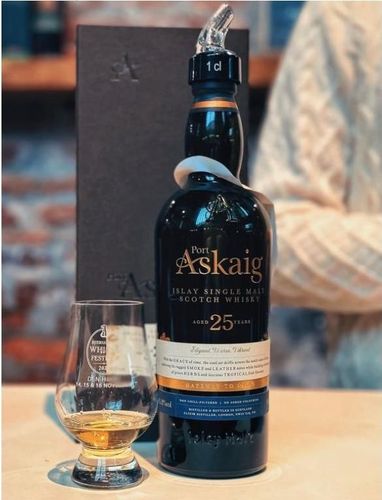
The next time you see a bottle proudly displaying 100 ppm, 150 ppm or even 200 ppm, remember what those numbers actually represent. They describe the malt before fermentation, before distillation and before years of maturation inside oak casks. They do not measure the smoke in your glass.
Ultimately, PPM is the beginning of the whisky's story—not its conclusion.
And perhaps that's what makes peated whisky so endlessly fascinating.
No matter how high the number on the label, the real experience begins only when you pour the first dram.
- What Does PPM Actually Mean?
- Where Do These Phenols Come From?
- The Journey from Barley to Bottle
- Kilning
- Mashing
- Fermentation
- Distillation
- Maturation
- Why Octomore Doesn't Always Taste Smokier
- Not All Smoke Tastes the Same
- The Influence of Distillery Character
- Can Older Whisky Lose Its Peat?
- Should We Stop Talking About PPM?
- Beyond the Numbers
- Final Thoughts
About the author

Damian Baran
Hooked since a Talisker 10 in 2021, I've tasted over 800 whiskies and love Islay peat and independent bottlings.
To the author