

Reach thousands of whisky and spirits lovers every day.


What Is the Difference Between an Official Bottling and an Independent Bottling?
 by Janis WilczuraI'm one of Germany's leading whisky experts, featured in Handelsblatt and BILD. To me, whisky is craftsmanship and art.
Follow Spiritory on Google News to get our latest guides and releases delivered straight to your feed.
What Is the Difference Between an Official Bottling and an Independent Bottling?
Key Takeaways
Official bottlings are released by the distillery itself under the distillery's brand.
Independent bottlings are purchased, aged, and labeled by third-party merchants (bottlers).
Independent bottlers typically release cask strength and non-chill-filtered versions.
Independent bottlings often cost more than their official equivalents due to small batch size and cask selection.
Major independent bottlers include Gordon & MacPhail, Signatory Vintage, Berry Bros & Rudd, Càrn Mòr, and A.D. Rattray.
Both official and independent bottlings can be exceptional; the choice depends on preference for house style versus cask character.
Official Bottlings: Distillery Control
A distillery's official bottlings represent its house style and brand identity. These are released under strict quality control and consistent flavor profiles. The distillery controls every stage: selection of casks, blending strategy, bottling strength (usually 40-46% ABV), chill filtering, and labeling.
Official bottlings are meant to be repeatable year to year; if you purchase a bottle of Macallan 12 Year Old, it should taste similar whether you buy it today or in five years. This consistency is the distillery's promise to its customers. Official bottlings are generally more affordable and widely available than independent bottlings, making them an accessible entry point to any distillery's range.
The flip side: official bottlings sometimes flatten or soften the character of a cask through heavy filtering and dilution to a standard strength. A cask at 62% ABV will be toned down to 43% ABV for official release, reducing intensity.
Independent Bottlings: Cask Character Revealed
Independent bottlers purchase casks, either newly distilled spirit or partially aged casks, from distilleries or brokers. They then manage the cask through to maturity, select which casks to bottle, and release them under their own label at their chosen bottling strength and treatment.
The independent bottler's approach is cask-focused rather than brand-focused. They might bottle the same distillery's spirit three different ways: one cask at 52% ABV, non-chill-filtered; another at 58% ABV, oily and rich; a third at 46% ABV and lightly filtered. Each represents a distinct cask and character. This means independent bottlings reveal the variability within a distillery's output in ways official bottlings intentionally smooth over.
Major independent bottlers include Gordon & MacPhail (one of the oldest and most respected), Signatory Vintage, Berry Bros & Rudd (the London wine and spirits merchant), Càrn Mòr, Elixir Distillers, A.D. Rattray, and Cadenhead's. Each brings its own house style and cask philosophy. Some specialize in cask strength; others in low-alcohol finesse. Some age for 20+ years; others bottle at 3 years to showcase youth and vigour.
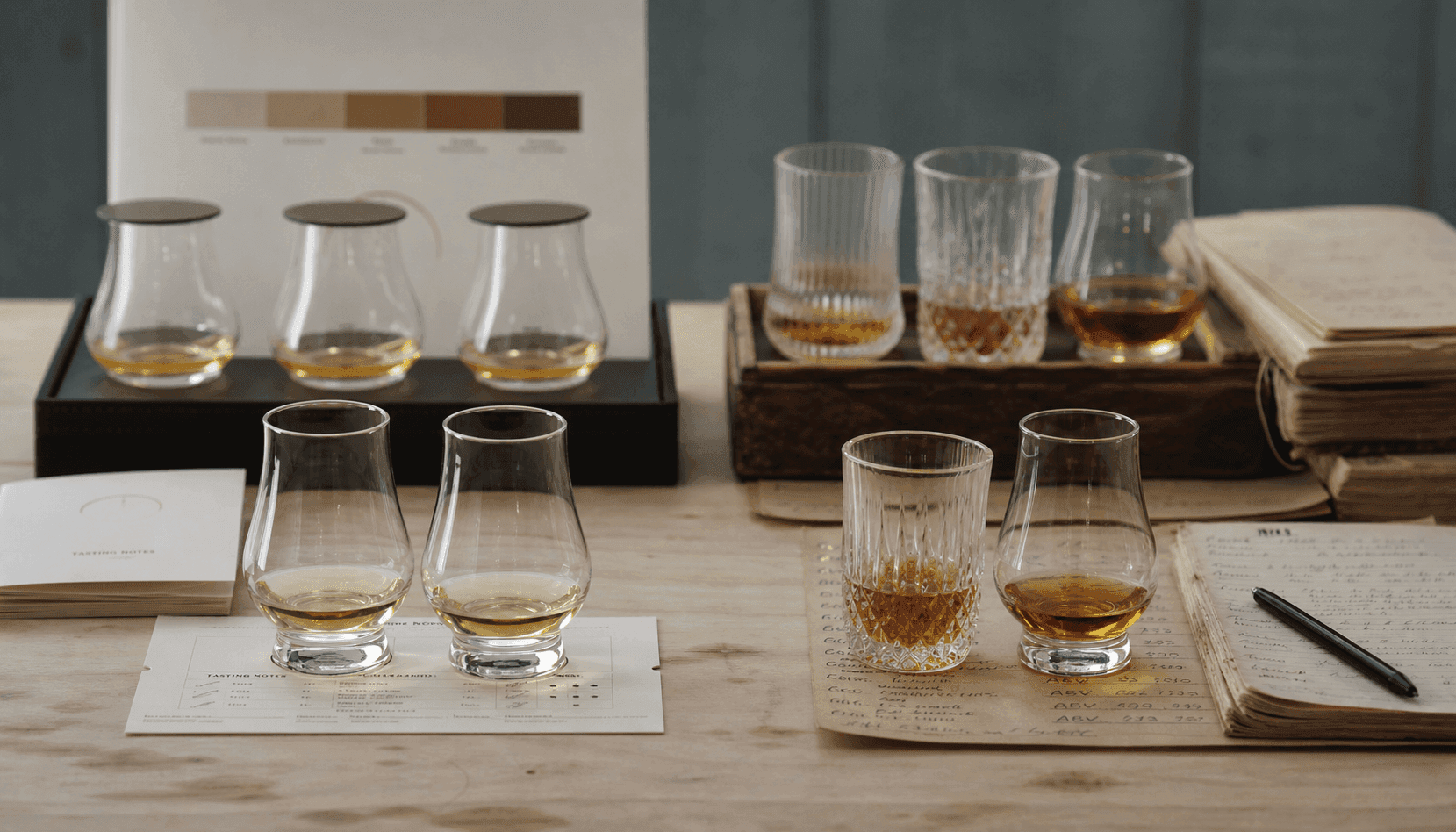
Tip: Try an official release and an independent bottling of the same distillery side by side. The difference between a standardized 43% ABV official expression and a 60% ABV cask-strength independent is often striking; one will feel refined and approachable, the other powerful and raw.
Price and Scarcity
Independent bottlings typically cost more than their official counterparts, even if they share the same age statement. This reflects several factors: limited bottle counts (often 200–500 bottles from a single cask), higher cask strength means fuller spirit and less dilution loss, and the independent bottler's research, selection, and storage costs.
Rarity is part of the appeal. A Signatory Vintage bottling of a discontinued distillery, or an early Cadenhead's release before the distillery became mainstream, can become highly sought. Official bottlings are reproduced as long as the distillery operates; independent bottlings are one-off releases that never return in the same form.
FAQ
Is an independent bottling less authentic than an official one?
No. The spirit inside is the same: distilled by the distillery, matured in cask, and bottled by a merchant. The difference is in treatment (cask strength vs. reduced, filtered vs. unfiltered) and cask selection. Some collectors find independent bottlings more authentic precisely because they preserve cask character unaltered.
Can I trust an independent bottler's age statement?
Reputable independent bottlers are meticulously honest about age and cask provenance. Gordon & MacPhail, Signatory, and others have centuries of reputation to protect. Less-established bottlers should be researched, but major ones are as trustworthy as official sources.
Will an independent bottling taste better than the official version?
Not necessarily. An official release is refined, balanced, and polished. A cask-strength independent might be rawer, more intense, or more savory, but whether that's "better" depends on your taste. Some prefer the sophistication of official; others crave the personality of independent. You might even prefer an official release of Distillery A to an independent of the same distillery, depending on the cask.
Are there independent bottlings from distilleries not available on spiritory.com?
Yes. Some closed distilleries (like Brora or Port Ellen) live on only through independent bottlers. Others are so small or regional that only a few official bottles ever left the distillery, but independent merchants hold significant stock. Independent bottlings are often the only way to explore certain distilleries or rare casks.
Should I collect independent bottlings for investment?
Some independent bottlings do appreciate in value, particularly from highly respected bottlers or of closed distilleries. However, independent bottlings are less liquid and less predictable than official releases, and some depreciate. Focus on drinking quality and rarity rather than investment potential alone.
About the author

Janis Wilczura
I'm one of Germany's leading whisky experts, featured in Handelsblatt and BILD. To me, whisky is craftsmanship and art.
To the author