

Reach thousands of whisky and spirits lovers every day.


Lochlea Fallow Edition Third Crop: The Final Chapter of a Young Distillery's First Story
 by Damian BaranHooked since a Talisker 10 in 2021, I've tasted over 800 whiskies and love Islay peat and independent bottlings.
Follow Spiritory on Google News to get our latest guides and releases delivered straight to your feed.
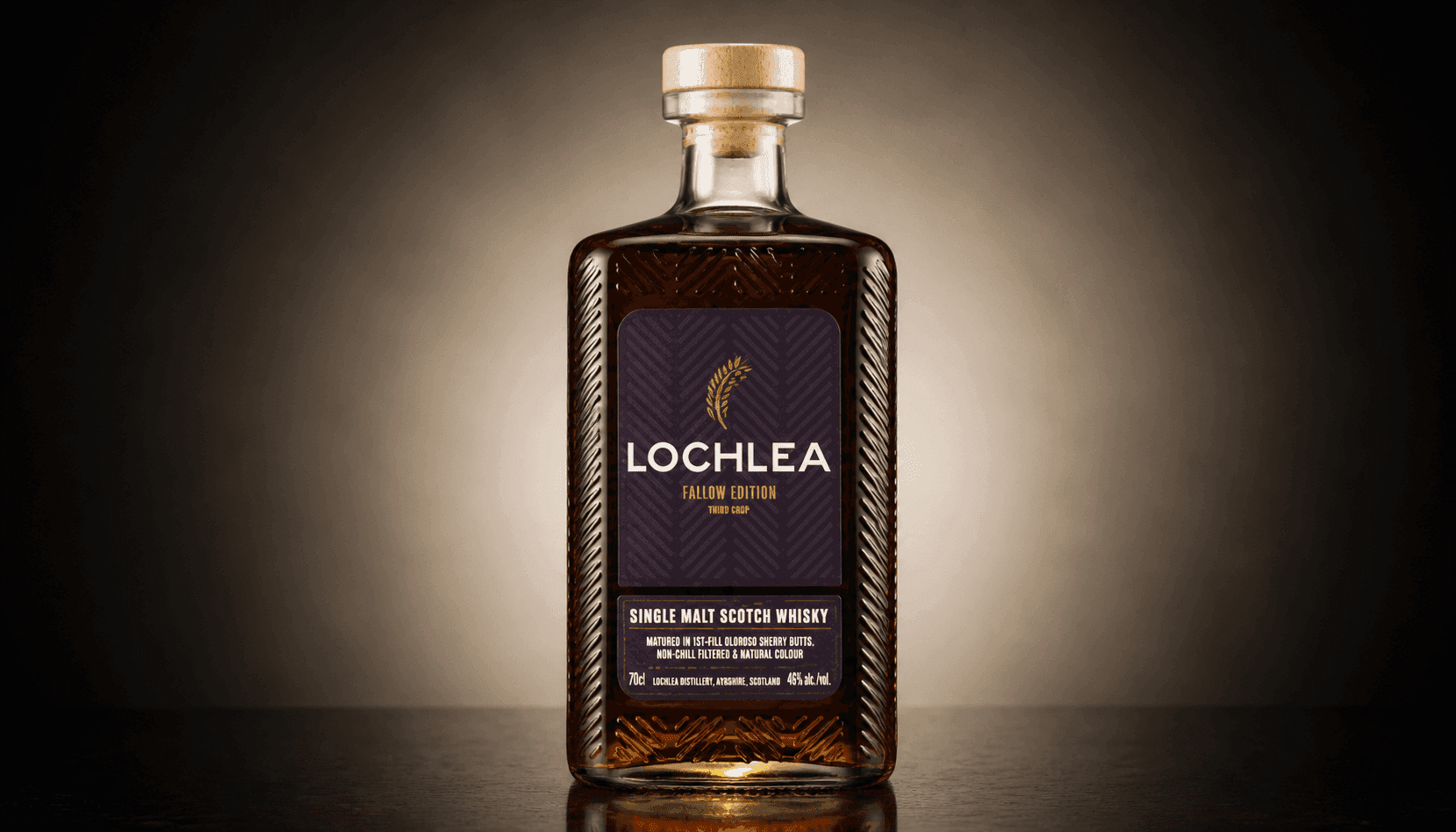
Lochlea Fallow Edition Third Crop: The Final Chapter of a Young Distillery's First Story
Lochlea: Whisky Born From the Land
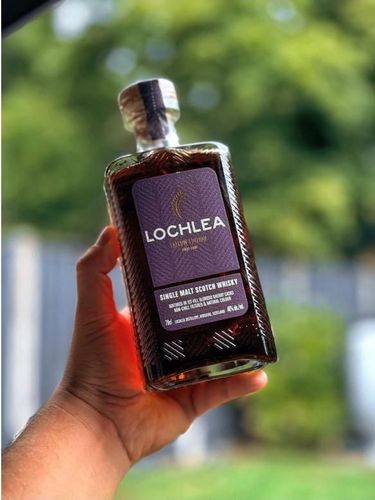
Lochlea Distillery is located in Ayrshire, in Scotland's Lowlands.
The distillery began producing spirit in 2018, making it one of the younger names in the Scotch whisky landscape. Its first official single malt was released in 2022.
For a collector, this makes Lochlea particularly exciting.
We are not looking at a distillery with generations of whisky sitting quietly in warehouses. We are witnessing the creation of that history in real time.
Every new release tells us a little more about what Lochlea wants its whisky to become.
And perhaps the most distinctive element of Lochlea's identity is that the distillery is inseparable from the farm on which it stands.
Barley is grown on the Lochlea farm itself, making the agricultural cycle an important part of the distillery's philosophy.
This is not simply a beautiful story printed on a label.
The seasons of the farm have been deliberately incorporated into the whisky releases.
Sowing.
Harvest.
Fallow.
Ploughing.
A complete agricultural cycle transformed into whisky.
And among these releases, Fallow has always felt particularly atmospheric to me.
What Does "Fallow" Actually Mean?
After the harvest, the fields enter a period of rest.
The crops have been collected. The intense activity of the growing season is over. The land is given time to recover before the next agricultural cycle begins.
That period of rest is known as fallow.
Lochlea turned this quiet moment in the farming calendar into a whisky series.
The first Fallow Edition appeared in 2022. The Second Crop followed in 2023.
And then came Third Crop in 2024, the final Fallow Edition.
That word, final, changes the way I look at this bottle.
It is no longer simply another seasonal release.
It is a conclusion.
A small piece of Lochlea's early history that will not be repeated.
Third Crop: The Final Fallow
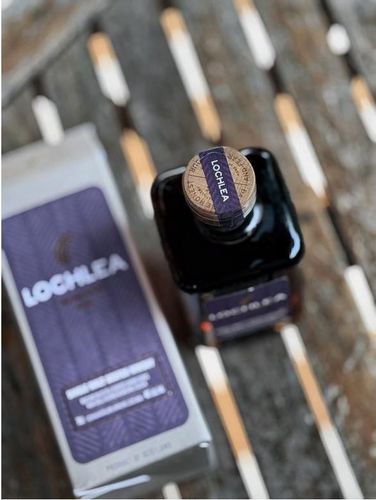
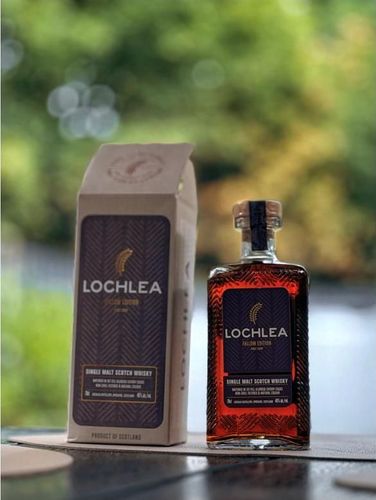
Lochlea Fallow Edition Third Crop is bottled at 46% ABV, with natural colour and without chill filtration.
The whisky was matured entirely in first-fill Oloroso sherry butts. Lochlea also highlighted that this expression was a year older than the previous Fallow release.
The choice of cask is particularly important.
Oloroso is one of those sherry cask types that can bring considerable depth to a young spirit.
Dried fruits.
Dark sweetness.
Nuts.
Spices.
Chocolate.
Oak.
And, when handled correctly, a beautiful combination of richness and dryness.
Using first-fill butts makes the influence even more pronounced.
This is not a whisky where the oak quietly sits in the background.
The cask has something to say.
But the interesting question is whether the Lochlea spirit is still able to speak through it.
Thankfully, the answer is yes.
The Nose: Autumn in a Glencairn
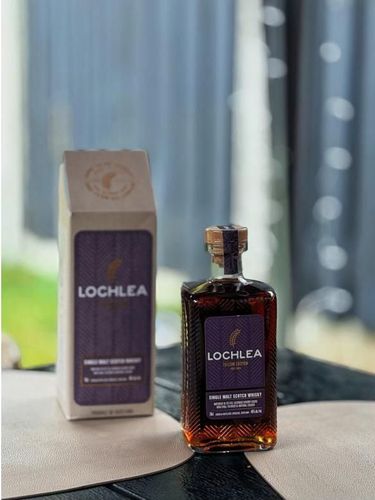
The first impression is warm and inviting.
Lochlea themselves highlight baked apples and sweet Medjool dates in their tasting notes. And it is difficult to imagine a more appropriate combination for a whisky inspired by the end of the agricultural season.
The baked apple brings freshness and warmth at the same time. There is something almost reminiscent of an autumn kitchen (fruit slowly roasting in the oven, perhaps with cinnamon and brown sugar nearby).
The dates bring a darker sweetness.
Then the whisky begins to open.
Dried fruits.
Raisins.
Red berries.
Vanilla.
Soft oak.
Chocolate.
A touch of nuttiness.
The Oloroso influence is unmistakable, but the whisky does not feel completely dominated by the cask.
That is important.
A young single malt can easily disappear behind an aggressive first-fill sherry cask.
Here, however, there is still a malty, slightly earthy character underneath the fruit and sweetness.
It feels layered rather than simply “sherry-heavy”.
And this is a whisky I would absolutely give time in the glass.
Ten or fifteen minutes can make a noticeable difference.
It is not a bottle to rush.
On the Palate: Malt, Honey and Dark Fruit
The palate continues the autumnal theme.
Freshly baked malt loaf, honey and dried fruit appear first.
Lochlea describes the profile with freshly baked malt bread and Manuka honey, which is remarkably evocative.
There is a lovely combination here of sweetness and cereal character.
The whisky is rich without becoming excessively heavy.
Honey is followed by raisins, berries and darker dried fruits, while the Oloroso casks introduce layers of spice and oak.
Then comes chocolate.
Not necessarily a huge, bitter dark chocolate note, but more of a creamy cocoa character developing underneath the fruit.
There is also something pastry-like here (a combination of baked fruit, malt and spice that gives the whisky a comforting, almost dessert-like quality).
Whisky Advocate found similar characteristics, describing notes including berries, raisins, sweet malt, Black Forest cake, chocolate ganache and cinnamon.
And yet, despite all this sweetness, the whisky remains surprisingly balanced.
The oak and spices prevent it from becoming one-dimensional.
The Finish: Where the Spice Arrives
The finish is where the character changes.
The sweetness begins to fade and the spices become more prominent.
Lochlea describes sandalwood oils and a mixture of peppercorns, and these notes provide a fascinating contrast to the earlier fruit and honey.
There is warmth.
Pepper.
Dry oak.
A gentle bitterness.
And a lingering malt character.
It is not an enormous, endless finish, but it is sufficiently complex to make you want another sip.
And perhaps that is the greatest compliment.
A whisky that makes you reach for the glass again has already achieved something important.
Can a Young Whisky Be a Collector’s Whisky?
This is where things become particularly interesting.
For traditional collectors, age remains one of the most obvious markers of value.
Thirty years.
Forty years.
Rare vintage.
Limited number of bottles.
Lost distillery.
These are the familiar categories.
But modern whisky collecting is changing.
Increasingly, collectors are also interested in the first releases from new distilleries.
Why?
Because these bottles document the beginning.
Think about the first official releases of distilleries that later became highly sought-after.
At the time, nobody could know exactly where the journey would lead.
That is the fascinating part.
Lochlea is currently writing its history.
We do not yet know what the distillery’s 20-year-old, 25-year-old or 30-year-old whisky will taste like.
But one day, if Lochlea becomes a major name in Scotch whisky, bottles such as Fallow Third Crop may be looked at very differently.
They will represent an early stage of the journey.
And this particular bottle has another advantage from a collector’s perspective:
it closes a chapter.
Why the Final Fallow Edition Matters
There is a difference between a limited release and the final release in a series.
A limited edition can sometimes be followed by another version.
A final edition cannot.
Third Crop represents the conclusion of the Fallow trilogy.
That alone gives the bottle a different character on a collector’s shelf.
It tells a story.
The fields were sown.
The barley grew.
The harvest came.
The land rested.
And then the Fallow chapter ended.
This connection between whisky and agriculture is one of the things I find most appealing about Lochlea.
There is something wonderfully old-fashioned about the idea that the whisky follows the rhythm of the farm.
In a world where whisky releases are increasingly driven by marketing calendars, annual special editions and endless collaborations, Lochlea's agricultural narrative feels more grounded.
It gives the whisky a sense of place.
A Bottle Worth Keeping?
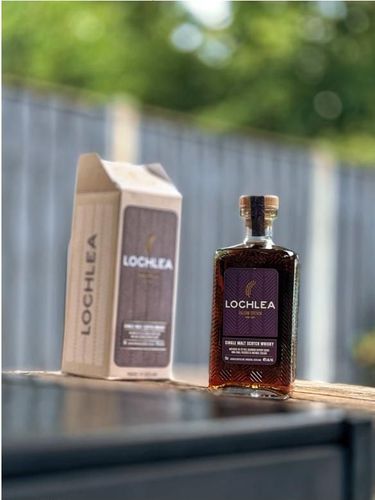
For me, absolutely.
Not because it is an ancient whisky.
Not because it carries a huge age statement.
And certainly not simply because it is a limited release.
I would keep it because it represents a moment in time.
Lochlea is still young.
Its style is still developing.
Its identity is still being refined.
And Third Crop captures one of those early moments perfectly.
The whisky itself is attractive (rich, fruity, malty and sherry-influenced) with enough spice and oak to keep the sweetness under control.
But the bottle means more than its tasting notes.
It represents the end of the Fallow story.
And that is exactly the sort of detail that becomes increasingly interesting as a collection grows.
Final Thoughts
There are bottles in my collection that I buy because I know they will deliver an exceptional dram.
There are others that I buy because they are rare.
And then there are bottles that I buy because I want to remember where a story began.
Lochlea Fallow Edition Third Crop belongs to that third category.
It is a whisky that connects the glass with the land.
The barley with the bottle.
The seasons with the spirit.
And the past with the future.
The final Fallow Edition may not be the oldest Lochlea whisky I will ever own.
It may not even be the most mature.
But that is not really the point.
Years from now, when Lochlea has released significantly older whiskies and perhaps established itself among Scotland's most respected young distilleries, I suspect collectors will look back at bottles like this one with a certain amount of nostalgia.
Because this is what collecting whisky is ultimately about.
Not simply owning old bottles.
It is about owning stories.
And Fallow Third Crop tells a particularly beautiful one.
The fields have rested.
The Fallow series has ended.
But Lochlea's story is only beginning.
And for a whisky collector, there is something rather special about having a small piece of that beginning sitting on the shelf.
- Lochlea: Whisky Born From the Land
- What Does "Fallow" Actually Mean?
- Third Crop: The Final Fallow
- The Nose: Autumn in a Glencairn
- On the Palate: Malt, Honey and Dark Fruit
- The Finish: Where the Spice Arrives
- Can a Young Whisky Be a Collector's Whisky?
- Why the Final Fallow Edition Matters
- A Bottle Worth Keeping?
- Final Thoughts
About the author

Damian Baran
Hooked since a Talisker 10 in 2021, I've tasted over 800 whiskies and love Islay peat and independent bottlings.
To the author