

Reach thousands of whisky and spirits lovers every day.


What Is Lantenhammer Whisky and Is It Worth Buying?
 by Janis WilczuraI'm one of Germany's leading whisky experts, featured in Handelsblatt and BILD. To me, whisky is craftsmanship and art.
Follow Spiritory on Google News to get our latest guides and releases delivered straight to your feed.
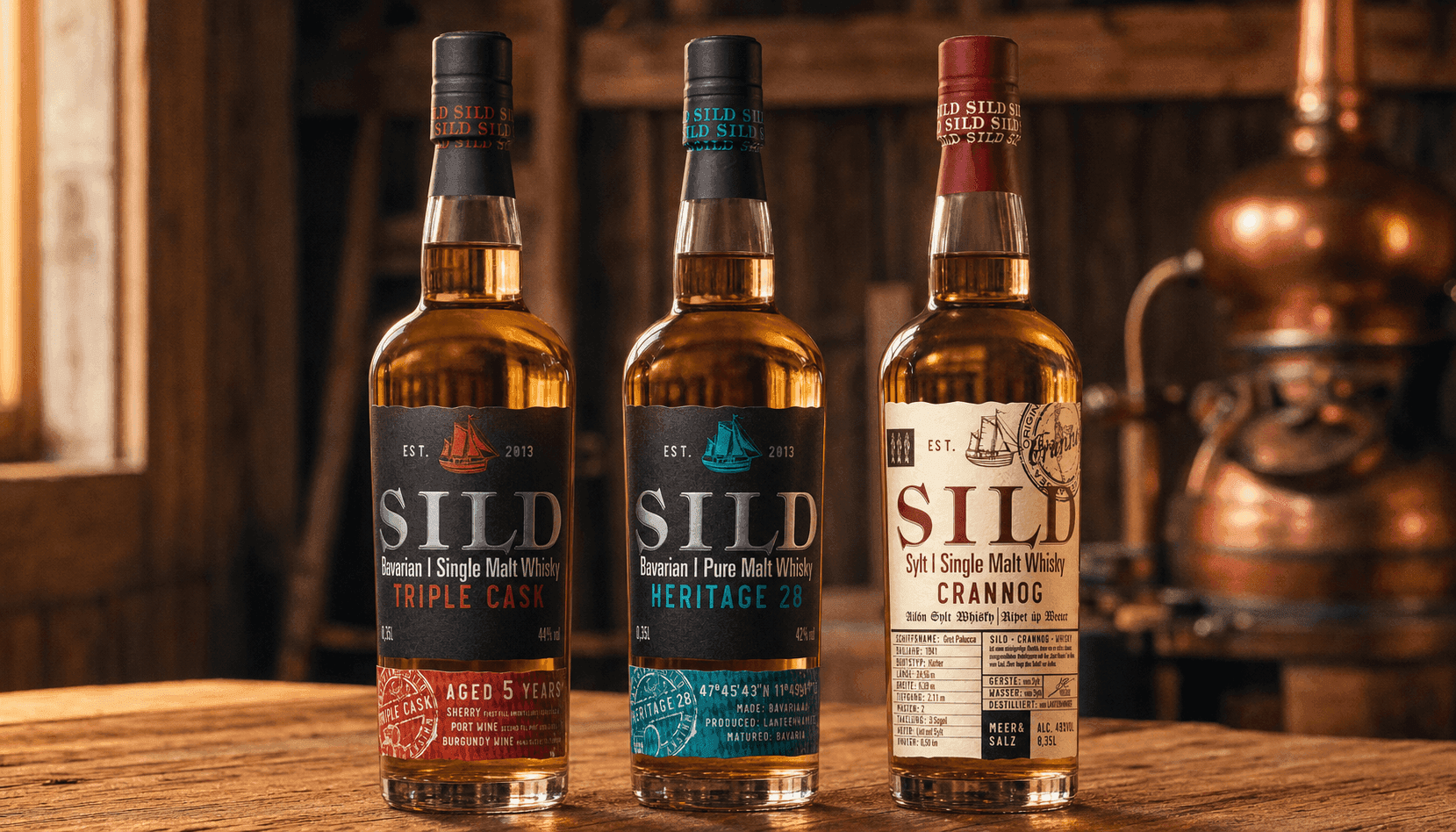
What Is Lantenhammer Whisky and Is It Worth Buying?
Key Takeaways
Lantenhammer is located in Schliersee, Bavaria, sharing the same alpine lake setting as SLYRS Distillery.
The distillery built its identity on premium fruit schnapps, with whisky forming a serious and growing secondary range.
German whisky law requires a minimum three years of oak maturation, and Lantenhammer operates fully within this standard.
The fruit-distilling heritage informs cut points, fermentation discipline, and barrel selection throughout the whisky programme.
Expressions are small-batch and appeal to collectors seeking German provenance and genuinely limited availability.
Browse available Lantenhammer bottles on Spiritory for current secondary market listings.
Origins and Heritage
A Schliersee Institution
The Lantenhammer estate has been associated with distilling in the Bavarian Alps for generations. Its core identity was forged through the production of fruit spirits: traditional Obstler and single-varietal schnapps using produce from the surrounding alpine region. This heritage is not incidental to the whisky programme; it is foundational to it. The discipline required to extract clean, aromatic character from Williams pear, quince, or Zwetschge carries directly into the approach taken with grain selection, fermentation control, and new-make quality. Distillers who understand the aromatic architecture of fruit spirits bring a more granular sensory vocabulary to whisky production than those working exclusively with grain.
When Whisky Entered the Picture
Lantenhammer's move into whisky reflected the broader awakening in German craft distilling that gathered momentum in the early 2000s. Rather than establishing whisky as the primary objective, the distillery approached it as a natural extension of an existing production philosophy. The result is a range modest in volume but deliberate in character, positioned within the premium segment of the domestic market and attracting interest from collectors beyond Bavaria. This is a distillery that communicates through the bottle rather than advertising campaigns, which suits a collector audience that places substance above visibility.
The Schliersee Setting
Schliersee sits in the Bavarian foothills approximately fifty kilometres south-east of Munich. Alpine water sources, pronounced seasonal temperature variation, and the aesthetic of an established estate operation give Lantenhammer whisky a provenance story that resonates with buyers who value place. The region is shared with SLYRS, which has done more than any other German distillery to establish the alpine Bavarian style as a credible whisky-producing category internationally. Lantenhammer benefits from that association while maintaining a quieter, more artisanal profile, a combination that has its own appeal to a particular kind of collector.
What Makes Lantenhammer Whisky Distinctive
Maturation in Alpine Conditions
Limited public detail on Lantenhammer's specific cask programme is consistent with a distillery that communicates through the bottle rather than marketing materials. What alpine maturation conditions offer is a meaningful seasonal temperature swing: from cold Bavarian winters to warm summers, which drives a different interaction between spirit and wood than the more moderate maritime climate of Scottish warehouses. This accelerates certain extraction processes while producing a spirit that tends toward drier, more austere aromatics than equivalent Scottish expressions aged in comparable wood. The result is a whisky with genuine regional character, shaped as much by geography as by grain.
Positioning Within German Whisky
Lantenhammer occupies a different segment from SLYRS, which has pursued international distribution and active brand building. Lantenhammer remains more artisanal and harder to source, which makes bottles less accessible to casual buyers but considerably more interesting to the serious collector. This limited visibility is simultaneously the brand's defining characteristic and its core appeal for those who prefer to collect below the obvious radar, before broader recognition arrives and secondary market prices reflect it.
Comparing Styles
As a drinking whisky, Lantenhammer is most likely to appeal to palates that favour cleaner, spirit-forward profiles over heavily sherried or intensely peated expressions. The distillery's fruit heritage and alpine maturation conditions point toward a lighter, more delicate style, more herbal and dry than tropical or sweet. Buyers expecting something in the register of a GlenDronach or a Lagavulin will find Lantenhammer occupies a very different space. That difference is the point. A whisky shaped entirely by its own context, without reference to the Scottish template, represents something genuinely useful to a collection built on diversity.
Tip: For collectors new to German single malt, Lantenhammer offers a genuine introduction to the Bavarian alpine style. Expect a drier, more herbal profile shaped by both the alpine maturation environment and the distillery's fruit-distilling lineage, lighter than most comparable Scottish expressions and more restrained in the use of cask influence.
Is Lantenhammer Worth Buying?
The Collector Case
The argument for adding Lantenhammer to a collection rests on scarcity, regional identity, and dual heritage. For collectors who already hold SLYRS and Blaue Maus expressions, Lantenhammer fills a meaningful gap in a focused German whisky collection. Low production volumes, combined with growing international interest in German craft spirits, suggest that secondary market values could appreciate as the category gains broader recognition, particularly if critical attention or a significant limited release increases the distillery's profile. Early acquisition at current prices may prove advantageous.
Availability and Where to Buy
Lantenhammer bottles circulate primarily in the German domestic market and on specialist European secondary market platforms. Given limited production, the most reliable approach is to monitor a dedicated spirits marketplace that surfaces availability as it arises. Spiritory, as Germany's premium spirits marketplace, lists secondary market bottles from German distilleries including the Schliersee region. Searching Lantenhammer on Spiritory will show current listings and allow buyers to track the range over time and act when stock appears.
Lantenhammer in the Context of German Whisky
A Category in Development
Germany now counts more than two hundred active whisky distilleries, a figure that has expanded substantially over the past two decades. The Whisky-Verordnung (mandating minimum three-year oak maturation in casks of no more than 700 litres) provides the regulatory framework that gives German whisky legitimate standing alongside established world categories. Within this landscape, regional identities are defining themselves with increasing clarity: the Bavarian alpine cluster around Schliersee, the Franconian tradition represented by Blaue Maus, and the rye-forward character of eastern German distilleries such as Spreewood. Each represents a distinct style that the category is only beginning to explain to international buyers.
Where Lantenhammer Fits
Lantenhammer belongs to the Bavarian alpine cluster alongside SLYRS, which remains the most internationally visible producer from the region. While SLYRS has pursued volume and export markets with considerable success, Lantenhammer has taken a slower, more deliberate path, making it closer to a collector's distillery than a consumer brand. For buyers building a considered German whisky collection, this positioning is a genuine asset rather than a limitation. The distillery's low profile and limited output mean that the discovery curve still rewards those willing to research and act ahead of the market.
Looking Ahead
The most significant catalyst for increased collector attention would be a critically received limited release or a bottling that draws press attention to the brand. Until that inflection point arrives, buyers willing to research carefully will find genuine value in a distillery that has remained disciplined about quality while others have scaled rapidly. The combination of generational heritage, alpine provenance, and controlled production makes Lantenhammer one of the more compelling long-term propositions in German whisky.
Tip: When building a German whisky collection for long-term appreciation, consider acquiring expressions from all three major regional clusters (Bavarian alpine: Lantenhammer, SLYRS; Franconian: Blaue Maus; eastern German: Spreewood) to capture the full breadth of styles the country now produces.
FAQ
Where is Lantenhammer Distillery located?
Lantenhammer is based at Schliersee in Bavaria, approximately fifty kilometres south-east of Munich in the alpine foothills.
Is Lantenhammer primarily a whisky producer?
No. Lantenhammer's primary business is traditional fruit spirits: Obstler and single-varietal schnapps. Whisky is a serious but secondary part of the portfolio, which is part of what gives it collector appeal.
How does Lantenhammer compare to SLYRS?
Both are Bavarian single malts from the Schliersee region, but they have taken different commercial paths. SLYRS is more widely distributed and internationally marketed. Lantenhammer remains artisanal and harder to source, which makes it more interesting to the collector community but less visible to casual buyers.
Where can I buy Lantenhammer whisky online?
The secondary market is the most reliable route for buyers outside Bavaria. Spiritory lists available bottles from German distilleries including Lantenhammer when stock is present.
Does Lantenhammer whisky comply with German legal requirements?
Yes. All German whisky must comply with the Whisky-Verordnung, which requires minimum three years of maturation in oak casks of no more than 700 litres. Lantenhammer produces within this framework.
About the author

Janis Wilczura
I'm one of Germany's leading whisky experts, featured in Handelsblatt and BILD. To me, whisky is craftsmanship and art.
To the author