

Reach thousands of whisky and spirits lovers every day.


Whisky Pricing in Munich: What to Expect
 by Janis WilczuraI'm one of Germany's leading whisky experts, featured in Handelsblatt and BILD. To me, whisky is craftsmanship and art.
Follow Spiritory on Google News to get our latest guides and releases delivered straight to your feed.
Whisky Pricing in Munich: What to Expect
Key Takeaways
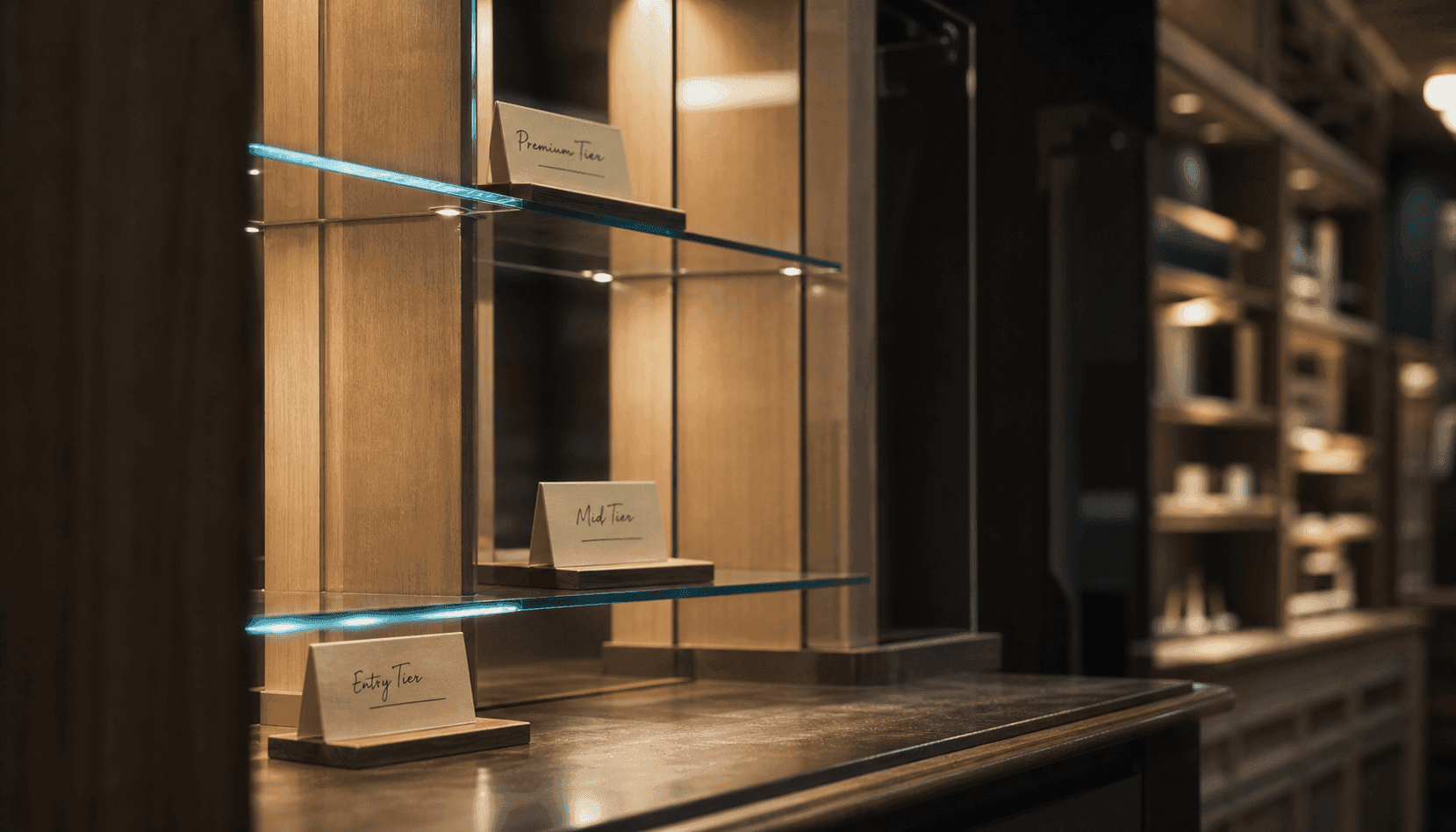
Entry-level whisky ranges from EUR40-80 per bottle, offering quality and proven reliability.
Mid-tier bottles cost EUR80-150, with distinctive character through cask choice and specialty finishes.
Premium and collector bottles command higher prices due to scarcity, age, and exclusivity.
Pricing at Spiritory Shop in Sendling is transparent, with no hidden auction premiums or commission layers.
Bottle condition matters significantly at premium price tiers for resale and investment value.
Spiritory carries whisky across every tier, from entry-level to collector-grade, with transparent pricing at its Sendling shop and on its online marketplace.
Entry-Level Bottles
At the entry-level tier, you are buying well-made single malts and quality blends that you can open and enjoy without guilt. Expect 12-year age statements, standard cask finishes, and brands with established production. Redbreast 12 Year Old, Hibiki Harmony, and accessible Ardbeg or Highland Park expressions sit here comfortably. These are whiskeys you will see in restaurants and bars across Munich: proven, reliable, and produced in volume.
What You Are Paying For
Age, consistency, and brand heritage. These are not experimental or rare: they are proven, quality bottles that justify their price through reliability and character. When you buy a Redbreast 12, you know exactly what you are getting: pot-still Irish whiskey, aged in ex-bourbon casks, with a consistent flavor profile across every bottle. The distillery does not experiment with finishes or cask rarities at this level. That predictability is valuable, especially if you are building a home bar or choosing a bottle for someone else as a gift.
Where They Go
These bottles are perfect for drinking, gifting, or starting a collection. No one regrets opening an entry-level bottle because the experience matches the price. Many enthusiasts keep 3-5 entry-level bottles at home for everyday sipping and reserve older or rarer bottles for special occasions. That is a smart approach: your daily drinker does not need to be expensive. Spiritory Shop in Sendling stocks a rotating selection at this tier, making it an easy stop for browsing in person before deciding.
Value Signals
At this entry-level tier, you are safe buying any bottle from an established distillery with good reviews. Both Spiritory Shop in Sendling and Spiritory's online marketplace stock mostly bottles in this tier that have earned their place through reputation. Entry-level pricing is not the producer holding back, but reflects the actual cost to produce and import these well-made expressions.
Mid-Tier Bottles
Here, you enter bottles with distinctive character: higher age statements, specialized cask finishes, or limited production runs. The Macallan 12 Year Old Sherry Oak, The GlenDronach 12 Year Old, and Bruichladdich are examples. Independent bottlings often start in this mid-tier range. These bottles still come from large distilleries, but they represent intentional production decisions: a choice to age in specific casks, to use a particular region water, or to release a limited edition.
The Craft Premium
You are paying for visible cask choice and deliberate production decisions. These bottles are not generic: they are expressions with a point of view. Sherry-aged whisky costs more than ex-bourbon cask because the sherry cask itself costs more (European oak, specialized coopering) and imparts specific flavor through the oak and any residual sherry. Limited editions cost more because production is constrained whether by cask availability, distillery choice, or genuine release rarity. When you buy a GlenDronach 12 Sherry Oak, you are choosing a specific approach to whisky-making, not just buying age and volume.
Collection Value
Mid-tier bottles are where collections become interesting. You can build a diverse range without spending collector money. A mid-tier bottle in each of five styles (Islay, Highland, Speyside, Irish, Japanese) gives you a rich exploration of the category without excessive investment. Spiritory stocks dozens of options at this level, enough that you can explore by region, cask type, or distillery character without repeating yourself. This is also where you might start seeing price appreciation: a limited release today might be hard to find in five years and command a significant premium simply because it is out of print.
Premium and Collector-Grade Bottles
At this level, you are buying limited production, unusual cask finishes, old age statements, or rarity. Premium expressions like aged Macallan releases, rare Japanese whisky from limited vintages, or discontinued distillery bottlings command these premium prices. Spiritory lists selections across this range, where scarcity and provenance drive investment potential. You are also entering the world where a single decision, buying or not buying when a bottle surfaces, might mean access or regret later.
Why the Jump
Scarcity, age, and exclusivity. A 25-year-old whisky costs more because it tied up capital for 25 years and because fewer bottles exist: distilleries only release so many. Limited releases cost more because the next batch may not happen or may be different. Closed distillery whisky (Karuizawa, Hanyu) costs more because no new stock will ever be made. Japanese whisky costs more because production was limited historically, and now international demand has created a supply crunch. Premium pricing is not arbitrary; it reflects market reality, scarcity, and what collectors are willing to pay.
Investment Considerations
In the premium tier and above, bottles become both drinking and potential investments. Prices fluctuate based on market demand, allocation availability, and collector sentiment. A bottle that appreciates strongly might become rare if the distillery allocates supply tightly, or it might stay flat if production increases. Historical trends can point to appreciation potential, but there is no guarantee. The whisky investment market is real, serious collectors have made real money, but it is also illiquid and sentiment-dependent. Buy at this level because you love the bottle or because you have researched the investment case thoroughly, not because you assume whisky always goes up.
Provenance and Condition
At premium price tiers, bottle condition matters. A bottle with a low fill level or damaged label is worth less than a pristine example. If you are buying for investment, condition is everything. Condition assessment matters as much as the bottle itself at this level. Check listings carefully for fill level, label quality, and whether the bottle has been kept in climate-controlled storage before buying.
Understanding Markup
Retail markup in Munich is comparable to other EU cities. At Spiritory Shop in Sendling, pricing is direct: no hidden auction premiums or commission layers. What you see on the shelf is what you pay at the till. That transparency means you can compare prices across bottles without decoding fee structures, whether you are browsing in person or on spiritory.com.
Pricing Consistency
Spiritory prices bottles consistently, whether you are standing at the shelf in Sendling or browsing spiritory.com, with no hidden markup depending on how or when you buy. That consistency is valuable for budgeting: the price you see is the price you pay.
Why Markup Exists
Retail markup covers import duties, storage, insurance, staff expertise, and overhead. Retail markup reflects the cost to bring bottles to Munich safely and knowledgeably, including import duties, storage, insurance, and staff expertise. When you choose Spiritory, whether at Spiritory Shop in Sendling or through the online marketplace, over a discount retailer, you are often paying slightly more for curation and staff expertise, including guidance you can only get face to face, not for the bottle itself.
Tip: If you are new to whisky pricing, look closely at what drives the cost of a specific bottle. Understanding the reasoning, age, cask type, production volume, rarity, makes the price feel justified and helps you calibrate expectations for future purchases. Comparing similar bottles across tiers is the fastest way to spot better value for your budget.
FAQ
Is entry-level whisky in Munich good quality?
Absolutely. Entry-level whisky in Munich is well-made and worth opening. You are not buying cheap; you are buying quality at a reasonable price. The jump to mid-tier adds distinctiveness and cask specificity, not necessarily proportional enjoyment. Many people's favorite bottles are accessible entry-level expressions, not premium-tier bottles.
Why do premium bottles cost so much more than entry-level?
Age, production volume, and market position. A 25-year-old costs more than a 12-year-old because it is rarer and aged longer, not necessarily because it is proportionally better to your palate. Some of the drinking satisfaction is in the perception of rarity and achievement. A 25-year-old might be meaningfully better than a 12-year-old, but it costs substantially more. That premium reflects scarcity and market demand.
Are Spiritory prices the best in Munich?
Prices are competitive and transparent. Other retailers may undercut on specific bottles, but Spiritory's consistent pricing, whether at Spiritory Shop in Sendling or on spiritory.com, plus its curation and transparency, often justify the price through better selection and clarity. You are paying for the curation, not just the bottle.
How do German prices compare to UK prices?
German retail whisky is typically somewhat more expensive than UK list prices due to VAT and import costs. EU prices are highest in Nordic countries and lowest in Eastern Europe, with Germany and Munich in the middle-upper range. Price differences vary by specific bottle, but German retail is generally moderately higher than UK prices at the same tier.
About the author

Janis Wilczura
I'm one of Germany's leading whisky experts, featured in Handelsblatt and BILD. To me, whisky is craftsmanship and art.
To the author