

Reach thousands of whisky and spirits lovers every day.


How Can I Visit a German Whisky Distillery in 2026?
 by Janis WilczuraI'm one of Germany's leading whisky experts, featured in Handelsblatt and BILD. To me, whisky is craftsmanship and art.
Follow Spiritory on Google News to get our latest guides and releases delivered straight to your feed.
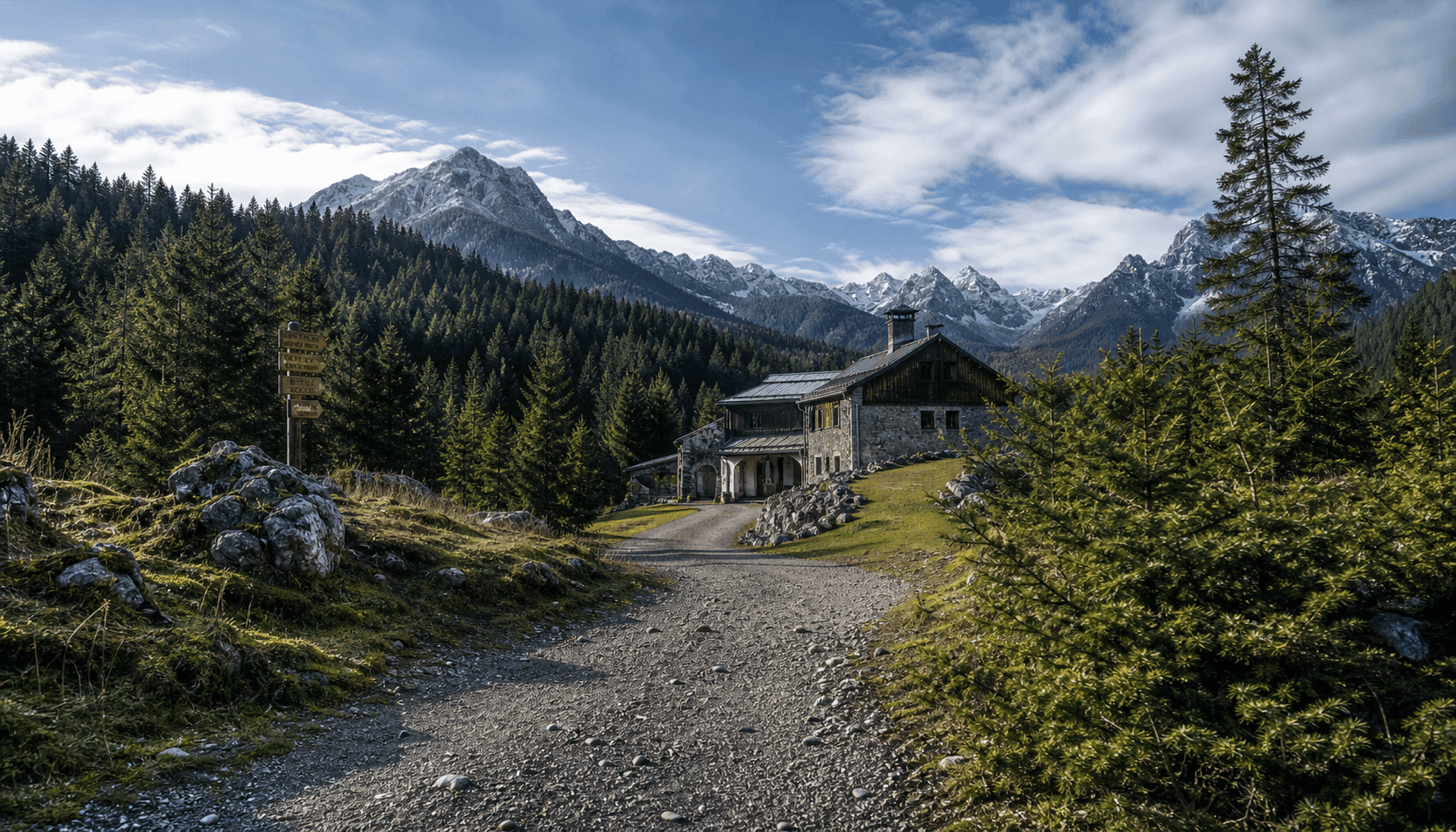
How Can I Visit a German Whisky Distillery in 2026?
Key Takeaways
Bavaria holds the highest concentration of whisky distilleries, with SLYRS and Lantenhammer both based near Schliersee and offering regular visitor programmes.
Blaue Maus in Franconia is widely considered the Germany's oldest single malt whisky distillery and draws dedicated collectors seeking limited-release expressions.
Most German distilleries require advance booking for tours; walk-in visits are the exception rather than the rule.
EU spirits regulation, which Germany applies domestically, mandates a minimum three-year maturation period, meaning every expression you encounter on a distillery visit has earned its classification.
Spreewood in Brandenburg offers a different regional character focused on rye, making it worth a dedicated detour for collectors interested in grain diversity.
For bottles from German distilleries unavailable in your region, Spiritory's German whisky selection offers a curated alternative to the distillery shop.
Why German Distillery Tourism Has Grown
German whisky production has expanded considerably since the early pioneers established operations in the 1980s and 1990s. Today, a visitor arriving at a Bavarian or Franconian distillery encounters a category that blends deep local agricultural tradition with genuine craft distilling ambition. The rise of whisky tourism reflects broader consumer interest in provenance: understanding not just what is in the bottle, but where it came from and who made it.
The craft distilling renaissance
Germany now hosts dozens of whisky-producing operations, ranging from estate distilleries that grow their own barley to urban craft producers experimenting with non-traditional grain combinations. Many began as schnapps or brandy producers who pivoted toward whisky as international interest in the category grew. The result is a landscape that rewards the curious visitor: each distillery carries its own character, regional identity and house style.
What distillery tourism offers collectors
For serious buyers, a distillery visit provides context that no tasting note can fully replicate. You understand maturation warehouse conditions, the still geometry that shapes the spirit character, and the philosophy behind cask selection. Many German distilleries also release visitor-exclusive expressions or early-access bottlings that never reach the open market, reason enough for a dedicated trip.
Tip: If you are visiting specifically to acquire bottles, contact the distillery ahead of your visit to ask which expressions are available exclusively on-site. Availability changes seasonally, and some releases sell out within days of their unveiling.
Bavaria: The Heartland of German Whisky
Bavaria offers the most developed whisky visitor infrastructure in Germany. Two distilleries in the Schliersee region, SLYRS and Lantenhammer, have built reputations that extend well beyond the domestic market, and both accommodate visitors with structured tour and tasting programmes.
SLYRS at Schliersee
Founded in 1999, SLYRS was one of the earliest dedicated whisky distilleries in Germany. It uses Bavarian barley and Alpine water, and the resulting single malt carries a clean, fruit-forward profile shaped by the surrounding landscape. The distillery runs guided tours that cover the full production process from mash to maturation, with tastings included. SLYRS has become a benchmark for Bavarian whisky and remains essential visiting for anyone tracing the origins of the German category.
Lantenhammer at Schliersee
Lantenhammer operates from the same Schliersee area and is primarily known for fruit distillates, but the distillery also produces whisky expressions that demonstrate the influence of its schnapps heritage. The character tends toward approachability and clean fruit integration. Visiting Lantenhammer alongside SLYRS in the same day offers a useful comparative study in how geography and house style diverge even within a small regional radius.
Liebl and the wider Bavarian field
Beyond Schliersee, Bavaria supports a spread of smaller producers, including Brennerei Liebl near Regensburg, whose Coillmór single malt has built a following among collectors without the marketing infrastructure of the larger regional names. For visitors willing to reach further into rural Bavaria, distilleries of this scale offer a more intimate look at small-batch German whisky production.
Franconia and the Legacy of Blaue Maus
Blaue Maus holds a particular place in German whisky history. Often cited as the Germany's oldest single malt whisky distillery, it has operated continuously since the 1980s and built a devoted collector following through consistent, character-driven releases. The distillery's expressions are known for their collectability and the personal vision of the producer behind them.
What makes Blaue Maus worth visiting
Visiting Blaue Maus is less about polished visitor infrastructure and more about encountering a piece of German whisky history in its original context. The distillery operates at small scale, which means tours feel personal and the people you meet are closely connected to every stage of production. Bottles acquired here carry the authenticity of direct provenance.
Franconia as a whisky region
Franconia's wine and beer traditions have created a local culture with high sensitivity to fermentation craft and regional terroir. Whisky distillers here draw on that inheritance, often using local grain varieties and wood sourced from Franconian forests. The regional character is distinct from Bavarian Alpine expressions, typically drier, with more grain-forward structure.
Brandenburg: Spreewood and the Rye Tradition
Spreewood in Brandenburg brings a different regional narrative to German whisky. Its expressions lean toward rye, a grain with deep historical roots in northeastern German agriculture. The character is spicier and more assertive than the malt-forward profiles common in Bavaria, making Spreewood a genuinely different visit for collectors who want to understand the full range of the German category.
Planning a visit to Brandenburg
Brandenburg is accessible from Berlin, making a Spreewood visit a natural addition to any trip to the German capital. The distillery's location in a historically agricultural landscape reinforces the grain-to-glass story that underpins its production philosophy. For collectors interested in rye whisky specifically, Spreewood represents one of the few European producers working seriously with a grain more commonly associated with American and Canadian whiskey.
Tip: Combine a Spreewood visit with time in Berlin, where the city's growing number of specialist whisky retailers and bars offer a chance to explore the broader German and international selection alongside the distillery experience.
Practical Advice for Planning Your Visit
German distilleries operate differently from larger Scottish or Irish visitor centres. Understanding the practical differences will ensure your trip runs smoothly and that you make the most of limited visitor slots.
Book well in advance
Most German whisky distilleries run tours on scheduled dates with fixed group sizes. Availability during peak summer and autumn months can be limited weeks in advance. Contact distilleries directly through their official websites to confirm tour dates, pricing and any age restrictions. Public holidays and local festivals can disrupt normal scheduling.
Transport and logistics
Bavaria's distillery cluster around Schliersee is most comfortably reached by car, though rail connections from Munich allow a car-free approach if you are prepared for limited onward connections in rural areas. Franconia and Brandenburg are similarly car-friendly but accessible by rail for those committed to public transport. If visiting multiple distilleries in one trip, plan overnight accommodation near your primary cluster to avoid excessive driving distances.
Purchases and bottle restrictions
Distillery shops typically offer expressions unavailable elsewhere, including visitor-exclusive releases and older vintages. Sealed bottles can be transported freely in a car in Germany; the restriction in the StVO concerns open containers within reach of the driver, so stowing purchases in the boot is sound practice rather than a legal requirement. For larger acquisitions or bottles you wish to ship home, ask distillery staff about their preferred courier arrangements.
FAQ
Do German distilleries offer tours in English?
Many of the larger operations, including SLYRS, offer tours in English, particularly during summer months when international visitor numbers are higher. Smaller producers may conduct tours primarily in German; it is worth contacting the distillery ahead of your visit to confirm language availability.
What is the best time of year to visit a German whisky distillery?
Late spring through early autumn offers the most reliable weather for visits, particularly for distilleries in rural Bavaria and Franconia. Some producers hold special open days or harvest events in autumn that are worth timing a visit around. Check each distillery's events calendar for 2026 programming.
Can I buy German whisky online if I cannot visit in person?
Yes. Spiritory's German whisky selection offers a curated range of domestic expressions, including bottles from SLYRS and other Bavarian producers, available for purchase without the requirement of a distillery visit.
Is there an entry fee for German distillery tours?
Most German distilleries charge a tour fee that typically includes a tasting. Prices vary by distillery and tour format. Some producers offer standalone shop access without a formal tour. Confirm current pricing directly with each distillery before planning your trip.
About the author

Janis Wilczura
I'm one of Germany's leading whisky experts, featured in Handelsblatt and BILD. To me, whisky is craftsmanship and art.
To the author