

Reach thousands of whisky and spirits lovers every day.


What Is the Finest German Rye Whisky in 2026?
 by Janis WilczuraI'm one of Germany's leading whisky experts, featured in Handelsblatt and BILD. To me, whisky is craftsmanship and art.
Follow Spiritory on Google News to get our latest guides and releases delivered straight to your feed.
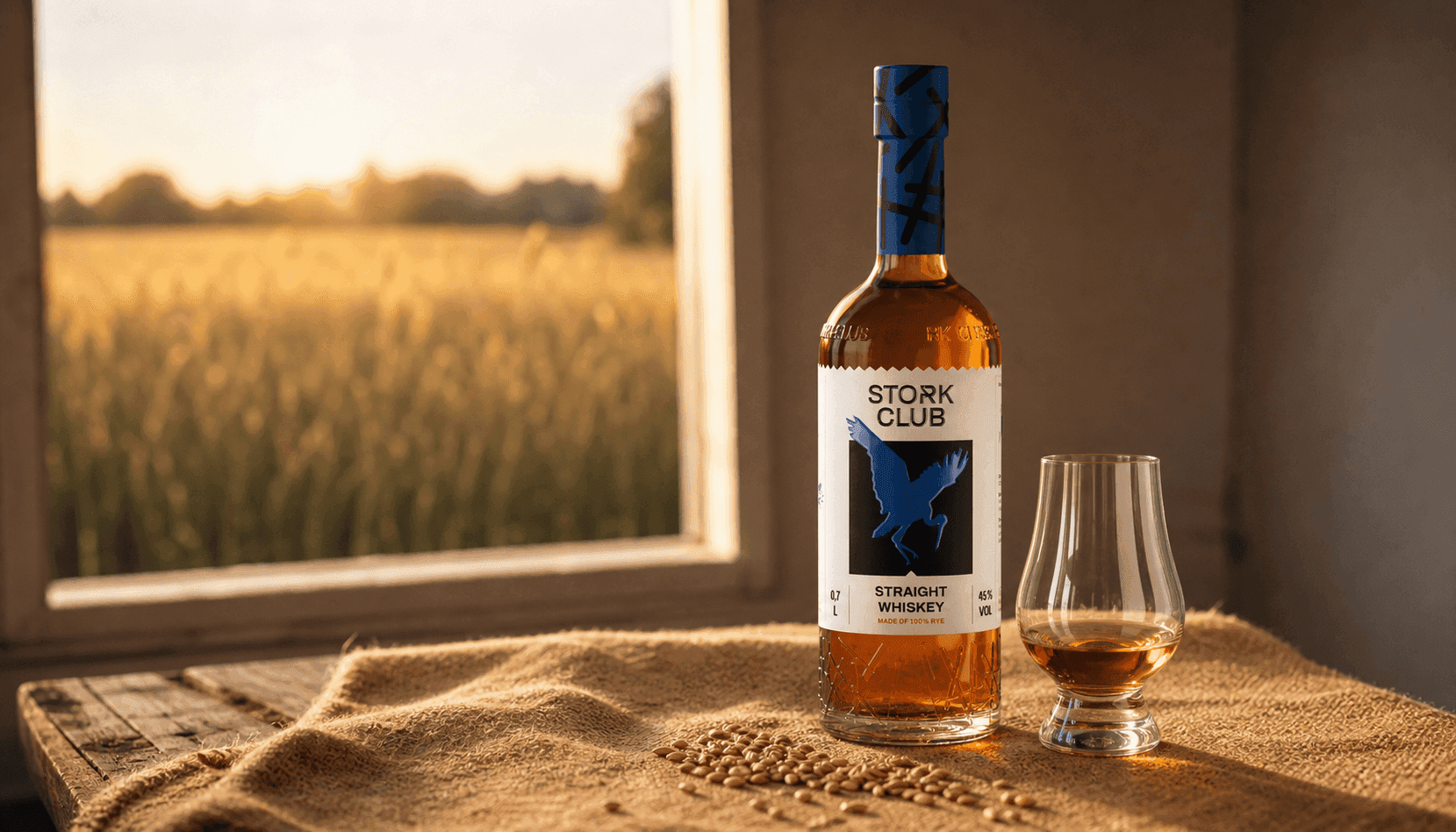
What Is the Finest German Rye Whisky in 2026?
Key Takeaways
Spreewood in Brandenburg is the definitive reference point for German rye whisky, producing expressions with assertive spice and grain character rooted in northeastern German agricultural tradition.
German whisky law requires a minimum three-year maturation, meaning every rye expression carries earned complexity rather than early-release rawness.
German rye whisky differs from American rye primarily in its European cask influence and the absence of new-charred oak requirements.
The category remains niche, which creates both scarcity value for collectors and the opportunity to acquire interesting bottles before broader market attention arrives.
Rye is historically significant in northeastern German agriculture, making the grain choice an authentic regional statement rather than a trend-driven decision.
Browse available Spreewood expressions on Spiritory for current bottle availability.
The Origins of German Rye Whisky
Rye has been central to northeastern German agriculture for centuries. The grain's hardiness in the sandy, acidic soils of Brandenburg and Mecklenburg-Vorpommern made it the dominant cereal crop in regions where barley and wheat struggled. This agricultural heritage gives German rye whisky an authenticity that trend-led producers in other countries cannot easily replicate: the grain connection to the land is genuine and historically grounded.
Why rye fell out of distilling use
Post-war consolidation of German agriculture and the dominance of industrial grain spirits pushed rye out of premium distilling for decades. The craft revival of the 2000s and 2010s saw producers reassess this inheritance, recognising that rye offered a distinct flavour identity in a domestic whisky market still defining itself. Spreewood's decision to build a rye-focused programme drew directly from this regional history.
How German rye compares to other traditions
American rye whisky, defined by a mash bill of at least 51% rye grain, tends toward pronounced spice and sweetness shaped by new-charred American oak. Canadian rye uses the grain more as a blending component rather than a dominant flavour driver. German rye sits differently: the absence of a new-charred oak requirement means European wood influence tends toward subtler vanilla and dried fruit notes, allowing the grain's natural spice to express itself with less sweetness and more structure. The result is a style that reads as distinctly European while remaining unmistakably rye-driven.
Spreewood: Germany's Rye Reference
Spreewood Distillers, based in the Spreewald region of Brandenburg, has built its reputation on grain-forward spirits that reflect the agricultural character of its immediate landscape. The distillery's whisky programme sits within a broader portfolio of spirits, but the rye expressions have attracted the most sustained collector attention.
The Spreewald terroir
The Spreewald is a UNESCO biosphere reserve of rivers, canals and wetland forest southeast of Berlin. The water available to Spreewood carries the soft mineral character of the region's geology, and the relatively cool, humid conditions of the forest landscape influence maturation in ways that differ from drier upland environments. These environmental factors shape a spirit with particular freshness and structural clarity.
Spreewood's production philosophy
Spreewood works with locally sourced grain where possible, reinforcing the grain-to-glass narrative that defines its brand identity. The distillery uses a combination of pot still and column still production, and cask selection draws on European oak traditions: ex-wine casks, ex-beer casks, and classic sherry wood feature across different expressions. The result is a range of rye whiskies that demonstrate genuine stylistic range without abandoning the house character that makes them identifiable.
Tip: When evaluating German rye whisky, pay attention to the cask type used for maturation. European oak ex-wine or ex-sherry casks will produce a significantly different result from American ex-bourbon wood; both are valid, but knowing the cask helps you anticipate the flavour profile before opening the bottle.
The Collector Case for German Rye
From an investment and collecting perspective, German rye whisky occupies a position that rewards early attention. The category is small enough that individual expressions remain accessible without auction competition, yet the quality and distinctiveness of the best bottles justifies acquisition at current prices.
Scarcity and production limits
Small distillery output means that annual releases of German rye whisky are measured in hundreds rather than thousands of cases. As collector interest in European craft whisky grows, early-vintage expressions from producers like Spreewood are likely to be looked back on as pivotal releases in a category that was still defining itself. The window to acquire at issue price is limited.
Secondary market trajectory
German whisky as a broader category has shown increasing secondary market activity over the past five years, with Blaue Maus expressions in particular attracting premium prices at auction. Rye expressions specifically remain undervalued relative to malt-forward German bottles, which suggests a correction may follow as international buyers become more familiar with the category's range. Collectors who move ahead of that curve stand to benefit.
Portfolio diversification value
For whisky investors already holding Scottish, Japanese and American positions, German rye provides genuine diversification; it is uncorrelated with the major market movements that affect core Scotch categories, and its value drivers are specific to domestic production volumes and the pace of international collector discovery. This independence from established market cycles can serve as a useful hedge within a broader portfolio.
How to Evaluate German Rye Whisky
Assessing German rye whisky requires some recalibration if your reference points are American or Canadian traditions. The evaluation criteria remain the same: balance, complexity, finish length, and nose development, but the flavour markers you are looking for differ.
Nose characteristics
Well-matured German rye should open with the grain's signature spice: think caraway, dried herbs, and a light earthiness, integrated with cask influence that adds dried fruit, beeswax or mild wood smoke depending on the wood type used. The nose should feel composed rather than raw; three or more years in European wood typically rounds out any harsh edges while preserving the grain's structural character.
Palate and finish
On the palate, look for the grain spice to carry through mid-palate before cask influence takes over on the finish. The best German rye expressions achieve a genuine integration between grain and wood rather than either element dominating. A long, warming finish with returning spice and subtle wood tannins signals a well-judged maturation decision.
Tip: German rye whisky often improves with a small amount of water at cask-strength or high-strength bottlings. Adding a few drops allows the grain character to separate from the wood influence and show more clearly on the nose.
Where to Find German Rye Whisky in 2026
German rye whisky remains a niche category that requires deliberate searching. Distribution outside Germany is limited, and many expressions are available only through specialist retailers or direct from the distillery.
Specialist retailers and marketplaces
For collectors outside Germany or those seeking expressions no longer available at distillery shops, the most reliable route is a specialist spirits marketplace. Spiritory lists German whisky expressions including Spreewood and other domestic producers, with verified bottle authenticity and European shipping. The platform's focus on the collector market means availability skews toward bottles worth serious attention rather than entry-level expressions.
What to look for at auction
German rye whisky appearances at specialist whisky auctions remain infrequent enough that individual lots attract disproportionate attention from knowledgeable buyers. Watch the major European whisky auction platforms for Spreewood releases, particularly any cask-strength or limited-edition expressions that did not receive wide retail distribution.
FAQ
Is German rye whisky the same as American rye whisky?
No. While both use rye as a primary grain, German rye whisky is produced under different regulations and typically matured in European oak rather than new-charred American barrels. The flavour profile tends toward drier, more structured spice with less sweetness than American rye expressions.
Does German rye whisky need to meet a minimum rye content?
German whisky law does not specify a minimum rye grain percentage in the way American regulations define rye whisky. Producers who describe their product as rye whisky are making a stylistic claim rather than meeting a regulatory definition: always check distillery notes for the actual mash bill.
How long is German rye whisky typically aged?
German law mandates a minimum three-year maturation for any spirit labelled as whisky. Most producers exceed this minimum for their premium expressions, with age statements of five to ten years increasingly common. Older expressions carry collector premiums commensurate with their maturation time.
Where can I buy German rye whisky outside Germany?
The most accessible route for international buyers is through specialist online marketplaces. Spiritory carries German whisky including rye expressions, with European shipping and verified seller standards that provide confidence in bottle authenticity.
About the author

Janis Wilczura
I'm one of Germany's leading whisky experts, featured in Handelsblatt and BILD. To me, whisky is craftsmanship and art.
To the author