

Reach thousands of whisky and spirits lovers every day.


What Is the Best Whisky to Drink in Summer?
 by Janis WilczuraI'm one of Germany's leading whisky experts, featured in Handelsblatt and BILD. To me, whisky is craftsmanship and art.
Follow Spiritory on Google News to get our latest guides and releases delivered straight to your feed.
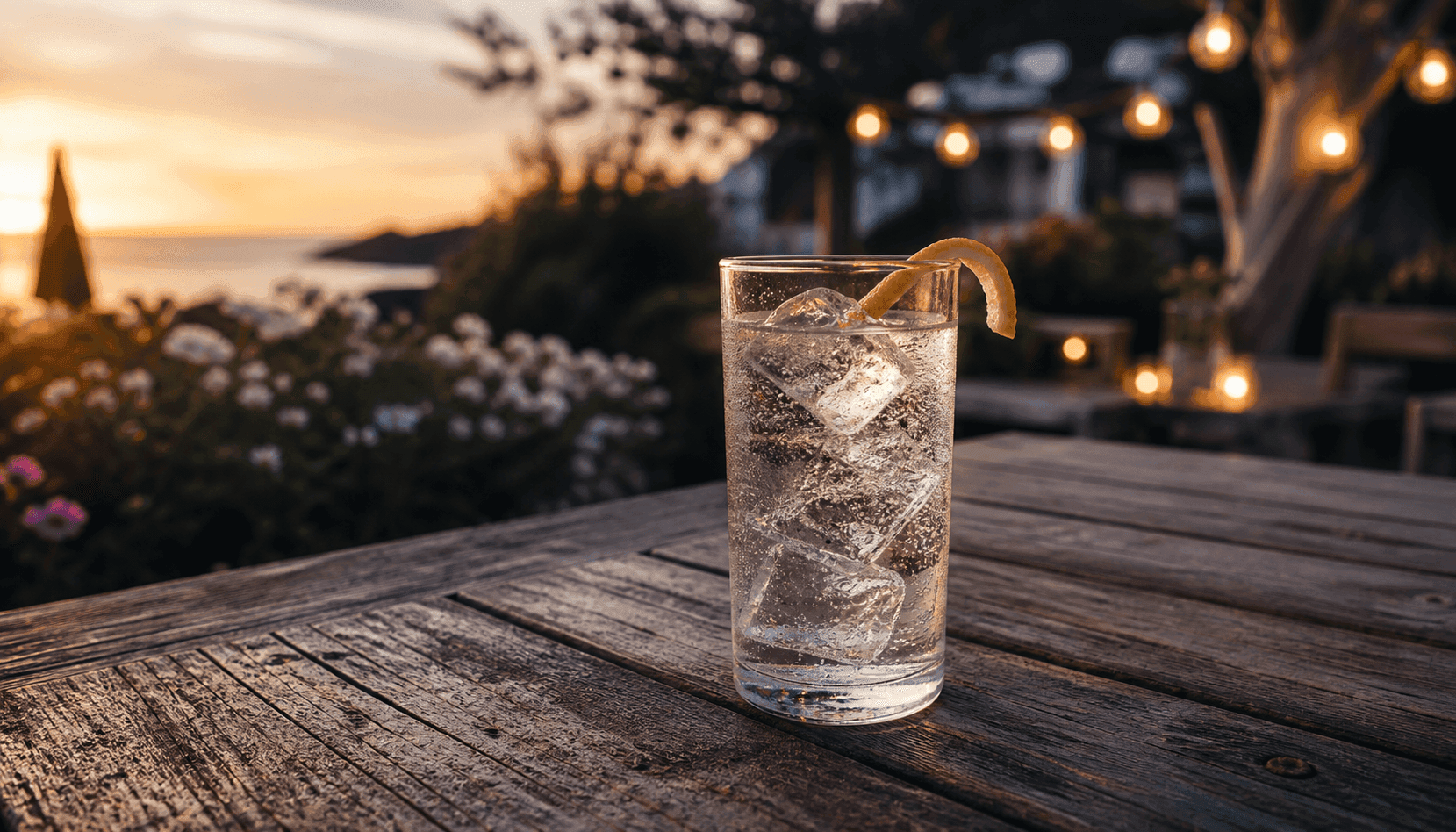
What Is the Best Whisky to Drink in Summer?
Key Takeaways
Light, fruit-forward styles (Lowland Scotch, Highland, Irish, and Japanese) offer the most versatility in warm weather.
Lower-strength expressions at 40 to 43% ABV handle ice and dilution more gracefully than cask-strength releases.
A single large ice cube cools without over-diluting; crushed ice strips flavour too quickly from quality whisky.
The highball (whisky, ice, chilled soda water) is the most refreshing summer serve and suits nearly any light style.
Explore Glenkinchie 12, Suntory Toki, and Dalwhinnie 15 as reliable starting points.
Keep bottles away from direct sunlight in summer; a cool, dark cupboard is all that is needed for most collections.
Why Heat Changes the Way Whisky Tastes
Alcohol vapour rises faster in warm air
Warm air accelerates the release of alcohol vapour from an open glass, which means the same whisky can feel sharper and more aggressive on the nose in July than it does in January. High-strength expressions (particularly those above 50% ABV served neat) can feel unbalanced outdoors, where the sensation of ambient warmth compounds the alcohol heat in the spirit itself. This is not a flaw in the whisky; it is physics, and the solution is context-appropriate choice.
Body and richness become more apparent
Heavily sherried or oily whiskies carry a richness that reads as comforting in cooler months but can feel exhausting in heat. Summer calls for whiskies with lighter body and a finish that resolves cleanly rather than accumulating in layers. That does not mean flavourless; it means the profile opens, delivers, and releases rather than persisting heavily on the palate.
Dilution becomes a seasonal ally
Adding a small amount of water or a single large ice cube is not a compromise in summer; it is the correct approach. Water opens the nose and softens the alcohol edge; ice does both while also cooling the drink. Large-format ice melts slowly and avoids the over-dilution that crushed ice inflicts on a well-made dram. The same bottle that seems tight at full strength in hot weather will often reveal considerably more character with a few drops of water.
Styles That Suit Summer Best
Lowland Scotch
Lowland single malts are among the lightest Scotch expressions available. Unpeated and often triple-distilled, they offer floral, grassy, and citrus notes without the body or smoke of Highland or Island whiskies. Glenkinchie 12 is the most widely recognised example: its hay, lemon zest, and gentle malt character work beautifully with a single cube. Auchentoshan is another consistent Lowland performer, with a soft, approachable profile across its core range.
Light Highland single malts
Not all Highland whiskies are equal in summer. Lighter expressions lean toward stone fruit, honey, and heather rather than the spice and robust oak that characterises heavier Highlands. Dalwhinnie 15 is a perennial summer recommendation: its honeyed, lightly heathery character works well with a single ice cube and a patient approach. Glenmorangie Original similarly rewards warm-weather drinking with its peach and vanilla notes.
Irish whiskey
Irish whiskey (whether single malt, single pot still, or blend) is almost universally approachable in warm weather. The triple distillation common in Irish production creates a lighter, rounder spirit that rarely challenges the palate in heat. The style rewards outdoor drinking without demanding the concentration a more complex Scotch might require, making it an excellent choice for a long, unhurried afternoon.
Japanese whisky
Japan's whisky tradition was shaped in part by a hot, humid climate, and the country's blenders have long crafted expressions intended for highball service. Suntory Toki was designed explicitly for the highball format, with a bright, citrus-forward profile that performs beautifully in a tall glass with ice and soda. Nikka From The Barrel is more complex and rewards significant dilution with unusual depth and a clean, persistent finish.
What to Approach with Care in Warm Weather
Heavily peated Islay expressions
Heavily peated whiskies are not wrong for summer, but they require intentional choice. The smoke that feels warming in winter can seem oppressive in direct sunlight. If you enjoy peat year-round, consider lighter coastal expressions such as Caol Ila 12, which balances maritime salinity with moderate smoke rather than the full intensity of heavier Islay releases. At the beach or beside a lake, the coastal character of such a whisky becomes genuinely evocative rather than simply heavy.
Full-sherry-matured releases
Full-sherry-cask whiskies carry a richness better suited to cool evenings and food pairings than afternoon heat. A lightly sherried expression at standard strength can still work in summer, but heavily sherried releases are better saved for when the temperature drops. The density of dried fruit and spice that makes them compelling in December can feel monotone when the glass warms quickly in outdoor conditions.
Cask-strength expressions neat
Cask-strength releases served neat in summer will feel aggressive to most palates. If you want to explore cask strength in warm weather, add water. More than you would in winter. The flavour is often considerably more interesting with significant dilution, and summer is an excellent time to discover how a given whisky transforms as it opens up across a longer pour.
Tip: Keep a small jug of still mineral water beside the bottle rather than using tap water. Chlorine and added minerals in tap water can interact with certain congeners in whisky and introduce off-notes that are more noticeable in lighter, more delicate expressions.
The Highball: Summer's Definitive Serve
What makes a highball work
A highball is whisky over ice in a tall glass, topped with chilled soda water. Its brilliance lies in ratio and temperature: the carbonation lifts the aromatics, the ice cools the palate, and the soda extends the drinking time without introducing competing flavour. Served properly (chilled glass, large clear ice, good-quality soda poured carefully to preserve carbonation), a highball is one of the most satisfying long drinks available and the single best format for warm-weather whisky.
How to build one correctly
Chill the glass in the freezer for at least ten minutes before serving. Fill generously with large cubed ice. Add the whisky: a ratio of 1:3 to 1:4 whisky to soda is standard. Pour cold soda water gently down the inside of the glass to preserve carbonation, then stir once with a long bar spoon. Finish with a thin slice of lemon or a strip of citrus peel if desired. The entire serve takes ninety seconds and the result is a significantly more refreshing drink than whisky on the rocks alone.
Which bottles work best in highball format
Japanese blends and lighter Scotch blends perform exceptionally well. Monkey Shoulder and Johnnie Walker Black Label are consistent performers. Some Speyside single malts reveal an unexpected freshness and even tropical dimension when significantly diluted in highball format; experimentation is encouraged, and the format rewards curiosity.
FAQ
Is it acceptable to add ice to a good whisky?
In summer, yes. A single large cube of quality ice cools the drink, opens the nose, and softens the alcohol without stripping flavour as quickly as smaller, faster-melting formats. The idea that ice is always wrong in whisky is a simplification that does not serve summer drinkers. Context matters, and warm weather is the right context for thoughtful cooling.
What is the best single malt for someone new to whisky drinking in summer?
Glenmorangie Original or Glenkinchie 12 are strong first choices. Both are approachable, fruit-forward, and low enough in peat and sherry influence that the alcohol character reads as clean rather than challenging. Either works well with a single ice cube or a small addition of water, and both are widely available across Europe.
Can blended Scotch work well for serious whisky drinkers in summer?
Blended Scotch at its best (Compass Box expressions, Johnnie Walker Green Label, or Monkey Shoulder) is not a compromise. In highball format especially, a well-made blend can deliver better balance and a cleaner finish than many single malts at a similar price. Summer is an excellent time to rediscover good blends without the snobbery that can attach itself to the category in other contexts.
How should whisky be stored during summer to avoid heat damage?
Keep bottles away from direct sunlight and sources of heat. A cool, dark cupboard is entirely sufficient for most collections. Refrigeration is not recommended, as cold temperatures can dull aromatic compounds. For rare or aged bottles stored in a particularly hot climate, a temperature-controlled spirits cabinet offers peace of mind during extended periods of high heat.
About the author

Janis Wilczura
I'm one of Germany's leading whisky experts, featured in Handelsblatt and BILD. To me, whisky is craftsmanship and art.
To the author