

Reach thousands of whisky and spirits lovers every day.


11.03.2026

Whisky Trends in 2026 - New Distilleries, Experiments, and Future Classics.
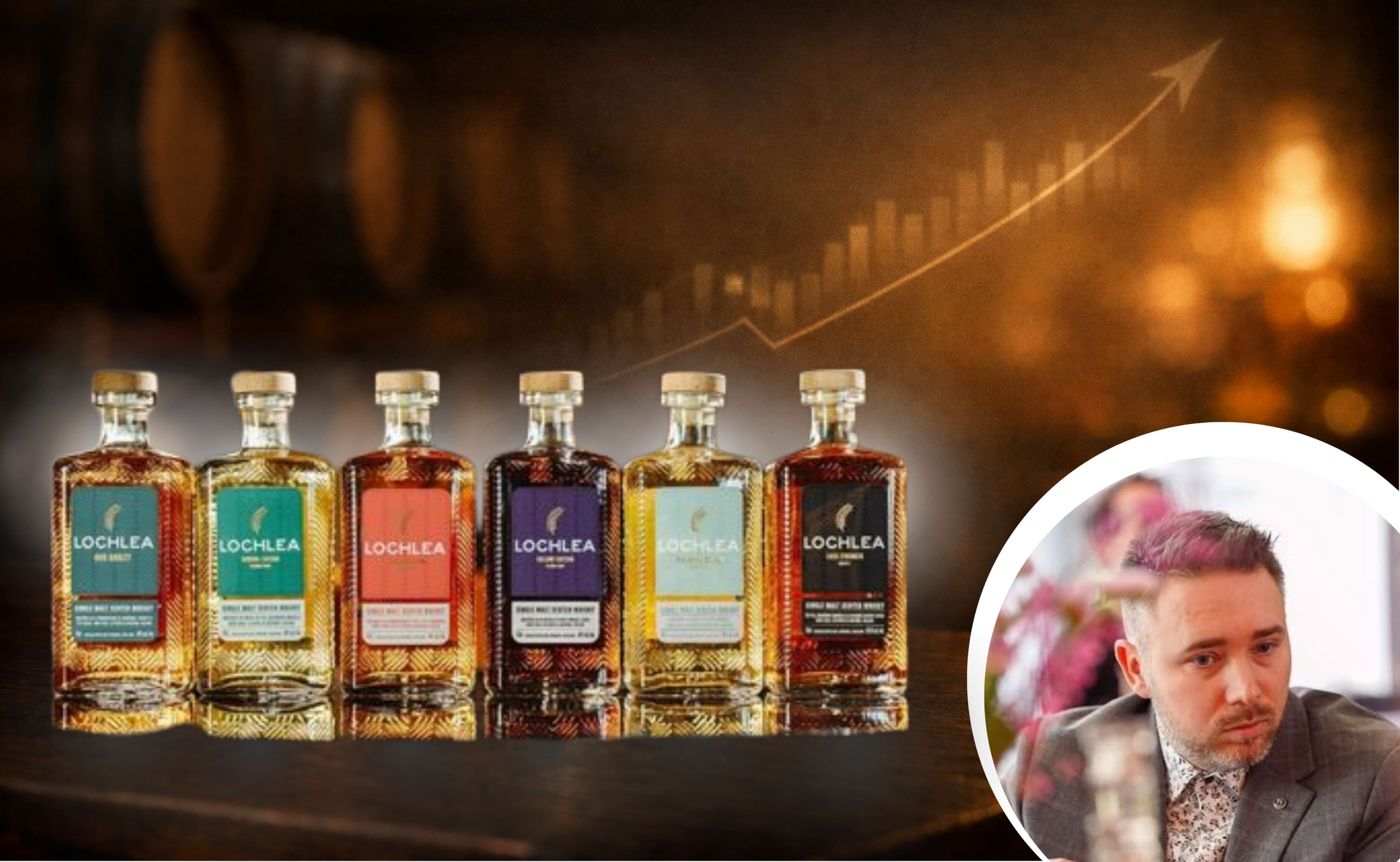
Whisky Trends in 2026 - New Distilleries, Experiments, and Future Classics.
The whisky world in 2026 feels like a turning point. After more than a decade of rapid growth, hype releases, and sometimes excessive experimentation, the industry is entering a more mature phase. Distilleries are rediscovering craftsmanship, raw materials, and regional identity while still embracing innovation in fermentation, maturation, and blending.
The result is a fascinating moment for whisky enthusiasts and collectors alike: a landscape where tradition and experimentation coexist—and where the future classics of the next decades are likely being bottled right now.
The rise of terroir – whisky begins to resemble wine.
One of the most important shifts in whisky production is the growing focus on the origin of raw materials. Increasingly, distilleries emphasize where their barley comes from, sometimes down to individual farms.
This approach mirrors the concept of terroir in wine, where soil, climate, and farming practices shape the final character of the drink.
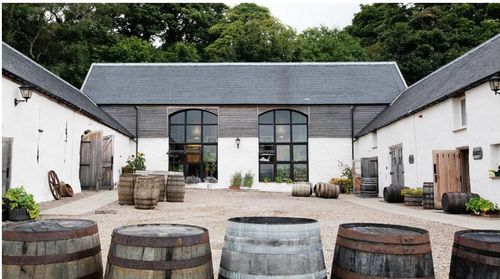
Distilleries such as Lochlea Distillery and Nc'nean Distillery are strong examples of this philosophy. Both operate with a farm-to-bottle mindset, controlling the barley production and integrating agriculture into the whisky story.
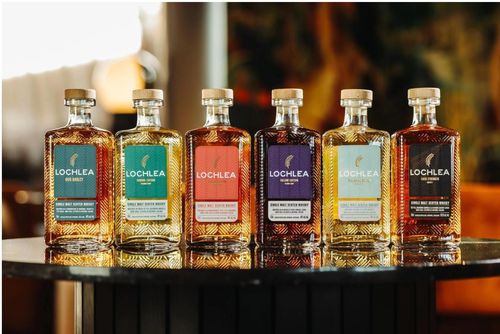
In the long run, single-farm barley releases may become the whisky equivalent of single-vineyard wines—highly collectible and deeply tied to place.
American Single Malt emerges as a major category
Another important development is the rise of American Single Malt whisky. After years of informal use, the category is now officially recognized, giving distilleries a clearer identity on the global stage.
Producers such as Westland Distillery and Virginia Distillery Company have been pioneering the style for years.
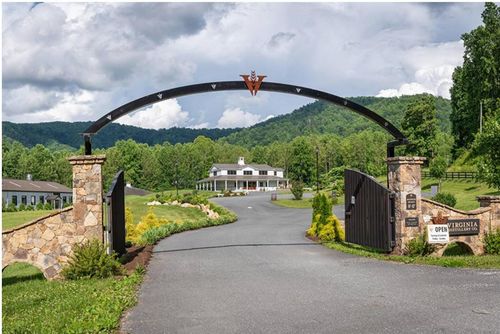
American single malts often show a richer malt character than many Scottish counterparts and frequently experiment with fermentation techniques, specialty malts, and diverse cask types. As these whiskies continue to mature, their older releases—especially those reaching 15 to 20 years—may become some of the most sought-after bottles of the future.
Cask experimentation becomes more refined
The past decade saw an explosion of cask experimentation: rum barrels, tequila barrels, beer barrels, and countless other unusual finishes.
By 2026, the trend has evolved. Distilleries are moving toward more thoughtful and controlled maturation strategies.
A good example is the approach used by Bruichladdich Distillery, where whisky can mature in carefully balanced combinations of bourbon, sherry, wine, and virgin oak casks.
At the same time, unusual woods such as Japanese mizunara oak are gaining popularity. These casks add distinctive notes of incense, sandalwood, and exotic spice, creating highly complex flavor profiles.
A new generation of Scottish distilleries
Perhaps the most exciting development in Scotch whisky is the wave of new distilleries that have opened over the past decade. Many of them are only now releasing their first mature whiskies. Among the projects worth watching closely are:
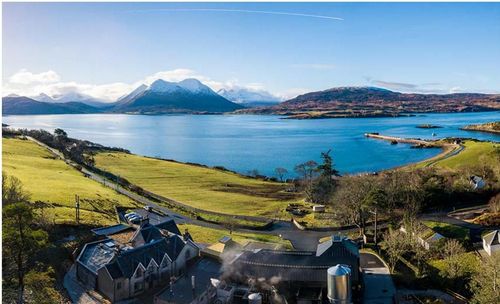
- Isle of Raasay Distillery – known for experimenting with multiple cask types and producing a maritime-influenced style
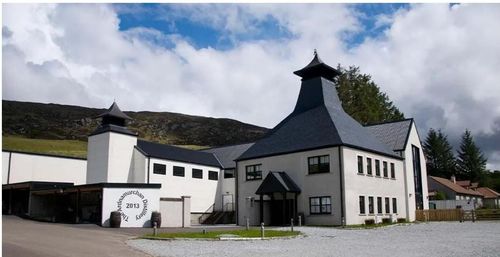
- Ardnamurchan Distillery – focused on sustainable production and a very clean spirit character
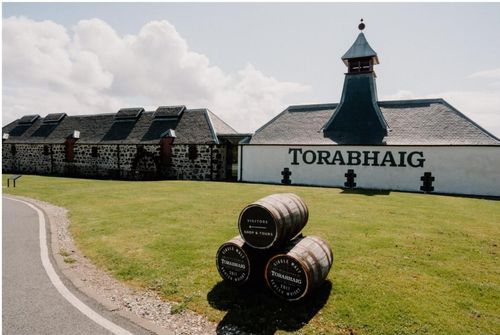
- Torabhaig Distillery – a new peated whisky from the Isle of Skye
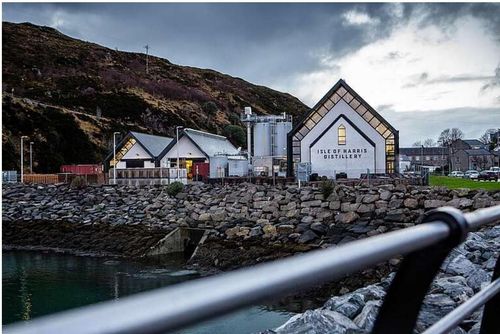
- Isle of Harris Distillery – elegant house style and strong global demand for its first single malt
- Lagg Distillery – a distillery specializing in peated whisky

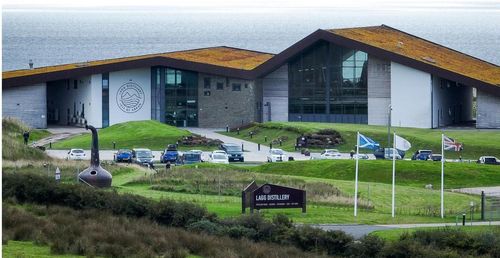
Early releases from these producers are already attracting collector attention. Whisky history suggests that inaugural bottlings often become historically significant once a distillery establishes its reputation.
Regional identity returns
While experimentation continues, many distilleries are rediscovering the importance of regional identity.
Drinkers increasingly want to understand what distinguishes the smoky intensity of Islay, the fruity elegance of Speyside, or the robust character of Highland malts.
As a result, distillers are placing greater emphasis on the intrinsic character of their spirit rather than masking it with heavy cask influence.
Bottles that may become future classics
For collectors, three types of whisky tend to offer the most interesting long-term potential:
- inaugural releases from new distilleries
- the first age-statement whiskies from young producers
- limited cask-strength editions
Recent releases from distilleries such as Highland Park Distillery and experimental bottlings from Glenmorangie Distillery are good examples of bottles attracting early attention.
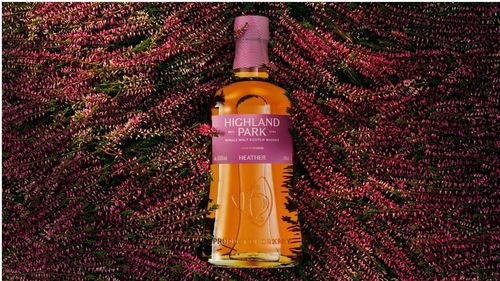
Interestingly, the strongest growth potential does not always lie in ultra-luxury releases. Many collectors now focus on limited editions priced between €100 and €200—whiskies that gain value as the reputation of the distillery grows.
Looking ahead
If current trends continue, several themes are likely to define the next decade of whisky:
- deeper focus on terroir and barley origin
- the rapid growth of American Single Malt
- more precise and thoughtful cask maturation
- the rise of new distilleries across Scotland and beyond
- greater transparency and sustainability in production
Whisky remains a dynamic and evolving category, but it is also becoming more self-aware and connected to its roots. At this intersection of tradition and innovation, the future classics of tomorrow are already beginning to take shape.
About the author

Damian Baran
I am in love with the world of whisky since 2021 after the first films about testing and discovering flavors. the story began with a bottle of Talisker 10, earlier of course brands such as glendifich or johnie walker appeared but it was Talisker that opened my eyes to the diversity of flavors and scents. currently with over 800 whiskies tried and head over heels in love with the climates of islay. finds his flavors in bottles such as ardbeg or lagavulin but I also willingly reach for peated whiskies such as glendronach sweet fruity climates of Speyside.
To the author