

Reach thousands of whisky and spirits lovers every day.


03.11.2025

8 Styles That Hold Value as Costs Rise
8 Styles That Hold Value as Costs Rise
The Current Landscape: Rising Costs and Whisky Value
The Scotch Whisky Association's recent campaign for a multi-year duty freeze highlights the mounting pressures on the whisky industry. Spirits duty in the UK has surged by fourteen percent over the past two years, pushing the tax on a standard bottle of Scotch to more than £12 for the first time. Alongside global trade uncertainties and inflation in production and logistics, these rising costs are squeezing margins throughout the supply chain.
The ongoing debate over duty freezes underscores this urgency. A freeze could provide much-needed relief to producers and hospitality venues grappling with inflation. Meanwhile, buyers must prioritise styles that typically endure cost pressures without compromising on drinking pleasure or market demand. This guide ranks eight whisky styles known for their value retention during times of rising expenses, offering practical insights for both consumers and hospitality professionals.
1. Cask-Strength Peated Single Malts
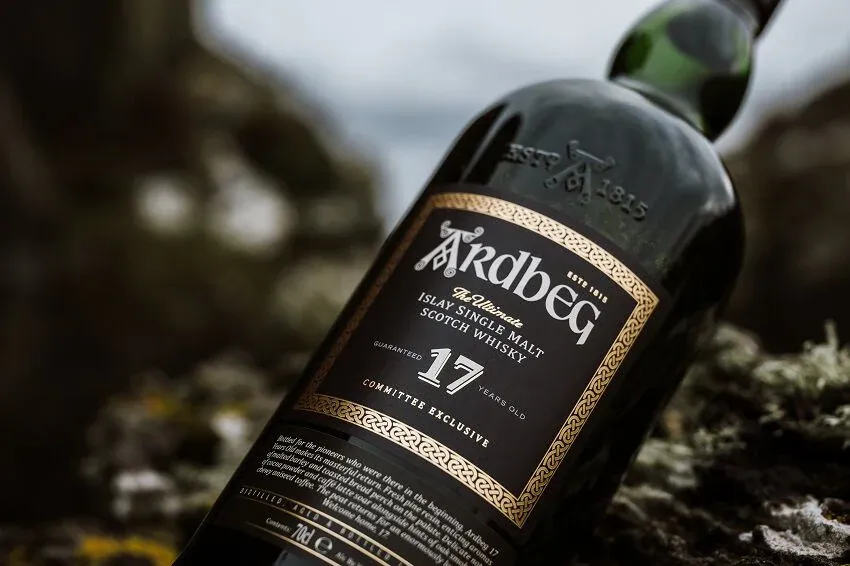
Cask-strength peated single malts occupy a unique position at the pinnacle of value retention under cost pressures. Bottled typically between 50% and 65% ABV without chill filtration, these whiskies boast a devoted cult following that appreciates their bold complexity and distinctive character. Islay distilleries such as Lagavulin, Ardbeg, and Laphroaig have demonstrated remarkable pricing power over the last decade, with their expressions consistently commanding premiums in secondary markets ranging from £100 to £500.
The appeal lies in their sensory profile—rich peat smoke mingled with maritime saltiness—that remains highly sought after regardless of duty hikes or production cost increases. For hospitality venues, offering cask-strength peated malts can yield higher margins per pour, effectively offsetting rising expenses.
Consumption and Buying Guidance
These whiskies are best enjoyed neat or with a single ice cube to fully appreciate their complex layers of smoke, salt, and subtle sweetness. When selecting bottles for long-term value, focus on established age statements in the 10 to 15 Years range from well-known distilleries rather than chasing limited editions. Consistency in quality and reputation tends to build more reliable market resilience than novelty releases.
2. Sherry Cask-Matured Premium Single Malts
Sherry cask-matured whiskies aged 18 Years or older represent an epitome of durability driven by cask influence. The scarcity and expense of genuine sherry casks—particularly ex-oloroso and ex-Pedro Ximénez—mean that distilleries such as Macallan, GlenDronach, and Balvenie invest heavily in sourcing these limited barrels. This rarity supports premiums of 30% to 50% above bourbon-cask equivalents.
When costs rise, buyers at the premium tier remain willing to absorb price increases because the unique dried fruit, spice, and oak complexity imparted by sherry casks cannot be easily replicated. These whiskies reward neat sipping where their rich aroma and flavour complexity shine brightest.
Investment Considerations
For those seeking value retention or investment potential, it is wise to focus on distilleries with proven secondary market depth. Macallan, GlenDronach, and Balvenie have demonstrated consistent appreciation over time. Entry prices for quality examples usually start around €130 and increase steadily; this middle price tier tends to outperform both mass-market bottles and ultra-luxury trophies in terms of holding value.
3. Age-Statement Blended Scotch from Major Houses
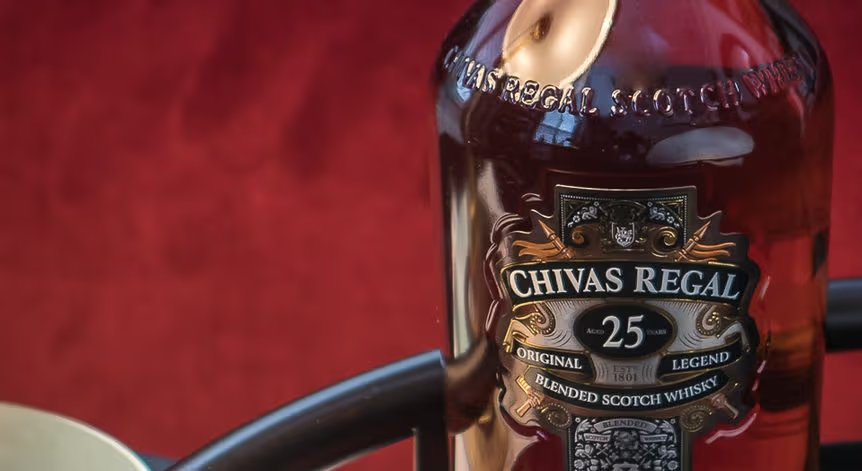
Blended Scotch whiskies with age statements offer resilience through sheer production scale and global distribution power. Brands like Johnnie Walker, Chivas Regal, and Ballantine's produce millions of bottles annually, allowing them to spread duty increases across vast volumes. This scale helps maintain steady demand even amid cost inflation.
A typical 12 Year Old blended Scotch at 40–43% ABV serves as a versatile spirit—excellent neat or as a cocktail base—making it popular in bars, restaurants, and homes worldwide.
Value Proposition for Hospitality
For hospitality venues aiming for predictable margins and customer familiarity, premium blended Scotch remains a sound choice. While these blends may not command robust secondary market prices like single malts, their economic resilience lies in volume sales rather than collector interest. Their widespread recognition ensures they stay relevant despite rising costs.
4. Japanese Single Malts
Japanese single malts have carved out a distinct niche with significant growth potential. The market is projected to nearly double from approximately $923 million in 2024 to over $1.8 billion by 2033, reflecting a compound annual growth rate of around 7.8%. Renowned distilleries like Yamazaki, Hibiki, Nikka, and emerging producers such as Chichibu command premiums that often surpass those seen in premium Scotch categories.
These whiskies are typically matured using a combination of American oak and rare Japanese mizunara casks, creating nuanced profiles rich in fruitiness and spice that differ markedly from traditional Scotch expressions.
Long-Term Investment Potential
Collectors seeking diversification might consider aged Japanese single malts in the 18 to 30 Years range as both drinking pleasures and portfolio assets. Despite tariffs affecting exports to key markets like the United States, strong domestic demand in Asia alongside growing global interest provides counterbalancing support for pricing stability.
5. Bottlings from Closed and Silent Distilleries
Whiskies from closed or silent distilleries represent the ultimate scarcity-driven value proposition. Iconic names such as Brora (closed since 1983) consistently appreciate at auction; for example, a Brora malt distilled in 1972 sold for about £700 in 2007 but now commands around £4,800. Similarly, Port Ellen bottlings enjoy extraordinary premiums due to their finite supply.
Because there will never be new releases from these original operations, duty rises become irrelevant—the constraint is absolute scarcity.
Collectible Asset Strategy
Investors should approach these whiskies primarily as collectible assets rather than everyday drams. Provenance verification is essential due to historical instances of fraud in this category; purchase only from reputable auction houses or established retailers with clear documentation.
Expect price ranges between £1,000 and £5,000 for quality examples with solid provenance—a worthwhile consideration for portfolio insurance against inflation and regulatory uncertainty.
6. Premium Independent Bottler Selections
Independent bottlers such as Gordon & MacPhail, Cadenhead's, and Wemyss offer a compelling middle ground between accessibility and resilience through niche reputation and careful production control. Their selections often carry higher markups than official distillery releases but enjoy loyal followings among collectors due to quality curation.
These bottlings typically range from 15 to 25 Years old with ABVs between 43% and 55%, sourced from limited cask inventories.
Navigating Rising Costs
The independent bottler channel tends to avoid mass-market price wars because their products are not commodities but carefully curated expressions valued for authenticity rather than marketing spend. For buyers seeking durable value without entering ultra-luxury territory, focusing on reputable independent bottlers represents an astute strategy amid rising costs.
7. No-Age-Statement Cask-Finished Expressions
No-age-statement (NAS) cask-finished whiskies occupy an intriguing space in today’s market despite some controversy among purists. Typically bottled at 46–48% ABV and finished in distinctive casks such as port or Madeira barrels—or other unconventional woods—these expressions appeal strongly to younger drinkers seeking novelty and flavour adventure.
Production flexibility allows distilleries to absorb cost increases through innovation rather than straightforward price hikes.
Market Appeal and Positioning
From a hospitality perspective, NAS cask-finished whiskies command premium margins while driving foot traffic through limited releases amplified by social media buzz. Although their secondary market appreciation is modest compared with age-statement single malts, they serve excellently as occasion-based bottles offering immediate enjoyment rather than investment potential.
8. Standard Bourbon-Cask-Aged Entry Expressions
Standard bourbon-cask-aged whiskies aged around 10–12 Years at approximately 40% ABV complete this analysis by representing baseline resilience through volume production scale. Distilleries producing millions of bottles annually benefit from amortised capital costs and established distribution networks that help sustain consumer demand despite price fluctuations.
Examples include reliable house pours like Glenfiddich 10 Years or Glenmorangie 10 Years—ideal gateway bottles for newcomers or dependable base spirits for classic cocktails.
Strategic Purchasing for Stability
For consumers or venues seeking stable quality without collection aspirations or investment complexity, these expressions remain strategically sound choices during periods of rising duties or input costs.
The eight categories outlined here provide a comprehensive framework for selecting whisky styles resilient against escalating expenses driven by duties or inflationary pressures. By understanding each style’s unique value drivers—whether rooted in cask influence, rarity, scale or market niche—buyers can confidently navigate an uncertain landscape while enjoying exceptional whisky experiences.
As the Scotch Whisky Association continues lobbying for duty relief amid rising costs affecting producers and hospitality alike, prioritising these resilient whisky styles will help maintain both pleasure and financial durability.
Enjoy responsibly.
FAQs
Which whisky styles are most likely to retain value when duties increase?
Styles such as cask-strength peated single malts, sherry cask-matured premium single malts aged over eighteen years, bottlings from closed distilleries like Brora or Port Ellen, and premium independent bottler selections tend to hold value well during periods of rising duties due to factors like scarcity or strong collector demand.
How can hospitality venues benefit from offering resilient whisky styles?
Hospitality venues can offset rising duty costs by featuring styles like cask-strength peated malts that command higher margins per pour or age-statement blended Scotches known for steady consumer demand. Offering NAS cask-finished expressions also attracts younger drinkers seeking novel flavours while maintaining profitability.
Are Japanese single malts a good investment compared to Scotch?
Japanese single malts have shown strong growth potential with unique flavour profiles derived from mizunara oak maturation. Their projected market expansion makes them attractive both as drinking whiskies and investment assets—complementing traditional Scotch collections well according to data analysed by Spiritory experts.
Where can I find verified listings of rare whiskies like those from closed distilleries?
Spiritory provides access to verified listings of rare whiskies including those from closed distilleries such as Brora or Port Ellen with clear provenance documentation—crucial given historical fraud risks in this category.
What should I consider when buying independent bottler selections?
Look for bottlings with established reputations like Gordon & MacPhail or Cadenhead’s that offer transparent production details including age statements and ABV levels between 43%–55%. These selections often provide excellent value retention without entering ultra-luxury price ranges—a smart choice during cost uncertainty.
- The Current Landscape: Rising Costs and Whisky Value
- 1. Cask-Strength Peated Single Malts
- 2. Sherry Cask-Matured Premium Single Malts
- 3. Age-Statement Blended Scotch from Major Houses
- 4. Japanese Single Malts
- 5. Bottlings from Closed and Silent Distilleries
- 6. Premium Independent Bottler Selections
- 7. No-Age-Statement Cask-Finished Expressions
- 8. Standard Bourbon-Cask-Aged Entry Expressions
- FAQs
About the author

Janis Wilczura
I started my Whisky journey like many others - I have had a friend who was already into it. After some time in Montreal I moved to Munich in 2015 where I met one of my best friends Ferdinand who was passionate about Whisky already and shared his enthusiasm with me. I fell in love with this product and today I can say that Whisky is more for me than just "Alcohol" it's craftmanship, art and truly something special. Over the course of the past years I have managed to become one of the leading experts in Whisky in Germany featuring articles ar BILD.de, Handelsblatt, Sueddeutsche, Playboy, Business Punk and many more.
To the author