

Reach thousands of whisky and spirits lovers every day.


24.02.2026

Why Is European Whisky Taking Off? French Coastal Malts and Scandinavian Rye Explained
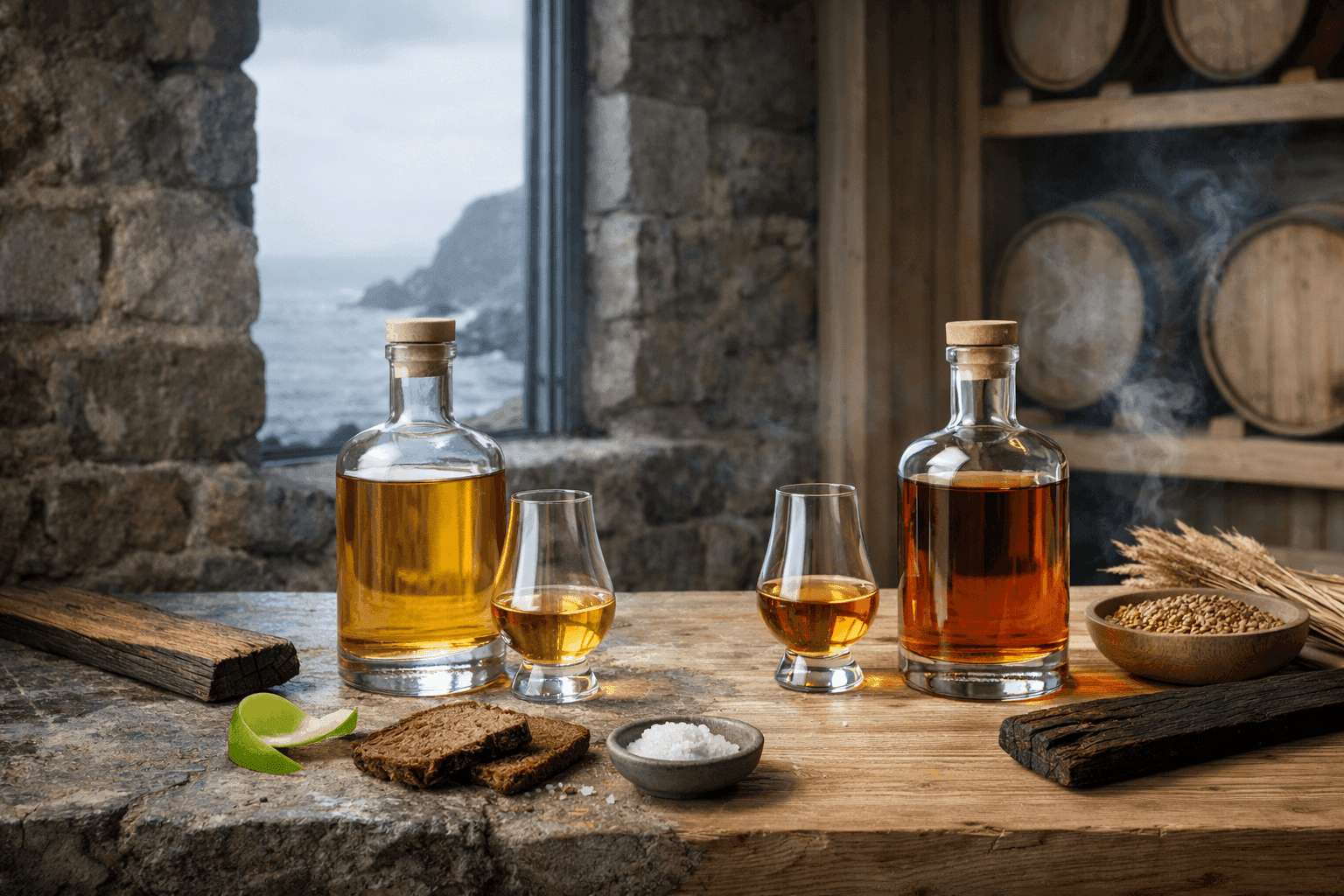
Why Is European Whisky Taking Off? French Coastal Malts and Scandinavian Rye Explained
The Rise of European Whisky: A New Frontier
European whisky has long been synonymous with Scotland, but recent years have witnessed a remarkable shift. The emergence of French and Scandinavian whiskies is reshaping the continent’s whisky landscape, inviting enthusiasts to explore beyond traditional Scotch. This diversification reflects a broader trend where local, experimental spirits are gaining traction amid the “drink less, drink better” movement. From coastal Breton single malts to innovative sauna-smoked Nordic ryes, Europe’s whisky scene now offers a vibrant array of styles that challenge Scotland’s longstanding dominance.
The rise of French distilleries—from fewer than a dozen in 2000 to over 100 today—alongside Nordic producers united in a commitment to terroir-driven innovation, marks a new frontier for whisky lovers. These developments not only erode Scotland’s monopoly but also introduce unique flavour profiles and production techniques rooted in regional heritage and experimentation. For the intermediate enthusiast eager to broaden their palate, understanding these distinctive European styles is essential to appreciating the continent’s evolving whisky narrative.
Breton Coastal Single Malt
Breton single malts stand as pioneers of French whisky, combining traditional methods with the distinctive maritime terroir of Brittany's Atlantic coast. Brands like Armorik and Glann ar Mor exemplify this style, offering expressions that bridge Scottish character with a coastal mineral freshness.
Production Traits
Brittany’s whisky production benefits from its rugged Atlantic coastline, where salty sea air and granite geology impart a unique maritime influence. Armorik, established in 1983 and releasing its first single malt in 1998, matures its whisky predominantly in bourbon casks at 46% ABV. This approach preserves vanilla cream and buttery biscuit notes while allowing subtle briny nuances to emerge. Nearby Glann ar Mor employs direct-fired pot stills for unpeated, naturally-coloured malts that reflect the region’s terroir without peat smoke interference. Both distilleries embrace traditional craftsmanship married to local environmental factors, creating whiskies that are mineral-forward and distinctly coastal.
Tasting Notes and Food Pairings
Breton single malts typically present a smooth profile with vanilla richness and buttery biscuit sweetness layered over a soft sea breeze character. The finish often reveals warming spice and hints of iodine, evoking the maritime surroundings. These whiskies pair beautifully with smoked fish, where their briny notes complement the smoky richness; sea salt caramel desserts that echo their sweetness; and aged gouda cheeses that balance savouriness with creamy texture. This combination makes Breton malts an excellent introduction to European whisky for those familiar with Scottish coastal styles but seeking new dimensions.
Alsatian Wine-Cask Single Malt
Alsatian whiskies bring a distinct wine culture influence to French single malts, leveraging centuries of expertise in brandy and wine cask maturation. Producers like Meyer and Rozelieures craft expressions that highlight local casks such as sauternes and fino sherry, creating complex spirits with floral and dried fruit layers.
Production Techniques
Alsace’s whisky makers utilise locally grown barley combined with maturation in wine-related casks to impart unique flavours. Rozelieures, founded in 2002, offers lightly peated (6 ppm) and medium-peated (20 ppm) variants matured in cognac and sherry casks at 46% ABV. Meanwhile, Meyer, initially a fruit eau-de-vie producer, ages its Elsass single malt eight years in ex-white wine barrels, marrying Alsatian viticulture with distillation. This integration of regional agricultural traditions results in whiskies that diverge from Brittany’s maritime style by emphasising softer fruitiness and floral complexity without overt salinity.
Flavor Profile and Pairings
Alsatian single malts reveal pronounced dried fruit notes—think raisins and apricots—alongside delicate floral aromas reminiscent of spring blossoms. The influence of wine casks lends tannic structure that softens the malt’s edges while adding depth. These characteristics make them superb companions for game dishes rich in umami, aged cheeses that benefit from the whisky’s tannins, and dark chocolate desserts where the spirit’s sweetness balances bitterness. For enthusiasts exploring wine-influenced spirits, Alsatian malts offer an accessible yet sophisticated tasting experience.
Nordic Innovations: Sauna-Smoked and Rye Whiskies
Nordic distilleries are redefining whisky through cultural traditions and terroir-driven experimentation. Two standout examples are Finland’s Kyrö, known for its sauna-smoked rye whiskies, and France’s Domaine des Hautes Glaces, which champions organic rye with a farm-to-bottle ethos.
Kyrö's Sauna-Smoked Rye
Kyrö’s origin story is deeply rooted in Finnish culture: five friends inspired by rye bread and sauna traditions created Europe’s first rye whisky distilled entirely from malted Finnish wholegrain rye. Their signature expression, Kyrö Peat Smoke (47.2% ABV), is barn-smoked over Finnish freshwater peat for 24 hours before maturation in new American oak and ex-bourbon barrels. Select casks undergo further finishing inside the distillery sauna at 55°C to enhance wood interaction.
The result is an extraordinary spirit combining sweet rye bread and honey with bonfire ash, herbal peat smoke, forest honey, and sandalwood notes on the finish. Kyrö pushes flavour boundaries further through its Sauna Stories series—higher proof releases finished in apricot brandy casks after sauna treatment—that showcase bold innovation grounded firmly in tradition.
Domaine des Hautes Glaces' Organic Rye
Situated near Grenoble in the Alps, Domaine des Hautes Glaces exemplifies terroir whisky through its organic farm-to-bottle approach. All barley, rye, and malt come from their own fields; production embraces each vintage’s uniqueness. Their rye whisky matures initially in new French oak barrels to highlight grain character before finishing gently in exhausted cognac butts.
Bottled at 44% ABV, this spirit reveals herbal complexity—thyme, black pepper—and earthy spice balanced by subtle Alpine sweetness. Its rustic yet refined profile pairs well with charcuterie platters featuring bitter greens or firm cheeses where spice contrasts umami-rich flavours.
Continental Craft: Pot-Still and Experimental Whiskies
Continental Europe is home to dynamic craft distilleries pushing boundaries through pot-still techniques and daring cask experiments. Notably, the Dutch Zuidam Millstone rye whisky and Sweden’s Mackmyra distillery illustrate this movement with distinct approaches.
Zuidam's Pot-Still Rye
Zuidam Distillery has been producing spirits since 1975 but is credited with pioneering contemporary European rye whisky through its Millstone 100 expression. Crafted from a mash bill of 51% unmalted rye and 49% malted rye aged over eight years in new American oak barrels, Millstone is typically bottled at cask strength above 50% ABV.
Slow distillation using large Forsyths pot stills preserves honeyed citric spice aromas alongside fruity palate notes balanced by sweet yet peppery finish nuances. Zuidam’s philosophy embraces terroir as encompassing fermentation ecology alongside grain selection—offering repeatability within craft innovation.
This rye pairs excellently with aged gouda cheese or caramelised onions where its spicy-sweet character enhances umami flavours.
Mackmyra's Experimental Casks
Swedish distillery Mackmyra stands out for systematic cask experimentation uncommon among traditional Scotch producers. Their core range at 46.1% ABV uses Swedish oak barrels combined with local barley and water sources; however, limited seasonal editions push creative boundaries.
The 2023 Grönt Te (Green Tea) release matured in oloroso sherry casks seasoned with four types of Japanese green tea offers orchard fruits mingling with menthol freshness and grassy vegetal notes—a profile rewarding adventurous palates.
Priced between £50 to £150+, these expressions invite collectors eager to explore how novel maturation reshapes flavour while retaining regional identity.
Emerging Regions: Estonian, Austrian, and Belgian Whiskies
Beyond France and Scandinavia lie lesser-known European regions crafting distinctive whiskies rooted in local tradition—Estonia’s Moe Distillery, Austria’s Roggenhof, and Belgium’s Filliers all contribute unique styles worth discovering.
Moe Distillery's Hyper-Local Rye
Moe Distillery leverages Estonia's deep rye bread culture alongside vodka expertise to produce its Tamm & Rukis (“oak and rye”) whisky using Sangaste rye—a resilient local grain with intense flavour character. Bottled around 43% ABV after maturation in new American oak or ex-bourbon barrels, it emphasises grain-driven notes over heavy cask influence.
Tasting reveals herbal peat reminiscent of mezcal alongside nettle tea aromas plus subtle chocolate and citrus undertones—a liquid embodiment of Estonian agricultural heritage perfect alongside smoked fish or Eastern European cheeses.
Roggenhof's Terroir Rye
Austrian family farm turned distillery since 1995, Waldviertler Roggenhof produces its flagship Whisky J.H. Original Rye from Austrian-grown grain matured exclusively in Austrian oak barrels (42–48% ABV). This commitment to complete terroir yields concentrated wood essence layered with nutmeg spice, dark fruits, cinnamon warmth, cocoa depth, and peppery finish.
Priced between £55–80 depending on bottling specifics, Roggenhof appeals to collectors valuing regional authenticity; its rich cocoa-spice profile pairs beautifully with dark chocolate desserts or game dishes suited for cellaring potential.
Filliers Craft Rye
Belgium’s oldest distillery since 1880 entered rye whisky production recently with Sunken Still, releasing 5-year-old and 8-year-old expressions at 46% ABV distilled traditionally using Belgian rye grain matured in new American oak barrels.
Filliers balances light spice pepperiness against soft vanilla chocolate notes delivering a clean flavour profile ideal for newcomers exploring continental rye whiskies without overwhelming complexity or peat intensity. Recommended pairings include caramel sauces or milk chocolate desserts where sweetness complements lighter fare elegantly.
Collecting And Tasting Strategy
With Europe now home to over 170 distilleries crafting diverse whiskies beyond Scotland or Ireland, building a collection can be both exciting and daunting. Start by anchoring your exploration with accessible reference points like Armorik Classic or Stauning Rye—styles that offer familiar yet distinctive profiles bridging tradition with innovation.
Next, incorporate experimental releases such as Mackmyra’s green tea-infused malts or Kyrö's sauna-smoked ryes to experience bold departures from conventional flavour palettes. Finally, delve into terroir-focused expressions like Domaine des Hautes Glaces’ organic Alpine rye or Roggenhof’s Austrian wood-driven ryes for philosophical depth reflecting place-based craftsmanship.
When tasting these whiskies:
- Approach each sip open-mindedly; personal discovery outweighs strict adherence to tasting notes.
- Experiment with food pairings suggested per style; these enhance appreciation through complementary textures and flavours.
- Track provenance details such as cask type, grain source, ageing duration—these illuminate how production choices shape sensory outcomes.
You can see why European whiskies are not about replacing Scotch but expanding what whisky can express today—and you might want to explore this vibrant frontier on Spiritory where verified listings showcase many featured bottles for purchase.
Enjoy responsibly; please drink in moderation.
FAQs
What makes European whiskies different from Scotch?
European whiskies often emphasise local terroir more explicitly than Scotch does—whether through indigenous grains like Finnish rye or maturation in regional wine casks such as Alsatian sauternes barrels. They also embrace experimentation with novel finishes like Scandinavian sauna-smoking or Japanese green tea-seasoned sherry casks found at Mackmyra. On Spiritory you can explore these diverse styles side-by-side to appreciate their unique identities beyond traditional Scotch norms.
How should I start building a collection of European whiskies?
Begin by selecting approachable yet representative bottles such as Breton coastal malts (Armorik) or Danish heritage ryes (Stauning) available on Spiritory at reasonable entry prices (£35–65). Then add innovative expressions like Kyrö sauna-smoked ryes or Mackmyra seasonal editions for variety before investing in rarer terroir-driven releases like Domaine des Hautes Glaces or Roggenhof Austrian ryes which offer deeper narrative value for collectors passionate about provenance.
Are these European whiskies suitable for food pairing?
Absolutely! Many European styles were crafted with food harmony in mind—for example Breton malts complement smoked fish or sea salt caramel desserts; Alsatian wine-cask single malts match game meats or aged cheeses; while Nordic ryes work well alongside charcuterie or umami-rich dishes featuring bitter greens. Spiritory provides tasting notes plus pairing suggestions helping you enjoy every layer fully when trying these whiskies neat or alongside meals.
Can I find limited edition European whiskies on Spiritory?
Yes; Spiritory regularly features limited edition releases such as Mackmyra’s green tea-finished malts or Kyrö Sauna Stories series bottled at higher proofs often commanding collector interest due to rarity and innovation quality. These editions provide exciting opportunities for enthusiasts seeking novel taste experiences within Europe’s expanding whisky landscape.
- The Rise of European Whisky: A New Frontier
- Breton Coastal Single Malt
- Alsatian Wine-Cask Single Malt
- Nordic Innovations: Sauna-Smoked and Rye Whiskies
- Continental Craft: Pot-Still and Experimental Whiskies
- Emerging Regions: Estonian, Austrian, and Belgian Whiskies
- Collecting And Tasting Strategy
- FAQs
About the author

Janis Wilczura
I started my Whisky journey like many others - I have had a friend who was already into it. After some time in Montreal I moved to Munich in 2015 where I met one of my best friends Ferdinand who was passionate about Whisky already and shared his enthusiasm with me. I fell in love with this product and today I can say that Whisky is more for me than just "Alcohol" it's craftmanship, art and truly something special. Over the course of the past years I have managed to become one of the leading experts in Whisky in Germany featuring articles ar BILD.de, Handelsblatt, Sueddeutsche, Playboy, Business Punk and many more.
To the author