

Reach thousands of whisky and spirits lovers every day.


14.01.2026

Peated vs Unpeated Whisky: Smoke, Dilution and Pairing Guide for 2026
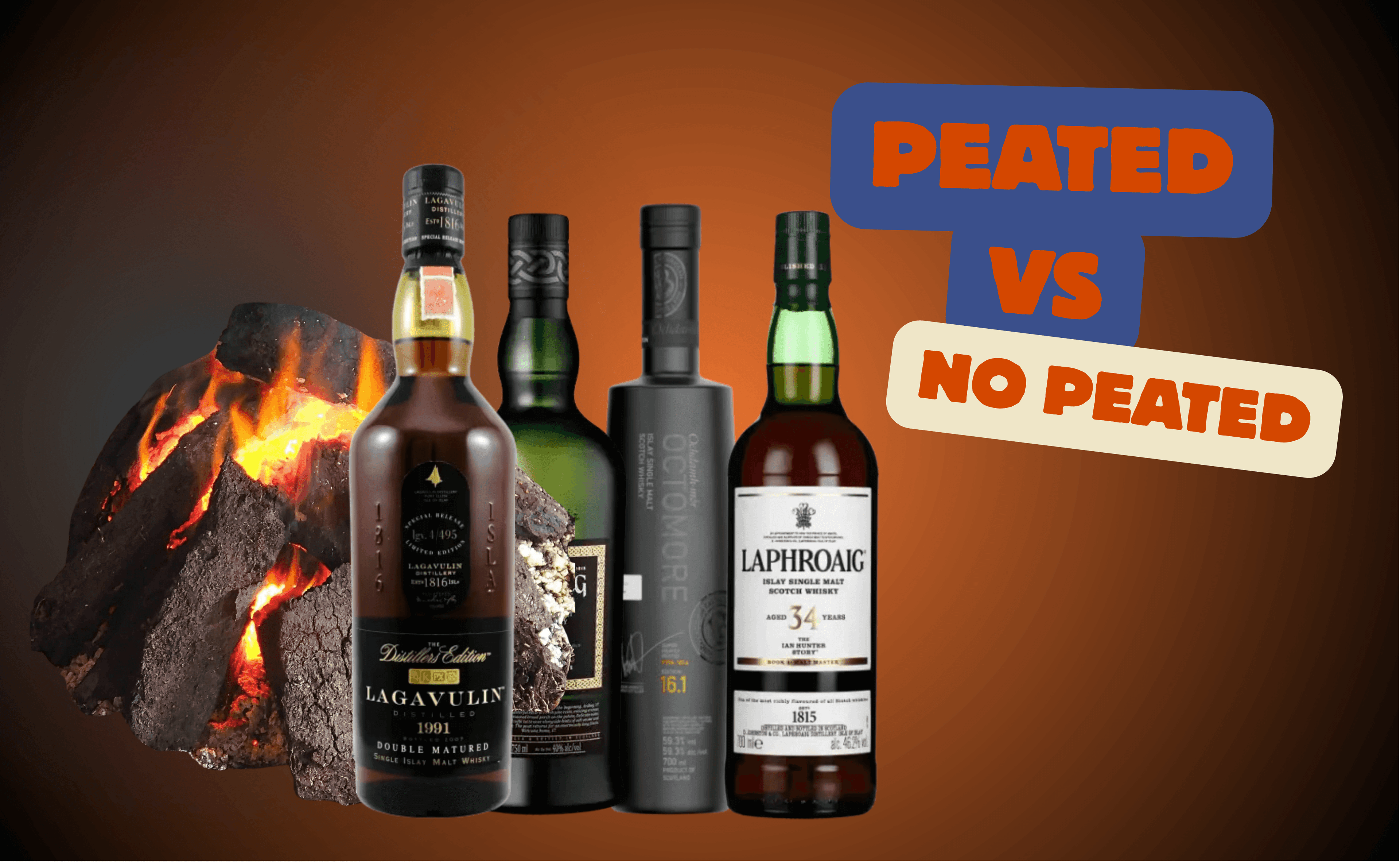
Peated vs Unpeated Whisky: Smoke, Dilution and Pairing Guide for 2026
Introduction: The Shift Towards Authenticity and Lower-ABV Styles
The whisky world is evolving rapidly, with 2026 marking a notable shift towards authenticity and lower-alcohol serving occasions. Consumers and bartenders alike are increasingly seeking spirits that offer genuine provenance and drinkability rather than simply chasing age statements or rarity. This movement places the distinction between peated and unpeated whiskies under a sharper spotlight, as understanding these profiles becomes essential for selecting and enjoying whisky in more diverse, occasion-driven ways.
Peated and unpeated whiskies represent two distinct stylistic paths shaped by production choices, regional influences, and flavour development. As lower-ABV serves gain popularity—whether in cocktails, highballs, or sessionable pours—knowing how each style behaves when diluted is crucial. This knowledge not only enhances the drinking experience but also aligns perfectly with the broader European trend emphasising terroir-driven malts and more inclusive whisky occasions.
Understanding Peated Whisky: Production and Flavor Profile
Peated whisky is defined by its smoky character, which originates from a very specific production method involving peat during malt drying. This process imparts the distinctive phenolic compounds responsible for the whisky’s signature aroma and taste.
The Role of Peat in Whisky Production
The smoky essence of peated whisky begins in the kiln, where malted barley is dried over burning peat. Historically, this was a practical choice in remote Scottish regions like the Highlands and Islay, where coal was scarce or costly. Burning peat releases phenols—complex aromatic molecules—that cling to the barley kernels much like a sponge absorbs water. These phenols survive fermentation, distillation, and maturation to become a permanent feature of the final spirit.
The intensity of peat smoke is measured in phenolic parts per million (PPM). Lightly peated whiskies generally contain 5 to 15 PPM, medium peated around 20 PPM, heavily peated over 30 PPM, while extreme examples such as Bruichladdich’s Octomore series can exceed 200 PPM, offering an intense smoky experience rarely matched elsewhere.
Regional Variations in Peated Whisky
Not all peat smoke tastes the same; regional differences in peat composition and kiln temperatures shape unique flavour profiles. Islay malts like Laphroaig typically range between 35–45 PPM and feature maritime notes of ash, iodine, seaweed, and brine beneath their smoke—a reflection of the island’s coastal environment. Highland peated whiskies tend to be earthier and more herbal, while Campbeltown's limited peated expressions balance smoke with oily and salty complexities reminiscent of engine oil.
Maturation also softens peat’s raw edges: American ex-bourbon barrels contribute vanilla and caramel sweetness, whereas European sherry casks add dried fruit, nuts, and spice. Younger peated whiskies often showcase bold peatiness; older bottlings reveal a harmonious integration of smoke with fruit, leather, tobacco, and spice layers.
Unpeated Whisky: Production Techniques and Flavor Diversity
Unpeated whiskies deliberately omit peat smoke during malt drying to highlight other elements of flavour derived from grain character, fermentation nuances, and cask influence. This style offers a broad spectrum of profiles that contrast markedly with smoky malts.
The Fermentation Process and Its Impact
Fermentation plays a pivotal role in shaping unpeated whisky’s aromatic complexity. Distilleries often select specific yeast strains and extend fermentation times—sometimes up to 48 hours compared to the usual 24–36 hours—to generate abundant esters, fatty acids, and fruity compounds. These compounds survive distillation and maturation to impart tropical fruitiness, citrus brightness, or floral notes.
Without peat masking these delicate aromas, unpeated whiskies reveal more clearly the influence of their raw materials and fermentation choices. The cask type further layers vanilla, caramel (from American oak), dried fruit or chocolate (from sherry casks), or deep berry spice (from ex-port barrels).
Flavor Profiles Across Regions
Regional styles vary widely within unpeated whiskies. Speyside malts—comprising over 60% of Scotland’s single malt output—are renowned for their fruit-forward sweetness with honeyed floral notes; iconic examples include Glenlivet and Macallan. Lowland whiskies are lighter and more delicate with grassy freshness and subtle citrus or creaminess that appeal especially to newcomers. Highland unpeated malts display heather honey sweetness with gentle spice and occasional maritime hints but lack heavy smoke.
This diversity underscores how unpeated whiskies celebrate terroir through grain character and fermentation artistry rather than smokiness.
Distillation Differences: Peated vs Unpeated
Distillation techniques subtly diverge between peated and unpeated styles to preserve their defining flavours. Pot stills are standard for both styles but differ in cut points—the timing when distillers collect spirit during the run.
Peated whiskies often use later cuts to capture heavier phenolic compounds responsible for smoke depth; unpeated whiskies favour earlier cuts to retain lighter fruity esters. The number of distillations also varies by tradition: Scotch typically undergoes two distillations while Irish whiskey uses three; craft producers may experiment further.
Column stills produce lighter grain whisky with fewer heavy compounds; these form the sweet base for blended Scotch alongside malt whiskies. Blends typically combine 60–80% grain whisky with 20–40% malt whisky to balance complexity with approachability.
These production choices influence how each style behaves when diluted or served at lower ABV levels.
Lower-ABV Serving: How Each Style Responds
As lower-ABV cocktails and highballs become more prevalent in 2026’s whisky scene, understanding dilution effects on peated versus unpeated whiskies is essential for bartenders and enthusiasts alike.
Dilution Effects on Peated Whisky
Light dilution—adding a few drops of room-temperature water—often enhances peated whiskies by "opening up" hidden layers beneath the smoke. This occurs because reduced alcohol concentration allows hydrophobic aromatic esters to volatilise more freely into the nose space. The result is a reveal of underlying sweetness, spice complexity, and softer texture without losing smoky character.
However, excessive dilution beyond approximately 32% ABV risks diminishing individual nuances as aroma compounds become less concentrated.
Dilution Effects on Unpeated Whisky
Unpeated whiskies generally benefit from greater dilution than peated counterparts because their delicate fruit-forward aromas can be masked by alcohol burn at full strength. Dilution softens harshness while allowing floral, citrus, or tropical notes to emerge more clearly.
Japanese whisky culture exemplifies this approach: highballs typically dilute whisky down to 15–20% ABV using pristine mineral water or soda water—yet even aged single malts retain vibrant character at these low strengths.
This behaviour underscores why understanding dilution response is vital for cocktail crafting that respects each style’s essence.
Serving And Pairing Recommendations
Choosing how to serve peated or unpeated whisky—and what foods or mixers accompany them—can greatly enhance enjoyment by complementing each style’s unique traits.
Cocktail Ideas for Peated Whisky
Peated whiskies pair beautifully with bittersweet or herbal liqueurs that echo their smoky earthiness without overpowering it. Try mixing peated single malts with Cynar—a bitter artichoke liqueur—or Pimm’s No.1 for herbal-fruity complexity that balances peat’s boldness.
Classic cocktails like a Smoky Old Fashioned or a Penicillin riff work well when they preserve smokiness while adding complementary spice or citrus layers.
Cocktail Ideas for Unpeated Whisky
Unpeated whiskies shine in lighter cocktails that highlight their fruit-forward profiles. Citrus-based drinks such as Whisky Sours or refreshing highballs with dry vermouth or sherry amplify their floral sweetness.
Fresh herbs like mint or basil add brightness without masking delicate aromatics; these pairings suit both casual sipping and sophisticated serves alike.
Food Pairing Strategies
Food pairings follow similar logic: heavily peated whiskies complement rich flavours such as cured meats, smoked salmon, aged cheeses like blue cheese or sharp cheddar, haggis, or dark chocolate desserts. These robust foods stand up well to intense smoke and earthy notes.
Unpeated malts pair better with lighter fare such as fresh seafood (scallops or white fish), soft cheeses like Brie or Camembert, fresh fruits (apple slices or berries), and vanilla-forward desserts that echo cask sweetness.
Market Outlook And Future Considerations
The increasing focus on authenticity and lower-ABV styles signals exciting changes ahead for both producers and consumers of peated versus unpeated whiskies. Embracing transparent storytelling about peat sources, kiln temperatures, fermentation choices, and regional terroir will resonate with discerning buyers who prioritise provenance over hype.
Moreover, as lower-alcohol serves become mainstream across Europe’s on-trade venues—from cocktail bars to casual settings—understanding how each style performs when diluted will shape portfolio strategies and new product development pipelines in 2026 and beyond.
Producers who master this balance can position their peated expressions for smoky highballs or rich cocktails while showcasing unpeated malts as versatile spirits ideal for refreshing serves that maintain flavour at lower proofs.
Enjoy responsibly — please drink in moderation.
FAQs
What defines a peated whisky compared to an unpeated one?
Peated whisky derives its smoky flavour from drying malted barley over burning peat during production; this imparts phenolic compounds that give distinctive aromas ranging from woody smoke to medicinal iodine notes depending on region. Unpeated whisky omits this step to focus on grain character, fermentation effects, and cask influence resulting in fruitier or floral profiles without smoke.
How does dilution affect the flavour of peated versus unpeated whiskies?
Light dilution tends to enhance peated whiskies by releasing hidden sweetness beneath smoke without losing intensity; too much water can mute nuances though. Unpeated whiskies often benefit from greater dilution since it softens alcohol burn allowing delicate fruit-forward aromas to emerge clearly. For cocktail crafting at lower ABV levels, understanding these differences helps preserve each style’s character.
Can I find good quality lower-ABV options for both styles on Spiritory?
Absolutely! Spiritory offers verified listings featuring both peated and unpeated whiskies suitable for lower-alcohol serves including single malts crafted for drinkability at reduced proofs. Whether you prefer smoky Islay expressions ideal for cocktails or elegant Speyside malts perfect neat or in highballs, Spiritory provides trusted access to bottles tailored for today’s evolving preferences.
What food pairings work best with smoky versus non-smoky whiskies?
Peated whiskies complement rich foods like cured meats, smoked salmon, aged cheeses such as blue cheese or sharp cheddar; these robust flavours stand up well to intense smokiness. Unpeated malts pair beautifully with lighter dishes including fresh seafood, soft cheeses like Brie or Camembert, fresh fruits like apples or berries, plus vanilla-forward desserts that echo cask sweetness—ideal for enhancing your tasting experience found on Spiritory collections.
Why is understanding regional differences important when choosing between peated and unpeated whiskies?
Regional variations influence not only flavour but also cultural identity behind each style—for example Islay’s maritime smoky malts differ markedly from Highland earthy peat expressions; likewise Speyside’s fruity unpeated malts contrast with Lowland light grassy styles. Appreciating these nuances helps you select bottles matching your taste preferences or occasion needs—and Spiritory’s detailed descriptions aid informed buying decisions every time you shop.
Explore this nuanced world of peated versus unpeated whiskies on Spiritory—where authenticity meets choice tailored for every palate!
- Introduction: The Shift Towards Authenticity and Lower-ABV Styles
- Understanding Peated Whisky: Production and Flavor Profile
- Unpeated Whisky: Production Techniques and Flavor Diversity
- Distillation Differences: Peated vs Unpeated
- Lower-ABV Serving: How Each Style Responds
- Serving And Pairing Recommendations
- Market Outlook And Future Considerations
- FAQs
About the author

Natalia Alejandrez Muñiz
I'm a whisky enthusiast and a writer in the making. I enjoy exploring new flavors, learning about the history behind each bottle, and sharing what I discover along the way. This blog is my space to grow, connect, and raise a glass with others who love whisky as much as I do.
To the author