

Reach thousands of whisky and spirits lovers every day.


14.10.2025

October Bourbon Release Surge: How to Judge New Bottles
October Bourbon Release Surge: How to Judge New Bottles
The October Bourbon Release Surge and Its Significance
October 2025 has witnessed a remarkable surge in bourbon and whiskey releases, a phenomenon that captures the attention of collectors, enthusiasts, and secondary markets alike. This annual spike is characterised by a diverse array of launches—from large distilleries unveiling barrel-proof editions to craft producers introducing limited single-barrel selections. Such a vibrant release season underscores the importance of understanding bourbon’s core styles as a foundation for evaluating these new offerings with discernment.
The wave of October bourbon and whiskey releases dominates enthusiast coverage across YouTube and specialised media, influencing both retail availability and secondary market dynamics. This context makes it especially timely for buyers to deepen their knowledge of the eight core bourbon styles, enabling them to navigate the flood of new bottles with confidence rather than chasing hype alone.
By grasping the stylistic distinctions—ranging from high-rye spice-forward profiles to wheated soft sippers—collectors can better assess aroma, palate, body, and food-pairing expectations. This understanding also aids in interpreting tasting notes and comparing expressions, which is crucial when deciding which bottles are worthy additions to a collection or a well-stocked home bar.
Legal Foundations of Bourbon: What Defines the Category?
Appreciating the complexity and diversity within bourbon begins with its legal definition under United States federal standards. These regulations establish a clear framework that all bourbons must adhere to, ensuring a baseline consistency while allowing room for stylistic creativity.
By law, bourbon must contain at least 51% corn in its mash bill. The remaining grain composition can include rye, wheat, and malted barley in varying proportions, which significantly influence the flavour profile. Distillation proof is capped at 160 proof (80% ABV), and the spirit must enter new charred oak barrels at no more than 125 proof (62.5% ABV). Finally, bourbons must be bottled at a minimum of 80 proof (40% ABV). No colouring or flavouring agents may be added aside from water used to adjust proof.
These strict parameters create a narrower playing field compared to Scotch or Irish whiskies but provide a vast creative canvas within those bounds. Distillers manipulate mash bills—such as varying rye or wheat content—and ageing conditions like barrel char level or rickhouse location to produce distinct styles.
In recent years, transparency around mash bill percentages, barrel numbers, and warehouse coordinates has improved dramatically. This openness equips consumers with valuable data points to decode stylistic differences and make informed purchasing decisions. It also aligns with the growing secondary market’s role as a fair-value arbiter, where provenance and style command premiums or discounts.
Ranking the Eight Core Bourbon Styles
Bourbon’s rich stylistic variety can be distilled into eight core categories ranked here by versatility in use and appeal among collectors:
Traditional Balanced Bourbon
Traditional balanced bourbons typically feature mash bills with 70–75% corn, 12–18% rye, and 10–12% malted barley. They offer approachable sweetness combined with gentle spice—caramel, vanilla, light pepper—that suits neat sipping, cocktails, or pairing with foods like fried chicken or aged cheddar.
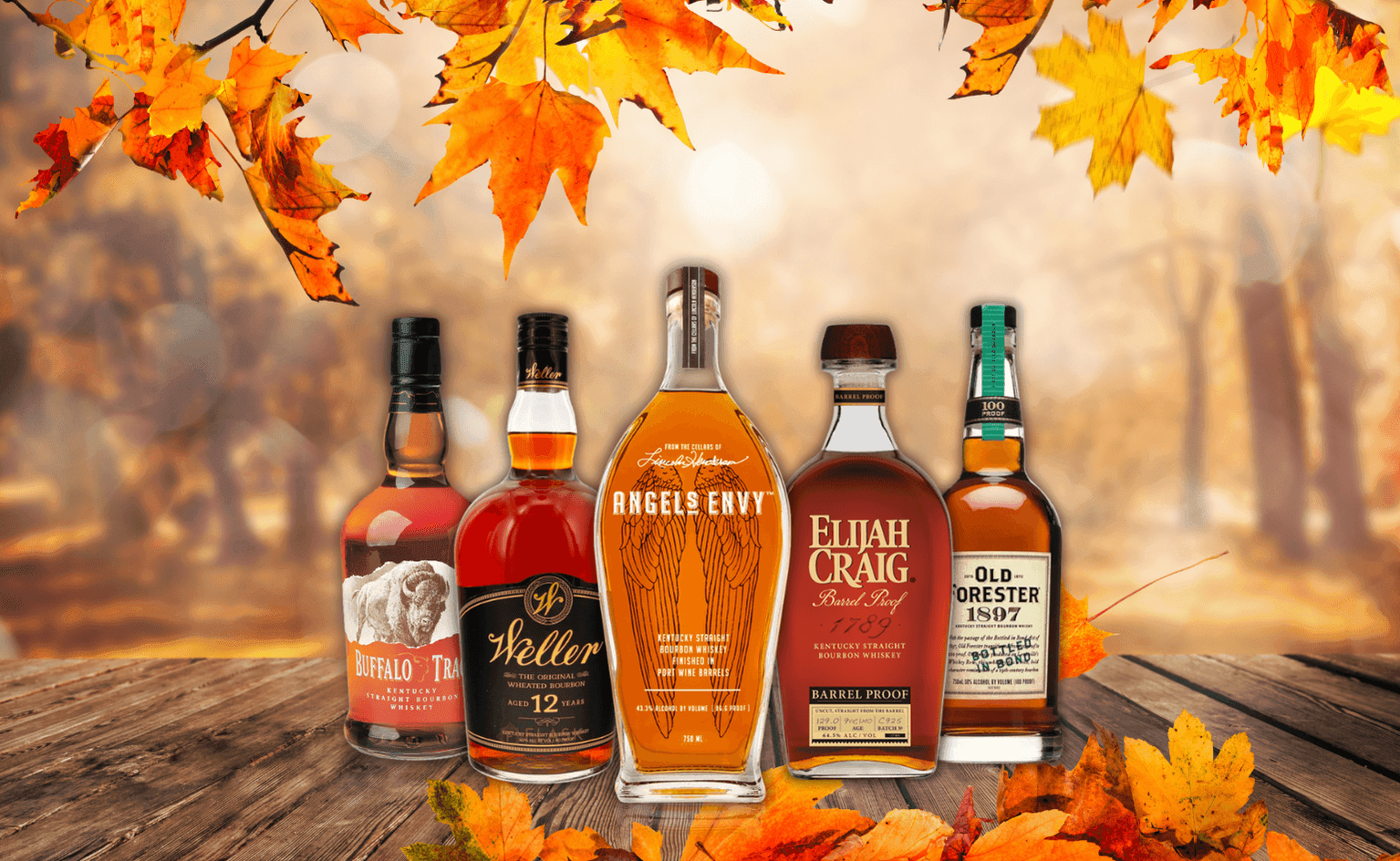
Examples such as Buffalo Trace (90 proof) and Wild Turkey 101 (50.5% ABV) demonstrate this approachable style’s broad appeal. Their moderate price points ($30–$50) make them reliable daily drinkers for novices and veterans alike.
High-Rye Bourbon
High-rye bourbons push flavour profiles toward bold spice—black pepper, cinnamon, nutmeg—with a drying finish that cuts through richer fare like smoked meats. Rye content often exceeds 18%, sometimes reaching 27–35%.
Notable examples include Four Roses Single Barrel (35% rye) at 50 dollars retail and Bulleit (28% rye). These bourbons are prized for their complexity in stirred cocktails like Old Fashioneds or neat pours that highlight their peppery character.
Wheated Bourbon
Wheated bourbons substitute wheat for rye as the secondary grain (typically 14–20%), creating softer mouthfeels with vanilla, honey, and biscuit notes. Maker’s Mark (16% wheat) exemplifies this silky smoothness at around $38 retail.
Wheaters appeal as entry points for newcomers or nightcaps for seasoned drinkers seeking creaminess without harsh spice. Scarcity can drive secondary prices sharply higher—as seen with Weller 12 Year Old fetching $150 despite a $45 retail price.
Exploring Additional Bourbon Styles
Bottled-in-Bond Bourbon
Bottled-in-Bond bourbons represent quality signals beyond their mandated 100 proof strength. The Bottled-in-Bond Act of 1897 requires production within one distillation season by one distiller at one distillery; minimum four-year ageing in federally bonded warehouses; no additives.
This guarantees consistency and traceability. Examples like Old Forester 1897 Bottled-in-Bond highlight robust oak, baking spice, and leather notes at affordable prices ($25–$50). Bartenders prize them for cocktail backbone; collectors appreciate their snapshot-of-time character.
Barrel-Proof Bourbon
Barrel-proof bourbons are bottled undiluted at whatever proof emerges from ageing—often between 108 and 142 proof—offering concentrated aromas like toffee, dark fruit, charred oak; palate weight coats the tongue; finishes linger extensively.
Popular releases include Elijah Craig Barrel Proof ($75 retail), Stagg Jr., and Booker's. While intense heat may limit cocktail use, contemplative sipping rewards attention to evolving flavours. Secondary markets value barrel-proof editions highly when proof exceeds 130.
Finished and Single-Barrel Bourbons
Finished bourbons undergo secondary maturation in casks previously holding sherry, port, rum or wine for months or years. This adds novel layers—nutty oxidative notes from sherry casks or tropical sweetness from rum casks—broadening appeal beyond traditional bourbon drinkers.
Angel’s Envy port-finished bourbon ($55) offers cherry and maple syrup notes that attract wine lovers; Yellowstone Special Finishes explore rum-cask variants adding complexity without masking corn sweetness.
Single-barrel bourbons bottle all liquid from one barrel without blending; profiles vary by rickhouse floor due to temperature differences affecting maturation speed. Examples like Blanton’s ($160 secondary) provide treasure-hunt excitement as each barrel’s unique character appears only once.
This style suits enthusiasts who enjoy variability and provenance details like barrel number or bottling date; versatile enough for cocktails or neat sipping depending on proof.
Market Dynamics: Understanding Value and Demand
Bourbon styles exert strong influence on secondary market behaviour and collector interest. Traditional balanced bourbons dominate for versatility and accessibility; high-rye styles attract spice aficionados willing to pay moderate premiums; bottled-in-bond expressions offer government-backed quality at value prices.
Barrel-proof bourbons command premiums when proofs exceed 130 due to intensity enthusiasts’ demand; single-barrel programmes appeal through exclusivity but require research to identify standout barrels amid variability.
Wheated bourbons show tension between brand legacy driving high secondary prices (e.g., Weller 12 Year Old) versus newer wheated releases sitting on shelves at retail price points.
Finished bourbons occupy niche roles where novelty matters more than daily drinkability; double-barrel bourbons remain least common but reward those seeking amplified oak influence without extreme proof.
Collectors benefit from balancing stylistic diversity with concentration in proven styles that maintain consistent demand regardless of hype cycles or market volatility.
You can see how October’s surge in new releases highlights this variety — understanding these styles helps buyers evaluate which drops merit investment or inclusion in their collections rather than chasing every hyped bottle.
Future Outlook: Trends and Considerations for Collectors
Looking ahead, several factors may reshape bourbon style preferences and market dynamics:
- Retail data suggests demand shifting away from extremely high-proof barrels (>130 proof) toward more moderate proofs (100–110), indicating peak intensity interest among casual drinkers may have passed even as hardcore collectors chase rare “hazmat” bottlings above 140 proof.
- The secondary market declined about 11% in 2024 amid economic headwinds; scarcity-driven premiums are moderating as distilleries increase production.
- Wheated bourbons illustrate this tension: legacy brands maintain strong secondary premiums while newer entries struggle at retail.
- Authenticity questions surround finished bourbons—do extended finishing periods dilute true bourbon character?
- Proliferation of single-barrel store picks risks diluting treasure-hunt appeal through over-saturation.
- Emerging four-grain mash bills incorporating corn, rye, wheat and malted barley may add complexity but remain niche.
- Climate change introduces uncertainty around ageing dynamics due to altered temperature cycles affecting maturation speed and flavour development.
For collectors navigating these shifts alongside October’s release avalanche, prudent strategies combine owning examples across multiple archetypes with focus on traditional balanced, high-rye, and bottled-in-bond styles that consistently retain value.
Enjoy responsibly — please drink in moderation.
FAQs
What defines a high-rye bourbon compared to other styles?
High-rye bourbons contain more than 18% rye grain in their mash bill—often reaching up to 35%. This higher rye content imparts distinctive spicy notes such as black pepper, cinnamon, nutmeg, and clove with a drying finish that pairs well with rich foods like smoked meats.
How does bottled-in-bond status affect bourbon quality?
Bottled-in-bond bourbons adhere to strict legal standards ensuring one distillation season by one distiller at one distillery; minimum four-year ageing in bonded warehouses; no additives aside from water; bottled at exactly 100 proof. These rules guarantee consistency and traceability that many collectors value as quality signals.
Are barrel-proof bourbons suitable for cocktails?
Barrel-proof bourbons are bottled undiluted at high proofs (often above 120), delivering intense flavours but also strong alcohol heat. They are best enjoyed neat or with a few drops of water rather than in most cocktails where they can overpower other ingredients.
How can I find rare single-barrel bourbon releases?
Spiritory offers verified listings of single-barrel bourbons complete with detailed provenance such as barrel numbers and rickhouse locations. This transparency helps enthusiasts identify unique barrels prized for their distinct profiles beyond standard batch offerings.
Why do wheated bourbons sometimes command high secondary prices?
Wheated bourbons substitute wheat for rye as the secondary grain producing softer mouthfeels popular among novices. Scarcity of allocated brands like Weller twelve-year combined with brand legacy drives strong secondary market premiums despite relatively modest retail pricing.
About the author

Max Rink
I'm a whisky enthusiast and a writer in the making. I enjoy exploring new flavors, learning about the history behind each bottle, and sharing what I discover along the way. This blog is my space to grow, connect, and raise a glass with others who love whisky as much as I do.
To the author