

Reach thousands of whisky and spirits lovers every day.


28.11.2023
The Fascinating World of French Wine
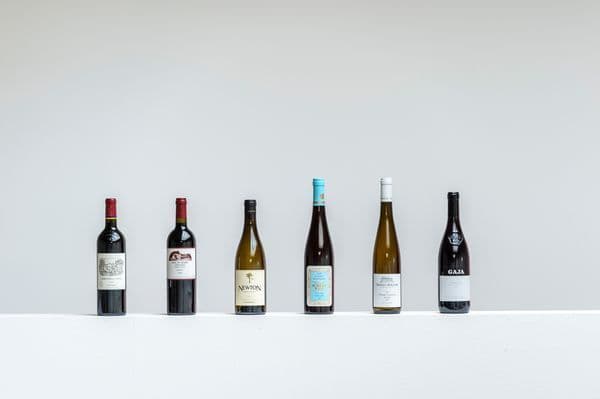
The Fascinating World of French Wine
The fascinating world of French wines is vast. The many wine names, regions, appellations, grape varieties, and so on might seem confusing indeed! But don't worry, we're here to help you navigate this complex landscape.
French wine is produced all throughout France, in quantities between 50 and 60 million hectolitres per year, or 7–8 billion bottles. France is one of the largest wine producers in the world, alongside Italian, Spanish, and American wine-producing regions.
French wine traces its history to the 6th century BC—far longer than most other wine-producing countries! The wines produced range from expensive wines sold internationally to modest wines usually only seen within France such as the Margnat wines were during the post war period.
So what makes French wine so special? Two concepts central to the better French wines are the notion of terroir, which refers to the specific geographical location and environment in which a wine is produced, and the Appellation d'origine contrôlée (AOC) system which regulates the wines produced in each specific region.
We could go on and on about the fascinating world of French wine, but we'll save that for another day. For now, we hope this basic guide will give you a helpful overview of what to expect when exploring French wines. Santé!
A brief history of French wine
French wine has a long and storied history, dating back to the 6th century BC. Wine production in France is believed to have originated with the ancient Gauls, who were some of the earliest European winemakers. The Romans also played a large role in French wine production, and many of France's wine-producing regions date their history back to Roman times.
Over the centuries, French winemaking techniques have evolved and changed considerably. In recent decades, French vintners have become increasingly focused on producing high-quality wines that reflect the unique terroir of their regions. The result has been a series of world-class wines that are among the most coveted in the world.
So what makes French wine so special? There are many factors, but two of the most important are the notion of terroir and the Appellation d'origine contrôlée (AOC) system. Terroir refers to the specific geographical location and environment in which a wine is produced, while AOC regulates the wines produced in each specific region. These two factors combine to create a uniquely French wine culture that is unlike any other in the world.
How to select a good French wine French wine is full of surprises and has a long history. We want to show you how to find the best wines for you.
The first step in selecting a good French wine is to decide what type of wine you are looking for. Are you looking for a red wine, a white wine, or a sparkling wine?
Once you have decided on the type of wine you are looking for, you can begin to narrow down your options.
You should know these terms and categories:
Terroir
Terroir is a French word that refers to the specific geographical location and environment in which a wine is produced. The terroir of a region can include everything from the climate and soil type to the local grape varieties and winemaking traditions.
All of these factors combine to create a unique terroir that gives each French wine its own distinctive flavor and character.
Appellation d'origine contrôlée (AOC)
The Appellation d'origine contrôlée (AOC) system is a French wine classification system that regulates the wines produced in each specific region. AOC wines must meet strict production requirements, including grape variety, vintage, and terroir. The goal of the AOC system is to ensure the quality and authenticity of French wines.
Most products with an AOC designation also have a protected designation of origin (PDO) (appellation d'origine protégée, AOP) under EU law and UK law. For those products, only the PDO or AOP designation can be used. However, wines with a PDO/AOP status can still use the French AOC designation.
There are currently over 400 AOC-regulated wine regions in France, each with its own unique characteristics. The best way to learn about the AOC system is to explore the wines of different regions and taste the differences for yourself.
Some of the most famous AOC-regulated wine regions in France include Bordeaux, Burgundy, Champagne, and the Rhône Valley. Each of these regions produces a wide variety of wines, from everyday table wines to the world's most coveted luxury wines.
Categories of French Wine
There are three categories of French wine, each with its own unique characteristics:
Appellation d'origine contrôlée: The highest level of french wine Vin de Pays: Under this category, all the non-AOC country wines that do not qualify as AOC appellations fall. It has only permissive criteria for grape variety and production methods. Table Wine (also known as Vin de France/Vin de Table): These are the most basic and affordable French wines. Table wines can be either red or white, and they are typically light-bodied and easy to drink. Another category, but no longer allowed, but worth mentioning:
Appellation d'Origine Vin De Qualité Supérieure (AOVDQS): It is one of the worlds finest red wines. It's available in a variety of bottles, including magnums and special bottlings. Although it is slightly worse than AOC wines, it comes close to them in terms of quality.
AOVDQS stands for the quality designation formerly used in France, which was created in 1949 as a preliminary stage for the highest quality level AOC (now AOP). It was only allowed until the end of 2012 with the EU wine market regulation in force from 2009.
For the high classification to AOP, the production conditions must be prepared according to AOP standards and the relation to the terroir must be proven. Otherwise, classification is downgraded to IGP (Indication Géographique Protégée).
The different types of French wine
There are many different types of French wine, each with its own unique characteristics. Some of the most popular types include red wine, white wine, rosé wine, and sparkling wine.
Red wine is the most popular type of French wine, accounting for about 60% of all wines produced in France. The majority of French red wines are made from a blend of several different grape varieties, including Cabernet Sauvignon, Merlot, and Pinot Noir. These wines are typically full-bodied with firm tannins and complex flavor profiles.
White wine is the second most popular type of French wine, accounting for about 30% of all wines produced in France. White wines can be made from a single grape variety or a blend of several different varieties. The most popular white grapes used in French wine include Chardonnay, Sauvignon Blanc, and Chenin Blanc. These wines are typically light-bodied with refreshing acidity and delicate flavor profiles.
Rosé wine is a type of French wine that is made from a blend of red and white grapes. Rosé wines are typically light-bodied with a slight sweetness and fruity flavor profile.
Sparkling wine is a type of French wine that is made using the traditional Champagne method. Sparkling wines are typically dry with high acidity and lively bubbles. The most popular types of French sparkling wine include Champagne, Crémant, and Cava.
The different regions of France
France is divided into many different wine-producing regions, each with its own unique climate, soil type, and grape varieties. The most famous wine regions of France include Bordeaux, Burgundy, Champagne, and the Rhône Valley.
Bordeaux is a large wine-producing region located in southwestern France. The region is known for its red wines, which are typically made from a blend of Cabernet Sauvignon and Merlot grapes. Bordeaux wines are typically full-bodied with firm tannins and complex flavor profiles.
Burgundy is a small wine-producing region located in eastern France. The region is known for its Pinot Noir wines, which are typically light-bodied with delicate flavor profiles.
Champagne is a sparkling wine-producing region located in northeastern France. Champagne wines are typically dry with high acidity and lively bubbles.
The Rhône Valley is a large wine-producing region located in southeastern France. The region is known for its red wines, which are typically made from a blend of Grenache, Syrah, and Mourvèdre grapes. Rhône Valley wines are typically full-bodied with soft tannins and complex flavor profiles.
How to Choose the Right French Wine
With so many different types of French wine to choose from, it can be tough to know where to start. Here are a few tips to help you choose the right French wine for your next meal or gathering:
- Consider what type of food you will be serving. Red wines are typically best paired with heartier dishes, while white wines and rosés are better suited for lighter fare.
- Think about the time of year. In general, heavier red wines are better suited for colder months, while lighter whites and rosés are ideal for summertime sipping.
- Choose a wine that is within your budget. French wines can range in price from very affordable to quite expensive.
- Ask your local wine shop owner or restaurant sommelier for recommendations. They will likely be able to point you in the right direction based on your specific preferences.
- Spiritory gives you the best wine recommendation to invest! Check our Social Media Channels!
Now that you know a little bit more about French wine, it's time to start exploring! With so many different types and styles to choose from, there's sure to be a French wine that you'll love.
How to store and serve French wine
When storing French wine, it's important to keep it in a cool, dark place. Storing wine in a warm or sunny location can cause it to spoil.
When serving French wine, it's best to serve it at room temperature. Red wines should be served in large glasses that allow the wine to breathe. White wines and sparkling wines should be served in smaller glasses to prevent them from getting too cold. Rosé wines can be served in either type of glass.
How to invest in French wine?
There are many ways to invest in French wine. One way is to invest in a vineyard. This can be a costly investment, but it can also be a very lucrative one. If you are not able to purchase a vineyard, you can also invest in wine futures.
Wine futures are a type of investment where you purchase wine that has not been released yet. This wine is usually stored in a wine cellar until it is ready to be shipped.
You can also invest in wine stocks. Wine stocks are shares of a company that produces wine. This is a less risky investment than purchasing a vineyard, but it does come with its own risks.
Tips for investing in French Wine
If you are looking to invest in fine wine, there are a few things you should keep in mind. Here are a few tips:
- Do your research. Make sure you know about the different types of wine and the regions where they are produced. This will help you make informed decisions when investing in wine.
- Learn about the different types of grapes used to make wine. This will help you understand the different flavors and aromas associated with various wines.
- Be aware of the risks involved in wine investing. Wine is a volatile investment and prices can go up or down quickly. Make sure you are comfortable with the risks before investing in wine.
- Have a plan. Know what you hope to achieve by investing in wine and stick to that plan. Whether you are looking to make a short-term profit or build a collection that will be appreciated over time, have a goal in mind and stick to it.
Check our website www.spiritory.com for French wine!