

Reach thousands of whisky and spirits lovers every day.


31.03.2026

How to Store Whisky After Opening So It Keeps Its Character
How to Store Whisky After Opening So It Keeps Its Character
You might wonder if whisky goes bad once you pop that cork. The good news? Whisky doesn’t spoil like milk, but its flavor and aroma can fade if you don’t store it right. Air, light, and temperature can change your drink over time. > Here’s a tip: simple habits make a big difference. You can keep your favorite bottle tasting great with just a few easy steps.
Key Takeaways
Stand whisky bottles up to keep the cork safe and stop air from getting in.
Put your whisky in a cool and dark spot to keep its taste and smell good.
Close bottles tightly every time you pour to slow down oxidation and keep the flavor.
Drink opened bottles within a year for the best taste.
Use smaller bottles when there is not much whisky left to lower air contact.
Does Whisky Go Bad?
You probably wonder if your favorite bottle stays good after you open it. The truth is, whisky doesn’t spoil like food, but it can lose its magic over time. Let’s break down what happens once you crack that seal.
How Long Opened Whisky Lasts
Once you open a bottle, the clock starts ticking. You don’t need to rush, though. Most opened bottles stay tasty for at least a year if you store them well. If you keep the bottle two-thirds full or more, you can enjoy it for even longer. When the bottle gets low, air takes up more space and speeds up changes.
Here’s a quick guide:
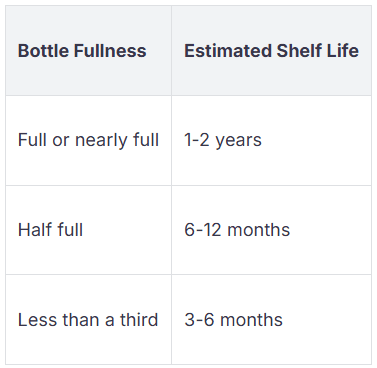
Tip: If you plan to keep a bottle for a while, try to finish it before it gets too low. Smaller bottles help slow down changes.
What Changes After Opening
You might notice subtle shifts in flavor and aroma. Air sneaks in every time you pour a glass. Over weeks and months, whisky can taste softer or lose some punch. Sometimes, you’ll spot a change in color or smell. The spirit might feel less lively or complex.
The main changes include:
Loss of aroma
Milder taste
Fading color
You won’t see mold or anything dangerous, but the character fades. If you want to keep your whisky tasting bold, pay attention to storage. Simple steps make a big difference.
Why Storage Matters
Preserving Flavor and Aroma
You want your whisky to taste as good as the day you opened it. Storage plays a big role in keeping those flavors and aromas alive. When you leave a bottle open for too long, air starts to change the liquid inside. Oxidation happens as air reacts with the whisky, causing the molecules that give it flavor and aroma to fade away. Over time, you might notice the color gets lighter and the finish feels less smooth. If you store your bottle for more than a year after opening, the taste can become bland and the aroma less exciting.
Tip: Try to enjoy your whisky within a year after opening. You’ll get the best flavor and aroma this way.
Scientists have found that the air around whisky casks affects the taste. For example, sea air near distilleries like Talisker can add salty, briny notes. Oak casks also give whisky its unique flavors, but their power fades as they age. Fresh casks add the most flavor, while older casks still help but not as much. The location and conditions of storage matter a lot for the final taste.
Key factors that impact flavor and aroma:
Air quality and exposure
Type and age of cask
Storage location and conditions
Protecting Your Investment
If you collect bottles or save special ones for later, you want them to stay valuable. Proper storage keeps your whisky in top shape and protects your investment. Keeping bottles upright prevents cork damage. A cool, stable environment stops temperature swings from hurting the quality. Blocking sunlight keeps the whisky’s integrity safe. Humidity control stops corks from shrinking and leaking.
Simple steps to protect your collection:
Store bottles upright
Keep them cool and away from sunlight
Watch humidity levels
You don’t need fancy equipment. Just a little care goes a long way. When you store your whisky right, you keep both the taste and the value strong.
Threats to Opened Whisky
When you open a bottle, a few sneaky threats can start to change your whisky. Let’s look at what you need to watch out for.
Air and Oxidation
Every time you pour a dram, air slips into the bottle. Oxygen starts to react with the whisky. This process is called oxidation. At first, you might notice the flavor gets richer or more complex. Some whiskies even taste better after a few weeks. Over time, though, too much air can make your drink taste flat or dull. The aroma fades, and the special notes you love can disappear.
Air exposure can:
Change the flavor, sometimes in a good way at first
Make whisky taste bland if left too long
Affect each bottle differently, depending on age and cask type
If your bottle is mostly full, you have more whisky than air, so changes happen slowly. When the bottle gets low, oxidation speeds up. Try to finish nearly empty bottles sooner to keep the best taste.
Light Exposure
Sunlight and bright indoor lights can harm your whisky. Light causes a reaction called photo-oxidation. This can break down the flavors and even change the color. Clear bottles are most at risk, but all bottles need protection from light.
Keep bottles in a dark spot, like a cupboard or closed cabinet.
Avoid displaying them near windows or under strong lights.
Tip: A cool, dark place helps your whisky keep its character.
Temperature Fluctuations
Whisky likes steady, cool temperatures. Big swings in heat or cold can damage the flavor. Experts recommend storing opened bottles around 15°C (59°F). Don’t put whisky in the fridge or freezer. Cold can hide the flavors and make the drink less enjoyable.
Store bottles away from heaters, ovens, or sunny spots.
Choose a place where the temperature stays steady.
If you protect your whisky from air, light, and temperature swings, you’ll keep it tasting great for much longer.
Whisky Storage Tips
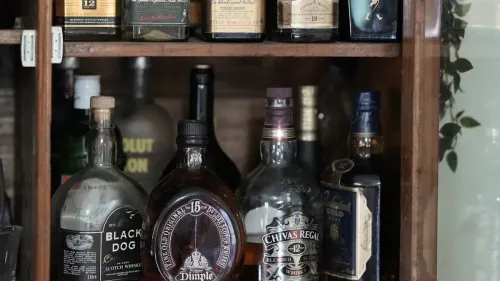
You want your whisky to taste great every time you pour a glass. Good storage habits help you keep its character and enjoy every drop. Here are some simple tips you can follow at home.
Store Upright
Always keep your whisky bottles standing up. This helps in two big ways. First, it keeps the cork from drying out, which means you get a better seal and less air sneaks in. Second, storing bottles upright stops the whisky from touching the cork. Unlike wine, whisky does not need to stay on its side. If the liquid sits against the cork for too long, it can break down the cork and change the taste.
Storing upright reduces air exposure and slows down oxidation.
The cork stays moist from the air inside the bottle, not the liquid.
You avoid leaks and keep the seal tight.
Tip: Only lay a bottle down if you plan to finish it soon. For long-term storage, upright is best.
Keep Cool and Dark
Whisky likes a steady, cool home. Heat and sunlight can speed up changes in flavor and color. If you leave a bottle in a warm or sunny spot, the taste can fade faster. A cupboard, closet, or cellar works well. Try to pick a place where the temperature stays the same all year.
Light breaks down the flavors and can even change the color.
Heat makes the whisky age faster and can cause the cork to shrink.
A cool, dark spot helps your whisky last longer and taste better.
Here’s a quick look at storage tips for different situations:
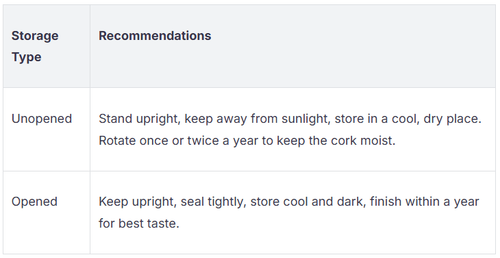
Note: If you live in a hot climate, avoid storing bottles near windows or heaters. Even a small closet can work if it stays cool.
Seal Tightly
Air is the biggest enemy of opened whisky. Every time you open the bottle, a little more air gets inside. This starts to change the flavor. You can slow this down by making sure the cap or cork is tight after every pour. Some people use special whisky caps or even a bit of plastic wrap for an extra seal.
Always close the bottle right after pouring.
Check the cap or cork for a snug fit.
If you have less than half a bottle left, think about pouring the rest into a smaller bottle. This leaves less air inside and keeps the whisky fresher.
Tip: A bottle that’s two-thirds full and stored well can keep its flavor for at least a year. If you want to save a special bottle, try not to let it get too empty before finishing it.
By following these easy steps, you help your whisky keep its bold taste and aroma. You also protect your investment and make every sip as good as the first.
Advanced Storage Methods
Sometimes you want to keep your whisky fresh for longer. You can try a few advanced tricks to help your bottle stay tasty and lively. Let’s look at some smart ways to protect your drink.
Use Smaller Bottles
When your bottle gets low, you can pour the rest into a smaller container. This simple move helps your whisky last longer. Smaller bottles mean less air inside. Less air slows down oxidation and keeps the flavor strong.
Transferring whisky to smaller bottles reduces oxidation.
It prolongs the shelf life by minimizing air contact.
You can use glass bottles with tight caps. Make sure they are clean and dry before you fill them. This method works well if you want to save a special dram for later.
Tip: If you have several bottles with just a little left, combine them in one small bottle to keep them fresh.
Avoid Temperature Swings
Whisky does not like big changes in temperature. If you store your bottle in a place where it gets hot and cold often, the flavor can fade. Try to pick a spot where the temperature stays steady. Basements, closets, or cabinets work well.
You can use a table to check good storage spots:
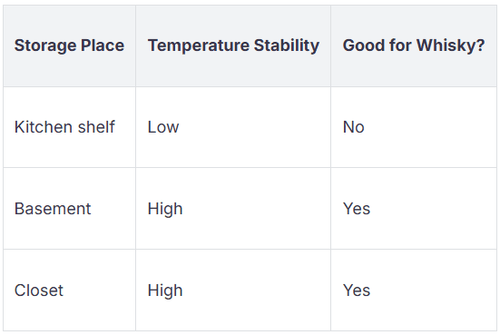
Keep your bottle away from heaters, windows, and appliances. This helps your whisky keep its character.
Consider Inert Gas
You can use inert gas to protect your opened bottle. Inert gas pushes out the air and stops oxidation. Many people use systems made for wine, but they work for spirits too.
Opened bottles lose flavor after about two years.
Vaporizing with inert gas helps maintain full flavor.
Inert gas systems designed for wine are also effective for whisky.
You spray the gas into the bottle before sealing it. This method is great for high-quality bottles you want to keep at their best.
Note: Inert gas is safe and does not change the taste. It just keeps your whisky fresh.
Whisky Deterioration Signs
You want to know if your whisky is still good after sitting on the shelf. Sometimes, you notice changes that tell you the bottle is past its prime. Let’s look at the signs you should watch for.
Changes in Smell or Taste
When you open your bottle, take a sniff. If the aroma seems weak or flat, your whisky might have lost its character. You may notice the taste feels dull or watery. Sometimes, the flavors you loved disappear, and the drink feels lifeless. If you sense a strange smell, like wet cardboard or musty air, that’s a warning sign. You might even taste bitterness or sourness that wasn’t there before.
A fresh bottle gives you bold aromas and rich flavors.
A deteriorated bottle feels bland and lacks excitement.
Odd smells or tastes mean it’s time to finish the bottle or let it go.
Tip: Trust your senses. If your whisky doesn’t smell or taste right, it’s probably not at its best.
Cloudiness or Sediment
You pour a glass and see something floating or notice the liquid looks cloudy. That’s a sign your whisky has changed. Several things can cause this:
Minerals in the water used during distillation, like calcium and magnesium, sometimes show up as sediment because they don’t dissolve well in alcohol.
If you mix whisky with bottled water that has lots of minerals, such as Evian or Fiji, you might see white flakes or cloudiness.
Temperature swings can make dissolved minerals come out of the liquid, leading to sediment or a cloudy appearance.
Cloudiness doesn’t always mean your whisky is unsafe, but it does signal a change in quality. If you see sediment or haze, check the smell and taste before you drink.
Note: Clear whisky with a lively aroma usually means your bottle is still in good shape.
You want every glass to taste as good as the first. Here’s a quick recap to help you keep your whisky in top shape:
Store bottles upright to protect the cork and prevent leaks.
Choose a cool, dark spot away from sunlight and heat.
Keep the temperature steady, between 59°F and 68°F.
Seal bottles tightly after each pour.
A little care goes a long way. When you follow these steps, you keep the flavor, aroma, and value of your whisky for much longer. Enjoy your favorite bottle while it’s at its best!
FAQ
How long does opened whisky stay good?
You can keep opened whisky tasting great for about a year if you store it well. If your bottle is mostly full, it lasts even longer. Finish nearly empty bottles sooner for the best flavor.
Can I store whisky in the fridge?
You don’t need to put whisky in the fridge. Cold temperatures can hide the flavors. Keep your bottle in a cool, dark place instead. Room temperature works best.
What should I do if my whisky looks cloudy?
Cloudy whisky usually means temperature changes or minerals caused it. Check the smell and taste. If it still smells and tastes good, you can drink it. If not, it’s time to let it go.
Is it safe to drink whisky after a year?
Yes, whisky stays safe to drink after a year. The taste and aroma might fade, but it won’t spoil like milk. If you notice odd smells or flavors, finish the bottle soon.
About the author

Max Rink
I'm a whisky enthusiast and a writer in the making. I enjoy exploring new flavors, learning about the history behind each bottle, and sharing what I discover along the way. This blog is my space to grow, connect, and raise a glass with others who love whisky as much as I do.
To the author