

Reach thousands of whisky and spirits lovers every day.


17.11.2025

Top 10 Scotch Regions and Styles for Long-Term Collectors
Top 10 Scotch Regions and Styles for Long-Term Collectors
Introduction: The Shift in Whisky Investment
The whisky investment landscape is undergoing a significant transformation in 2025, driven by increased interest in younger Scotch distilleries and the rise of digital whisky investment platforms. This shift is not merely a trend but a generational change that is reshaping how collectors and investors approach Scotch whisky portfolios across Europe. Digital platforms have democratized access to whisky as an asset class, lowering traditional barriers and inviting a new wave of first-time collectors into the market.
Younger distilleries such as Ardnamurchan and Nc'nean are gaining traction among early adopters, challenging the dominance of established names like The Macallan and Glenfiddich. This evolving environment highlights the importance of understanding Scotch's regional diversity—not just for appreciating flavour profiles but as a strategic foundation for building resilient, long-term collections. As portfolio managers recalibrate their strategies, regional character and maturation tendencies remain pivotal to navigating both classic and emerging distilleries with confidence.
The Importance of Regional Diversity
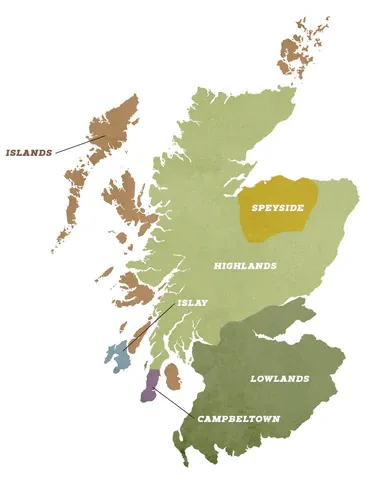
Scotch whisky is traditionally divided into five defined regions—Speyside, Highland, Islay, Lowland, and Campbeltown—each offering distinct flavour profiles and maturation characteristics that profoundly influence collectability and investment potential. Understanding these regional nuances is essential for collectors seeking to build portfolios that balance risk, liquidity, and sensory variety.
Speyside is renowned for its fruity, smooth whiskies often matured in sherry casks, delivering rich layers of dried fruit and oak complexity. The Highlands cover a vast area with diverse styles ranging from light and fruity to robust and peaty coastal expressions. Islay’s intense peat smoke character and maritime notes create a unique niche with cult-like collector enthusiasm. Meanwhile, the Lowlands provide elegant, floral drams with subtle complexity, and Campbeltown offers rarity through its limited production combined with rich, smoky profiles.
This regional diversity offers collectors a palette of tasting experiences while signalling different maturation tendencies and rarity signals that affect long-term value. In an era where younger distilleries are rising to prominence alongside established brands—and digital platforms facilitate broader market participation—regional knowledge becomes even more critical to constructing portfolios that withstand market fluctuations while capturing emerging opportunities.
Speyside: The Foundation of Collecting
Speyside stands as the cornerstone for many whisky collectors due to its density of distilleries and approachable flavour profile. Producing over half of Scotland’s malt whisky bottles globally, Speyside’s hallmark is its smoothness combined with fruity notes such as apple, pear, honey, vanilla, and gentle spice. The prevalent use of sherry casks adds layers of dried fruit, chocolate, and oak that develop gracefully over time.
For collectors, Speyside offers several advantages:
- Stable demand ensures consistent resale value even for mid-tier releases.
- Abundant supply provides accessible entry points for newcomers.
- Experimental releases by major brands inject excitement without sacrificing reliability.
Key Distilleries and Their Offerings
Notable Speyside distilleries like Glenfiddich and The Glenlivet exemplify the region’s style. Glenfiddich’s core range includes the 12 Year Old at 40% ABV—a smooth dram retailing between £40 and £60—which maintains stable auction prices. The Glenlivet similarly offers accessible expressions alongside innovative limited editions such as the 2025 Groundbreaker Collection Chapter One, blending tradition with experimentation.
Single malts aged 15 to 25 years in second-fill sherry hogsheads regularly fetch £150 to £400 at auction, reflecting a mature secondary market with stable appreciation. For those starting their collections or seeking reliable liquidity, Speyside remains an essential foundation combining flavour consistency with proven market performance.
Highland: A Kaleidoscope of Styles
The Highland region covers an expansive geographic area from near Glasgow to the northern coastlines, including island distilleries. This vastness results in an extraordinary range of styles that defy simple categorisation—making educated selection vital for collectors aiming to capture the region’s full potential.
Northern Highlands whiskies like Glenmorangie offer sweet, full-bodied drams with warming spice and subtle maritime influence. Eastern Highlands tend toward lighter orchard fruit notes; Southern Highlands produce softer, delicate whiskies; while Western Highlands showcase robust peated expressions shaped by coastal climates.
This stylistic breadth allows collectors to diversify within a single region while maintaining coherence in their portfolios. By combining mild northern Highland malts with richer southern or island expressions such as Talisker 10 Year Old (45.8% ABV), collectors gain resilience through variety without sacrificing brand prestige or secondary market appeal.
Notable Highland Distilleries
Key players such as Dalmore demonstrate the region’s rich character—its 12 Year Old at 43% ABV marries sherry and bourbon cask maturation for a sweet yet spicy profile. Retailing around £50 to £70, older vintages achieve auction prices between £90 and £180 due to consistent demand from collectors.
Similarly, Highland Park 12 Year Old, an island single malt aged in ex-bourbon and sherry casks at 43% ABV, offers honeyed raisins balanced by earthiness. Priced roughly £55 to £65 retail, it boasts remarkable depth that evolves over time—a benchmark bottle for newcomers seeking complexity within approachability.
Islay: The Cult Favorite
Islay holds a unique place in Scotch whisky collecting thanks to its intensely peated character coupled with maritime salinity and surprising sweetness beneath smoky depths. Home to nine active distilleries—including iconic names like Ardbeg, Lagavulin, and Laphroaig—Islay whiskies evoke passionate followings on the secondary market.
Their bold peatiness creates a distinctive sensory anchor in any collection but requires careful balancing due to its intensity. While not universally appealing on first encounter, Islay expressions command strong premiums fueled by limited production volumes and cult status.
Investment Potential of Islay Whiskies
For example, Lagavulin 16 Year Old (43% ABV), matured exclusively in ex-bourbon barrels, retails around £100 to £120 but regularly achieves auction prices exceeding £250 to £400 for older vintages—reflecting scarcity combined with brand reverence.
Similarly, Ardbeg 10 Year Old, bottled at 46% ABV without chill filtration, is valued between £45 and £60 retail yet fetches £150 to £300 at auction for special releases or aged bottles. These figures illustrate Islay’s strong appeal among both seasoned investors and younger collectors drawn by its unique flavour profile.
Lowland and Campbeltown: The Hidden Gems
Though smaller in scale than other regions, Lowland and Campbeltown whiskies offer compelling reasons for inclusion in diversified collections—particularly given their rarity and ageing potential.
Lowland whiskies are often characterised by lightness, floral elegance, and subtlety; they have been described as “breakfast whiskies,” but this underestimates their complexity when well-aged. For instance, Auchentoshan, known for triple distillation, produces expressions such as its 12 Year Old at 40% ABV that quietly outperform expectations at auction—especially cask-strength or non-chill-filtered editions prized by collectors.
Campbeltown once boasted over thirty distilleries but now sustains just three: Glen Scotia, Springbank, and Glengyle. This scarcity enhances their collectability significantly. Glen Scotia’s recent festival release won Gold at the 2025 Scotch Whisky Masters for balancing sweetness with maritime character; Springbank remains legendary for robust smokiness paired with limited annual output—its 10 Year Old at 46% ABV regularly fetches £150 to £250 at auction despite retail prices around £55 to £75.
Strategic Inclusion in Collections
Including Lowland and Campbeltown whiskies adds stylistic breadth while signalling conviction in smaller regions often overlooked by mainstream investors. As younger collectors seek authenticity over hype—and digital platforms widen access—these “hidden gems” provide both investment logic and genuine connection to Scotland’s whisky heritage.
Building a Balanced Whisky Portfolio
Constructing a long-term Scotch whisky collection requires deliberate regional allocation combined with attention to age statements, cask types, ABV levels, documentation quality, and market trends.
A recommended framework might allocate:
- 40% Speyside: Core liquidity from consistent demand.
- 30% Highland: Stylistic diversity across subregions.
- 15% Islay: Cult value with distinct peatiness.
- 10% Campbeltown: Rarity-driven contrarian positions.
- 5% Lowland: Elegance plus scarcity premium.
Within each region prioritise single malts aged between 12–25 years matured in sherry or ex-bourbon casks bottled at or above 46% ABV; non-chill-filtered bottles typically command higher flavour complexity and resale appeal.
Auction data from late 2024 through early 2025 reveals average annual appreciation rates between 11–13%, outpacing inflation while offering lower volatility compared to equities. Age statements remain crucial: older whiskies (30+ Years) achieve top premiums but require careful authentication due to counterfeiting risks.
Documentation integrity—including original boxes or certificates—is non-negotiable; absence can reduce value by up to 30%. For newcomers entering via digital platforms—a rising trend that complements interest in younger distilleries—professional guidance is essential to navigate provenance complexities confidently.
This balanced approach blends classic regional wisdom with modern market realities shaped by digital innovation—a synergy that equips collectors well for today’s dynamic whisky investment landscape.
FAQs
What makes regional diversity important when collecting Scotch whisky?
Regional diversity ensures your collection captures a broad spectrum of flavour profiles—from Speyside’s fruity smoothness to Islay’s bold peatiness—while balancing investment risk through varied maturation styles and rarity signals. A well-diversified portfolio benefits from different market dynamics across Scotland’s five key regions.
How do younger Scotch distilleries fit into long-term collections?
Younger distilleries like Ardnamurchan offer exciting growth potential but require careful selection due to shorter track records. Incorporating them alongside established brands enhances portfolio resilience by blending innovation with proven heritage—a strategy supported by insights available on Spiritory’s curated marketplace.
Why is documentation so critical when investing in whisky?
Proper documentation—including original packaging and certificates—authenticates provenance and preserves value. Bottles lacking these can see discounts up to 30%. Spiritory provides verified listings ensuring buyers access fully authenticated bottles backed by expert vetting.
Can digital platforms help new collectors enter the whisky investment market?
Absolutely; digital platforms democratise access by lowering entry barriers while offering professional guidance on provenance verification—a crucial factor given risks like counterfeiting or tariff fluctuations. Spiritory combines marketplace transparency with expert support ideal for first-time investors seeking quality assurance.
What age statements should I prioritise for investment-grade Scotch?
Whiskies aged between 12–25 years generally balance flavour complexity with affordability; however, expressions over 30 years old command premium prices due to rarity. Focus on bottles matured in sherry or ex-bourbon casks bottled at higher ABVs (46%+) without chill filtration for optimal collectability.
Explore this bottle on Spiritory today — trust your taste buds while building a future-proof collection!
About the author
Natalia Alejandrez Muñiz
I'm a whisky enthusiast and a writer in the making. I enjoy exploring new flavors, learning about the history behind each bottle, and sharing what I discover along the way. This blog is my space to grow, connect, and raise a glass with others who love whisky as much as I do.
To the author