



02.01.2026

How to Pair Whisky and Cigars: A Practical Guide
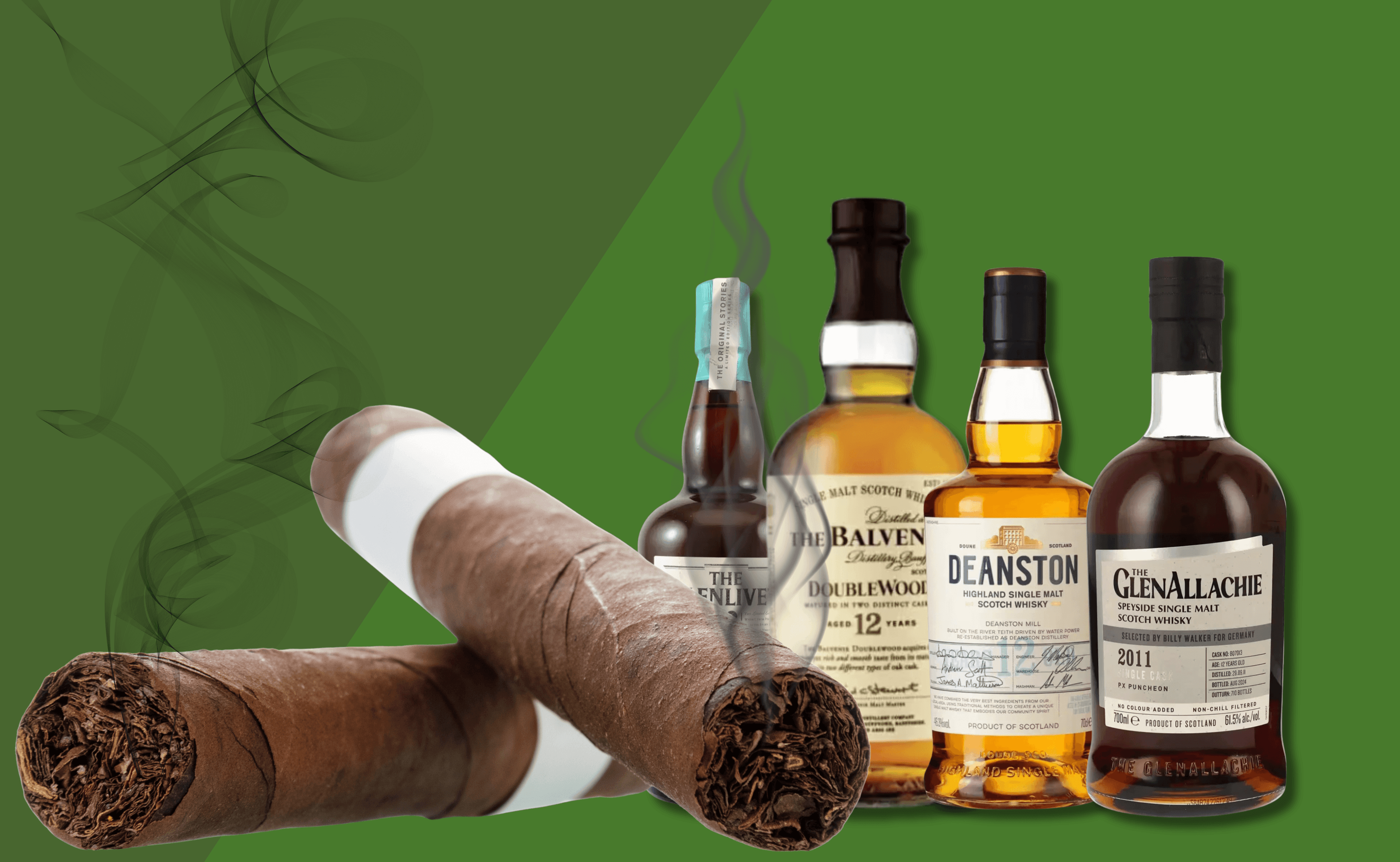
How to Pair Whisky and Cigars: A Practical Guide
1. A Brief History of the Pairing
The tradition of pairing whisky with cigars dates back to the late 19th and early 20th centuries, particularly in Scotland and the United States. Wealthy whisky aficionados would enjoy a dram after dinner while savoring a fine Cuban cigar. Over time, this combination became symbolic of leisure, contemplation, and craftsmanship — a celebration of the senses.Independent bottlers and craft distilleries have also contributed, experimenting with whiskies that naturally complement tobacco's complex flavors.
2. Why It Works — The Science and the Senses
-**Shared Flavor Profiles:** Many whiskies and cigars share smoky, spicy, or earthy notes. Peated whisky, for instance, can resonate with the natural tobacco aroma, creating harmony rather than contrast.-
Texture and Mouthfeel:
Whisky's viscosity and warming sensation can soften the cigar's bold smoke, while the cigar's oils can highlight hidden sweetness or spice in the whisky. -
Timing Matters:
Enjoying whisky before, during, or after a cigar changes the experience. Pre-smoking whisky can prime the palate; sipping alongside a cigar is the most immersive; finishing the dram after the cigar leaves lingering smoky sweetness.
3. Tips for Successful Pairing
1. Match Intensity:
- Light cigars → delicate single malts, low-peat whiskies, or grain whisky - Medium cigars → balanced whiskies with subtle smoke, spice, or fruit - Strong cigars → heavily peated or cask-finished whiskies (sherry, port, Madeira)1. Experiment with Cask Finishes:
Whisky aged or finished in port, sherry, or madeira casks often complements a cigar's sweetness, chocolate, or dried fruit notes.2. Mind the Sequence:
Take small sips and puffs — both are intense experiences. Alternate to avoid overwhelming your palate.3. Consider Aroma:
Often the combination is more about smell than taste. Allow the whisky's bouquet and the cigar's smoke to mingle in the air before inhaling or sipping.4. Personal Favorites and Classic Pairings
- Laphroaig 10 + Cuban Robusto: Smoky, iodine-rich whisky enhances the cigar's earthy and peppery notes.
- GlenDronach 12 Sherry + Maduro Wrapper: Sherry sweetness mirrors chocolate and dried fruit of the cigar.
- Macallan Rare Cask + Connecticut Wrapper: Smooth, fruity whisky balances delicate creaminess of a mild cigar.
- Ardbeg Uigeadail + Nicaraguan Full-bodied Cigar: Intense peat and spice meet bold tobacco, for an adventurous match.
Independent bottlers' cask experiments (port, madeira, and wine finishes) also provide exciting pairings, as the cask influence often mirrors the cigar's depth and complexity.
5. The Experience Beyond Taste
Whisky and cigars are as much about ritual as flavor: the preparation, the lighting, the pacing — all contribute to the pleasure. It's a slow, mindful experience that encourages appreciation of craftsmanship, not just consumption.Conclusion
So, is whisky and cigars a good combination? Absolutely — when approached thoughtfully. The key is balance: matching intensity, understanding flavor interactions, and savoring each sensory moment. When done right, the union is a celebration of complexity, warmth, and indulgence — an experience that lingers far beyond the last puff or sip.
About the author

Damian Baran
I am in love with the world of whisky since 2021 after the first films about testing and discovering flavors. the story began with a bottle of Talisker 10, earlier of course brands such as glendifich or johnie walker appeared but it was Talisker that opened my eyes to the diversity of flavors and scents. currently with over 800 whiskies tried and head over heels in love with the climates of islay. finds his flavors in bottles such as ardbeg or lagavulin but I also willingly reach for peated whiskies such as glendronach sweet fruity climates of Speyside.
To the author