



03.02.2026

How to Find Your Favorite Whisky Region
How to Find Your Favorite Whisky Region
In the world of whisky, sooner or later there comes a moment when you start noticing patterns in your choices. Some styles appeal to you more, others less. That's when whisky regions stop being theory and start becoming a practical tool for choosing your next bottles.
In this article, I’ll show you:
- how to identify your favorite region,
- which whiskies best represent it,
- and how to choose your first bottle once you know which direction to go.
Why do regions help when choosing whisky?
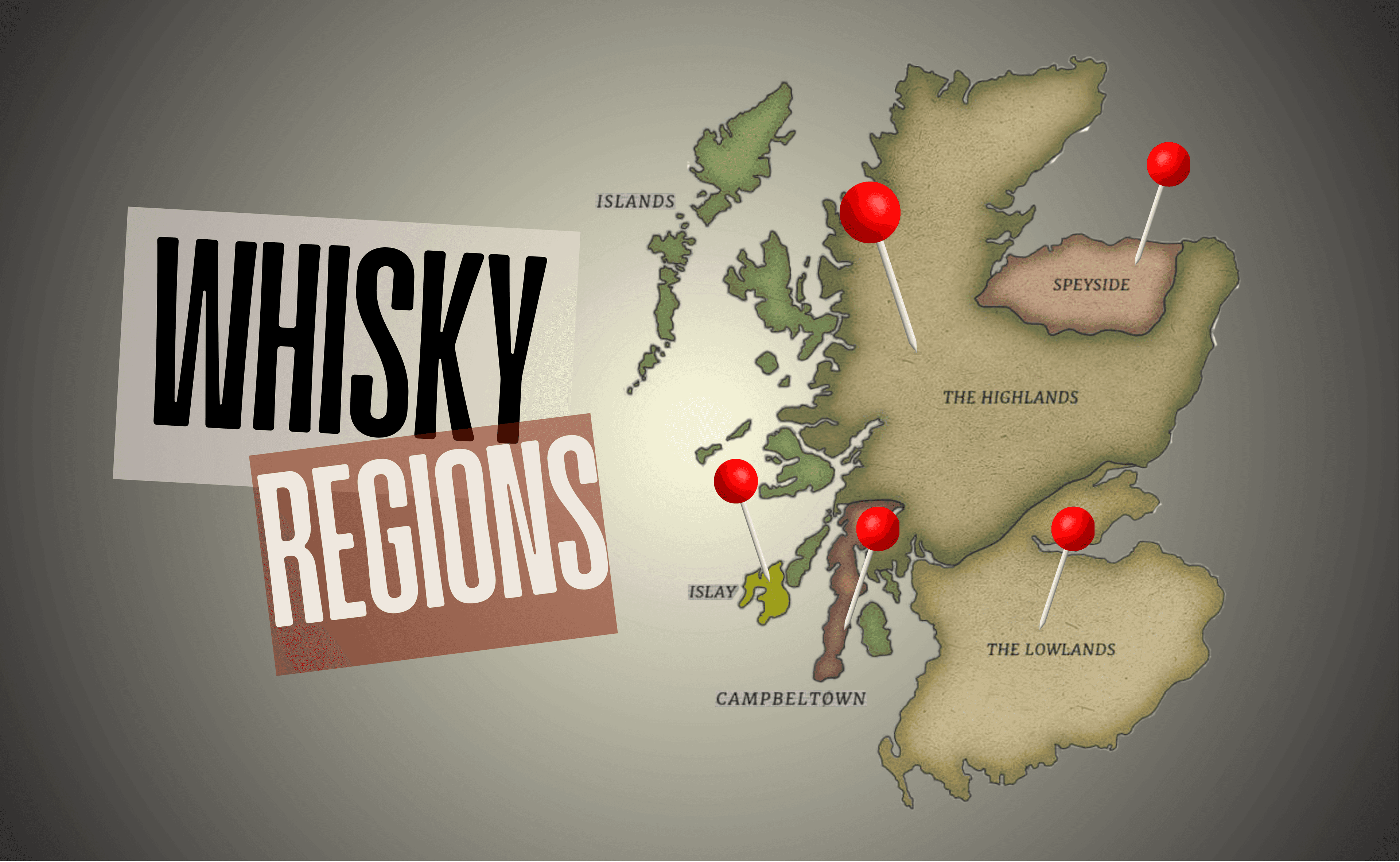
Whisky regions aren’t rigid rules, but they work like a flavor map. Climate, production traditions, and approaches to peat and cask use mean that whiskies from the same area often share a common character.
If you understand regions:
- you’ll more quickly find whiskies in your preferred style,
- you’ll reduce disappointing purchases,
- you’ll find it easier to build your own collection.
Speyside – gentleness, fruitiness, and balance
Regional profile: fruity, slightly sweet, often sherried, very approachable
Typical notes: apple, pear, honey, vanilla, dried fruit
For whom: for beginners and those who value elegance and smoothness
Representative bottles:
-
Glenfiddich 12 – a classic, light, and very clear Speyside style
-
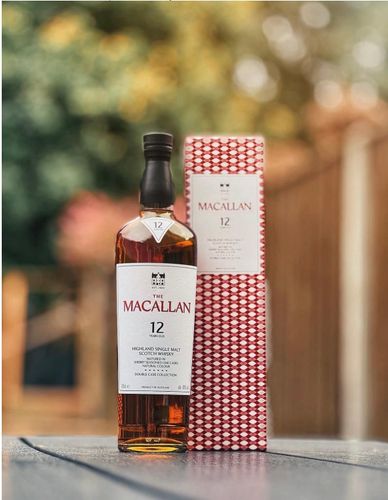
The Macallan 12 Sherry Oak – sherry cask influence at its best
- The Singleton 15 – soft, creamy, and a “safe” choice
A sign this is your region: if smoke tires you and you want whisky to be enjoyable from the very first sip.
Highlands – diversity and a classic Scotch foundation
Regional profile: from light and honeyed to dry and lightly smoky
Typical notes: honey, orchard fruits, spices, sometimes smoke
For whom: for those who don't want to lock themselves into a single style
Representative bottles:
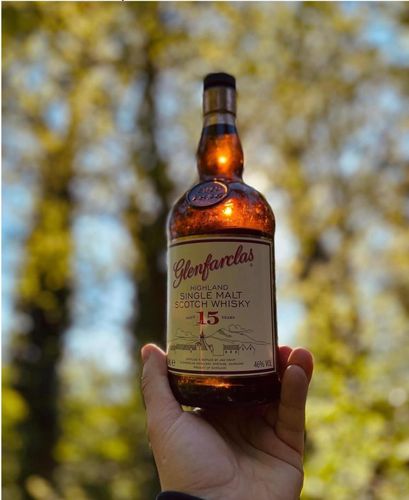
- Glenfarclas 15 – rich sherry and classic structure
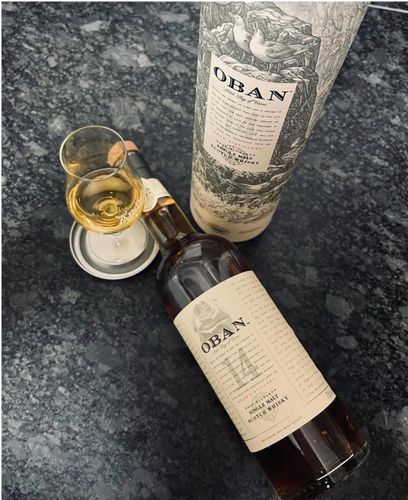
- Oban 14 – an elegant balance of sweetness, maritime notes, and light smoke
A sign: if you enjoy discovering different faces of whisky and don't have one dominant preference.
Islands – maritime character and moderate smoke
Regional profile: lightly smoky, salty, fresh
Typical notes: sea salt, pepper, citrus, gentle peat
For whom: for those curious about peat, but who find Islay too intense
Representative bottle:
- Talisker 10 – peppery, maritime, expressive, yet still balanced
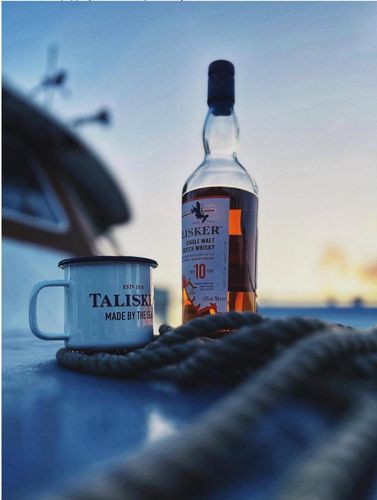
A sign: if you like smoke, but prefer it in a more “civilized” form.
Campbeltown – character, oiliness, and dryness
Regional profile: complex, oily, slightly “funky”
Typical notes: salt, fruit, light smoke, industrial notes
For whom: for those who want something beyond classic fruitiness
Representative bottle:
- Springbank 18 – a great example of the Campbeltown style.
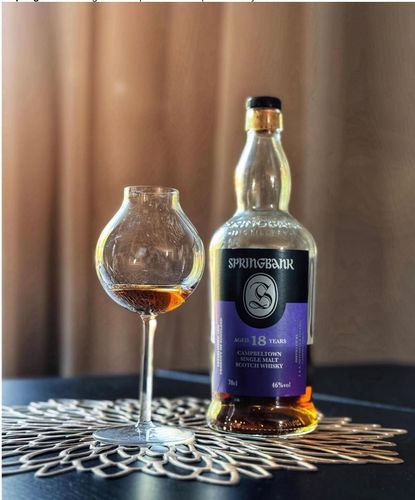
A sign: if you want whisky to make you think, not just go down easily.
Islay – peat, smoke, and intensity
Regional profile: peated, smoky, very expressive
Typical notes: smoke, cured meat, iodine, bandages, citrus
For whom: for lovers of strong sensations and bold character
Representative bottles:
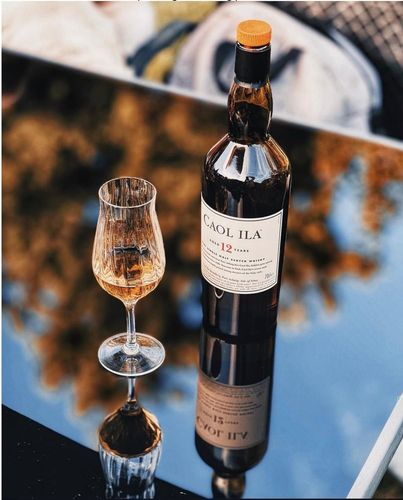
- Caol Ila 12 – clean, mineral peat; a good starting point
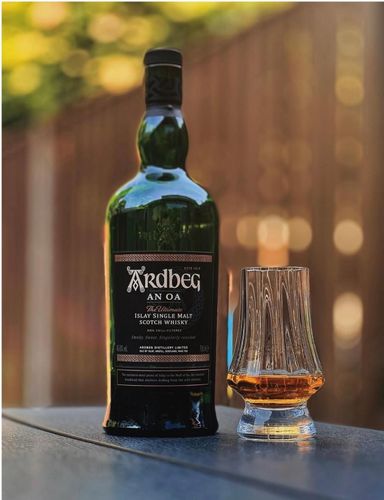
- Ardbeg An Oa – peat in a creamier, more rounded form
- Lagavulin 16 – an Islay icon, deep and mature
A sign:
if the more smoke there is in the glass, the bigger the smile on your face.
How to choose your first bottle from your favorite region
Once you feel that a particular region really suits you, follow a few simple rules:
-
Start with a core expression Avoid limited editions and high-strength bottlings at first. Classic 10–12-year-old releases are the best starting point.
-
Avoid extremes Cask strength, very young whiskies, or heavily experimental finishes are better left for later.
-
Read descriptions, not just the age Pay attention to:
- cask type (bourbon vs. sherry),
- peat level,
- distillery style.
- One bottle at a time It's better to get to know one whisky well than several only superficially.
Remember – your taste will change
Your favorite region today doesn't have to be your favorite in a few years. Many whisky lovers start with Speyside, then discover Islay, and over time come to appreciate Campbeltown or more subtle Highland styles. That's all part of the journey.
Summary
Whisky regions are a great tool for organizing flavors and guiding your choices, but they shouldn't be a limitation. Treat them as signposts, not strict rules. The best whisky is always the one you want to come back to. Cheers!
- Why do regions help when choosing whisky?
- Speyside – gentleness, fruitiness, and balance
- Highlands – diversity and a classic Scotch foundation
- Islands – maritime character and moderate smoke
- Campbeltown – character, oiliness, and dryness
- Islay – peat, smoke, and intensity
- How to choose your first bottle from your favorite region
- Remember – your taste will change
- Summary
About the author

Damian Baran
I am in love with the world of whisky since 2021 after the first films about testing and discovering flavors. the story began with a bottle of Talisker 10, earlier of course brands such as glendifich or johnie walker appeared but it was Talisker that opened my eyes to the diversity of flavors and scents. currently with over 800 whiskies tried and head over heels in love with the climates of islay. finds his flavors in bottles such as ardbeg or lagavulin but I also willingly reach for peated whiskies such as glendronach sweet fruity climates of Speyside.
To the author